
Managing your credit card payments effectively is a cornerstone of sound personal finance. For millions worldwide, Capital One credit cards are a primary financial tool, offering convenience, rewards, and flexibility. However, understanding the various payment methods and adopting smart payment strategies are crucial for maintaining a healthy credit score, avoiding unnecessary fees, and achieving financial wellness. This comprehensive guide will walk you through everything you need to know about paying your Capital One credit card, from understanding your statement to leveraging advanced payment strategies.
Understanding Your Capital One Statement and Payment Obligations
Before diving into how to pay, it’s essential to understand what you’re paying. Your Capital One credit card statement is more than just a bill; it’s a detailed summary of your spending, payments, and account activity over a specific billing cycle. Familiarizing yourself with its key components is the first step towards responsible credit management.
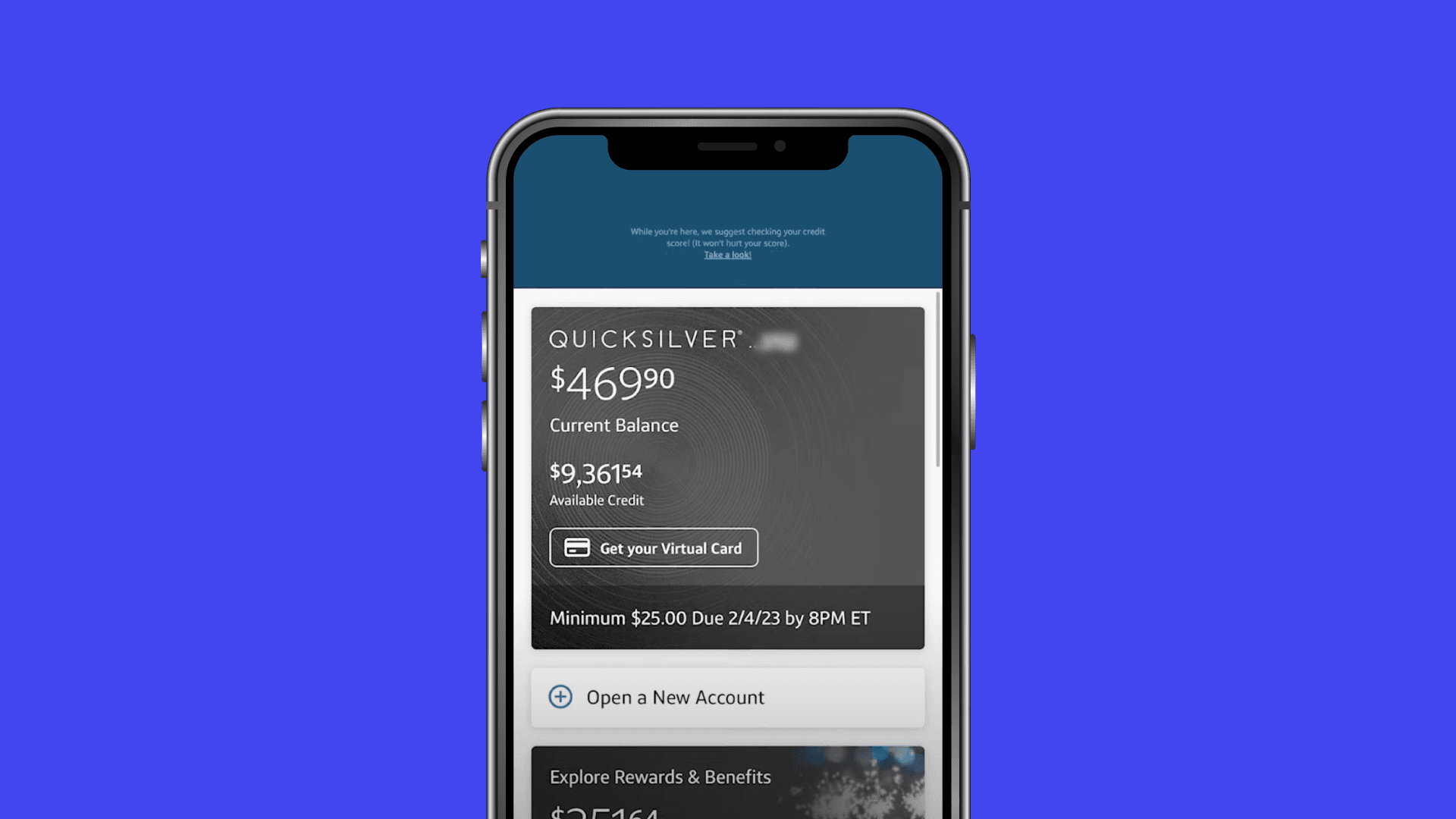
Deciphering Key Statement Information
Every Capital One statement will highlight several critical pieces of information you need to process your payment correctly:
- Due Date: This is arguably the most important date on your statement. It’s the deadline by which your payment must be received to avoid late fees and potential negative impacts on your credit score. Missing a due date can trigger penalty interest rates and negatively affect your credit report for years.
- Minimum Payment Due: This is the smallest amount you are required to pay to keep your account in good standing. While paying the minimum prevents late fees, it often means carrying a balance, which accrues interest and extends the time it takes to pay off your debt.
- Total Balance Due: This represents the entire amount you owe for the current billing cycle. Paying this amount in full each month is the ideal scenario, as it allows you to avoid all interest charges and utilize your credit card purely for its convenience and rewards.
- Current Balance vs. Statement Balance: It’s important to distinguish between these. The “statement balance” is what you owed at the end of the last billing cycle. The “current balance” reflects all charges and payments up to the present moment, which might include new purchases made after your statement was generated. Always aim to pay at least the statement balance to avoid interest on new purchases.
- Available Credit: This shows how much credit you have remaining to spend. Monitoring this helps prevent overspending and keeps your credit utilization ratio low, which is beneficial for your credit score.
The Importance of On-Time Payments
Paying on time is non-negotiable for credit card holders. A single late payment can lead to:
- Late Fees: Capital One, like most issuers, charges a fee for payments received after the due date. These fees can quickly accumulate.
- Penalty APR: Some credit card agreements include a “penalty APR” (Annual Percentage Rate) that can significantly increase your interest rate on existing and future balances if you make a late payment.
- Credit Score Damage: Late payments reported to credit bureaus can severely damage your credit score, making it harder to qualify for loans, mortgages, or even rental agreements in the future. This impact can last for years.
Avoiding Interest Charges
For credit cards that offer a grace period (most do), you can avoid paying interest on new purchases by paying your entire statement balance in full by the due date. If you carry a balance from month to month, interest will accrue daily on that balance, making your purchases more expensive over time. The goal should always be to pay in full whenever possible.
Convenient Digital Payment Methods
In today’s digital age, paying your Capital One credit card has never been easier or faster. These online and mobile options offer unparalleled convenience, allowing you to manage your finances from virtually anywhere.
Paying Online Through the Capital One Website
The Capital One website (capitalone.com) is the primary digital hub for managing your credit card. Once logged into your account, navigating to the payment section is straightforward.
- One-Time Payments: For immediate payments, you can link a checking or savings account (using its routing and account numbers) and specify the amount you wish to pay. You can often choose the date for the payment to be processed, ensuring it aligns with your funds and the due date. This method is ideal for those who prefer manual control over each payment.
- Setting Up Automatic Payments: This is perhaps the most reliable way to ensure you never miss a payment. Capital One allows you to set up recurring payments from a linked bank account. You can choose to pay:
- Your full statement balance
- Your minimum payment due
- A custom fixed amount
Automatic payments provide peace of mind, knowing your bill will always be paid on time. Just remember to ensure sufficient funds are in your linked bank account to avoid overdraft fees.
Utilizing the Capital One Mobile App
The Capital One mobile app (available for iOS and Android) brings the full functionality of the website to your smartphone or tablet, often with an even more streamlined experience.
- Features and Benefits: The app allows you to view your statement, check your balance, monitor transactions, and, most importantly, make payments on the go. Push notifications can remind you of upcoming due dates, and biometric login (fingerprint or face ID) makes access quick and secure.
- Step-by-Step Guide: After logging in, simply tap on your credit card account, find the “Make a Payment” or “Pay My Bill” option, select your payment method (linked bank account), enter the amount, and confirm. It’s designed for speed and simplicity.
Third-Party Payment Services
Many banks offer an online “Bill Pay” service, allowing you to pay various bills, including your Capital One credit card, directly from your checking account.
- How it Works: You typically add Capital One as a payee, providing your account number and sometimes the payment address (though many banks have Capital One pre-listed). Your bank then sends the payment electronically or via check on your behalf.
- Considerations: While convenient, be mindful of processing times. Payments sent via your bank’s bill pay service might take a few business days to reach Capital One, so initiate them well in advance of your due date.
Traditional and Alternative Payment Options
While digital methods dominate, Capital One still provides several traditional payment avenues that might be preferable or necessary for some users.
Paying by Phone
For those who prefer a verbal interaction or don’t have immediate internet access, paying by phone is a viable option.
- Automated System: Capital One offers an automated phone payment system accessible via their customer service number. You’ll typically enter your card number and bank account details through a secure automated prompt. This is available 24/7.
- Customer Service Representative: If you require assistance or prefer speaking to a person, you can connect with a customer service representative during business hours. They can process a payment for you, though some might charge a small fee for this service (it’s wise to confirm this beforehand). Be prepared to provide your account information and bank details securely.

Paying by Mail
Paying by mail is a classic method that still works, though it requires careful planning due to postal delivery times.
- Ensuring Timely Delivery: Always send your payment several business days (at least 7-10 days is recommended) before your due date to account for mail transit and processing by Capital One.
- Required Information: Your statement will typically include a payment coupon and the correct mailing address. Always include your credit card account number on your check or money order to ensure it’s credited to the correct account. Do not send cash through the mail.
Paying at a Capital One Branch or Partner Location
While less common for credit card payments specifically, Capital One may offer options for in-person payments, particularly if you also bank with them.
- Branch Payments: If you have a Capital One 360 checking account or a physical Capital One branch nearby, you might be able to make a payment directly. It’s best to verify this service with your local branch or customer service beforehand, as credit card payments are often handled separately from bank accounts.
- Partner Locations: In some instances, Capital One might partner with certain retailers or payment centers (e.g., MoneyGram, Western Union) where you can make a cash payment. These services usually involve a fee, and you’ll need your credit card account number. Again, verify availability and fees beforehand.
Strategic Payment Practices for Financial Wellness
Beyond simply making payments, strategic approaches can significantly enhance your financial health and maximize the benefits of your Capital One card.
Paying More Than the Minimum
While the minimum payment keeps your account current, it’s rarely the best financial choice. Paying only the minimum, especially on high balances, means a larger portion of your payment goes towards interest, extending your debt repayment period and increasing your overall cost. Always aim to pay as much as you can comfortably afford beyond the minimum.
The Benefits of Paying Your Statement Balance in Full
This is the golden rule of credit card management. Paying your statement balance in full each month ensures you:
- Avoid All Interest Charges: You effectively use the card as a short-term, interest-free loan.
- Improve Credit Utilization: Keeping your credit utilization (the amount of credit you use relative to your total available credit) low is a significant factor in a healthy credit score.
- Build Strong Credit History: Consistent on-time, full payments demonstrate responsible financial behavior to credit bureaus.
- Accelerate Debt Freedom: You eliminate debt proactively, freeing up cash flow for savings and investments.
Managing Multiple Capital One Cards
If you have more than one Capital One credit card, treat each account separately but manage them cohesively. Set up distinct automatic payments for each, or consolidate your manual payments to ensure all cards are paid on time. Consider strategies like the “debt snowball” or “debt avalanche” if you’re carrying balances on multiple cards to prioritize repayment.
What to Do If You Can’t Make a Payment
Financial difficulties can happen to anyone. If you anticipate being unable to make a payment by the due date:
- Contact Capital One Immediately: Don’t wait until after the due date. Call their customer service line, explain your situation, and explore options. They may offer a temporary payment arrangement, deferral, or a hardship program. Proactive communication is key.
- Avoid Further Spending: Refrain from using the card to prevent your balance from growing further.
- Explore Budget Adjustments: Review your budget to identify areas where you can cut back temporarily to free up funds for your payment.
Ensuring Payment Security and Troubleshooting Common Issues
While paying your Capital One credit card is generally secure, awareness and proactive measures can further safeguard your finances.
Verifying Payment Confirmation
After every payment, especially online or via the app, ensure you receive a confirmation number or email. Keep a record of this for your peace of Business records. This serves as proof of payment in case of any discrepancies.
Dealing with Payment Processing Delays
Electronic payments are usually processed quickly, often within 1-2 business days. However, bank holidays or technical issues can cause delays. If you notice a payment hasn’t posted within a reasonable timeframe, first check your linked bank account to ensure the funds were debited. If so, contact Capital One with your confirmation number for assistance. For mailed payments, factor in ample time for delivery and processing.
Protecting Your Account Information
Always use secure networks when making online payments (avoid public Wi-Fi). Be wary of phishing attempts (emails or calls pretending to be Capital One asking for personal information). Capital One will never ask for your full credit card number, PIN, or security code via email. Only provide sensitive information through their official website, app, or verified customer service channels.
Contacting Capital One Customer Service for Assistance
For any questions, issues, or unique circumstances, Capital One’s customer service is your best resource.
- Phone: The number is typically found on the back of your card, on your statement, or on their official website.
- Secure Message: You can often send a secure message through your online account portal.
- FAQs and Help Center: The Capital One website has extensive FAQs that can answer many common questions without needing to contact a representative.
Paying your Capital One credit card responsibly is a fundamental aspect of financial literacy. By understanding your statement, utilizing the convenient payment methods available, and adopting smart financial strategies, you can maintain a healthy credit score, avoid unnecessary costs, and build a strong foundation for your financial future.
aViewFromTheCave is a participant in the Amazon Services LLC Associates Program, an affiliate advertising program designed to provide a means for sites to earn advertising fees by advertising and linking to Amazon.com. Amazon, the Amazon logo, AmazonSupply, and the AmazonSupply logo are trademarks of Amazon.com, Inc. or its affiliates. As an Amazon Associate we earn affiliate commissions from qualifying purchases.