
Managing a credit card effectively is one of the cornerstones of modern personal finance. For Bank of America (BofA) cardholders, understanding the various avenues available for bill payment is not just about avoiding late fees; it is about optimizing cash flow, protecting your credit score, and leveraging the bank’s digital infrastructure to simplify your financial life. Whether you are a digital native who prefers mobile-first solutions or a traditionalist who values the security of a physical branch, Bank of America offers a robust ecosystem of payment options designed to fit diverse lifestyle needs.
In the current economic landscape, where credit utilization and payment history account for a significant portion of your FICO score, the mechanics of how and when you pay your bill are paramount. This guide provides an in-depth look at the primary methods to settle your Bank of America credit card balance, the strategic benefits of each, and how to automate your financial health.
Digital Payment Solutions: Efficiency and Real-Time Management
The most common and efficient way to handle a Bank of America credit card bill is through their integrated digital platforms. As financial institutions have pivoted toward a “digital-first” model, BofA has refined its online banking and mobile app to provide instantaneous feedback and high levels of security.
Using the Online Banking Portal
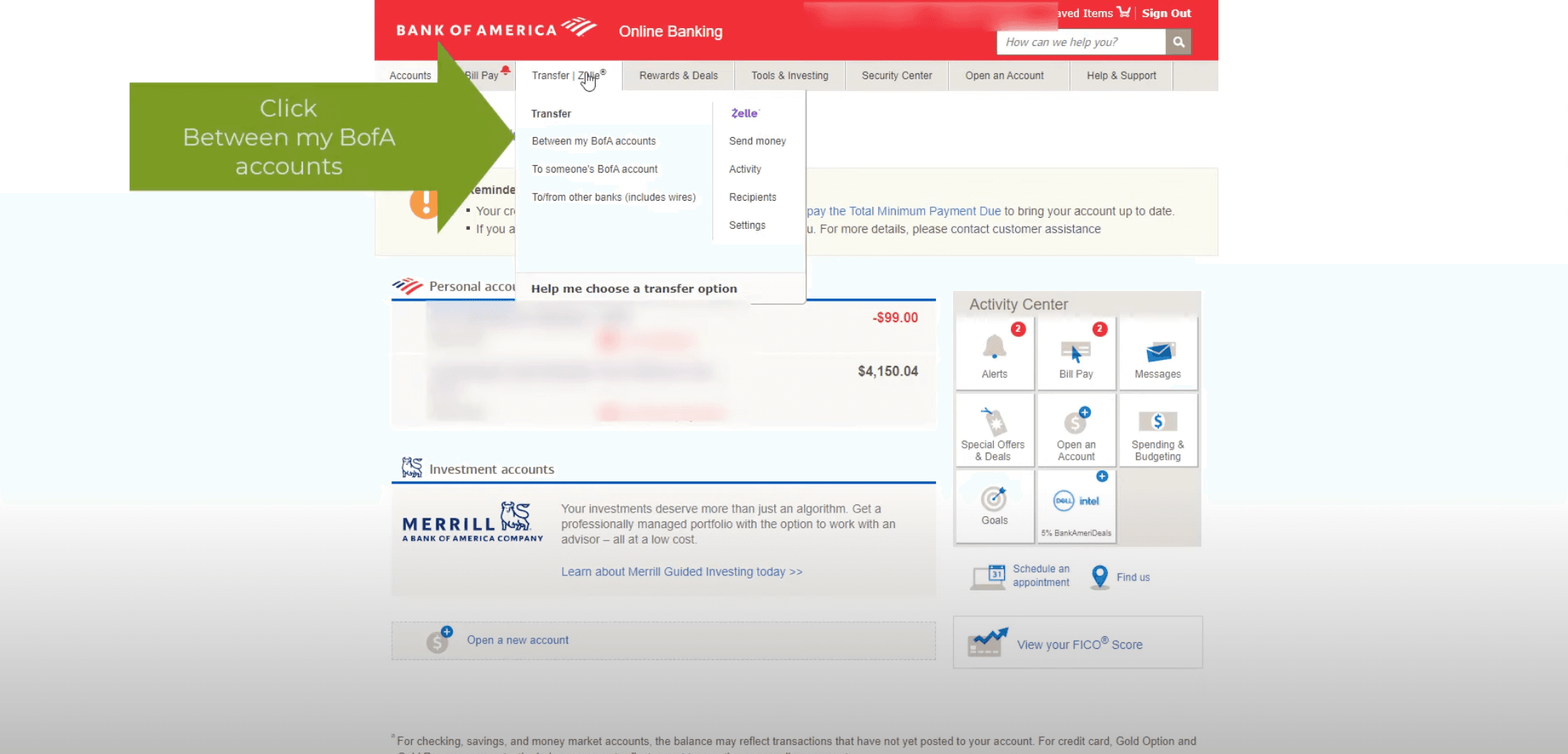
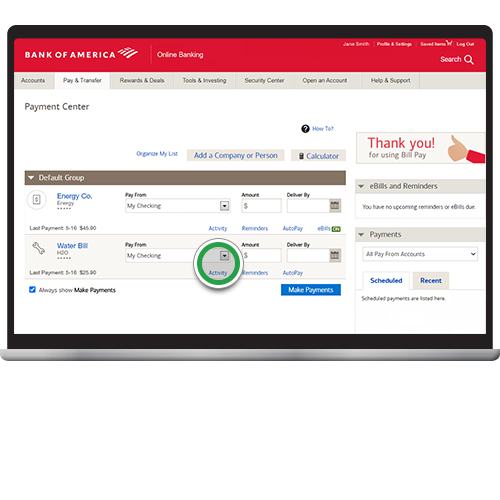
For many, the desktop online banking experience remains the gold standard for detailed financial planning. To pay your bill online, you must first log in to your account. Once inside the dashboard, the “Pay & Transfer” tab serves as the central hub for all outbound funds.
From here, you can select “Bill Pay,” which allows you to link external checking or savings accounts if your primary liquid assets are not held at Bank of America. If you do hold a BofA checking account, the process is near-instantaneous. One of the primary advantages of the online portal is the ability to view your “Statement Balance,” “Current Balance,” and “Minimum Payment” side-by-side, allowing for an informed decision on how much to remit based on your monthly budget.
Leveraging the Mobile Banking App
The Bank of America mobile app is consistently ranked among the top financial tools for its user interface and functionality. Paying your bill via the app follows a similar logic to the desktop version but is optimized for speed. Using biometric authentication—such as FaceID or fingerprint scanning—you can navigate to the credit card account and tap “Make a Payment.”
The app is particularly useful for those who travel or manage their finances on the go. It allows for “last-minute” payments, as long as they are submitted before the 11:59 p.m. ET cutoff on the due date. Furthermore, the mobile app provides push notifications that can remind you when a payment is due, reducing the risk of human error and the subsequent financial penalties.
Utilizing Digital Wallets and Third-Party Bill Pay
While paying directly through the issuer is recommended, many users prefer to centralize their bills through third-party financial tools or digital wallets. If you use a different bank for your daily checking, you can use that institution’s “Bill Pay” service. You will need to provide your Bank of America credit card account number and the specific payment address found on your monthly statement. It is important to note that third-party payments can take 2–5 business days to process, so timing is critical to avoid delinquency.
Traditional and Offline Payment Methods
Despite the shift toward digital, there are several scenarios where traditional payment methods are preferable or necessary. Bank of America maintains one of the largest physical footprints in the United States, providing a safety net for those who prefer face-to-face interaction or physical documentation.
In-Person Branch Payments
For individuals who deal primarily in cash or those who want an immediate physical receipt, paying at a Bank of America financial center is a viable option. You can visit any teller and provide your credit card information along with your payment. This method ensures that the payment is credited to your account on the same business day. It is an excellent option for those who are close to their due date and want to ensure there are no processing delays inherent in digital transfers or mail systems.
Phone Payments via IVR and Customer Service
If you find yourself without internet access, Bank of America offers a robust telephonic payment system. By calling the customer service number on the back of your card, you can use the Interactive Voice Response (IVR) system to make a payment. This system is available 24/7 and guides you through entering your checking account and routing numbers. If you encounter issues, you can speak with a representative, though it is worth noting that some institutions charge a convenience fee for human-assisted payments, so it is always wise to clarify this during the call.
The Legacy Approach: Mailing a Check
While increasingly rare, mailing a physical check or money order is still supported. Every monthly statement includes a detachable payment coupon and a pre-addressed envelope. When using this method, the “Money Rule of Thumb” is to mail the check at least 7–10 days before the due date. Post-office delays can lead to late fees, even if the check was postmarked on time. Always write your credit card account number in the memo line of the check to ensure it is applied to the correct account if the coupon becomes separated.
Automating Financial Health: AutoPay and Strategic Scheduling
The most effective way to manage a credit card bill is to remove the manual element entirely. Automation is a powerful psychological and financial tool that ensures consistency and protects your credit reputation.
Setting Up AutoPay for Long-Term Success
Bank of America allows cardholders to enroll in “AutoPay,” which automatically deducts a set amount from a linked bank account each month. Within the settings, you can choose to pay:
-
The Minimum Payment: This protects your credit score by ensuring you are never “late,” but it will result in interest charges on the remaining balance.
-
The Statement Balance: This is the gold standard of personal finance. Paying the full statement balance ensures you never pay a dime in interest while maximizing your credit utility.
-
A Fixed Amount: This is useful for individuals on a strict budget who are working their way through a specific debt-reduction plan.
Strategic Payment Timing and Credit Utilization
Sophisticated cardholders know that when you pay can be just as important as how you pay. Your credit utilization ratio—the amount of credit you are using compared to your total limit—is calculated based on the balance reported to the credit bureaus, usually on the “Statement Closing Date.”
If you have a high balance, even if you plan to pay it off in full by the due date, it may be reported as high utilization, which can temporarily lower your credit score. To counter this, many financial experts suggest paying the bill a few days before the statement closes. This ensures that the balance reported to the bureaus is low, keeping your credit profile healthy and attractive to future lenders.
Navigating Interest, Grace Periods, and Fees
Understanding the math behind your credit card bill is essential for effective money management. Bank of America, like most major issuers, operates on a “grace period” system.
Understanding the Grace Period
If you pay your statement balance in full every month, Bank of America typically offers a grace period of about 25 days from the statement closing date to the payment due date. During this window, no interest is charged on new purchases. However, if you carry over even a small balance from the previous month, the grace period is forfeited. This means interest begins accruing on new purchases the moment they are made. Regaining the grace period usually requires paying the account in full for two consecutive billing cycles.
Dealing with Late Payments and Fee Waivers
Life is unpredictable, and occasionally a payment may be missed. If this happens, a late fee is typically applied to the account. From a brand-loyalty perspective, Bank of America is known to be occasionally lenient with long-term customers who have a history of on-time payments. If you miss a deadline, the best course of action is to make the payment immediately and then call customer service to request a one-time fee waiver. While not guaranteed, professional communication often results in a reversal of the fee, provided it is an infrequent occurrence.

Monitoring for Security and Accuracy
Finally, every time you pay your bill, it is a best practice to perform a quick audit of your transactions. Digital payment portals make it easy to flag unauthorized charges or subscription services you no longer use. Integrating this review into your monthly payment routine ensures that you are not only settling your debts but also guarding your financial identity and optimizing your monthly expenditures.
By mastering these payment channels and understanding the underlying financial logic of credit management, Bank of America customers can turn a routine chore into a strategic advantage, ensuring their credit remains a tool for growth rather than a source of stress.
aViewFromTheCave is a participant in the Amazon Services LLC Associates Program, an affiliate advertising program designed to provide a means for sites to earn advertising fees by advertising and linking to Amazon.com. Amazon, the Amazon logo, AmazonSupply, and the AmazonSupply logo are trademarks of Amazon.com, Inc. or its affiliates. As an Amazon Associate we earn affiliate commissions from qualifying purchases.