
In an increasingly digitized world, the days of writing checks, stuffing envelopes, and rushing to the post office to pay bills are rapidly fading into obsolescence. Paying bills online has transcended mere convenience; it has become an indispensable component of sound personal finance, offering a potent blend of efficiency, security, and control over one’s financial landscape. For anyone looking to optimize their money management, understanding and implementing effective online bill payment strategies is not just an option, but a necessity. This guide delves into the mechanisms, benefits, and best practices of online bill payment, framing it as a critical financial tool for achieving greater fiscal health and peace of mind.

The Indispensable Role of Online Bill Payment in Modern Personal Finance
The evolution of financial technology has profoundly reshaped how individuals interact with their money. At the forefront of this transformation is the ubiquitous ability to pay bills electronically. This shift is more than just a technological upgrade; it represents a fundamental change in how we manage our financial obligations, offering distinct advantages that resonate deeply with personal finance goals.
Shifting Paradigms: From Paper Checks to Digital Efficiency
Historically, managing bills was a time-consuming and often error-prone process. The manual act of writing checks, tracking due dates on physical calendars, and ensuring postal delivery introduced multiple points of potential failure—from lost mail to clerical errors. The digital revolution, however, has ushered in an era where financial transactions can be executed with unprecedented speed and accuracy. Online bill payment platforms eliminate the need for physical checks and postage, drastically reducing the time and effort required to settle financial obligations. This digital efficiency not only saves precious time but also minimizes the environmental footprint associated with paper statements and checks, aligning personal finance practices with broader sustainability goals. The immediate confirmation of payments provides an instant record, replacing the need for manual reconciliation of physical statements, thereby streamlining the entire payment lifecycle.
Beyond Convenience: Tangible Financial Benefits
While the convenience of online bill payment is undeniable, its most significant contributions lie in the tangible financial benefits it offers. Foremost among these is the dramatic reduction, if not outright elimination, of late fees. By enabling scheduled or automated payments, individuals can ensure that bills are always paid on time, safeguarding their credit score and avoiding costly penalties that can accumulate rapidly. Furthermore, online platforms provide a clear, consolidated view of past and upcoming payments, facilitating more precise budgeting and expenditure tracking. This enhanced visibility empowers individuals to identify spending patterns, allocate funds more effectively, and proactively adjust their financial plans. The ability to categorize and search digital payment records also simplifies financial reviews for tax purposes or personal audits, providing a robust, easily accessible trail of all transactions. For those seeking to maximize interest earnings or avoid overdraft fees, the precise control over payment timing afforded by online systems allows for better cash flow management, keeping funds in interest-bearing accounts until the last possible moment, or ensuring sufficient funds are available exactly when needed.
Navigating the Digital Landscape: Key Methods for Online Bill Payments
The digital ecosystem for bill payment is diverse, offering several robust channels through which individuals can manage their financial responsibilities. Understanding the distinct characteristics and benefits of each method is crucial for selecting the approach that best aligns with one’s personal finance strategy and technological comfort level. Each option provides a slightly different user experience and level of financial integration.
Direct Biller Websites: The Primary Channel
The most straightforward method for paying bills online involves directly accessing the website of the service provider or utility company. Nearly every major biller, from electricity companies to internet providers and credit card issuers, offers a secure online portal where customers can view their statements, manage their accounts, and initiate payments. This method is often preferred for its directness; payments are processed within the biller’s own system, often with real-time confirmation. Many direct biller sites also offer features such as paperless billing, auto-pay setup, and payment reminders, all designed to simplify financial oversight. For instance, setting up an automatic monthly payment for a mortgage or student loan directly through the lender’s portal ensures timely payments, which is vital for maintaining a good credit score and avoiding punitive late fees. The primary advantage here is the direct relationship and often superior control over specific account settings and promotional offers that might not be available through third-party platforms.
Bank’s Online Bill Pay Services: Centralized Financial Hubs
Many financial institutions provide their customers with comprehensive online bill pay services, transforming their online banking portal into a centralized financial management hub. Through this service, individuals can add multiple billers – utility companies, landlords, credit card providers, etc. – and schedule payments from a single interface. The bank acts as an intermediary, sending payments electronically or via paper check on behalf of the customer. This method is particularly beneficial for those who prefer to manage all their outgoing payments from one secure location, rather than logging into multiple individual biller websites. It simplifies budgeting and tracking, as all payment records are consolidated within the bank’s transaction history. Banks often allow for setting up recurring payments, one-time payments, and even person-to-person payments, making it a versatile tool for comprehensive financial organization. The integrated nature with one’s primary checking account means seamless fund transfers and real-time balance updates, providing an immediate snapshot of available funds after payments are processed.
Third-Party Aggregators and Money Management Apps: Advanced Tools for Financial Oversight
Beyond direct biller websites and bank services, a growing number of third-party aggregators and dedicated money management applications offer advanced features for online bill payment. Platforms like Mint, Personal Capital, or specific bill pay services integrate with various financial accounts to provide a holistic view of one’s finances. These apps often offer budgeting tools, spending analytics, investment tracking, and sometimes even the ability to pay bills directly through their interface. For example, some apps can pull data from linked bank accounts and credit cards to provide a forecast of upcoming bills and suggest optimal payment timings. While offering enhanced functionality and often a more intuitive user experience, it’s crucial to select reputable and secure third-party applications given the sensitive financial information involved. These tools are particularly useful for individuals with complex financial portfolios or those seeking an integrated approach to budgeting, saving, and bill payment. They represent the cutting edge of personal financial technology, empowering users with deep insights and greater control over their financial health.
Implementing a Robust Online Bill Payment Strategy for Financial Control
Establishing an effective online bill payment system is more than just knowing how to click a button; it involves strategic planning and consistent oversight. A well-structured approach ensures not only timely payments but also enhances overall financial control, minimizes stress, and safeguards against potential errors or oversights that could impact one’s financial standing.
Initial Setup: Linking Accounts and Scheduling Payments
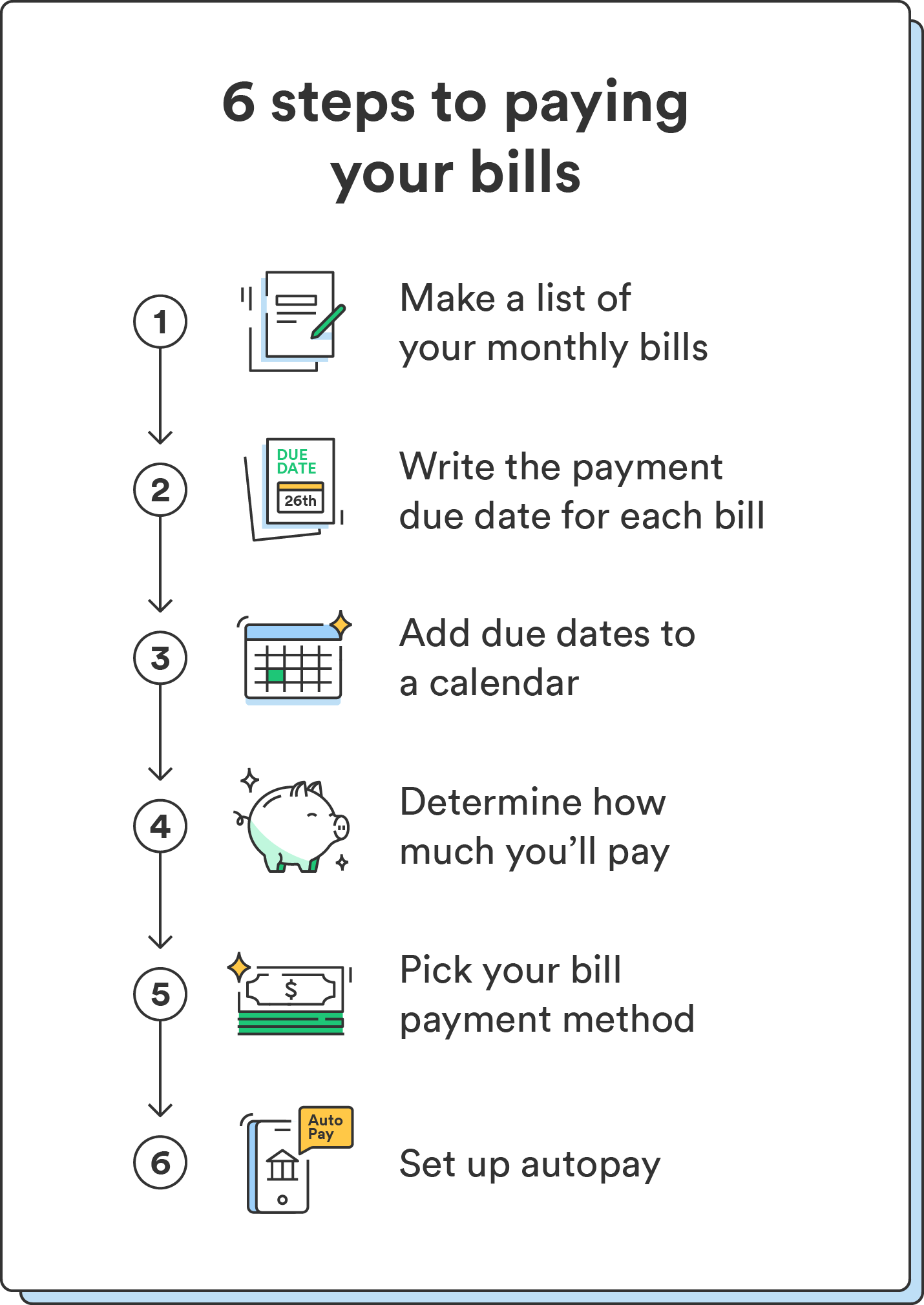
The foundation of any robust online bill payment strategy lies in the meticulous initial setup. This involves gathering all your recurring bills, understanding their due dates, and identifying which payment method (direct biller, bank bill pay, or third-party app) is most appropriate for each. For direct biller payments, you’ll typically need to register an account on the biller’s website and link a checking account or credit card. For bank bill pay, you’ll add each biller as a payee within your online banking portal, usually requiring the biller’s name, address, and your account number with them. During this phase, it’s critical to verify all details meticulously to prevent misdirected payments. Once accounts are linked, scheduling payments is the next step. Consider setting up notifications or reminders a few days before the due date, especially for variable bills, to ensure sufficient funds are available and to review the bill for accuracy before payment is processed. This systematic approach transforms a potentially chaotic task into an organized, manageable process.
Automating Payments for Timely Financial Obligations
For fixed expenses like mortgages, car loans, or insurance premiums, automating payments is a powerful strategy for ensuring punctuality and reducing cognitive load. Most billers and bank bill pay services offer the option to set up recurring payments that automatically debit your account on a specified date each month. This feature is invaluable for maintaining a strong credit history, as payment punctuality is a significant factor in credit scoring. However, automation requires a consistent financial buffer; it’s essential to ensure your linked account always has sufficient funds to cover automated debits to avoid overdraft fees or bounced payments, which can incur additional charges and negatively impact your credit. For variable bills, such as utilities, consider setting auto-pay for the minimum amount due, then manually paying any additional balance after reviewing the statement, or set up reminders to review and approve the variable amount each month. The key is to strike a balance between automation for consistency and manual review for control over fluctuating expenses.
Monitoring and Reconciliation: Staying on Top of Your Finances
Even with automated systems in place, vigilant monitoring and regular reconciliation are paramount to maintaining financial control. It’s a common misconception that once payments are automated, they no longer require attention. This is far from the truth. Regularly review your bank statements and credit card statements to ensure that all scheduled payments have been processed correctly and that there are no unauthorized transactions. Set aside a specific time each week or month to log into your various financial accounts—your bank, credit cards, and individual biller sites—to cross-reference payments made against statements received. This proactive approach helps catch errors, identifies potential fraudulent activity early, and provides an ongoing audit of your financial outflow. Maintaining digital records of payment confirmations and statements in an organized manner (e.g., in a dedicated cloud folder) further aids in reconciliation and provides a crucial historical reference for budgeting, tax preparation, and resolving any disputes that may arise.
Fortifying Your Financial Defenses: Security in Online Bill Payments
While the convenience of paying bills online is immense, it comes with the inherent responsibility of safeguarding your financial information. The digital realm, unfortunately, presents various threats, from sophisticated phishing scams to data breaches. A robust understanding of these risks and the implementation of proactive security measures are fundamental to protecting your money and identity.
Understanding Common Security Threats: Phishing and Data Breaches
The two most pervasive threats to online financial transactions are phishing attacks and data breaches. Phishing involves deceptive attempts to acquire sensitive information, such as usernames, passwords, and credit card details, by masquerading as a trustworthy entity in an electronic communication (e.g., email or text). These scams often lead individuals to fake websites that mimic legitimate banking or biller portals, where credentials are then stolen. Data breaches, on the other hand, occur when unauthorized individuals gain access to sensitive information stored by a company or service provider. While the responsibility to prevent breaches largely rests with the organizations, consumers are often the ultimate victims. Recognizing the red flags of phishing – suspicious sender addresses, generic greetings, urgent tones, and requests for personal information – is crucial. Similarly, being aware of major data breaches reported by companies you interact with allows for proactive measures, such as changing passwords.
Best Practices for Protecting Your Financial Data
Protecting your financial data online requires a multi-layered approach. Firstly, always use strong, unique passwords for all your online banking and biller accounts, ideally employing a reputable password manager. Two-factor authentication (2FA) should be enabled wherever possible, adding an extra layer of security by requiring a second form of verification (e.g., a code sent to your phone) in addition to your password. Secondly, ensure your devices are protected with up-to-date antivirus software and regularly install security updates for your operating system and browsers. Always access banking and biller websites through direct typing of the URL or through trusted bookmarks, rather than clicking on links from emails. Avoid using public Wi-Fi networks for financial transactions, as they are often unsecured and susceptible to eavesdropping. Finally, regularly review your credit reports and financial statements for any suspicious activity. Many banks offer alerts for unusual transactions, which can be invaluable for early detection of fraud.
What to Do If You Suspect Financial Compromise
Despite all precautions, financial compromises can occur. Knowing how to react swiftly is critical to mitigating damage. If you suspect your financial information has been compromised—whether due to a phishing scam, a data breach, or unusual activity on your accounts—your immediate priority should be to change all relevant passwords. Next, contact your bank and any affected billers directly to report the suspicious activity and discuss potential protective measures, such as freezing accounts or issuing new cards. File a report with the relevant authorities, such as the Federal Trade Commission (FTC) in the U.S., and consider placing a fraud alert or security freeze on your credit reports with the major credit bureaus. Document all communications and actions taken, as this can be crucial for investigations and recovery processes. Acting quickly and decisively can significantly limit the financial impact and stress associated with a security breach.
Optimizing Your Online Bill Payment System for Ultimate Financial Health
Moving beyond the basics, an optimized online bill payment system can serve as a cornerstone of your broader financial strategy, contributing significantly to improved credit, enhanced budgeting, and overall wealth accumulation. Leveraging the full potential of digital payments means integrating them thoughtfully into your comprehensive financial plan.
Leveraging Auto-Pay for Credit Score Improvement
Timely payments are a cornerstone of a healthy credit score, and auto-pay is arguably the most effective tool for ensuring this consistency. By automating payments for recurring debts like credit cards, loans, and mortgages, you virtually eliminate the risk of missed due dates, which are detrimental to your credit history. A pristine payment history demonstrates financial responsibility to lenders, potentially leading to lower interest rates on future loans and better access to credit products. However, as previously mentioned, it is imperative to ensure adequate funds are always available in the linked account to prevent overdrafts, which can negate the credit benefits and incur fees. Strategically setting auto-pay for the minimum amount due on credit cards and then manually paying extra when possible can maximize flexibility while securing your credit standing. This dual approach gives you both protection from late payments and the agility to pay down debt more aggressively when cash flow allows.
Digital Record Keeping for Tax and Budgeting Purposes
One of the often-underestimated benefits of online bill payment is the automatic creation of a digital financial trail. This digital footprint is invaluable for tax preparation and comprehensive budgeting. Instead of sifting through stacks of paper statements, all payment records are typically accessible online, often for several years, through your bank or biller portals. For tax purposes, this makes it significantly easier to itemize deductions, verify expenses, and compile necessary documentation for filing. For personal budgeting, digital records provide a granular view of your spending over time, allowing for more accurate analysis and better financial forecasting. Many online banking platforms and third-party money management apps offer tools to categorize transactions, making it simple to track how much you spend on utilities, housing, transportation, and other categories. This clear visibility empowers you to identify areas for potential savings, adjust spending habits, and stick more closely to your financial goals.
Integrating with Broader Financial Planning Strategies
Ultimately, an optimized online bill payment system should seamlessly integrate with your broader financial planning strategies. This means viewing it not as an isolated task, but as a critical component of your overall financial health. For instance, by ensuring all bills are paid punctually and efficiently, you free up mental bandwidth to focus on more complex financial goals, such as investing, saving for retirement, or planning for major purchases. The time saved through automation can be redirected towards researching investment opportunities or refining your savings strategy. Moreover, the enhanced visibility and control over cash flow provided by online payments enable better alignment with your long-term financial objectives. Knowing exactly when funds will be debited allows for precise timing of transfers to savings accounts or investment portfolios, leveraging every dollar for growth. An efficient online bill payment system is, therefore, more than just a convenience; it is a foundational pillar that supports all other aspects of responsible and proactive financial management.
aViewFromTheCave is a participant in the Amazon Services LLC Associates Program, an affiliate advertising program designed to provide a means for sites to earn advertising fees by advertising and linking to Amazon.com. Amazon, the Amazon logo, AmazonSupply, and the AmazonSupply logo are trademarks of Amazon.com, Inc. or its affiliates. As an Amazon Associate we earn affiliate commissions from qualifying purchases.