
In the modern financial landscape, the simple act of paying a bill has evolved from a monthly chore into a strategic component of personal wealth management. Long gone are the days of manually balancing a checkbook and mailing envelopes with stamps. Today, “how to pay a bill” is a question that encompasses digital security, cash flow optimization, credit score maintenance, and psychological peace of mind. Efficient bill management is the bedrock of financial stability; it ensures that your essential services remain active while protecting your reputation with creditors and financial institutions.
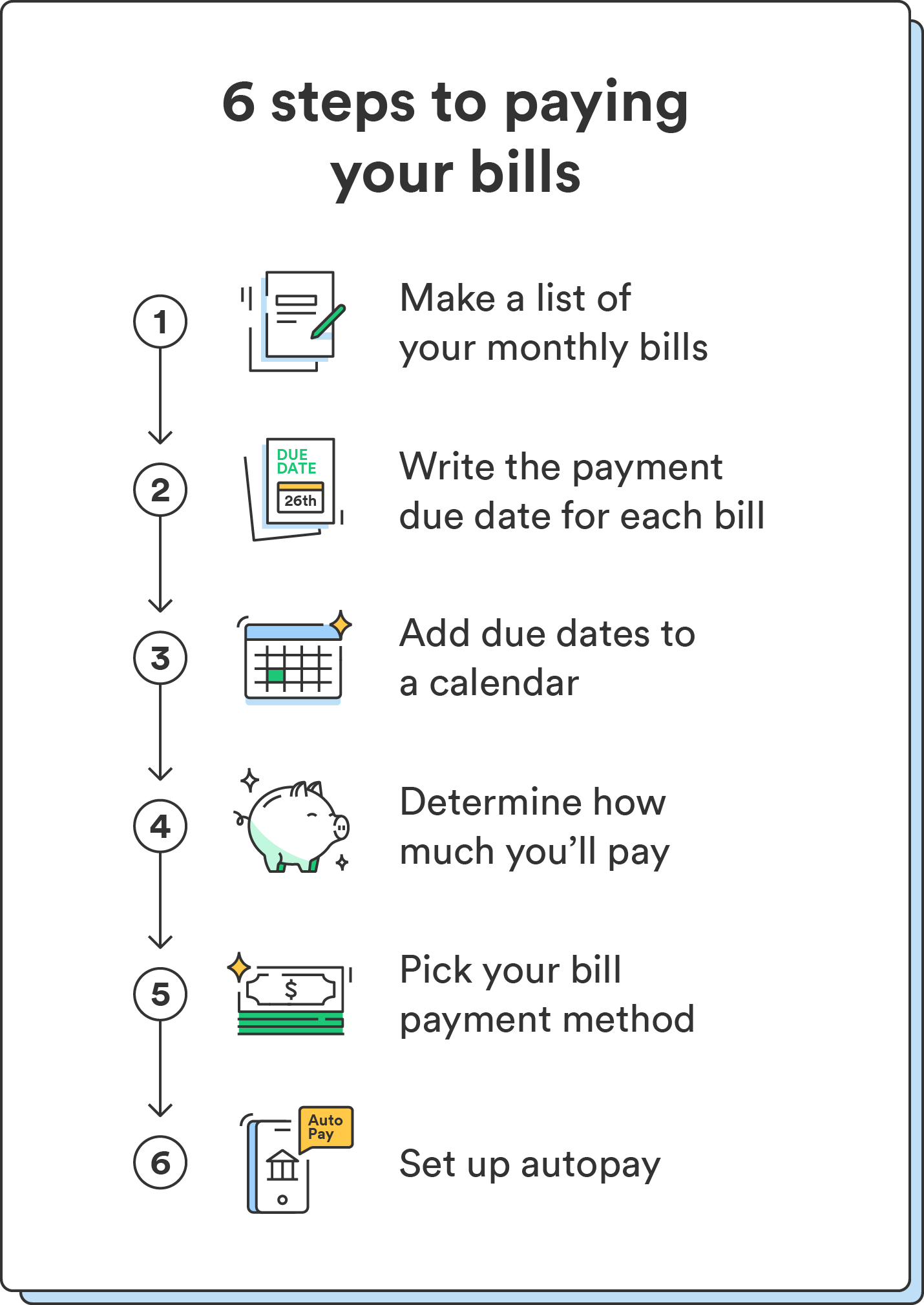
Understanding the mechanics of bill payments is not just about meeting deadlines; it is about leveraging the right tools to maximize your capital. Whether you are managing household utilities, high-interest credit card debt, or complex business invoices, the method you choose can impact your liquidity and your long-term financial health. This guide explores the sophisticated ecosystem of modern payments and provides a blueprint for building a system that works for you, rather than against you.
The Evolution of Bill Payments: From Paper Checks to Digital Ecosystems
The history of personal finance is marked by a steady march toward friction-less transactions. For decades, the paper check was the gold standard, requiring physical delivery and manual processing. While some legacy systems still utilize this method, the shift toward digital-first banking has fundamentally changed the consumer’s relationship with their obligations.
The Transition to Digital-First Banking
The rise of online banking portals and mobile applications has centralized the payment process. Most modern financial institutions offer integrated “Bill Pay” features that act as a clearinghouse for all your obligations. This transition has eliminated the “float”—the period between writing a check and the funds leaving your account—forcing a new level of discipline in real-time cash flow management. Digital banking allows for instantaneous confirmation, reducing the anxiety of lost mail and providing a clear, searchable audit trail of every transaction.
Understanding Different Bill Types: Fixed vs. Variable
To master bill payment, one must first categorize their expenses. Fixed bills, such as rent, mortgages, or insurance premiums, remain constant and are the easiest to automate. Variable bills, including electricity, water, and credit card balances, fluctuate based on usage or spending habits. Effective management requires a dual approach: automation for the predictable, and active monitoring for the variable. By distinguishing between these two, you can allocate your monthly income more effectively, ensuring that the “must-pays” are handled while maintaining a buffer for the “fluctuators.”
Strategic Payment Methods: Choosing the Right Tool for the Job
Not all payment methods are created equal. Each carries its own set of advantages, risks, and impacts on your financial profile. Selecting the right method is a matter of balancing convenience with financial strategy.
Automated Clearing House (ACH) and Direct Debits
The ACH network is the backbone of the American electronic payment system. Direct debits—where a service provider pulls funds directly from your checking account—are the most common form of “set it and forget it” payments.
-
Pros: It is almost always free and ensures you never miss a due date. Many lenders, particularly for student loans or mortgages, offer a small interest rate reduction (often 0.25%) if you enroll in ACH autopay.
-
Cons: It requires high liquidity. If a bill is higher than expected and you haven’t buffered your account, you risk overdraft fees. Furthermore, giving a company direct access to pull from your account can make it more difficult to dispute a charge after the money has already left.
Credit Cards as a Cash Flow Management Tool
For the financially disciplined, using a credit card to pay recurring bills is a sophisticated strategy to earn rewards and build credit. By funneling utilities, subscriptions, and insurance through a high-rewards card, you can earn 1% to 5% back on money you were already planning to spend.
-
Strategic Advantage: Credit cards offer a layer of consumer protection that debit cards do not. If a utility company overcharges you, you can dispute the transaction through the card issuer without your actual cash being tied up during the investigation.
-
The Golden Rule: This strategy only works if the balance is paid in full every month. If you carry a balance, the interest charges will quickly dwarf any rewards earned.
Digital Wallets and Third-Party Payment Processors
Services like PayPal, Apple Pay, and Google Pay are increasingly integrated into billing platforms. These tools offer an extra layer of security by tokenizing your financial data, meaning the service provider never actually sees your bank account or credit card number. This is particularly useful for one-time payments or smaller vendors where you might be concerned about data breaches.
Building a Bulletproof Bill-Paying System

The goal of a bill-paying system is to minimize the “cognitive load” of personal finance. You want to spend as little time as possible thinking about bills while ensuring 100% accuracy and on-time delivery.
The Power of Automation and the “Safety Buffer”
True financial freedom comes from automation. However, automation without oversight is a recipe for disaster. The most effective systems utilize a “hybrid automation” model. Set your fixed expenses to autopay, but set calendar alerts for variable bills three days before they are scheduled to be withdrawn. This allows you to review the statement for errors before the transaction occurs. To prevent overdrafts, maintain a “buffer”—a specific amount of money (e.g., $500 or one month’s worth of bills) that stays in your checking account at all times and is never touched for discretionary spending.
Setting Up a “Bills-Only” Bank Account
One of the most effective organizational strategies is the separation of funds. By opening a secondary checking account exclusively for bills, you create a clear boundary between your “spending money” and your “obligation money.”
-
Calculate: Total your average monthly bills.
-
Fund: Set up a recurring transfer from your primary paycheck account to the “Bills Account” that covers this total plus a small margin.
-
Execute: Link all autopayments to this specific account.
This system ensures that even if you overspend on dining or entertainment in your primary account, your rent and electricity funds remain untouched and ready for withdrawal.
Managing Due Dates and Grace Periods
Many people don’t realize that due dates are often negotiable. If your mortgage is due on the 1st but your car payment is due on the 5th, and you get paid on the 15th, you may experience a mid-month “cash crunch.” Most credit card companies and utility providers allow you to shift your due date to better align with your income stream. Consolidating your due dates to the days immediately following your primary paydays can streamline your accounting and ensure liquidity when it is needed most.
Advanced Financial Strategies for High-Efficiency Payments
Once the basics are mastered, you can treat bill payment as a way to optimize your overall net worth.
Leveraging Rewards and Interest-Bearing Accounts
In a high-interest-rate environment, the “timing” of your payments matters. By keeping your bill money in a High-Yield Savings Account (HYSA) until the very last moment, you can earn a small amount of interest on that capital. This is where using a credit card for bills becomes even more powerful: you charge the bills to the card, keep the cash in an HYSA for 30 days earning interest, and then pay the credit card bill in full from the HYSA. While the gains per month may be modest, the cumulative effect over years is significant.
Negotiation Tactics for Lowering Recurring Bills
Paying the bill is one thing; paying the right amount is another. Services like internet, cable, and insurance are notoriously prone to “price creep.” A professional approach to bill management includes an annual “audit” where you contact your providers to ask for better rates or “retention discounts.” Simply mentioning that you are considering a competitor can often trigger a lower monthly rate, directly increasing your monthly cash flow.
Handling Late Payments and Protecting Your Credit Score
Payment history accounts for 35% of your FICO credit score. A single payment that is 30 days late can drop a high credit score by 100 points or more. If you find yourself in a position where you cannot pay a bill, the worst thing you can do is ignore it. Most creditors have “hardship programs.” By calling the company before the due date, you can often secure a payment extension or a temporary interest rate reduction. This proactive communication prevents the “late” status from being reported to the credit bureaus.
The Future of Personal Finance: AI and Integrated Payment Solutions
We are entering an era where bill payment is becoming predictive rather than reactive. Artificial Intelligence tools are now being integrated into banking apps to analyze your spending patterns and predict upcoming bills before they arrive. These tools can alert you if your projected balance will be insufficient to cover an upcoming auto-draft, effectively acting as a digital financial controller.
Furthermore, “Open Banking” initiatives are allowing for a more holistic view of financial health. In the near future, your various accounts will communicate more fluidly, automatically moving money between savings and checking to optimize for interest while ensuring all obligations are met. As these technologies evolve, the definition of “how to pay a bill” will continue to shift toward total automation, leaving the consumer to act as an overseer of their financial engine rather than a manual operator.
By viewing bill payment through the lens of strategy rather than obligation, you transform a mundane task into a powerful tool for financial stability. Whether through the disciplined use of rewards-based credit cards, the organizational clarity of separate accounts, or the proactive negotiation of rates, mastering your bills is the first step toward mastering your wealth.
aViewFromTheCave is a participant in the Amazon Services LLC Associates Program, an affiliate advertising program designed to provide a means for sites to earn advertising fees by advertising and linking to Amazon.com. Amazon, the Amazon logo, AmazonSupply, and the AmazonSupply logo are trademarks of Amazon.com, Inc. or its affiliates. As an Amazon Associate we earn affiliate commissions from qualifying purchases.