
Navigating the transition from student life to the professional world involves many milestones, but few are as significant—or as potentially daunting—as beginning the repayment of federal student loans. Often referred to collectively as “FAFSA loans” because they originate from the Free Application for Federal Student Aid, these federal financial instruments offer a variety of protections and repayment options that private loans do not. However, the complexity of the federal system requires a strategic approach to ensure you are not paying more than necessary and that your debt does not become an insurmountable barrier to your other financial goals.

Successfully paying back federal loans is not just about writing a check every month; it is about choosing the right repayment architecture, understanding the mechanics of interest, and leveraging federal programs to your advantage.
Understanding Your Federal Loan Portfolio
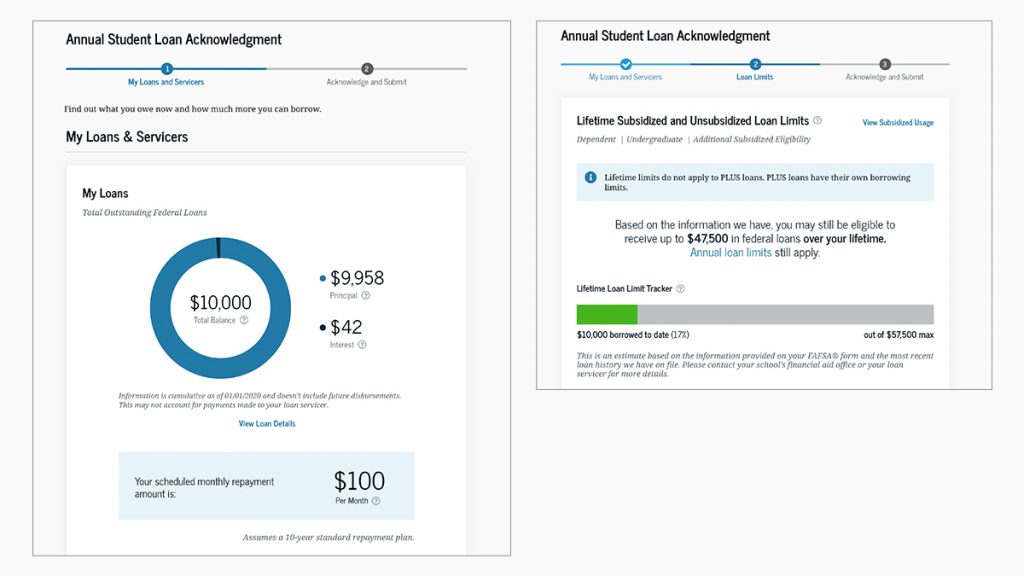
Before you can build a repayment strategy, you must have a clear inventory of what you owe and to whom. Unlike private debt, federal loans are issued by the government but managed by private companies known as loan servicers.
Identifying Your Loan Servicer
Your loan servicer is your primary point of contact for everything related to your debt. They handle billing, process deferment requests, and help you change repayment plans. Because the Department of Education frequently shifts contracts between companies, the servicer you had when you graduated may not be the one you have today. You can identify your current servicer by logging into your account at StudentAid.gov. Keeping your contact information updated with your servicer is critical; missing a notification because of an old email address is not a valid excuse for a late payment in the eyes of the credit bureaus.
Subsidized vs. Unsubsidized Loans
Understanding the distinction between Direct Subsidized and Direct Unsubsidized loans is vital for prioritizing payments.
-
Subsidized Loans: The government pays the interest on these loans while you are in school at least half-time, during the six-month grace period after graduation, and during periods of authorized deferment.
-
Unsubsidized Loans: Interest begins accruing the moment the funds are disbursed. If you do not pay the interest during school or the grace period, it “capitalizes,” meaning it is added to the principal balance, and you then begin paying interest on that new, higher amount.
The Grace Period Window
Most federal loans offer a six-month grace period after you graduate, leave school, or drop below half-time enrollment. This window is designed to give you time to find employment and stabilize your finances. However, the grace period is also the best time to formulate your plan. If you have unsubsidized loans, making interest-only payments during this time can prevent interest capitalization, potentially saving you thousands of dollars over the life of the loan.
Choosing the Right Repayment Plan
The default option for federal loans is the Standard Repayment Plan, which spreads your balance over 10 years of fixed payments. While this is often the fastest way to pay off the debt while minimizing interest, it is not always the most manageable for entry-level salaries.
Income-Driven Repayment (IDR) Plans
IDR plans are the cornerstone of federal student loan flexibility. These plans calculate your monthly payment based on your discretionary income and family size, rather than the total amount owed.
-
The SAVE Plan: The Saving on a Valuable Education (SAVE) plan is the newest and most generous IDR option. It increases the income protection allowance, meaning more of your income is shielded from the payment calculation. Most significantly, if your calculated payment doesn’t cover the monthly interest, the government waives the remaining interest, preventing your balance from growing.
-
PAYE and IBR: The Pay As You Earn and Income-Based Repayment plans generally cap payments at 10% or 15% of discretionary income. These are particularly useful for those who expect their income to rise significantly over time but need a low payment now.
Graduated and Extended Repayment
If you do not qualify for a low IDR payment but still struggle with the Standard Plan, you might consider the Graduated Repayment Plan. This starts with lower payments that increase every two years, assuming your income will grow alongside your career. The Extended Repayment Plan allows you to stretch your payments over up to 25 years, though this significantly increases the total interest you will pay over the long term.
Strategies for Faster Debt Elimination
For many, the goal isn’t just to manage the debt, but to eliminate it as quickly as possible. This requires moving beyond the minimum requirements and adopting a proactive financial stance.
The Power of Extra Payments
There is no prepayment penalty for federal student loans. If you find yourself with extra cash—whether from a tax refund, a bonus, or a side hustle—applying it to your principal can shave years off your repayment timeline. When making an extra payment, specifically instruct your servicer to apply the funds to the principal of the loan with the highest interest rate, rather than simply “pushing back” your next due date.
Automating for the Interest Rate Discount
Most federal loan servicers offer a 0.25% interest rate deduction if you sign up for automatic debit (AutoPay). While a quarter of a percent may seem negligible, on a $30,000 or $50,000 balance, it adds up to hundreds of dollars in savings over a decade. Furthermore, automation ensures you never miss a payment, protecting your credit score.
The “Debt Avalanche” Method
If you have multiple federal loans with varying interest rates, the “avalanche” method is the most mathematically efficient way to pay them off. You pay the minimum on all loans and direct every extra dollar toward the loan with the highest interest rate. Once that is gone, you move to the next highest. This minimizes the “cost of carry” for your debt.
Loan Forgiveness and Discharge Options
One of the greatest benefits of “FAFSA loans” is the potential for forgiveness. These programs are designed to incentivize certain career paths or provide relief in cases of extreme hardship.
Public Service Loan Forgiveness (PSLF)
PSLF is perhaps the most well-known federal program. It forgives the remaining balance on your Direct Loans after you have made 120 qualifying monthly payments under a qualifying repayment plan while working full-time for a qualifying employer. Qualifying employers include government organizations at any level (federal, state, local, or tribal) and 501(c)(3) non-profit organizations. To stay on track, you should submit an Employment Certification Form (ECF) annually to ensure your payments are being counted correctly.
Teacher Loan Forgiveness
Teachers who work full-time for five complete and consecutive academic years in a low-income school or educational service agency may be eligible for forgiveness of up to $17,500 on their Direct or Stafford loans. This program is highly specific regarding the subjects taught and the location of the school, so it is essential to verify eligibility early in your teaching career.
Total and Permanent Disability (TPD) Discharge
If you become totally and permanently disabled, you may be eligible for a TPD discharge of your federal student loans. This requires documentation from the Department of Veterans Affairs, the Social Security Administration, or a physician. It is a vital safety net that ensures student debt does not compound the challenges of a life-altering disability.
Avoiding Default and Managing Financial Hardship
If you reach a point where you cannot afford any payment, even under an IDR plan, the worst thing you can do is stop paying without communicating with your servicer. Federal student loans have “consequences of default” that are far more severe than private debt, including wage garnishment and the seizure of tax refunds.
Deferment vs. Forbearance
Both options allow you to temporarily stop making payments, but they differ in how interest is handled.
-
Deferment: If you have subsidized loans, the government may pay the interest during deferment (such as for unemployment or economic hardship).
-
Forbearance: Interest continues to accrue on all loan types. This should be a last resort, as it can cause your balance to balloon quickly.

The Consolidation vs. Refinancing Dilemma
Direct Loan Consolidation allows you to combine multiple federal loans into a single loan with a single monthly payment. The interest rate is a weighted average of your existing rates. This can make management easier and may be required to access certain repayment plans like PSLF.
However, you should be extremely cautious about refinancing federal loans into private loans. While a private lender might offer a lower interest rate, doing so permanently strips away all federal protections, including IDR plans, deferment options, and forgiveness programs. Once you go private, you can never go back to the federal system. For most borrowers, the safety net provided by FAFSA loans is worth a slightly higher interest rate.
By understanding the infrastructure of your loans and choosing a plan that aligns with your current cash flow and long-term career trajectory, you can transform student debt from an overwhelming burden into a manageable part of your broader financial success.
aViewFromTheCave is a participant in the Amazon Services LLC Associates Program, an affiliate advertising program designed to provide a means for sites to earn advertising fees by advertising and linking to Amazon.com. Amazon, the Amazon logo, AmazonSupply, and the AmazonSupply logo are trademarks of Amazon.com, Inc. or its affiliates. As an Amazon Associate we earn affiliate commissions from qualifying purchases.