
In today’s digital economy, subscription services have become a ubiquitous part of our financial landscape. Among the most prominent is Amazon Prime, a membership program offering a vast array of benefits from expedited shipping to exclusive digital content. For millions globally, Amazon Prime is an integral part of their online experience, making the question of “how to pay” not just a technicality, but a crucial element of personal financial management. This guide delves deep into the financial intricacies of subscribing to Amazon Prime, offering insights into payment methods, cost-saving strategies, and how to seamlessly integrate this expense into your budget. Understanding the various payment options and their implications can empower consumers to make informed financial decisions, ensuring they get the most value for their money while avoiding unexpected charges.
Understanding Amazon Prime Membership Costs and Options
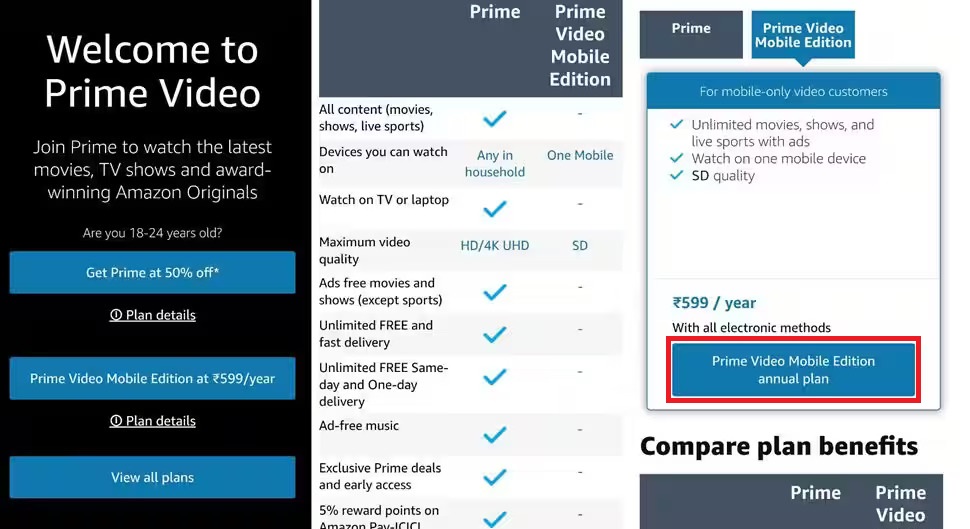
Before diving into payment mechanics, a foundational understanding of Amazon Prime’s cost structure is essential. The service isn’t a one-size-fits-all model; it offers various tiers and payment frequencies that can significantly impact your annual expenditure. Recognizing these options is the first step towards optimized financial planning for your subscription.
Annual vs. Monthly Billing: Which Saves You More?
Amazon Prime typically presents two primary billing cycles: monthly and annually. The annual option almost invariably offers a substantial discount compared to paying month-to-month over a year. For example, a monthly subscription might cost around $14.99, accumulating to nearly $180 per year. Conversely, an annual subscription is often priced around $139. This difference of over $40 per year highlights the immediate financial advantage of committing to an annual plan if you intend to maintain your membership for the long term. From a personal finance perspective, evaluating your expected usage and commitment level is crucial. If you anticipate using Prime for at least 10-12 months, the annual plan is the clear financially prudent choice. However, if your need for Prime is seasonal or temporary, the flexibility of a monthly plan, despite its higher cumulative cost, might align better with your short-term financial needs, allowing you to cancel without losing a significant upfront investment.
Exploring Special Discounts: Student, EBT, and Medicaid Holders
Amazon is committed to making Prime accessible to a broader audience, evidenced by its discounted membership programs for specific demographics. Students, for instance, can often sign up for Prime Student, which provides a significant discount, sometimes as much as 50% off the standard annual rate, along with a six-month free trial. This is an enormous financial boon for college students, helping them manage their budgets while still accessing essential benefits like free shipping for textbooks and study supplies.
Similarly, individuals receiving qualified government assistance like EBT or Medicaid can also access a discounted Prime membership. This usually translates to a monthly fee that is significantly lower than the standard monthly rate, providing a more affordable pathway to Prime’s extensive benefits, including essential goods and groceries, for those on tighter budgets. Eligibility verification is typically required, but the savings are substantial for those who qualify, underscoring Amazon’s efforts to ensure inclusivity. Financial planning should always involve exploring such discounts to optimize spending and ensure accessibility.
Free Trials and Their Financial Implications
Amazon frequently offers free trials for Prime, typically lasting 30 days. While seemingly a risk-free way to experience the service, it carries crucial financial implications. During the sign-up process, users are almost always required to provide a valid payment method. At the conclusion of the free trial, unless explicitly cancelled, the membership automatically converts to a paid subscription at the standard rate, and the provided payment method will be charged.
From a financial literacy standpoint, it’s paramount to set reminders for trial expiry dates. Many consumers inadvertently incur charges because they forget to cancel. This “set it and forget it” mentality, while convenient, can lead to unnecessary expenditures. Proactive management of free trials, including reviewing terms and conditions and marking cancellation dates in a calendar, is a fundamental aspect of smart personal finance.
Sales Tax and Other Hidden Fees
While the core membership fees for Amazon Prime are generally transparent, it’s important to remember that sales tax may apply depending on your geographic location. Sales tax rates vary by state and local jurisdiction, and these additional charges can subtly increase the overall cost of your membership. Amazon, like other online retailers, is obligated to collect sales tax in most regions where it operates.
Beyond sales tax, other “hidden” fees are typically not associated with the Prime membership itself but rather with services accessed through Prime. For instance, while Prime Video offers a vast library of free content, renting or purchasing newer movies and TV shows incurs additional costs. Similarly, some “Prime Exclusive Deals” might require specific conditions or have minimum purchase requirements. A thorough understanding of the terms for any additional services or purchases made within the Amazon ecosystem is key to avoiding unforeseen expenses and maintaining budgetary control.
Navigating Payment Methods for Your Prime Subscription
Once you understand the costs, the next step is to choose and manage your payment method. Amazon offers a variety of ways to pay for Prime, catering to different financial preferences and situations. Effectively managing these methods is critical for uninterrupted service and financial security.
Accepted Payment Methods: Credit Cards, Debit Cards, and Amazon Gift Cards
Amazon’s payment system is designed for broad compatibility. The most common methods include major credit cards (Visa, MasterCard, American Express, Discover, JCB) and debit cards. Using a credit card can offer benefits like purchase protection, reward points, or cashback, making it an attractive option for some, provided the balance is paid off promptly to avoid interest charges. Debit cards offer direct access to funds in your bank account, providing a straightforward payment mechanism without accruing debt.
A less commonly utilized but equally valid payment method is Amazon Gift Cards. You can load funds onto your Amazon account balance using gift cards, and this balance can then be used to pay for your Prime membership. This can be a useful budgeting tool, allowing you to pre-fund your subscription and avoid direct charges to your bank account or credit card. It’s also an excellent way to utilize gift cards you might receive, essentially converting them into a Prime subscription.
Using Bank Accounts for Direct Payments
While less common for recurring subscriptions directly, Amazon Pay allows for linking bank accounts to facilitate purchases. However, for Prime membership specifically, direct bank account debits are not a primary method; instead, debit card payments effectively draw from your bank account. It’s important to distinguish between linking a bank account for general purchases via services like Amazon Pay and the direct debit of a recurring subscription fee. Most users will find using a debit card or credit card linked to their bank account the standard method for Prime.
Managing Multiple Payment Options on Your Amazon Account
Amazon allows users to store multiple payment methods in their account’s digital wallet. This feature is incredibly convenient for financial flexibility. You can designate a primary payment method for your Prime subscription and have backup options ready in case the primary method fails (e.g., an expired credit card or insufficient funds).
To manage your payment methods, navigate to the “Your Payments” section of your Amazon account. Here, you can add new cards, update existing ones, delete old methods, and set a preferred payment method for various types of purchases, including your Prime membership. Keeping this section up-to-date is a crucial financial hygiene practice to prevent service interruptions and ensure charges are applied to the correct source.
Pre-paid Cards and Other Alternatives
For those seeking an alternative to traditional credit or debit cards, or who prefer stricter budgetary control, pre-paid cards can be a viable option. You can load a specific amount onto a pre-paid card and then use it as a payment method for your Prime subscription. This can be particularly useful for individuals who do not have traditional bank accounts, those concerned about online security, or those who want to strictly allocate funds for specific subscriptions.
However, a critical financial consideration with pre-paid cards is ensuring sufficient funds are available at the time of renewal. If the card balance is insufficient, the payment will be declined, potentially leading to a lapse in your Prime membership. Therefore, continuous monitoring and timely reloading of funds are necessary.
Managing Your Prime Membership and Billing Information
Effective financial management of your Amazon Prime subscription extends beyond initial payment. It involves ongoing oversight of your billing information, understanding your payment history, and proactive measures to avoid unexpected charges or service disruptions.
Updating Payment Details: A Step-by-Step Financial Security Check
Payment methods can expire, be lost, or be compromised. Regularly updating your payment details is a fundamental security and convenience measure. To do this, log into your Amazon account, go to “Account & Lists,” then “Your Account,” and select “Your Payments.” Here, you can easily add new cards, edit expiration dates, or change the billing address for existing cards.
Failing to update payment information can lead to declined payments, which might result in a temporary suspension of your Prime benefits until a valid payment method is provided. This can be particularly frustrating if you rely on Prime for timely deliveries or streaming content. From a financial security perspective, regularly reviewing your stored payment methods also allows you to remove any old or unused cards, reducing potential vulnerabilities.
Viewing Past Payments and Billing History

Transparency in billing is a cornerstone of sound financial practice. Amazon provides a clear record of your Prime membership payments. You can access your Prime membership page, typically found under “Account & Lists” > “Your Prime Membership.” Within this section, you’ll find details about your current membership status, renewal date, and a history of past charges.
Reviewing your billing history regularly allows you to verify that the correct amounts are being charged and to spot any discrepancies. This practice aligns with general personal finance principles of auditing your statements and ensuring all transactions are legitimate and accurate.
Setting Up Payment Reminders and Avoiding Unexpected Charges
As mentioned with free trials, automatic renewals are a common feature of subscription services. To avoid unexpected charges, especially if your financial situation changes, setting up personal payment reminders is highly advisable. Many calendar applications, mobile apps, or even simple spreadsheet trackers can be used for this purpose.
Knowing your renewal date allows you to make an informed decision before the charge occurs. You can review your usage, assess the value you’re getting from Prime, and decide whether to continue the subscription, switch to a different plan, or cancel it. This proactive approach is a hallmark of strong financial management, preventing you from paying for services you no longer need or want.
Troubleshooting Payment Issues and Declined Transactions
Occasionally, a payment for your Prime membership might be declined. This can be due to various reasons: an expired card, insufficient funds, a hold by your bank for suspected fraud, or incorrect billing information. When a payment is declined, Amazon will typically notify you via email and through your account.
The first step in troubleshooting is to check the payment method linked to your Prime membership for accuracy (expiration date, card number, billing address). Next, contact your bank or credit card provider to inquire about any holds or issues on their end. Sometimes, a simple re-submission of the payment after updating details is all that’s required. If issues persist, Amazon’s customer service can provide further assistance. Promptly addressing declined payments ensures your Prime benefits are restored quickly and prevents prolonged service interruption.
Strategic Financial Considerations for Amazon Prime
Beyond the mechanics of payment, a deeper financial analysis of Amazon Prime is crucial. Is it a worthwhile investment? How does it fit into your broader financial plan? And how can you extract maximum financial value from your membership?
Is Amazon Prime Worth the Cost? A Cost-Benefit Analysis
The $139 annual fee (or more for monthly) is a significant expense for many households. Determining if Prime is “worth it” requires a personal cost-benefit analysis. Quantify how much you truly utilize its benefits:
- Shipping Savings: Do you order frequently enough (more than 20-30 times a year) to offset the cost of shipping fees you’d otherwise pay?
- Digital Content: Do you regularly use Prime Video, Prime Music, or Prime Reading? How much would you pay for comparable standalone services?
- Exclusive Deals: Do you take advantage of Prime Day or other member-exclusive discounts that genuinely save you money on items you would have bought anyway?
- Other Perks: Do you use Prime Wardrobe, Whole Foods discounts, or other niche benefits?
If the cumulative value of these benefits exceeds the annual cost, then Prime can be considered a financially sound decision. If you only occasionally use one or two features, the cost might outweigh the benefits, suggesting it might be time to reconsider the subscription or explore alternative services.
Budgeting for Your Prime Subscription: Integrating it into Your Personal Finance Plan
For many, subscription services like Prime are a fixed monthly or annual expense that needs to be factored into a personal budget. Treat your Prime membership like any other utility bill or recurring cost. Allocate a specific amount in your budget for “subscriptions” or “entertainment/shopping services.”
If you opt for the annual plan, consider saving a small amount each month (e.g., $11.58 for a $139 annual fee) into a dedicated savings pot so that the lump sum payment at renewal doesn’t strain your finances. For monthly payers, it’s a straightforward line item. Integrating Prime into your budget ensures that this expense doesn’t surprise you and allows you to maintain overall financial control.
Cancelling Your Membership and Understanding Refunds
Should you decide Prime is no longer worth the cost, cancellation is straightforward. Navigate to “Your Prime Membership” on Amazon, and you’ll find options to manage or end your membership.
Crucially, Amazon’s refund policy is fair:
- During a free trial: You can cancel at any time without charge.
- Paid membership (unused): If you cancel within three business days of signing up or converting from a free trial and haven’t used any Prime benefits, you’ll receive a full refund.
- Paid membership (partially used): If you’ve used some benefits (like free shipping or streaming), Amazon might offer a partial refund based on your usage, though this is discretionary.
- Annual renewal: If you cancel an annual membership shortly after it renews and have not used any benefits, you’re likely to receive a full refund.
Understanding these refund policies is vital for minimizing financial loss if your needs or financial situation change.
Avoiding Unnecessary Renewals: Proactive Financial Management
The “auto-renew” feature, while convenient, can lead to unnecessary expenses if you’re not vigilant. To proactively manage your subscription, set your membership to “End at the end of the membership period” rather than “Continue.” This ensures that when your current term expires, it simply won’t renew, giving you complete control over your subscription status without needing to remember to cancel at the last minute. This is a powerful tool for conscious consumption and proactive financial management, preventing you from paying for something you may no longer wish to have.
Leveraging Amazon Prime Benefits for Financial Advantage
Finally, paying for Amazon Prime isn’t just an expense; it can be a tool for smart financial advantage if its benefits are strategically utilized. Understanding how to maximize these perks can turn the membership fee into an investment that yields savings.
Maximizing Free Shipping for Savings
The cornerstone of Amazon Prime is often its free, fast shipping. For frequent online shoppers, this benefit can translate into significant savings, eliminating individual shipping fees that quickly add up. To maximize this, consolidate purchases where possible and be mindful of items that qualify for Prime shipping. Factor in the time saved from not having to visit physical stores, which also has an implicit financial value (fuel costs, parking, time). For busy individuals or those in rural areas, the convenience and cost-effectiveness of Prime shipping can be substantial.
Exclusive Deals and Early Access: Smart Shopping Strategies
Prime members gain access to exclusive deals, lightning deals, and early access to promotions, most notably during events like Prime Day. From a financial perspective, this means an opportunity to purchase items you already planned to buy at a reduced price. The key here is “already planned to buy” – avoid impulsive purchases just because something is on sale. Strategize your larger purchases to align with Prime-exclusive events, and always compare prices with other retailers to ensure you’re getting the best deal. Smart shoppers leverage these deals to save on budgeted expenses, not to encourage unnecessary spending.
Digital Perks: Prime Video, Music, and Reading – Entertainment Value for Money
Beyond shipping, Prime offers a wealth of digital entertainment: Prime Video (movies and TV shows), Prime Music (ad-free music streaming), and Prime Reading (access to a rotating selection of ebooks and magazines). These services, when viewed as standalone products, could easily cost an additional $20-30 per month.
If you regularly use these digital services, they represent significant financial value bundled into your Prime membership. By utilizing Prime Video, for example, you might be able to cancel a separate movie streaming subscription. Similarly, Prime Music could replace a paid music service. Conduct an audit of your other entertainment subscriptions and see where Prime can consolidate or replace them, leading to tangible monthly savings.

Sharing Prime Benefits: Family Accounts and Cost Splitting
Amazon Prime allows for sharing certain benefits with another adult in your household through “Amazon Household.” This feature enables two adults and up to four children to share Prime benefits, including free shipping, Prime Video, and Kindle books. This is a significant financial advantage, as it effectively halves the cost of Prime for two adults who would otherwise pay for separate memberships.
By strategically using Amazon Household, families or roommates can split the annual fee, making the overall cost much more palatable and enhancing the financial efficiency of the subscription. Always ensure all parties understand the implications of sharing an account, particularly regarding payment methods and access to purchase history.
In conclusion, paying for Amazon Prime is more than just a transaction; it’s a financial decision that requires careful consideration. By understanding the various payment options, membership tiers, potential discounts, and strategies for maximizing value, consumers can ensure their Prime membership aligns with their personal financial goals, becoming a smart investment rather than an uncontrolled expense. Proactive management and a clear understanding of the terms can transform “how to pay Amazon Prime” from a simple question into a powerful tool for savvy personal finance.
aViewFromTheCave is a participant in the Amazon Services LLC Associates Program, an affiliate advertising program designed to provide a means for sites to earn advertising fees by advertising and linking to Amazon.com. Amazon, the Amazon logo, AmazonSupply, and the AmazonSupply logo are trademarks of Amazon.com, Inc. or its affiliates. As an Amazon Associate we earn affiliate commissions from qualifying purchases.