
Effectively managing your credit card payments is a cornerstone of sound personal finance. For Capital One cardholders, understanding the various payment methods, optimizing your payment strategy, and leveraging available tools can significantly impact your financial health. Beyond merely settling a bill, timely and strategic payments contribute directly to a robust credit score, minimize interest accrual, and prevent unnecessary fees. This guide delves into the essential aspects of paying your Capital One credit card, empowering you with the knowledge to maintain financial wellness and maximize the benefits of your credit relationship.
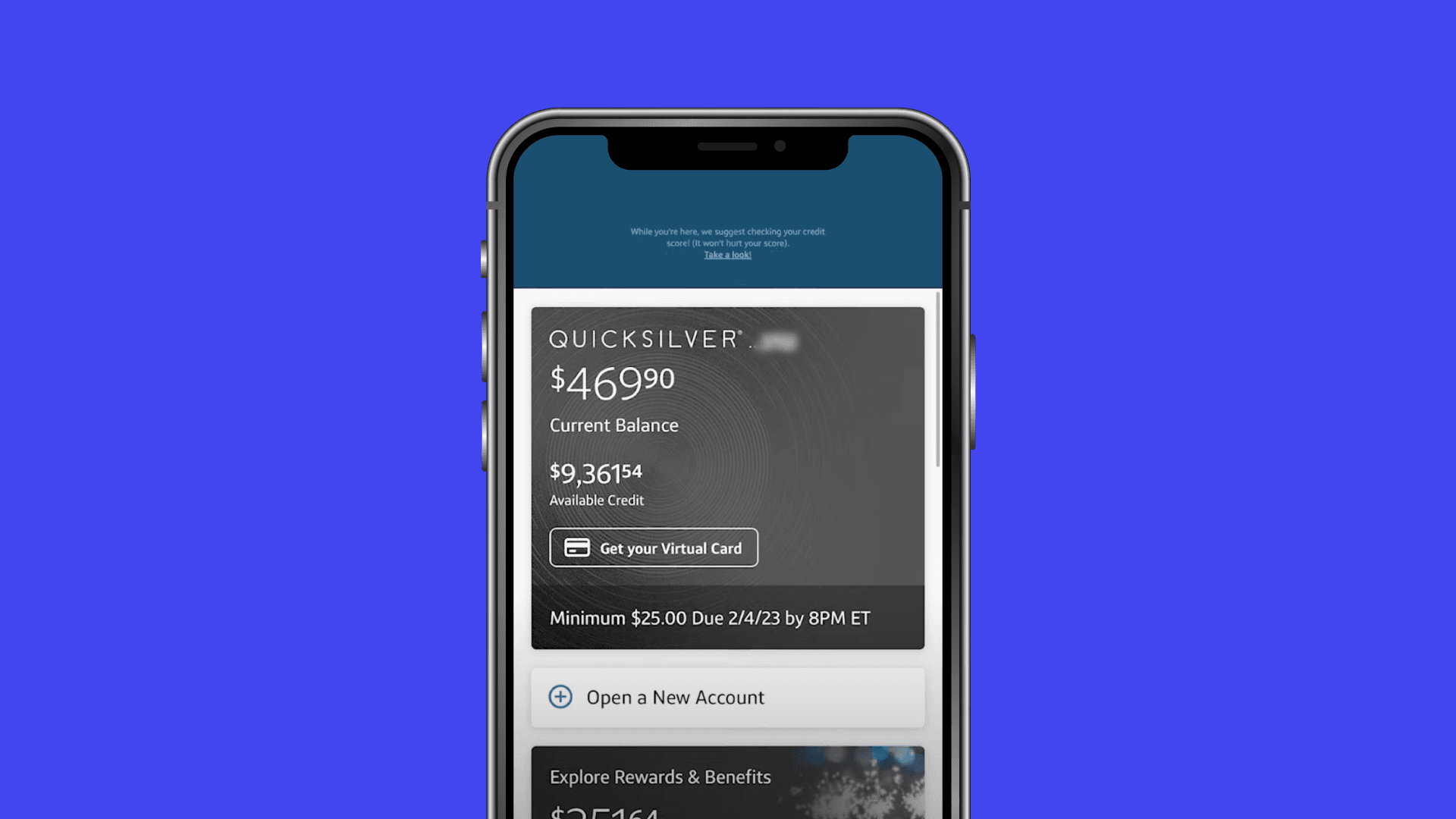
The Foundation of Credit Health: Why Timely Payments Matter
The act of paying your credit card bill on time transcends a simple transaction; it’s a critical component of your financial reputation and future opportunities. For Capital One cardholders, consistent, timely payments are paramount to building and maintaining a strong credit profile.
The Impact on Your Credit Score
Your payment history is the single most influential factor in calculating your credit score, typically accounting for about 35% of your FICO Score. Every payment you make to Capital One, whether on time or late, is reported to the major credit bureaus (Experian, Equifax, and TransUnion).
- Positive Impact: Consistently making payments by the due date demonstrates financial responsibility and reliability. This positive behavior signals to lenders that you are a low-risk borrower, making it easier to qualify for loans (like mortgages or auto loans), secure better interest rates, and even impact things like insurance premiums or rental applications. A strong credit score built on a solid payment history with Capital One can unlock significant financial advantages.
- Negative Impact: Missing a payment, even by a single day, can have immediate and severe repercussions. Payments that are 30 days or more past due are typically reported to credit bureaus, causing a significant drop in your credit score. The longer a payment is delinquent, the more substantial the damage. This negative mark can remain on your credit report for up to seven years, hindering your ability to obtain new credit, rent an apartment, or even secure certain jobs. Understanding this profound impact underscores the importance of never missing a Capital One credit card payment.
Avoiding Fees and Interest Charges
Beyond the credit score implications, timely payments directly affect the financial cost of carrying a credit card balance. Late payments and carrying a balance can quickly erode your financial standing.
- Late Payment Fees: Capital One, like all credit card issuers, imposes late payment fees when payments are not received by the due date. While the specific fee amount can vary, these charges are an avoidable drain on your finances. Repeated late payments can also lead to higher interest rates (penalty APR), further increasing the cost of your credit.
- Interest Charges: If you do not pay your entire statement balance by the due date, Capital One will typically charge interest on the remaining balance. This interest accrues daily from the date of purchase (unless you have a grace period and pay in full each month). By paying your full balance each month, you can avoid interest charges entirely, essentially using the credit card as an interest-free short-term loan. Even if you can’t pay the full balance, paying more than the minimum due reduces the principal balance, which in turn reduces the amount of interest you’ll be charged in subsequent billing cycles. Proactive payment management with your Capital One card is key to minimizing these costs and keeping more money in your pocket.
Navigating Payment Methods: Your Options with Capital One
Capital One provides a range of convenient options for paying your credit card bill, catering to different preferences and situations. Understanding these methods allows you to choose the most efficient and reliable way to ensure your payments are always on time.
Digital Convenience: Online and Mobile App Payments
For most cardholders, digital payment methods offer the utmost convenience, speed, and control. Capital One has invested heavily in robust online and mobile platforms to facilitate easy account management.
How to Set Up One-Time Payments
Making a one-time payment is straightforward through Capital One’s digital channels:
- Log In: Access your account by logging into the Capital One website (capitalone.com) or the Capital One mobile app using your username and password.
- Navigate to Payments: Once logged in, look for a “Payments” or “Pay My Bill” section.
- Select Card and Amount: Choose the specific Capital One credit card you wish to pay. You’ll then have options to pay the statement balance, the minimum due, your current balance, or a custom amount.
- Choose Payment Source: Link a bank account (checking or savings) using its routing and account numbers. You may need to verify this account if it’s your first time using it.
- Confirm and Schedule: Review all the payment details, including the amount, payment source, and desired payment date. You can typically schedule payments for the same day or a future date. Confirm the payment.
- Benefits: Digital payments are instant, provide immediate confirmation, and allow you to precisely control the amount and date of your payment. They are also available 24/7, offering flexibility regardless of bank hours.
How to Manage Recurring Payments (AutoPay)
AutoPay is a powerful tool for ensuring you never miss a payment. It automates the process, withdrawing funds from your designated bank account on or before your due date.
- Access AutoPay Settings: Log into your Capital One account online or via the app. Navigate to the “Payments” section and look for “AutoPay” or “Automatic Payments.”
- Configure Payment Rules: You can typically set AutoPay to:
- Pay the full statement balance each month.
- Pay the minimum amount due each month.
- Pay a fixed custom amount each month.
- Select Payment Source and Date: Choose the bank account you wish to use for AutoPay and confirm the effective date. Capital One will usually provide a clear schedule of when funds will be debited.
- Confirm Activation: Review the details carefully and activate AutoPay. You will receive confirmation that it’s set up.
- Benefits: AutoPay eliminates the risk of late payments due to forgetfulness or busy schedules. It provides peace of mind and ensures consistent positive payment history reporting. However, it’s crucial to ensure your linked bank account always has sufficient funds to cover the AutoPay amount to avoid overdraft fees from your bank or returned payment fees from Capital One. Always monitor your statement even with AutoPay enabled to catch any discrepancies or unexpected charges.
Traditional Approaches: Phone and Mail Payments
While digital methods are increasingly popular, Capital One still supports traditional payment channels for those who prefer them or require specific assistance.
Paying by Phone
You can make a payment over the phone by contacting Capital One’s customer service.
- Dial the Number: Find the customer service number on the back of your credit card or on the Capital One website (typically 1-800-CAPITAL or 1-800-227-4825).
- Follow Prompts: You’ll likely navigate an automated system initially. Have your credit card number, personal information, and bank account details (routing and account numbers) ready.
- Speak with a Representative (if needed): If the automated system doesn’t meet your needs, you can often speak with a customer service representative who can assist with processing your payment.
- Benefits: Phone payments offer human assistance, which can be helpful for complex issues or if you’re having trouble with digital platforms. They can also be a quick option if you’re on the go without internet access.
- Considerations: Be aware of potential hold times, especially during peak hours. Some card issuers might charge a fee for making a payment over the phone with a representative, so it’s wise to confirm this beforehand.
Paying by Mail
For those who prefer a physical paper trail, or if you encounter issues with other methods, paying by mail remains an option.
- Find the Payment Address: The payment address is typically located on your monthly Capital One credit card statement. It’s crucial to use the exact address provided to ensure timely delivery.
- Write a Check or Money Order: Make your check or money order payable to Capital One. Write your full credit card account number on the memo line to ensure it’s applied correctly.
- Include Payment Stub: Detach and include the payment stub from your statement with your check. This helps Capital One process your payment efficiently.
- Mail Early: Allow ample time for your payment to be mailed and processed before your due date. Mail delays can occur, and postmarks are not always considered the payment date. Aim to mail at least 7-10 business days before your due date.
- Benefits: Provides a physical record of the payment and is suitable for those who don’t use online banking.
- Considerations: This is the slowest method and carries the highest risk of being late due to postal service delays. It’s generally not recommended for last-minute payments.
In-Person Payments: When and Where Applicable
While Capital One doesn’t have traditional bank branches, there are still limited options for making in-person payments if necessary.
Using Money Orders or Western Union
Some cardholders may choose to purchase a money order at a post office, grocery store, or other retail location, then mail it to Capital One. Alternatively, some Western Union locations may offer bill pay services for certain creditors, though this typically involves a service fee.
- Considerations: These methods incur additional fees for the money order or service. They still require mailing the payment, introducing the risk of delays.
Paying at a Capital One Cafe or Branch (Limited Availability)
Capital One operates a number of Capital One Cafes in select cities, which combine banking services with a coffee shop atmosphere. Some of these locations may allow you to make credit card payments, often through digital terminals or with the assistance of an ambassador. Additionally, for Capital One 360 customers, there might be options within their limited branch network. However, these are not universal and may not be as accessible as traditional bank branches.
- Recommendation: It’s always best to verify directly with Capital One or the specific Cafe/branch beforehand if you intend to make an in-person payment to ensure they offer this service and to understand any requirements.
Mastering Your Payment Strategy: Best Practices for Capital One Cardholders
Beyond simply knowing how to pay, implementing a strategic approach to your Capital One credit card payments can significantly enhance your financial standing and minimize stress.
Understanding Your Statement and Due Dates
Your monthly Capital One statement is a crucial financial document. It details your transactions, balances, interest charges, minimum payment due, and, most importantly, your payment due date.
- Key Information: Always review your statement for accuracy. Pay attention to your total balance, minimum payment due, and the payment due date. The due date is the absolute last day your payment must be received by Capital One, not just sent.
- Grace Period: Capital One, like most issuers, offers a grace period—a period between your statement closing date and your payment due date—during which no interest is charged on new purchases if you pay your full statement balance by the due date. If you carry a balance, you generally lose this grace period until you pay your balance in full for two consecutive billing cycles. Understanding this incentivizes paying in full whenever possible.
Setting Up AutoPay for Peace of Mind
As discussed earlier, AutoPay is the ultimate safeguard against missed payments.
- Double-Check Settings: Even after setting up AutoPay, periodically log in to confirm it’s still active and configured correctly.
- Monitor Bank Account: Ensure the linked bank account always has sufficient funds to cover the AutoPay amount. Set up low-balance alerts with your bank if possible.
- Consider Paying Full Balance: If your finances allow, always set AutoPay to pay your full statement balance. This prevents interest charges and helps you maintain good credit health.
Making Extra Payments and Paying More Than the Minimum
Paying more than the minimum due is one of the most effective strategies for reducing debt and saving money on interest.
- Accelerate Debt Payoff: Every dollar paid above the minimum goes directly towards reducing your principal balance. This reduces the base on which interest is calculated, leading to significant savings over time.
- Improve Credit Utilization: Paying down your balance also lowers your credit utilization ratio (the amount of credit you’re using compared to your total available credit), which is another significant factor in your credit score. Keeping utilization below 30% (and ideally below 10%) is generally recommended.
- Multiple Payments a Month: Consider making multiple smaller payments throughout the month, especially if you get paid bi-weekly. This can keep your balance lower, reduce accrued interest, and ensure you’re never scrambling for a large lump sum near the due date.
What to Do If You Can’t Pay On Time
Even with the best intentions, financial difficulties can arise. If you anticipate being unable to pay your Capital One bill on time, proactive communication is key.
- Contact Capital One Immediately: Do not wait until after the due date. Call Capital One customer service as soon as you realize you might miss a payment. Explain your situation.
- Explore Options: Capital One may offer hardship programs, deferred payments, or temporary payment arrangements depending on your circumstances. They are more likely to work with you if you initiate contact early.
- Understand Consequences: Be prepared to discuss potential fees and interest accumulation even if an arrangement is made. The goal is to mitigate the long-term damage to your credit and financial standing.
Beyond the Transaction: Proactive Credit Card Management
Paying your Capital One credit card is an ongoing responsibility that requires more than just making a payment once a month. Proactive management involves continuous monitoring and leveraging available resources to stay on top of your finances.
Monitoring Your Account Regularly
Regularly checking your Capital One account statement and activity is a fundamental aspect of responsible credit card management.
- Detect Fraud: Promptly identify any unauthorized transactions or suspicious activity. Reporting fraud quickly helps protect your finances and prevents liability for charges you didn’t make.
- Track Spending: Monitor your spending habits to stay within your budget and avoid overspending. This helps prevent accumulating unmanageable debt.
- Review Payments: Confirm that your payments have been processed correctly and applied to your account. This is especially important for mailed or scheduled payments.
Utilizing Capital One’s Financial Tools
Capital One offers several digital tools designed to help cardholders manage their finances more effectively.
- CreditWise: Capital One’s free CreditWise tool allows you to monitor your credit score and report, get alerts for significant changes, and understand the factors impacting your credit. While it’s not your official FICO score, it provides valuable insights and helps you track the effectiveness of your payment strategies.
- Account Alerts: Set up email or text alerts for various account activities, such as payment due date reminders, large purchases, or when your balance approaches your credit limit. These alerts act as an early warning system, helping you stay informed and preventing surprises.
- Budgeting Features: The Capital One mobile app often includes features that allow you to categorize spending, set budgets, and visualize your financial habits. Integrating these tools into your routine can help you gain better control over your money.
Seeking Assistance: When to Contact Capital One
Don’t hesitate to reach out to Capital One customer service if you have questions, encounter problems, or need clarification on your account.
- Payment Issues: If a payment doesn’t process, you receive a late notice despite paying, or you have questions about a payment, contact them immediately.
- Statement Discrepancies: If you spot an error on your statement, such as an incorrect charge or an uncredited payment, reach out to dispute it.
- Financial Hardship: As mentioned, if you’re facing financial difficulties that impact your ability to pay, proactive communication with Capital One can lead to potential solutions.
- General Inquiries: For questions about your credit limit, interest rates, rewards, or any other account-specific detail, customer service is your primary resource.

Conclusion: Paving Your Path to Financial Wellness
Paying your Capital One credit card is more than just a monthly chore; it’s a strategic act that underpins your entire financial well-being. By understanding the profound impact of timely payments on your credit score and personal finances, utilizing Capital One’s diverse payment options, and adopting best practices like AutoPay and exceeding minimum payments, you take control of your financial destiny. Proactive account monitoring, leveraging Capital One’s financial tools, and knowing when to seek assistance are all integral components of responsible credit card management. Embrace these principles, and you’ll not only efficiently manage your Capital One credit card but also build a solid foundation for a future of financial security and opportunity.
aViewFromTheCave is a participant in the Amazon Services LLC Associates Program, an affiliate advertising program designed to provide a means for sites to earn advertising fees by advertising and linking to Amazon.com. Amazon, the Amazon logo, AmazonSupply, and the AmazonSupply logo are trademarks of Amazon.com, Inc. or its affiliates. As an Amazon Associate we earn affiliate commissions from qualifying purchases.