
Managing your credit obligations effectively is a cornerstone of sound personal finance, and knowing precisely how to handle payments for store-specific cards like the Best Buy Credit Card is a critical aspect of this discipline. Whether you’re leveraging promotional financing for a new appliance or earning rewards on everyday tech purchases, timely payments are essential for maintaining a healthy credit profile and avoiding unnecessary fees. This article delves into the various methods available for paying your Best Buy Credit Card, offering insights into each process and providing strategic advice for responsible card management within the ‘Money’ sphere of personal finance.

The Best Buy Credit Card program, typically managed by Citi Retail Services (though older cards might have been with Synchrony Bank), offers cardholders specific benefits tailored to Best Buy purchases. However, at its core, it functions like any other credit card: it extends a line of credit that must be repaid according to agreed terms. Understanding the options for payment and integrating them into your financial routine is key to maximizing the card’s benefits while minimizing potential pitfalls.
Understanding Your Best Buy Credit Card: A Foundation for Responsible Management
Before delving into the mechanics of payment, it’s crucial to understand the nature of your Best Buy Credit Card and the financial obligations it entails. Best Buy typically offers two main types of credit cards: the My Best Buy® Credit Card (a store card usable only at Best Buy and BestBuy.com) and the My Best Buy® Visa® Card (a co-branded card usable anywhere Visa is accepted, with enhanced rewards at Best Buy). Both require diligent financial management.
Differentiating Between Best Buy Credit Card Offerings
The distinction between the store card and the Visa card primarily impacts where you can use them and the reward structures, but the payment process remains largely similar. Both cards are issued through a financial institution like Citi Retail Services, which is the entity you will directly interact with for payments and account management, not Best Buy itself. Recognizing this distinction helps in navigating the correct online portals or customer service channels. The core financial principle, however, is identical: borrow now, pay later, with interest accruing if the balance isn’t paid in full by the due date. Understanding which card you hold clarifies its utility in your overall financial ecosystem, helping you plan purchases and repayments strategically to avoid overextension.
The Critical Role of Payment Due Dates
Every credit card statement comes with a payment due date. For your Best Buy Credit Card, this date is non-negotiable. Missing it can trigger a cascade of negative financial consequences, including late fees, penalty APRs, and a detrimental impact on your credit score. From a financial perspective, the due date isn’t just a deadline; it’s a critical financial marker that requires pre-emptive action. Financial planning around this date, perhaps by setting reminders or scheduling payments in advance, is a fundamental aspect of responsible credit card usage. The aim is not just to pay, but to pay on time, every time.
Accessing Your Account Information
To make a payment, you’ll first need access to your account information. This typically involves registering your card on the issuer’s website (e.g., Citi Retail Services for Best Buy cards). Once registered, you can view your current balance, minimum payment due, due date, transaction history, and statement details. This online portal serves as your primary financial hub for managing the card, offering transparency into your spending and repayment progress. Regularly reviewing your statements helps in identifying any unauthorized charges, understanding your spending patterns, and confirming that payments have been processed correctly, all vital aspects of personal financial oversight.
Navigating the Payment Landscape: Diverse Options for Your Best Buy Credit Card
Paying your Best Buy Credit Card offers several convenient avenues, each catering to different preferences and situations. Understanding these options allows you to choose the most suitable method that aligns with your financial habits and ensures timely remittance.
Online Payment via Citi Retail Services
The most prevalent and often recommended method for paying your Best Buy Credit Card is through the issuer’s dedicated online portal. For cards managed by Citi Retail Services, this involves logging into your account on the Citi Retail Services website.
-
One-Time Payments: This option allows you to manually schedule a payment from your linked checking or savings account. You can typically choose the amount (minimum, statement balance, current balance, or a custom amount) and the date for the payment to be processed. This method offers flexibility for those who prefer to monitor their finances closely and make decisions each billing cycle. Ensure the bank account details are accurate to avoid failed transactions and potential fees.
-
Autopay Setup: For consistent financial discipline, setting up autopay is an invaluable tool. This feature automatically deducts your chosen payment amount (e.g., minimum payment, full statement balance) from your designated bank account on or before the due date. Autopay significantly reduces the risk of missed payments, safeguarding your credit score and helping you avoid late fees. It’s a cornerstone strategy for effortless financial management and is highly recommended for maintaining a perfect payment history. Always verify the autopay settings and monitor your bank account to ensure sufficient funds are available.
Making Payments by Phone
If online payment isn’t feasible or you prefer speaking with a representative, you can make a payment over the phone. The customer service number for your Best Buy Credit Card will typically be listed on the back of your card, on your monthly statement, or on the issuer’s website. You will need your account number and banking information (account and routing numbers) ready. While convenient, be aware that some issuers might charge a small fee for phone payments made with a live representative, though automated phone payment systems are usually free. This option is particularly useful for urgent payments or when troubleshooting account issues directly with a representative.
Mail-In Payments: Traditional and Reliable
For those who prefer a more traditional approach or do not have consistent internet access, mail-in payments remain a viable option. Your monthly statement will include a payment coupon and the mailing address for remittances. You’ll typically write a check or money order for the payment amount, detach the coupon, and mail them together.
- Consider Lead Time: When using mail-in payments, it is critical to factor in postal delivery times. Payments can take several business days to reach the processing center and be applied to your account. To avoid late fees, it is advisable to mail your payment at least 7-10 days before your due date. This buffer ensures your payment is received and posted in time, reinforcing responsible financial habits.
Utilizing Bank Bill Pay Services
Many banks offer an online bill pay service that allows you to schedule payments to various creditors from a single platform. You can add your Best Buy Credit Card as a payee within your bank’s online banking system, providing your account number and the payment mailing address (usually found on your statement). Your bank will then electronically send the payment or mail a physical check on your behalf. This method centralizes your bill payments, offering a consolidated view of your financial obligations and reducing the need to log into multiple creditor portals. It’s another excellent tool for managing payments efficiently and maintaining financial control.
Strategic Approaches to Best Buy Credit Card Management
Beyond merely making payments, proactive strategies for managing your Best Buy Credit Card are crucial for optimizing your financial health. These approaches move beyond transactional tasks to foster long-term fiscal responsibility.
Setting Up AutoPay: The Ultimate Convenience and Due Date Safeguard
As mentioned, autopay is a powerful tool. Its strategic value lies not just in convenience, but in its ability to prevent human error. Forgetfulness is a leading cause of missed payments, which can severely damage your credit score and incur significant costs. By automating payments for at least the minimum amount (or ideally, the full statement balance), you erect a robust defense against these financial missteps. This allows you to focus on other aspects of your financial plan, secure in the knowledge that your credit card obligations are being met consistently.
Making More Than the Minimum Payment: Accelerating Debt Reduction

A cornerstone of sound personal finance is to pay more than the minimum due whenever possible. The minimum payment is designed to keep you in debt for longer, allowing interest to accumulate significantly over time. By paying the full statement balance each month, you avoid interest charges entirely, effectively making the credit you use interest-free until the next cycle. If paying in full isn’t always possible, paying as much as you can above the minimum will still reduce the principal faster, thereby decreasing the total interest paid and shortening the debt repayment period. This strategy directly impacts your financial freedom and significantly reduces the cost of using credit.
Understanding Promotional Financing Terms
Best Buy often offers special promotional financing, such as “0% APR for 12 months on purchases over $X.” While attractive, it’s vital to understand the terms, particularly “deferred interest.” If the full promotional balance isn’t paid off by the end of the promotional period, all the interest that was deferred from the original purchase date will be retroactively applied to your account. This can result in a hefty, unexpected charge. Strategically, if you use promotional financing, budget rigorously to ensure the entire balance is paid off before the promotional period expires. Treat these offers as a payment plan, not a delay of payment, and integrate them carefully into your financial budgeting.
Monitoring Your Statements and Transactions
Regularly reviewing your Best Buy Credit Card statements and online transaction history is not just about checking your balance; it’s a vital financial security measure. It allows you to:
-
Catch errors: Identify any billing mistakes or discrepancies.
-
Detect fraud: Spot unauthorized charges quickly, which is critical for protecting your finances.
-
Track spending: Gain insight into your spending habits, helping you adhere to your budget and identify areas for adjustment.
This proactive monitoring enables you to maintain control over your expenditures and react promptly to any irregularities, safeguarding your financial well-being.
Budgeting for Your Credit Card Payments
Integrating your Best Buy Credit Card payments into your overall personal budget is paramount. Allocate specific funds each month to cover your credit card obligations. This proactive budgeting prevents last-minute scrambling for funds and ensures you always have the money available when your payment is due. A well-structured budget provides a clear financial roadmap, making credit card payments a seamless, anticipated part of your monthly financial cycle rather than a stressful obligation.
Mitigating Risks: Understanding and Avoiding Missed Payments
The consequences of failing to pay your Best Buy Credit Card on time extend far beyond a simple oversight. From a financial perspective, missed payments are red flags that can have lasting negative effects.
The Immediate Impact of Late Fees
The most immediate consequence of a missed payment is a late fee. These fees, which can be substantial (often up to $41 as of current regulations), are added directly to your outstanding balance, increasing your debt. While seemingly minor in isolation, repeated late fees can accumulate quickly, adding an unnecessary burden to your finances. They represent a direct financial penalty for poor payment discipline.
The Long-Term Repercussions on Your Credit Score
More significantly, a missed payment (typically one that is 30 days or more past due) will be reported to the major credit bureaus. This negative mark can severely damage your credit score, potentially lowering it by dozens of points. A lower credit score can make it harder to qualify for future loans, mortgages, or even rental agreements, and can lead to higher interest rates on any credit you do obtain. The impact of a single late payment can linger on your credit report for up to seven years, underscoring the critical importance of a perfect payment history for long-term financial health.
The Escalation of Interest Charges
If you miss a payment, not only will you incur a late fee, but your outstanding balance will continue to accrue interest. Furthermore, many credit card agreements include a “penalty APR” clause, which means if you miss a payment, your interest rate can dramatically increase, sometimes to over 29%. This higher rate will apply to existing balances and new purchases, making it significantly more expensive to pay off your debt. This escalation can quickly trap individuals in a cycle of growing debt, making it harder to escape.
What to Do if You Anticipate a Missed Payment
If you foresee an inability to make a payment on time, do not wait until after the due date. Proactively contact Citi Retail Services immediately. Explain your situation. While they are not obligated to waive fees or extend deadlines, they may offer solutions like a temporary payment deferral, a revised payment plan, or a waiver of a late fee as a one-time courtesy, especially if you have a good payment history. Open communication is crucial for mitigating damage and finding a path forward that minimizes negative financial consequences.
Leveraging Your Best Buy Credit Card for Financial Advantage
When managed responsibly, your Best Buy Credit Card can be more than just a payment tool; it can be a valuable component of your financial strategy, offering rewards and financing opportunities.
Maximizing Rewards and Benefits
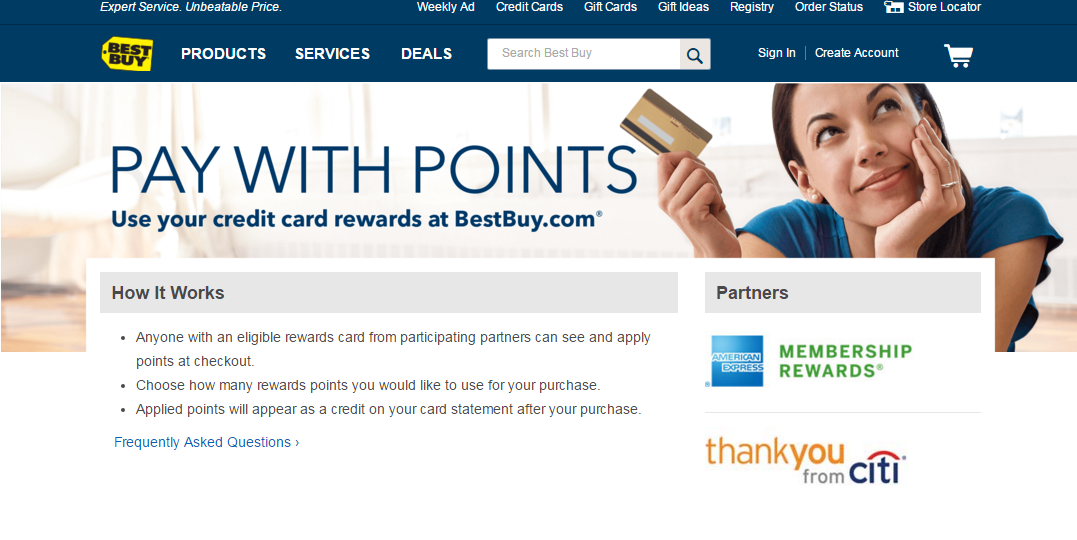
Both versions of the Best Buy Credit Card offer rewards on purchases. The My Best Buy® Visa® Card, in particular, often provides higher reward rates at Best Buy and earns rewards on everyday spending elsewhere. By strategically using the card for purchases where it offers the best rewards, you can accumulate points that convert into Best Buy certificates, effectively providing discounts on future tech and electronics. From a financial standpoint, this translates into tangible savings, enhancing your purchasing power within the Best Buy ecosystem.
Utilizing Promotional Financing Wisely
As discussed, promotional financing can be a double-edged sword. Used wisely, it allows you to make significant purchases (e.g., a new refrigerator or laptop) and pay them off over time without incurring interest, preserving your cash flow for other financial obligations or investments. This can be a smart financial move if you have a clear plan to pay the balance in full before the promotional period ends. However, remember the deferred interest trap. Financial discipline and careful budgeting are paramount to turning these offers into a true advantage rather than a costly mistake.
The Pitfalls of Overspending
The availability of credit, especially with promotional offers, can tempt individuals into overspending. Purchasing items you don’t genuinely need or can’t afford, even with zero interest, is a common financial pitfall. Each purchase, regardless of financing terms, represents a future financial obligation. Overspending on a Best Buy Credit Card can quickly lead to unmanageable debt, negating any rewards earned and creating financial stress. A key part of credit card management is understanding your budget and sticking to it, avoiding the allure of instant gratification that can lead to long-term financial strain.
Balancing Rewards with Responsible Debt Management
The ultimate financial advantage comes from balancing the pursuit of rewards with unwavering responsible debt management. Earning points is beneficial, but never at the cost of incurring interest charges or accumulating debt that you cannot comfortably repay. Always prioritize paying your balance in full and on time over chasing rewards. A high credit score and low debt burden are far more valuable financial assets than a few extra reward points. The Best Buy Credit Card, like any other financial tool, serves your financial goals best when wielded with discipline, foresight, and a clear understanding of its implications.
In conclusion, paying your Best Buy Credit Card is a straightforward process with multiple convenient options, from online portals and autopay to phone and mail. However, the true financial intelligence lies in understanding not just how to pay, but how to manage the card strategically. By adhering to due dates, paying more than the minimum, understanding financing terms, budgeting effectively, and avoiding the traps of overspending, you transform a simple credit card into a valuable financial asset that supports your personal finance goals.
aViewFromTheCave is a participant in the Amazon Services LLC Associates Program, an affiliate advertising program designed to provide a means for sites to earn advertising fees by advertising and linking to Amazon.com. Amazon, the Amazon logo, AmazonSupply, and the AmazonSupply logo are trademarks of Amazon.com, Inc. or its affiliates. As an Amazon Associate we earn affiliate commissions from qualifying purchases.