
Ownership is the fundamental pillar of wealth creation in a modern economy. While many individuals focus on earning a high income through professional services or specialized labor, true financial independence and generational wealth are almost exclusively reserved for those who own productive assets. Owning a company is not merely about having your name on a legal document; it is a strategic financial position that allows you to capture the surplus value generated by labor, technology, and market demand.
In the contemporary financial landscape, there are multiple paths to company ownership. Whether you are building a startup from scratch, acquiring an existing enterprise through a leveraged buyout, or participating in the fractional ownership of global giants through the public markets, the underlying financial principles remain the same. This guide explores the mechanics of business ownership from a financial perspective, detailing how to acquire, structure, and scale a corporate entity.

The Strategic Philosophy of Business Ownership
Before diving into the technicalities of legal structures and financing, one must understand the difference between being self-employed and being a business owner. A self-employed individual owns a job; a business owner owns a system that generates profit independently of their personal labor. Transitioning into the “Owner” category requires a shift in focus from operational tasks to capital allocation and risk management.
The Power of Equity over Income
Income is taxed at the highest rates and is limited by the number of hours you can work. Equity, however, represents a claim on future cash flows. When you own equity in a company, you benefit from two primary financial engines: capital appreciation and distributions (dividends). As the company’s valuation increases due to market growth or improved efficiencies, your net worth grows without a corresponding increase in your tax liability until a liquidity event occurs.
Capital Allocation as a Primary Function
The most successful company owners view themselves as capital allocators. Their primary responsibility is to decide where the company’s profits should go: should they be reinvested in research and development, used to acquire competitors, or distributed to shareholders? Understanding the internal rate of return (IRR) on these choices is what separates profitable owners from those who merely manage a stagnant operation.
Acquiring Established Value: The Buy-Then-Build Model
For many investors, the most efficient path to ownership is not starting a new venture, but acquiring one that already has proven cash flows. This is often referred to as “Entrepreneurship Through Acquisition” (ETA). Buying an existing company mitigates the high failure rate associated with startups while providing an immediate platform for financial growth.
Identifying and Valuing a Target Business
The process begins with identifying industries with “sticky” revenue—businesses that provide essential services with low customer churn. Once a target is identified, the financial valuation typically hinges on a multiple of EBITDA (Earnings Before Interest, Taxes, Depreciation, and Amortization) or SDE (Seller’s Discretionary Earnings). A healthy small-to-mid-sized business might trade at a multiple of 3x to 5x its annual earnings. The goal for the owner is to identify undervalued assets where operational improvements or digital transformation can quickly expand those multiples.
Leveraging the Capital Stack
One of the most powerful tools in company ownership is the use of leverage. Through programs like the Small Business Administration (SBA) 7(a) loan in the United States, or similar commercial lending structures globally, an individual can often acquire a company with as little as 10% down.
For example, to own a company generating $500,000 in annual profit, valued at $2 million, an investor might only need $200,000 in personal capital. The remaining $1.8 million is financed through debt. If the company’s cash flow covers the debt service and still provides a profit, the owner’s Return on Equity (ROE) is significantly magnified compared to a cash purchase.
Due Diligence: Protecting the Investment
Ownership comes with liabilities. Financial due diligence is the process of verifying that the company’s books are accurate and that there are no “skeletons” in the balance sheet. This involves auditing tax returns, bank statements, customer contracts, and accounts payable/receivable. A sophisticated owner looks for “concentration risk”—where one customer represents too much of the revenue—and ensures that the company’s intellectual property and brand assets are legally secured.
Ownership via the Capital Markets: Investing in Public Equity

Not every individual wants to manage the day-to-day operations of a private firm. The public markets offer a streamlined path to owning the world’s most profitable companies with high liquidity and low entry barriers. When you purchase a share of a publicly-traded corporation, you are a legal owner of that entity, entitled to a portion of its earnings and a vote on its governance.
The Role of Fractional Ownership
In the past, owning a significant stake in a major company required massive capital. Today, through fractional shares and low-cost brokerage platforms, an investor can build a diversified portfolio of ownership across various sectors. This “passive ownership” model allows an individual to participate in the growth of the global economy without the operational risks of running a private business.
Dividend Growth Investing
A specific strategy within public ownership is focusing on “Dividend Aristocrats”—companies that have consistently increased their dividend payouts for decades. By owning these companies, an investor creates a compounding machine. Reinvesting those dividends allows the owner to acquire more shares, which in turn generate more dividends. Over time, the yield on the original cost of investment can reach double digits, providing a stable source of passive income that grows faster than inflation.
Public vs. Private Ownership Pros and Cons
While public ownership offers liquidity (the ability to sell your stake instantly), it often comes with lower control and lower potential returns compared to owning a private company. Private ownership offers the “illiquidity premium”—the higher potential return expected because your money is locked up and you are taking on direct operational responsibility. A balanced financial strategy often involves a mix of both: owning a private enterprise for high-growth cash flow and public equities for stability and liquidity.
Structural Foundations: Legal and Financial Frameworks
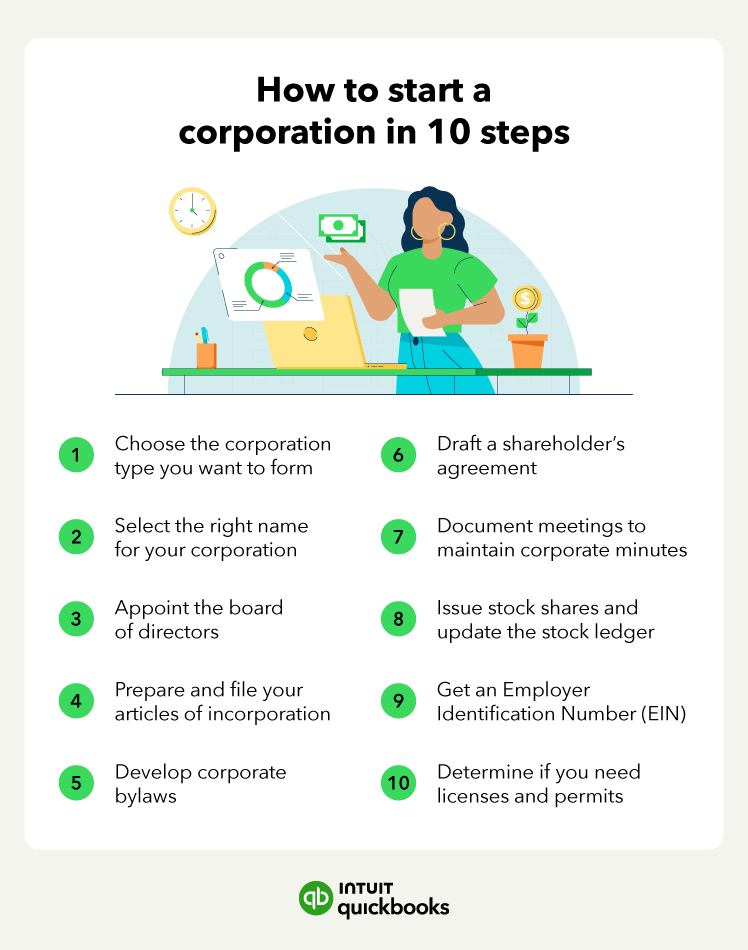
How you own a company is just as important as what company you own. The legal structure of your ownership determines your personal liability, your tax obligations, and your ability to raise capital or sell the entity in the future.
Choosing the Right Legal Entity
- Limited Liability Company (LLC): The most flexible structure for many owners. It protects personal assets from business liabilities and offers “pass-through” taxation, meaning the company’s profits are reported on the owner’s personal tax return, avoiding double taxation.
- C-Corporation: Essential for businesses that plan to go public or seek venture capital. While it faces double taxation (once at the corporate level and again on dividends), it allows for complex share structures and is the preferred entity for institutional investors.
- S-Corporation: A tax designation for corporations that meet specific IRS requirements. It allows the owner to save on self-employment taxes by splitting income between a “reasonable salary” and business distributions.
The Importance of the Cap Table
In companies with multiple owners or investors, the Capitalization Table (Cap Table) is the most critical financial document. It tracks who owns what percentage of the company, the value of their equity, and how that ownership is diluted when new shares are issued. As a company grows and takes on investment, the original founder’s ownership percentage will decrease, but the goal is to own a smaller piece of a significantly larger and more valuable pie.
Tax Optimization Strategies
Successful owners work closely with tax professionals to utilize strategies like Section 1202 (Qualified Small Business Stock), which, under certain conditions, allows owners to exclude up to 100% of the gain from the sale of their company from federal taxes. Understanding how to leverage depreciation, research and development credits, and deductible business expenses is vital for maximizing the net profit that actually reaches the owner’s pocket.
Scaling and Protecting the Asset: Advanced Financial Management
Once ownership is established, the focus shifts to protecting the asset and ensuring its long-term viability. This requires a transition from basic accounting to sophisticated financial management.
Cash Flow Management and Working Capital
A company can be profitable on paper but still fail if it runs out of cash. Owners must master the “Cash Conversion Cycle”—the time it takes to turn an investment in inventory or labor back into cash from sales. Managing accounts receivable and negotiating better terms with suppliers can free up “hidden” capital within the business that can be used for expansion without taking on additional debt.
Risk Mitigation and Insurance
Ownership involves inherent risks: lawsuits, market downturns, and loss of key personnel. Professional owners mitigate these through comprehensive insurance packages, including General Liability, Professional Indemnity, and “Key Person” insurance. Furthermore, diversifying the company’s revenue streams ensures that the failure of one product line or the loss of one major client does not jeopardize the entire entity.
Exit Strategies: The Ultimate Payday
Every owner should have an exit strategy from the day they acquire or start a company. Whether the plan is to pass the business to the next generation, sell to a private equity firm, or merge with a competitor, the goal is to maximize the “exit multiple.” Preparing for an exit involves cleaning up financial records, institutionalizing processes so the business isn’t dependent on the owner, and building a strong management team.
In the world of finance, the ultimate success of owning a company is realized when the asset is sold, converting years of hard work and strategic reinvestment into a significant liquidity event. By treating ownership as a disciplined financial practice rather than just a job, an individual can transform their economic reality and secure a place in the ownership class.
aViewFromTheCave is a participant in the Amazon Services LLC Associates Program, an affiliate advertising program designed to provide a means for sites to earn advertising fees by advertising and linking to Amazon.com. Amazon, the Amazon logo, AmazonSupply, and the AmazonSupply logo are trademarks of Amazon.com, Inc. or its affiliates. As an Amazon Associate we earn affiliate commissions from qualifying purchases.