
The dream of owning a business is a powerful one, often fueled by the desire for independence, financial freedom, and the opportunity to build something truly impactful. However, transforming this dream into a tangible reality hinges fundamentally on a deep understanding and masterful application of financial principles. This isn’t just about having an innovative idea; it’s about meticulously planning, securing, managing, and growing the financial lifeblood of your enterprise. Owning a business is, at its core, a significant financial undertaking, requiring foresight, discipline, and a strategic approach to capital. This guide delves into the essential financial facets of business ownership, equipping aspiring and current entrepreneurs with the knowledge to build a robust and sustainable venture.

The Financial Foundation: Preparing for Business Ownership
Before the first product is sold or service rendered, the financial groundwork must be laid. This initial phase is critical, dictating the viability and trajectory of your entrepreneurial journey.
Assessing Personal Financial Readiness
Embarking on business ownership often requires personal sacrifice and a reevaluation of your financial stability. It’s crucial to understand your current financial health, including savings, existing debts, and monthly expenses. How long can you sustain yourself without a steady income stream from the business? What is your personal risk tolerance? Many entrepreneurs bootstrap their initial ventures, meaning they self-fund using personal savings, credit cards, or loans from family and friends. A clear picture of your personal balance sheet will inform your business decisions and set realistic expectations for your early entrepreneurial phase. Establishing a personal emergency fund separate from your business capital is a non-negotiable step to mitigate personal financial stress during lean periods.
Funding Your Venture: Initial Capital Requirements
Every business, regardless of its scale, requires initial capital. This startup capital covers everything from legal registration fees, licenses, and permits to equipment purchases, inventory, marketing, and operational expenses before revenue streams become consistent. A detailed breakdown of these projected costs is essential. Will you need a physical location? What technology infrastructure is required? What about initial salaries or contractor fees? Understanding these “burn rate” components allows you to calculate the precise amount of capital needed to launch and sustain operations until profitability. This calculation will then guide your search for funding sources, ensuring you don’t underestimate your needs and face a cash crunch prematurely.
Crafting a Robust Business Plan with Financial Projections
A business plan is more than just a blueprint for operations; it’s a critical financial document. The financial section of your business plan is arguably the most scrutinised, especially by potential investors and lenders. It must include detailed startup costs, projected profit and loss statements, cash flow forecasts for at least 3-5 years, and a break-even analysis. The profit and loss statement (P&L) forecasts revenue against expenses to determine projected profitability. Cash flow projections, often overlooked, are vital as they illustrate the movement of money in and out of the business, highlighting potential liquidity issues even if the business is technically profitable. A break-even analysis helps identify the sales volume needed to cover all costs, providing a crucial benchmark for early performance. These projections must be realistic, well-researched, and supported by market data to build credibility.
Navigating Funding and Capital Acquisition
Securing the necessary capital is often the most daunting challenge for new business owners. The choice of funding mechanism significantly impacts ownership structure, control, and future financial obligations.
Traditional vs. Alternative Financing Options
The landscape of business financing is diverse. Traditional options include conventional bank loans, often requiring a solid business plan, collateral, and a proven track record (which can be a hurdle for startups). The Small Business Administration (SBA) in the U.S. offers various loan programs that reduce risk for lenders, making it easier for small businesses to qualify. For high-growth, scalable businesses, venture capital firms and angel investors provide significant capital in exchange for equity, offering not just money but also mentorship and industry connections. Alternative options are growing in popularity, including crowdfunding platforms (equity or reward-based), peer-to-peer lending, and lines of credit. Each option has its own set of criteria, benefits, and drawbacks regarding interest rates, repayment terms, and equity dilution.
Understanding Equity vs. Debt Financing
This is a fundamental choice for any business owner. Debt financing involves borrowing money that must be repaid, typically with interest, within a specific timeframe. The lender does not gain ownership in the company, and the original owner retains full control. Examples include bank loans, lines of credit, and bonds. Equity financing, conversely, involves selling a portion of your company’s ownership (shares) in exchange for capital. Investors become part-owners and share in the company’s profits and potential growth. While equity financing doesn’t require repayment and provides strategic partners, it dilutes the original owner’s control and future earnings potential. The optimal mix often depends on the business’s stage, growth potential, and the owner’s willingness to share control.
Grant Opportunities and Incubator Support
For specific types of businesses, particularly those in innovative sectors, non-profit organizations, or those addressing social needs, grants can be an excellent source of non-dilutive funding. Grants do not need to be repaid and do not require giving up equity. However, they are often highly competitive and come with stringent reporting requirements. Business incubators and accelerators also offer a blend of funding (often in exchange for a small equity stake), mentorship, office space, and networking opportunities. These programs can be invaluable for early-stage companies, providing not just capital but also a supportive ecosystem to refine business models and accelerate growth.
Managing Business Finances for Sustainable Growth
Once capital is secured and operations commence, diligent financial management becomes the cornerstone of sustainable success. This ongoing process ensures the business remains solvent, profitable, and poised for expansion.

Essential Financial Management Practices
Effective financial management is a continuous cycle of planning, monitoring, and adjusting. This includes rigorous budgeting, where anticipated revenues are allocated to specific expenses, and actual spending is tracked against these forecasts. Robust cash flow management is paramount; even profitable businesses can fail due to poor cash flow if they cannot meet short-term obligations. Implementing clear expense tracking systems, whether through manual ledgers or accounting software, is vital for understanding where money is going. Regular bookkeeping ensures all transactions are recorded accurately and systematically, forming the basis for financial reporting and tax compliance. These practices not only provide clarity but also enable data-driven decision-making.
Pricing Strategies and Revenue Optimization
Determining the right price for your products or services is a delicate balance. Pricing too low can undervalue your offering and lead to insufficient margins, while pricing too high can deter customers. Common strategies include cost-plus pricing (adding a markup to production costs), value-based pricing (setting prices based on perceived customer value), and competitive pricing (matching or beating competitor prices). Beyond initial pricing, owners must continually seek ways to optimize revenue streams. This might involve exploring recurring revenue models (subscriptions), upselling complementary products, cross-selling related services, or diversifying product lines. Understanding customer lifetime value (CLV) also helps in making strategic investments in customer acquisition and retention.
Profitability Analysis and Key Financial Metrics
A business owner must regularly assess the financial health of their venture. This involves analyzing key financial statements – the P&L, balance sheet, and cash flow statement – and interpreting various financial ratios. Gross margin (revenue minus cost of goods sold) indicates the profitability of your core offerings. Net profit margin (net income divided by revenue) shows the overall efficiency of the business after all expenses. Return on Investment (ROI) measures the effectiveness of an investment. Metrics like customer acquisition cost (CAC) and burn rate (the rate at which a company spends money before generating positive cash flow) provide insights into operational efficiency and runway. Consistent monitoring of these metrics allows owners to identify trends, pinpoint areas for improvement, and make informed strategic adjustments to enhance profitability.
Protecting Your Investment and Planning for the Future
Owning a business involves continuous vigilance, not just in day-to-day operations but also in safeguarding your assets and planning for long-term viability and eventual succession.
Risk Management and Insurance
Every business faces a myriad of risks, from property damage and liability claims to cyberattacks and business interruptions. A comprehensive risk management strategy involves identifying potential risks, assessing their impact, and developing mitigation plans. Business insurance is a critical component of this strategy, covering areas such as general liability, property, professional liability (E&O), workers’ compensation, and cyber liability. Adequate insurance coverage protects your financial investment in the business and shields your personal assets from potential lawsuits or catastrophic events. Beyond insurance, establishing financial contingency plans, such as maintaining a cash reserve for emergencies, is essential for weathering unforeseen challenges.
Tax Planning and Compliance
Tax obligations are a significant financial consideration for any business owner. Understanding the various types of business taxes – income tax, payroll tax, sales tax, property tax – and ensuring timely compliance is crucial to avoid penalties and legal issues. The choice of business legal structure (sole proprietorship, LLC, S-Corp, C-Corp) has profound implications for how taxes are filed and how personal and business liabilities are separated. Proactive tax planning, often in consultation with a qualified accountant, can identify legitimate deductions, credits, and strategies to minimize tax liabilities while remaining fully compliant with all local, state, and federal regulations. This strategic approach ensures that more of the earned revenue remains within the business or in the owner’s pocket.
Valuing Your Business and Exit Strategies
From the outset, business owners should consider the long-term future, including potential exit strategies. Whether you plan to sell the business, pass it on to family, or simply liquidate assets, understanding its current and potential valuation is key. Business valuation methodologies include asset-based valuation, market multiples (comparing to similar businesses), and discounted cash flow analysis. Having a clear exit strategy in mind can influence financial decisions, such as reinvestment policies, debt management, and growth initiatives, aligning them with the ultimate goal. Succession planning ensures a smooth transition of leadership and ownership, preserving the value built over years of hard work.
Leveraging Financial Tools and Professional Guidance
In today’s complex financial landscape, business owners don’t have to navigate everything alone. A wealth of tools and professional expertise exists to support financial management.
Essential Financial Software and Platforms
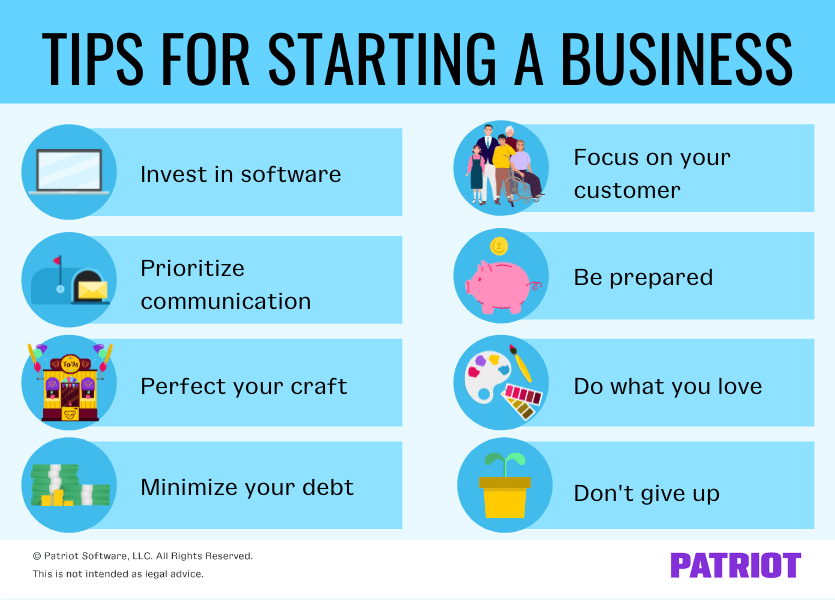
Technology has revolutionized business finance, making sophisticated tools accessible to businesses of all sizes. Cloud-based accounting software like QuickBooks, Xero, or FreshBooks streamlines bookkeeping, expense tracking, invoicing, and financial reporting, providing real-time insights. Payment processors such as Stripe, PayPal, or Square facilitate secure transactions and manage online sales. Payroll systems automate salary payments, tax withholdings, and compliance. Budgeting and forecasting tools can help create more accurate financial projections and monitor performance against plans. Embracing these technologies enhances efficiency, reduces manual errors, and provides critical data for informed decision-making.
The Role of Financial Advisors and Accountants
While software automates tasks, the strategic insights and expertise of financial professionals are invaluable. A qualified accountant or bookkeeper can manage day-to-day transactions, prepare financial statements, ensure tax compliance, and offer advice on expense categorization and tax deductions. A financial advisor, particularly one specializing in business finance, can provide strategic guidance on capital structure, investment opportunities, risk management, and long-term financial planning. They can help analyze market trends, interpret complex financial data, and develop strategies for growth, profitability, and wealth creation, freeing the owner to focus on core business operations.
Continuous Financial Education for Business Owners
The financial world is dynamic, with constant changes in regulations, market conditions, and economic trends. A successful business owner is committed to continuous learning in financial management. This can involve reading industry publications, attending workshops, participating in online courses, or joining professional networks. Staying abreast of best practices, new financial tools, and economic indicators empowers owners to adapt their strategies, anticipate challenges, and seize new opportunities. This ongoing commitment to financial literacy is a distinguishing characteristic of resilient and prosperous entrepreneurs.
Owning a business is an exhilarating journey, but its long-term success is inextricably linked to sound financial management. From the initial capital infusion to daily cash flow, strategic investments, and eventual exit, every decision has a financial implication. By diligently establishing a robust financial foundation, intelligently acquiring capital, meticulously managing day-to-day finances, proactively planning for risks, and continuously educating themselves, business owners can transform their visions into enduring, financially thriving enterprises.
aViewFromTheCave is a participant in the Amazon Services LLC Associates Program, an affiliate advertising program designed to provide a means for sites to earn advertising fees by advertising and linking to Amazon.com. Amazon, the Amazon logo, AmazonSupply, and the AmazonSupply logo are trademarks of Amazon.com, Inc. or its affiliates. As an Amazon Associate we earn affiliate commissions from qualifying purchases.