
In an increasingly digital financial landscape, the notion of ordering physical checks might seem like a relic of a bygone era. Yet, for many individuals and businesses, checks remain an indispensable financial instrument. Whether it’s for rent payments, contractor services, gift-giving, or simply as a reliable backup, having a supply of checks from your primary bank, like Chase, is often a practical necessity. This comprehensive guide will walk you through everything you need to know about ordering checks from Chase, integrating this process seamlessly into your broader personal and business finance strategy.
Understanding Why You Still Need Checks in a Digital Age
While apps, online transfers, and debit cards have revolutionized how we manage money, the complete abandonment of paper checks has not materialized. Their continued relevance stems from specific scenarios where they offer unique advantages, making them a vital component of a well-rounded financial toolkit.
Essential for Specific Payments and Transactions
Certain transactions inherently favor or even mandate the use of paper checks. Landlords, for instance, often prefer or require checks for rent payments, providing a clear paper trail and avoiding processing fees associated with digital platforms. Similarly, many small businesses, contractors, or service providers might not have advanced digital payment infrastructure, making checks the most convenient and sometimes only option. Court fees, utility deposits, or transactions with government agencies often fall into this category as well. For these situations, checks aren’t just an option; they’re a necessity, ensuring smooth and compliant transactions where digital alternatives may not suffice or be accepted.
Security and Record-Keeping Advantages
Beyond their utility, checks offer specific security and record-keeping benefits. When written correctly, a check provides a physical, dated, and signed record of payment, offering tangible proof for both the payer and payee. This robust paper trail can be invaluable for budgeting, tax preparation, and resolving financial disputes. Furthermore, while digital payments are susceptible to cyber threats and data breaches, a physical check, when handled securely, carries a different set of risks and protections. Chase, like other major banks, incorporates various security features into its checks, such as microprinting, watermarks, and chemical protective papers, to deter fraud. Understanding these features and maintaining meticulous records of your check usage contributes significantly to your overall financial security.
Bridging the Digital Divide
Not everyone is fully integrated into the digital financial world. Elderly relatives, individuals without reliable internet access, or those simply preferring traditional methods may rely on checks for sending and receiving money. As a financial tool, checks serve to bridge this digital divide, enabling transactions to occur across varying levels of technological adoption. For personal finance, this means you can accommodate a wider range of recipients, ensuring your payments are always deliverable, regardless of the payee’s digital capabilities. This flexibility underscores why checks, despite their age, remain a surprisingly modern solution for a diverse financial ecosystem.
Navigating Chase’s Check Ordering Options
Chase, being one of the largest financial institutions, understands the diverse needs of its customers. Consequently, they offer multiple convenient avenues for ordering checks, ensuring you can choose the method that best suits your comfort level and schedule. Each option has its unique advantages, from the speed of online ordering to the personalized touch of in-branch assistance.
Online Banking: The Most Convenient Route
For the vast majority of Chase customers, ordering checks through their online banking portal or the Chase Mobile app is by far the most efficient and straightforward method. This digital pathway allows you to place an order at any time, from anywhere, without needing to speak to a representative. Once logged into your secure account, you can typically find the “Order Checks” option under your checking account details or within the ‘Account Services’ section. The online platform guides you through customization options, quantities, and shipping preferences, often pre-populating your account information to minimize errors. This method not only saves time but also provides real-time updates on your order status, making it a preferred choice for busy individuals managing their finances.
Phone Support: A Personal Touch
If you prefer speaking directly with a representative or have specific questions about your order, Chase’s customer service phone line is an excellent alternative. By calling the number listed on the back of your debit card or on Chase’s official website, you can connect with a banking specialist who can assist you with placing a check order. This method is particularly useful if you need to clarify specific design options, inquire about different check types (e.g., standard, business, wallet, duplicate), or have any special requests that might not be easily managed through the online portal. While it might take a bit longer than ordering online due to potential wait times, the benefit of personalized assistance and direct answers to your financial queries can be invaluable.
In-Branch Assistance: For Direct Support
For those who prefer face-to-face interaction or need assistance with more complex scenarios, visiting a Chase branch is always an option. A banking associate can help you navigate the ordering process, show you samples of different check designs, and answer any questions about your account in person. This method is ideal if you’re setting up a new account and need to order checks for the first time, have specific identification or verification requirements, or simply appreciate the assurance of direct human interaction. While it requires a trip to a physical location during business hours, the peace of mind and comprehensive support offered by an in-branch visit can be a significant advantage for certain customers.
Third-Party Providers: Weighing the Alternatives
While Chase strongly encourages customers to order checks directly through their official channels, some third-party check printing services exist. These providers often advertise lower prices or a wider range of designs than what your bank might offer. However, when considering third-party options for something as critical as your financial instruments, caution is paramount. Ordering checks from an external source introduces potential security risks, as you would be entrusting your sensitive bank account and routing information to a non-bank entity. Moreover, checks printed by third parties might not always meet the exact specifications or security standards of Chase, potentially leading to issues with processing. For peace of mind and guaranteed compatibility, it is generally advisable to order checks directly from Chase or through their approved vendors. The slightly higher cost, if any, is often a worthwhile investment in security and reliability.
Step-by-Step Guide to Ordering Checks Online with Chase
Ordering checks online through Chase is designed to be a straightforward and secure process. By following a few simple steps, you can customize and order your new checks efficiently, ensuring you have the necessary tools for your financial transactions.
Logging In and Locating the Service
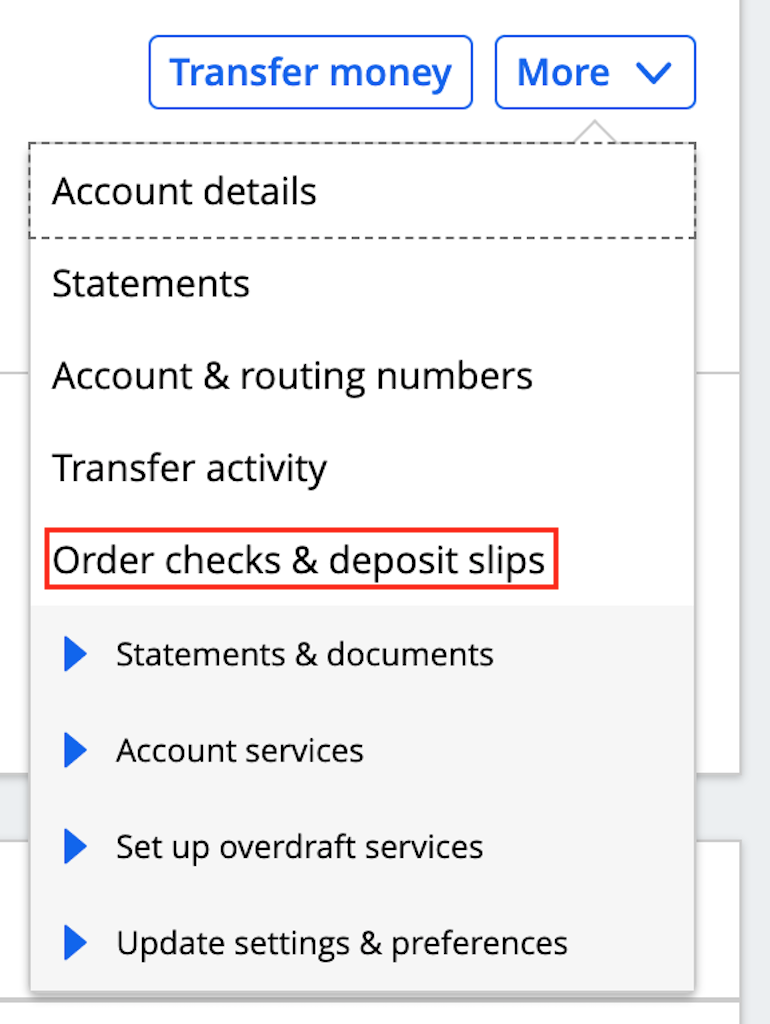
The first step is to securely log into your Chase Online Banking account. Navigate to Chase.com or open your Chase Mobile app. Enter your username and password, and complete any two-factor authentication prompts for added security. Once logged in, you’ll see an overview of your accounts. To find the check ordering service, typically:
- Select the checking account for which you want to order checks.
- Look for an option labeled “Order Checks & Deposit Slips,” “Account Services,” or a similar phrase, often found within the account details or a dropdown menu.
- Clicking this link will usually redirect you to Chase’s official check ordering partner, Harland Clarke, or an integrated Chase portal.
This initial navigation ensures you are on a secure and authorized platform for managing your account details and ordering financial instruments.
Customization Options: Personalization and Security Features
Once you’re on the check ordering page, you’ll be presented with various customization options. This is where you can personalize your checks to your preferences and enhance their security.
- Design and Style: Choose from a range of designs, from standard professional layouts to more decorative options. Some designs might feature specific themes, colors, or patterns.
- Personal Information: Verify that your name, address, and contact information are correct as they will appear on the checks. This is crucial for both identification and security.
- Check Type: Select the type of checks you need – standard personal checks, duplicate checks (which provide a carbon copy for your records), or specialized business checks if applicable.
- Security Features: Chase checks come with built-in security features. While you might not “add” more in terms of physical features, understanding the existing ones (like microprinting, security warning boxes, etc.) helps appreciate the protection. You might have options for “EZShield” or similar fraud protection services for an additional fee, which can be a valuable addition for financial peace of mind.
- Accessories: You may also have the option to order matching deposit slips, check registers, or checkbook covers. These accessories can aid in better financial organization and protection of your physical checks.
Take your time reviewing these options to ensure your checks meet both your aesthetic preferences and practical needs for financial management.
Reviewing Your Order: Accuracy is Key
Before finalizing your purchase, you will be presented with a comprehensive summary of your order. This is arguably the most critical step. Carefully review every detail:
- Account Number and Routing Number: Ensure these crucial numbers are correct. Incorrect numbers could lead to checks bouncing or funds being deposited into the wrong account, causing significant financial headaches.
- Personal Information: Double-check your name, address, and phone number for any typos.
- Check Design and Quantity: Confirm you’ve selected the correct design, style, and the number of check boxes you intended to order.
- Total Cost: Verify the total cost, including any shipping fees or additional services like fraud protection.
- Shipping Address: Make sure the checks will be sent to the correct and secure delivery address.
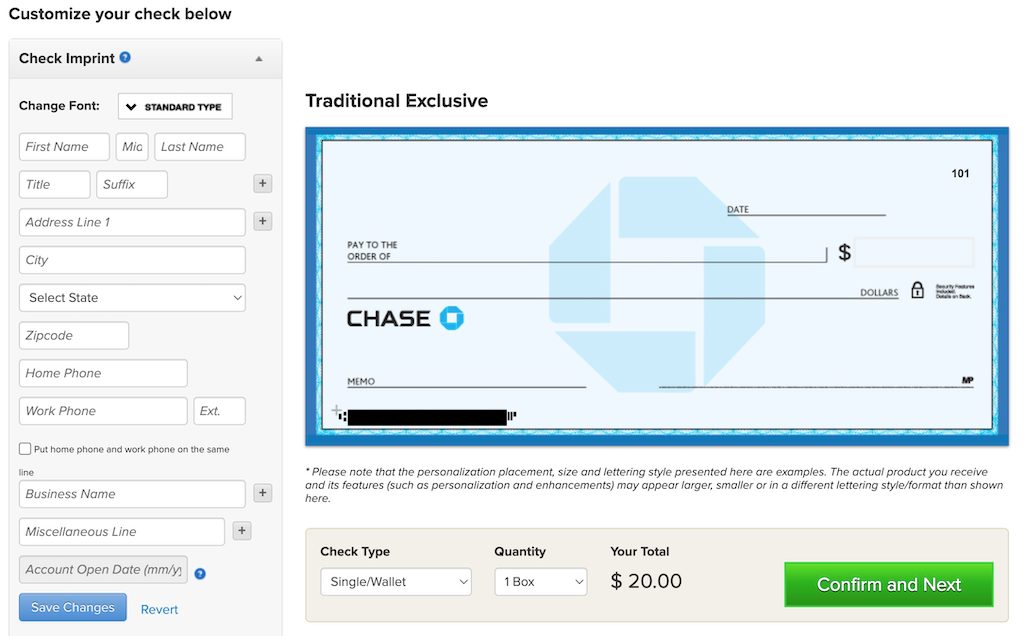
Any error at this stage could result in unusable checks or delivery issues, requiring a potentially lengthy and frustrating reordering process. Precision here is paramount for effective financial operations.
Payment and Delivery: What to Expect
Once you’ve meticulously reviewed your order and are confident in its accuracy, you’ll proceed to payment and delivery.
- Payment: Chase typically charges the cost of checks directly to the checking account from which you are ordering. The amount will be clearly displayed before you confirm the transaction.
- Delivery: You’ll usually have several shipping options, ranging from standard ground shipping to expedited services for an additional fee. Standard delivery generally takes 7-10 business days, while expedited options can reduce this to a few days. The estimated delivery date will be provided.
- Tracking: For most orders, you will receive a confirmation email with a tracking number once your checks have shipped. This allows you to monitor the delivery progress and anticipate their arrival.
Upon receiving your checks, store them in a secure location immediately. Do not leave them unattended in your mailbox or on your doorstep. This final step completes the process, equipping you with a fresh supply of checks for your financial needs.
Costs, Security, and Considerations When Ordering Checks
While the process of ordering checks from Chase is relatively straightforward, it’s essential to be aware of the associated costs, security measures, and what to do once your checks arrive. These considerations play a significant role in prudent financial management.
Understanding the Associated Fees
Checks are not typically free, especially if you want a specific design or a larger quantity. The cost of ordering checks from Chase can vary based on several factors:
- Account Type: Some premium checking accounts or business accounts might offer a certain number of free checks per year or at a discounted rate. Review your account’s terms and conditions or speak with a Chase representative to understand if you qualify for any waivers or discounts.
- Check Style and Quantity: Basic, standard checks are usually the least expensive option. Custom designs, unique themes, or specialty checks (like duplicate checks) often come with a higher price tag. Naturally, ordering a larger quantity (e.g., 200 checks versus 100) will also increase the total cost, though the per-check price might be lower in bulk.
- Shipping Costs: Expedited shipping options will add to the overall expense.
- Security Features/Add-ons: Services like identity protection or fraud monitoring, if offered as an add-on during the ordering process, will incur additional fees.
Factor these costs into your budget, recognizing that they are a legitimate expense for maintaining a fully functional checking account and ensuring financial flexibility.
Enhancing Check Security Features
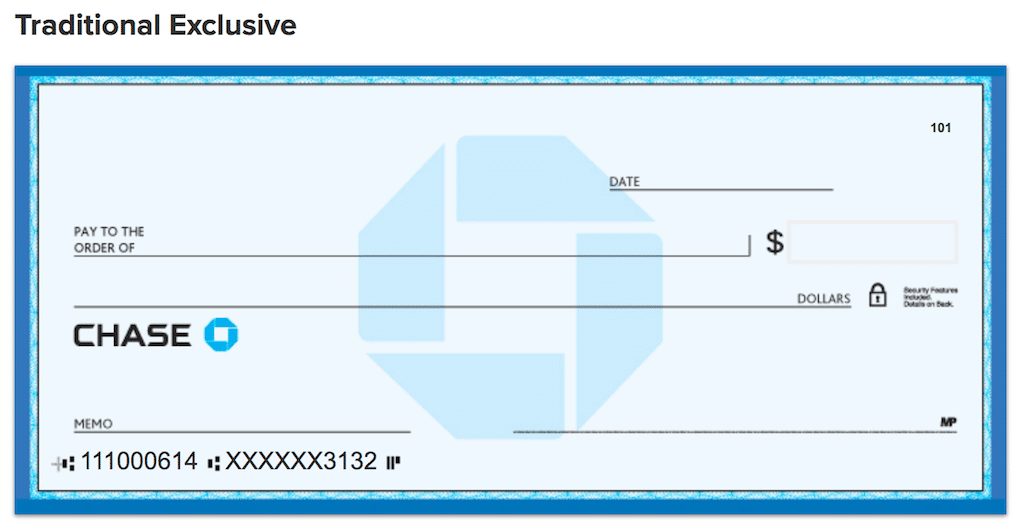
Chase checks, like those from other reputable banks, come with several built-in security features designed to deter fraud. These often include:
- Microprinting: Tiny print on the signature line or borders that appears as a dotted line to the naked eye but is legible under magnification.
- Chemical Protection: Paper that reacts with common ink eradicators, revealing a “VOID” message.
- Watermarks: A faint image visible when held up to the light, difficult to reproduce with standard printing equipment.
- Security Warning Box: A clear indication on the check that security features are present.
Beyond these inherent features, your role in check security is paramount. Always store your checks in a secure, locked location. Never pre-sign blank checks. When writing a check, use indelible ink, fill in all lines, and draw a line through any unused space to prevent alterations. Shred any unused or voided checks to prevent sensitive information from falling into the wrong hands. Proactive measures are the best defense against check fraud.
What to Do When Your Checks Arrive
Once your new box of checks arrives, do not simply toss them into a drawer. Follow these best practices:
- Verify Contents: Immediately open the package and count the checks to ensure the correct quantity has been received.
- Inspect for Accuracy: Carefully examine the first check in the box. Confirm that your name, address, account number, and routing number are all printed correctly and legibly. If there are any errors, contact Chase immediately to report the issue and arrange for a correction.
- Record Starting Number: Note the starting check number in your check register or financial tracking software. This is crucial for accurate record-keeping and reconciliation.
- Secure Storage: Store your checks in a safe, private, and secure location, such as a locked desk drawer or a home safe. Avoid leaving them in an easily accessible spot where they could be misplaced or stolen.
These steps ensure that your checks are accurate, accounted for, and protected from misuse.
Managing Your Check Register and Financial Records
A physical checkbook often comes with a check register – a small booklet for tracking your transactions. Even if you primarily rely on online banking for tracking, maintaining a physical or digital check register is a fundamental aspect of sound financial management.
- Record Every Transaction: Immediately after writing a check, record the check number, date, payee, amount, and the purpose of the payment in your register.
- Update Balances: Keep your balance updated after each transaction to avoid overdrafts.
- Reconcile with Bank Statements: Regularly compare your check register entries with your Chase bank statements to identify any discrepancies, errors, or unauthorized transactions.
This meticulous record-keeping is vital for budgeting, tax preparation, and for quickly identifying and resolving any financial irregularities. It transforms a simple payment tool into a powerful component of your overall financial accountability.
Best Practices for Check Usage and Financial Management
Integrating checks effectively into your overall financial strategy requires understanding when and how to use them, alongside diligent record-keeping. Checks are a tool, and like any tool, their effectiveness depends on how they are wielded within your broader financial plan.
When to Use Checks vs. Digital Payments
The decision of whether to use a check or a digital payment method (like Zelle, Venmo, online bill pay, or a debit card) often boils down to convenience, cost, security, and the recipient’s preference.
- Use Checks When:
- The payee prefers or requires them (e.g., landlords, certain small businesses).
- You need a clear, physical paper trail for tax purposes or legal reasons.
- Sending money to individuals who are not tech-savvy or don’t use digital payment apps.
- Making large, one-off payments where a robust physical record is desired.
- As a backup when digital systems are down or unavailable.
- Use Digital Payments When:
- Sending money quickly to friends or family (e.g., Zelle, Venmo).
- Paying recurring bills electronically through Chase’s online bill pay service for convenience and to avoid postage.
- Making purchases online or in-store with debit/credit cards for speed and potential rewards/consumer protection.
- When the payee is a major business with secure online payment portals.
A balanced approach, leveraging the strengths of both traditional and modern payment methods, optimizes your financial flexibility and security.
Keeping Track of Your Spending
Regardless of the payment method, diligent spending tracking is non-negotiable for effective financial management.
- Utilize Chase Online Banking: Chase’s online platform and mobile app provide real-time transaction history, categorized spending, and budgeting tools. Regularly review your account activity to monitor where your money is going.
- Maintain a Check Register: As mentioned, your physical check register is a primary tool for tracking check payments, providing immediate insight before transactions clear.
- Budgeting Apps/Software: Consider integrating your Chase account with personal finance software like Mint, YNAB, or Quicken. These tools can aggregate your financial data, provide deeper insights into your spending habits, and help you stick to your budget.
- Regular Reconciliation: Consistently compare your internal records (check register, personal budget) with your official bank statements. This ensures accuracy, helps identify errors or fraudulent activity, and gives you a clear picture of your actual financial standing.
Effective tracking empowers you to make informed spending decisions, control debt, and work towards your financial goals.
The Broader Context: Checks as Part of Your Financial Toolkit
Viewing checks not in isolation, but as a crucial component of a comprehensive financial toolkit, is key to sound money management. They complement digital tools, filling gaps where electronic payments may fall short.
- Emergency Fund Component: Having access to checks means you’re prepared for unexpected situations where digital payments might not be an option, such as power outages or system failures.
- Financial Flexibility: Checks offer flexibility, allowing you to pay individuals or entities without requiring them to set up specific digital accounts or systems.
- Security Layer: While digital security is robust, physical checks offer a different type of security, particularly against certain types of online fraud, when used responsibly.
- Tax and Audit Trail: The inherent paper trail of checks makes them invaluable for record-keeping, simplifying tax preparation and potential audits.
By understanding these nuances, you can appreciate that ordering checks from Chase isn’t just a transactional task; it’s a strategic decision that contributes to the resilience, flexibility, and security of your overall financial life.
In conclusion, while the world races towards digital financial solutions, the humble paper check retains a significant, albeit specialized, role in personal and business finance. Ordering checks from Chase is a straightforward process, whether you opt for the convenience of online banking, the personal touch of phone support, or the direct assistance of an in-branch visit. By understanding the underlying reasons for their continued relevance, meticulously navigating the ordering process, and adhering to best practices for security and financial management, you can ensure that checks remain a reliable and effective part of your comprehensive financial toolkit, seamlessly complementing your digital transactions and empowering your financial journey.
aViewFromTheCave is a participant in the Amazon Services LLC Associates Program, an affiliate advertising program designed to provide a means for sites to earn advertising fees by advertising and linking to Amazon.com. Amazon, the Amazon logo, AmazonSupply, and the AmazonSupply logo are trademarks of Amazon.com, Inc. or its affiliates. As an Amazon Associate we earn affiliate commissions from qualifying purchases.