
In the contemporary landscape of digital wallets, instant peer-to-peer transfers, and contactless payments, the traditional paper check might seem like a relic of a bygone era. However, for many savvy consumers and business owners, the check remains an indispensable instrument in their financial toolkit. Whether you are paying rent to a landlord who prefers physical documentation, settling a large contract with a service provider, or simply maintaining a tangible record of high-value transactions, knowing how to efficiently manage your check supply is a core competency of personal finance.
Bank of America (BoA), as one of the world’s leading financial institutions, provides a streamlined ecosystem for managing these traditional assets. Ordering checks through BoA is not merely a clerical task; it is an exercise in account management and financial security. This guide explores the strategic importance of checks in modern finance and provides a comprehensive walkthrough on how to order them, manage costs, and leverage them for better cash flow oversight.
The Role of Physical Checks in a Digital Banking Era
To understand why one needs to order checks in the first place, we must look at the specific niche they fill within personal and business finance. While digital tools offer speed, checks offer a level of formality and a verifiable “paper trail” that electronic transfers sometimes lack.
Why Paper Checks Remain a Vital Financial Asset
In the realm of personal finance, certain transactions still demand the use of a check. For instance, many real estate transactions and escrow payments require cashier’s checks or personal checks for verification purposes. Furthermore, for those managing a side hustle or a small business, paying contractors via check can simplify the process of 1099 reporting at the end of the fiscal year. The physical check acts as a dual-purpose tool: it is both a payment method and a receipt. When a check is cashed, the digital image of that cancelled check becomes a permanent part of your financial record, providing indisputable proof of payment that is often easier to retrieve during a tax audit than a string of Venmo transactions.
Balancing Digital Convenience with Traditional Security
While digital banking apps are highly secure, they are not immune to glitches or unauthorized access. Checks provide a “cold storage” method of payment. You do not need an internet connection to write a check, and for many individuals, the act of physically writing out the amount and signing the line encourages a more mindful approach to spending. In a world of “one-click” purchases, the check forces a pause, allowing the account holder to verify their balance and ensure the expenditure aligns with their monthly budget.
Step-by-Step: How to Order Checks via Bank of America’s Online Platforms
Bank of America has integrated its check-ordering process directly into its digital banking suite. This ensures that your account information is automatically synced, reducing the risk of manual entry errors that could lead to rejected payments.
Utilizing the Online Banking Portal for Seamless Ordering
For most users, the most efficient way to order checks is through the Bank of America website. Once you have logged into your Online Banking account, navigate to the “Accounts” tab. From there, select the specific checking account for which you need the checks.
Within the account details page, you will find a “Help & Support” or “Direct Tasks” menu that includes an option for “Order Checks and Supplies.” Bank of America partners with Harland Clarke, a leading check printer, to fulfill these orders. The system will redirect you to a secure portal where your routing and account numbers are pre-populated. This integration is vital for financial accuracy, as it ensures the MICR (Magnetic Ink Character Recognition) line at the bottom of your checks is perfectly calibrated for the bank’s automated sorting machines.
Placing Orders Through the Mobile Banking App
For those who manage their finances on the go, the Bank of America Mobile Banking app offers a similar level of functionality. By tapping on your checking account and selecting “Menu,” you can find the “Order Checks” option under the account management settings. This process is optimized for mobile security, often requiring FaceID or a fingerprint scan to verify the order. This is a critical security layer, preventing unauthorized individuals from ordering checks to a different address if your phone were to be compromised.
Alternative Methods: Phone and In-Person Branch Services
While digital platforms are preferred for speed, Bank of America maintains traditional channels for those who prefer a human touch or have complex needs. You can order checks by calling the bank’s customer service line or by visiting a local financial center. Ordering in person can be particularly beneficial if you are opening a new account or if you need to discuss specialized business check formats, such as three-to-a-page binder checks, which are essential for meticulous business bookkeeping.
Navigating Costs and Customization Options
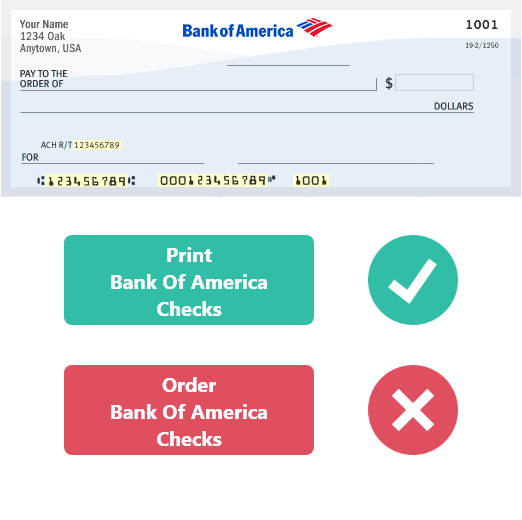
Ordering checks is not a one-size-fits-all expense. Depending on your account tier and your design preferences, the cost can vary significantly. Understanding these financial nuances is key to optimizing your banking costs.
Understanding Fee Structures and Account Perks
In the context of personal finance, minimizing unnecessary fees is a primary goal. Bank of America offers several account tiers, such as the “Preferred Rewards” program. For members in the Gold, Platinum, or Platinum Honors tiers, standard checks are often provided free of charge.
If you are not a member of these loyalty tiers, a standard box of checks typically costs between $20 and $35, depending on the quantity and style. It is important to factor this into your annual banking budget. If you find yourself writing only one or two checks a year, it may be more cost-effective to use the bank’s “Bill Pay” feature, where the bank prints and mails a check on your behalf for free.
Personalization vs. Professionalism: Selecting Your Check Design
The customization stage of ordering allows you to choose from hundreds of designs. While it may be tempting to choose checks featuring your favorite sports team or landscape, from a financial branding perspective, a “Safety Blue” or “High-Security” design is often the better choice. These professional designs often include enhanced security features like chemical-reactive paper, microprinting, and watermarks that make the checks harder to alter or counterfeit.
Essential Accessories: Deposit Slips and Register Books
When ordering checks, do not overlook the importance of the check register. In an era of automated apps, the manual check register remains one of the most effective tools for real-time balance tracking. By recording every check, ATM withdrawal, and debit purchase manually, you create a “shadow ledger” that helps you spot bank errors or unauthorized charges immediately. Most check orders include a basic register, but for high-volume accounts, ordering a dedicated ledger book is a wise financial investment.
Security Protocols and Fraud Prevention in Physical Payments
A check is a direct gateway to your liquid assets. Therefore, managing your physical checks requires the same level of digital hygiene as your online passwords.
Best Practices for Writing and Mailing Checks Safely
To protect your money, always use a gel pen with “fraud-resistant” ink (such as a Uni-ball Signo), which permeates the paper fibers and prevents “check washing”—a technique where fraudsters erase the payee and amount. Additionally, never leave large gaps in the “Pay to the Order of” or the numeric amount lines. Drawing a line through the end of the written amount ensures that no one can add extra digits.
Monitoring Your Account and Reporting Lost Checkbooks
If a box of checks is lost in the mail or stolen from your home, the financial implications can be severe. Bank of America allows you to track your check order through their portal. If the package does not arrive within the expected timeframe, you must notify the bank immediately to place a “Stop Payment” on that entire range of check numbers. Proactive monitoring of your “Pending Transactions” is the best way to ensure that no unauthorized checks are clearing your account.
Optimizing Your Cash Flow Management with Strategic Check Usage
Finally, using checks should be a strategic decision within your broader financial plan. They are not just for when you “have to” use them; they are for when they serve your financial goals better than digital alternatives.
When to Use a Check Over an ACH Transfer or Debit Card
For large payments, such as a down payment on a car or a home renovation deposit, a check provides a delay in settlement (float time) that can be strategically managed. While you should never write a check without the funds present, the 1-3 day clearing window allows your money to remain in a high-yield savings account for a few extra days compared to a real-time debit transaction.

Record Keeping and Tax Documentation Benefits
For those looking to maximize their tax deductions, checks provide a clear, categorized history of expenses. By using the memo line effectively (e.g., “Home Office Supplies” or “Q3 Estimated Taxes”), you create an organized archive. When you order your checks from Bank of America, you are essentially purchasing a sophisticated record-keeping system that, when used correctly, simplifies your financial life and secures your hard-earned capital.
aViewFromTheCave is a participant in the Amazon Services LLC Associates Program, an affiliate advertising program designed to provide a means for sites to earn advertising fees by advertising and linking to Amazon.com. Amazon, the Amazon logo, AmazonSupply, and the AmazonSupply logo are trademarks of Amazon.com, Inc. or its affiliates. As an Amazon Associate we earn affiliate commissions from qualifying purchases.