
In an increasingly digital world, where online transactions and mobile payments dominate daily commerce, the humble paper check might seem like a relic of a bygone era. Yet, for many individuals and businesses, physical checks remain an indispensable financial tool, serving critical roles in specific transactions and financial management. Whether it’s paying rent to a landlord who prefers paper, making a down payment for a significant purchase, or providing a tangible record for certain expenditures, understanding how to efficiently order checks from your bank, like Chase, is a fundamental aspect of comprehensive personal finance.
Chase, one of the largest and most prominent financial institutions globally, offers a straightforward process for its account holders to acquire new or reorder existing checks. This guide delves into the various methods available, crucial details required, and important considerations to ensure a smooth and secure experience. By mastering this process, you can ensure you’re never caught unprepared for situations that still demand a paper trail, while also appreciating the broader landscape of modern payment solutions.
The Enduring Relevance of Physical Checks in a Digital Age
While digital payment methods have undeniably streamlined countless transactions, dismissing the utility of physical checks entirely would be premature. For a variety of reasons, checks continue to hold a significant, albeit niche, position in the financial toolkit of many. Understanding these reasons and the fundamental mechanics of your checking account is key to effective financial management.
Why Checks Still Matter for Certain Transactions
Despite the ubiquity of debit cards, credit cards, and digital payment apps, there are specific scenarios where a paper check remains the preferred, or even mandatory, payment method.
- Rent Payments: Many landlords, particularly private ones, still prefer or require rent payments via physical check. This provides a clear, traceable paper record for both parties and avoids processing fees associated with some digital platforms.
- Contractors and Services: For services rendered by independent contractors, small businesses, or home improvement professionals, checks are often a mutually convenient payment option. They offer a physical receipt and can be easier to track for tax purposes than cash, and avoid the fees associated with credit card processing for the vendor.
- Large Purchases or Deposits: When making a significant down payment for a car, a home, or a security deposit, a check provides a tangible record of the transaction. For substantial sums, a cashier’s check (which typically requires a visit to the bank) offers an even higher level of security, guaranteeing funds.
- Gifts and Donations: While digital options exist, a personalized check often feels more traditional and personal as a gift or a donation to a charity.
- Emergency Backup: In situations where digital systems are down, or you lack internet access, a physical check can be a critical backup payment method, ensuring continuity in essential financial obligations.
The persistence of these use cases underscores why having a supply of checks, even if used infrequently, is a smart component of a well-rounded financial strategy. It’s about preparedness and having options tailored to specific transactional demands.
Understanding Your Checking Account Fundamentals
Before diving into ordering checks, a brief refresher on checking account basics is beneficial. Your checking account serves as the primary hub for your day-to-day financial activities, enabling deposits, withdrawals, and payments. Each check you write is essentially an instruction to your bank to transfer a specific amount of money from your account to the recipient.
- Account Number: This unique identifier, typically 10-12 digits long, distinguishes your specific account from all others within the bank. It’s crucial for ordering checks and processing electronic transactions.
- Routing Number: A nine-digit code that identifies your financial institution and where the funds should be routed. Different types of transactions (e.g., direct deposit vs. wire transfer) might use slightly different routing numbers for the same bank, so it’s always good to confirm. For check ordering, it’s typically the routing number associated with the branch where your account was opened or a general routing number for the region.
- Bank Statement Information: Your monthly bank statement or online account portal typically displays both your account and routing numbers. When ordering checks, ensuring the printed numbers match your current account details is paramount to prevent errors and ensure your checks clear correctly. Keeping these details accurate is a foundational step in seamless financial operations.
Navigating the Check Ordering Process with Chase
Chase provides multiple convenient avenues for its customers to order checks, catering to different preferences and needs. Whether you prefer the speed of online ordering, the personal touch of a phone call, or face-to-face assistance, Chase has a method for you.
Ordering Checks Online: Convenience at Your Fingertips
For most Chase customers, ordering checks online is the quickest and most straightforward method. This process is typically managed through your Chase Online Banking account or via their preferred third-party check printer.
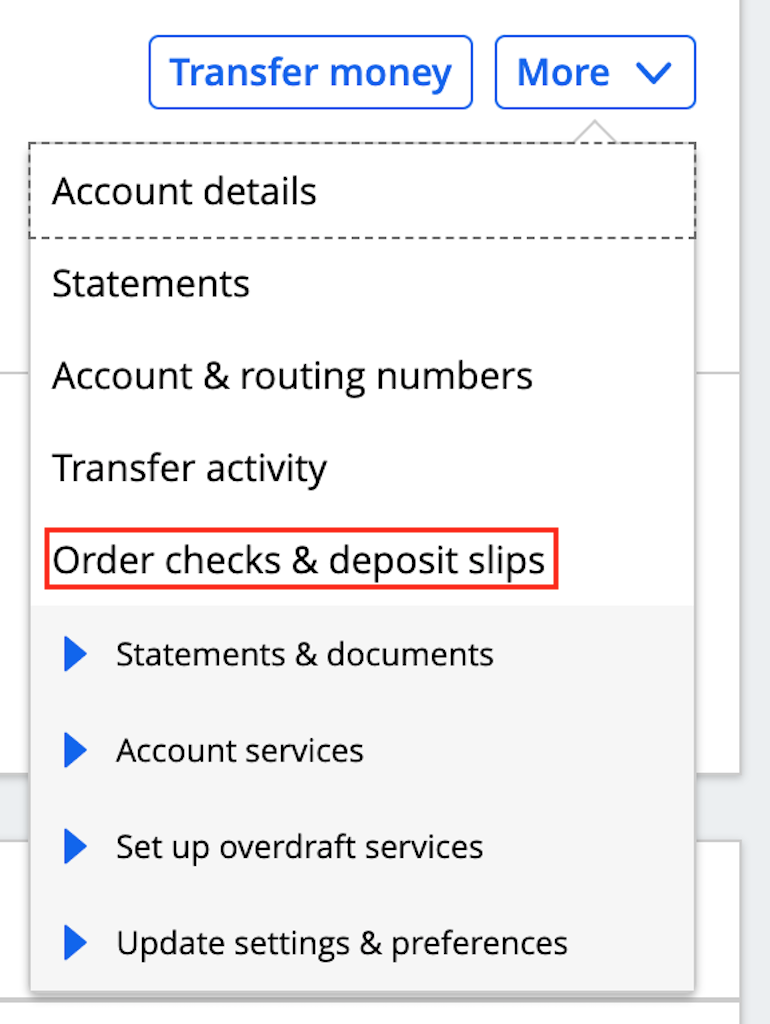
- Log In to Chase Online: Begin by logging into your Chase Online Banking account at Chase.com or through the Chase Mobile app.
- Navigate to the Services Section: Look for a section often labeled “Customer Service,” “Account Services,” or “Order Checks & Supplies.” The exact location might vary slightly based on website updates, but it’s usually intuitively placed.
- Select Your Account: If you have multiple Chase accounts, select the checking account for which you wish to order checks.
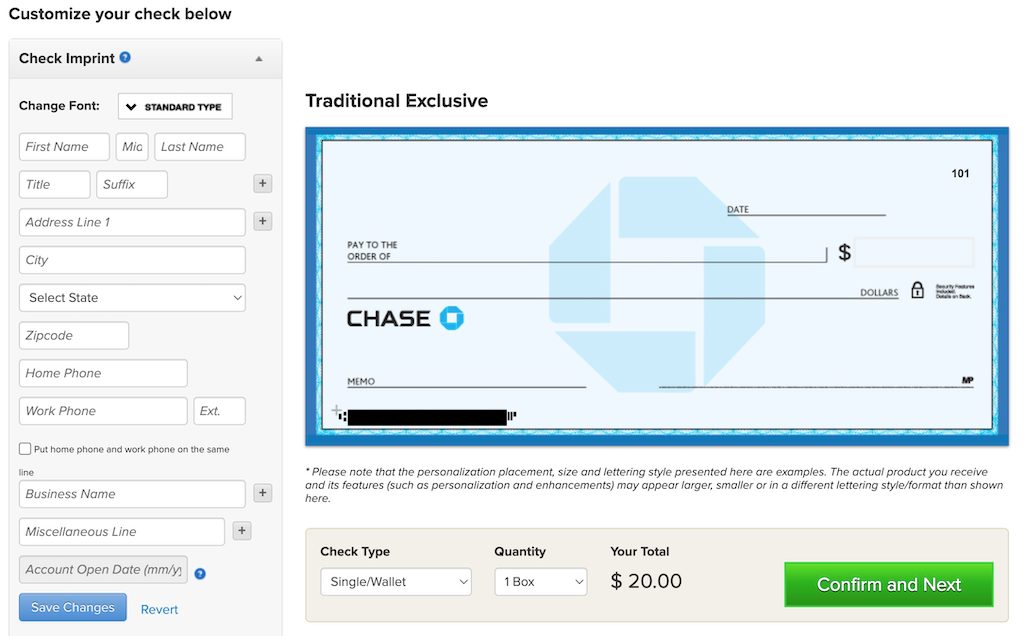
- Choose Your Check Style and Quantity: You’ll typically be redirected to a secure third-party vendor portal (often Deluxe Checks, Chase’s preferred partner) where you can browse various check designs, styles (standard, duplicate, business), and quantities. You can also customize them with your personal information and choose accessories like deposit slips.
- Verify Information: The system will pre-populate your account number, routing number, and personal details (name, address) directly from your Chase account. It is CRITICAL to review this information meticulously to ensure accuracy. Any discrepancies could lead to significant issues.
- Review and Place Order: Confirm your order details, including the cost and estimated delivery date. Once satisfied, proceed with payment, which is usually debited directly from your Chase checking account.
Ordering online is ideal for reorders where no changes are needed, and for customers comfortable with digital banking. It’s accessible 24/7, offering unparalleled convenience.
Phone Orders: A Direct Line to Support
If you prefer speaking with a representative or encounter issues with online ordering, placing a check order over the phone is an excellent alternative.
- Call Chase Customer Service: Locate the customer service number on the back of your debit card, on your bank statement, or on the official Chase website (typically 1-800-935-9935 for personal banking).
- Authenticate Your Identity: Be prepared to provide personal information to verify your identity. This usually includes your account number, Social Security Number, and answers to security questions.
- Specify Your Order: Inform the representative that you wish to order checks. They will guide you through the available options, designs, and quantities.
- Confirm Details: The representative will verbally confirm your account details, shipping address, and the total cost. Carefully listen and correct any errors.
- Authorize Payment: Payment will typically be processed directly from your Chase checking account.
Phone orders offer the benefit of direct assistance, which can be particularly helpful if you have specific questions, need to make changes to your address, or are placing your first check order and want to ensure everything is correct.
In-Branch Service: Personalized Assistance
For those who prefer face-to-face interaction or require specific services like cashier’s checks, visiting a local Chase branch is a viable option.
- Locate a Chase Branch: Use the Chase website or mobile app to find the nearest branch location.
- Bring Identification: When visiting, ensure you have a valid government-issued ID (e.g., driver’s license, passport) and your Chase debit card or account information.
- Speak with a Teller or Banker: A branch representative can assist you with ordering new checks or reordering existing ones. They can also help with special requests or address any account-specific questions you might have.
- Review and Confirm: The banker will walk you through the order form, confirm all details, and process your request. Payment will be deducted from your account.
In-branch service is beneficial for complex orders, if you need immediate assistance, or simply prefer the assurance of speaking with someone in person. It’s also the method for obtaining cashier’s checks or certified checks, which cannot be ordered online or over the phone in the same manner as personal checks.
Leveraging Third-Party Vendors for Your Check Needs
While Chase partners with Deluxe, customers also have the option to order checks from other reputable third-party check printing services. Companies like Checks Unlimited, Bradford Exchange Checks, and Vistaprint often offer a wider variety of designs, sometimes at competitive prices.
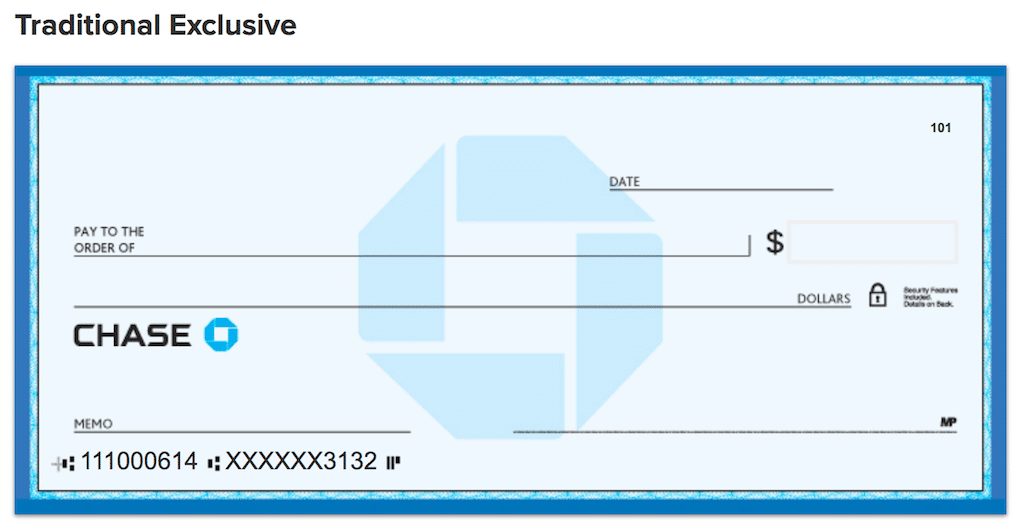
- Gather Your Account Information: You will need your full 9-digit Chase routing number and your 10-12 digit checking account number. These can be found on a previous check, your bank statement, or your Chase online banking portal.
- Select a Reputable Vendor: Choose a well-known and secure third-party check printer. Check reviews and security protocols.
- Input Your Details: On the vendor’s website, you will input your bank’s routing number, your account number, your name, and your address. It is paramount to double-check every digit and letter for accuracy.
- Choose Design and Quantity: Browse their selection of checks, customize them as desired, and select the quantity you need.
- Review Proof and Order: Most reputable vendors will provide a digital proof of your check for final review before printing. Scrutinize this proof for any errors before finalizing your order.
While potentially offering more design choices and competitive pricing, ordering from a third-party vendor requires a higher degree of personal responsibility for ensuring the accuracy of your banking details. Any error in the routing or account number would result in unusable checks.
Essential Information and Considerations for Your Order
Regardless of the method you choose, a successful check order hinges on providing accurate information and understanding the associated costs and security measures.
Key Details Required for a Seamless Order
Accuracy is paramount when ordering checks. Missing or incorrect information can lead to significant delays or, worse, checks that cannot be processed.
- Your Full Name and Current Address: Ensure this matches what Chase has on file for your account. If you’ve recently moved, update your address with Chase first.
- Chase Account Number: The unique identifier for your checking account.
- Chase Routing Number: The nine-digit code that identifies Chase as your bank. This is particularly crucial for correct processing.
- Starting Check Number (for Reorders): If you are reordering checks, the system will often prompt you for the starting number for the new sequence. This helps maintain an organized check register. If you don’t provide one, it will typically start from a default number (e.g., 001 or sequentially after a previous order).
- Driver’s License or ID (In-Branch): Required for in-person verification.
Double-checking these details at every step of the ordering process will save you potential headaches and ensure your checks are printed correctly and function as intended.
Understanding Costs and Delivery Expectations
Checks are generally not free, even for premium banking accounts, though some account types or promotional offers might include a complimentary starter pack.
- Cost: The price of checks varies significantly based on the style, design complexity, quantity, and whether you order through Chase’s preferred vendor or a third-party. Basic checks are less expensive, while elaborate designs or duplicate checks (which provide a carbon copy for your records) will cost more.
- Delivery Time: Standard delivery typically takes 7-14 business days. Expedited shipping options are usually available for an additional fee if you need checks sooner. Be sure to factor in processing time when estimating delivery.
- Shipping Address: Checks are usually shipped to the primary address associated with your Chase account for security reasons. Confirm this address during the ordering process.
Consider ordering checks well in advance of when you anticipate needing them to avoid rush fees and ensure you always have a supply on hand.
Customization Options and Check Types
Modern check ordering allows for a degree of personalization beyond just your name and address.
- Personal vs. Business Checks: While the core functionality is the same, business checks often have space for a company name, logo, and additional details relevant to business transactions.
- Standard vs. Duplicate Checks: Standard checks are single copies. Duplicate checks come with a carbon copy that you can retain for your records, providing an instant paper trail of every check written. This can be invaluable for budgeting and reconciliation.
- Designs and Security Features: You can choose from various background designs, from simple blue safety patterns to scenic landscapes or character themes. Most checks also incorporate security features like micro-printing, chemical protection, and watermarks to prevent fraud.
Choosing the right type of check and understanding its features contributes to both convenience and security in your financial practices.
Proactive Security Measures for Your Checks
Checks, by their nature, contain sensitive banking information. Protecting them is crucial for preventing financial fraud.
- Secure Storage: Always store unused checks in a secure, locked location at home, away from prying eyes. Avoid leaving them in an unlocked desk drawer or easily accessible areas.
- Monitor Your Account: Regularly review your Chase bank statements and online transaction history for any unauthorized activity, especially after ordering new checks.
- Shred Old Checks: When checks are no longer valid or if you close an account, shred them using a cross-cut shredder before discarding them. Do not simply throw them in the trash.
- Report Lost or Stolen Checks Immediately: If you realize checks are missing or have been stolen, contact Chase immediately to report the incident. They can advise on steps to take, which may include closing the compromised account or placing alerts.
- Be Cautious with Sharing Information: Only provide your checking account and routing numbers to trusted entities for legitimate purposes (e.g., direct deposit for payroll, bill payments).
By implementing these proactive security measures, you significantly reduce the risk of check fraud and safeguard your financial information.
Modern Alternatives to Traditional Paper Checks
While physical checks maintain their utility, it’s equally important to embrace and utilize the plethora of modern digital payment alternatives that have revolutionized how we manage our money. Integrating these tools into your financial routine can enhance convenience, speed, and often, security.
Embracing Digital Payments: Online Bill Pay and Zelle
Many financial tasks that once exclusively required checks can now be handled more efficiently digitally.
- Chase Online Bill Pay: This service, integrated into your Chase Online Banking account, allows you to set up recurring payments to utilities, credit card companies, and other payees. Chase handles the actual payment, often electronically (ACH), but will sometimes mail a physical check on your behalf if the payee doesn’t accept electronic payments. This system provides a centralized way to manage all your bills and ensures timely payments.
- Zelle: A peer-to-peer payment service embedded within the Chase Mobile app (and many other bank apps), Zelle allows you to send money directly from your Chase account to someone else’s bank account, often within minutes. It’s ideal for splitting bills with friends, paying small service providers, or sending money to family, without needing account numbers – just an email address or phone number.
These digital tools streamline payments, reduce the need for stamps and envelopes, and provide immediate digital records of transactions, aligning perfectly with modern financial management practices.
The Power of Debit Cards and Electronic Transfers
Beyond specialized digital services, your debit card and direct electronic transfers serve as primary alternatives to checks for many transactions.
- Debit Card: Directly linked to your checking account, your Chase debit card allows for instant payments at point-of-sale terminals, online retailers, and cash withdrawals from ATMs. It replaces the need for checks in most retail and service environments.
- Automated Clearing House (ACH) Transfers: ACH is the backbone of many electronic payments. Direct deposit of your paycheck, automatic bill payments, and transfers between your own accounts at different banks often leverage ACH. These are highly efficient, secure, and eliminate the need for paper checks for recurring financial flows.
- Wire Transfers: For large, time-sensitive international or domestic transfers, wire transfers offer an expedited, though often more expensive, method to move funds directly between bank accounts. This is typically used when a check would be too slow or insecure for a very large sum.
Utilizing these electronic methods reduces paper consumption, speeds up transactions, and minimizes the physical handling of sensitive information inherent with checks.
Strategic Financial Planning with Diverse Payment Tools
The true art of modern personal finance lies not in choosing one payment method over another, but in strategically employing a diverse set of tools to optimize your financial operations.
- Assess the Transaction: Before making any payment, consider the nature of the transaction. Is it recurring? To a trusted entity? Does it require a physical record? Is speed critical?
- Balance Convenience and Security: Digital payments offer convenience, but some specific scenarios still benefit from the traditional security and tangibility of a check. Understanding the risks and benefits of each method is key.
- Maintain Records: Regardless of the payment method, always maintain meticulous records. Use your bank statements, online transaction history, and check stubs (if applicable) to reconcile your accounts regularly.
- Budgeting Integration: Ensure your payment choices integrate seamlessly with your budgeting process. Automated payments through online bill pay, for example, can help you stay on track with recurring expenses.
In conclusion, while ordering checks from Chase is a straightforward process, it represents a larger principle in personal finance: being prepared for all financial eventualities. By understanding how to effectively order checks, leveraging modern digital alternatives, and practicing diligent financial security, you empower yourself with a comprehensive and adaptable approach to managing your money in today’s dynamic financial landscape.
aViewFromTheCave is a participant in the Amazon Services LLC Associates Program, an affiliate advertising program designed to provide a means for sites to earn advertising fees by advertising and linking to Amazon.com. Amazon, the Amazon logo, AmazonSupply, and the AmazonSupply logo are trademarks of Amazon.com, Inc. or its affiliates. As an Amazon Associate we earn affiliate commissions from qualifying purchases.