
The Enduring Role of Checks in Modern Financial Management
In an increasingly digital financial landscape, the physical check might seem like a relic of a bygone era. However, for many individuals and businesses, checks remain an indispensable tool for managing specific financial transactions. While online banking, direct deposits, and digital payment apps have streamlined countless processes, understanding how to efficiently and securely order checks from a financial institution like Chase is still a vital aspect of comprehensive personal and business finance. This knowledge ensures you maintain flexibility in your payment methods and are prepared for situations where digital alternatives may not suffice or are not preferred.
The Shifting Landscape of Payments
The digital revolution has profoundly reshaped how money moves. From instant peer-to-peer transfers to automated bill payments, the convenience and speed of electronic transactions are undeniable. This shift has led to a reduction in overall check usage, prompting some to question their continued relevance. Yet, checks persist, serving a niche but critical role, especially for those who prioritize a physical record, prefer a delayed payment mechanism, or deal with recipients who primarily accept traditional forms of payment. Understanding this evolving landscape helps place the act of ordering checks within a broader financial strategy, recognizing their utility rather than viewing them as obsolete.
When Checks Remain Indispensable
Despite the prevalence of digital options, several scenarios still necessitate or benefit from the use of checks. For instance, many landlords, especially those managing smaller properties, prefer rent payments by check, providing a clear paper trail for both parties. Contractors or service providers, particularly in certain trades, might also favor checks for large payments, simplifying their record-keeping and often avoiding transaction fees associated with credit card processing. Gifting money for special occasions or donating to charities often sees checks used for their personal touch and the ease of a physical contribution. Furthermore, checks can serve as a secure backup payment method during technical outages or in situations where digital access is compromised. Recognizing these specific use cases helps financial consumers and business owners make informed decisions about maintaining a supply of checks.
Understanding Your Checkbook as a Financial Tool
Beyond merely being a piece of paper, a checkbook functions as a critical financial tool that integrates with your overall money management system. Each check represents a direct debit from your checking account, necessitating careful tracking and reconciliation. Maintaining an accurate check register, whether digital or physical, is fundamental to preventing overdrafts, understanding your cash flow, and ensuring the accuracy of your bank statements. Ordering new checks is not merely a logistical task; it’s an opportunity to reinforce good financial habits, such as verifying account details, understanding security features, and planning for your future financial needs, all of which contribute to sound personal and business financial health.
Navigating the Order Process: Options and Considerations
Ordering checks from Chase offers several convenient avenues, each with its own set of advantages regarding security, cost, and speed. Understanding these options allows you to select the method that best aligns with your financial priorities and current needs. Whether you prioritize the security of online transactions, the personal touch of a branch visit, or the efficiency of a phone call, Chase provides a structured process to ensure your check order is placed accurately and securely.
Ordering Through Chase Online Banking
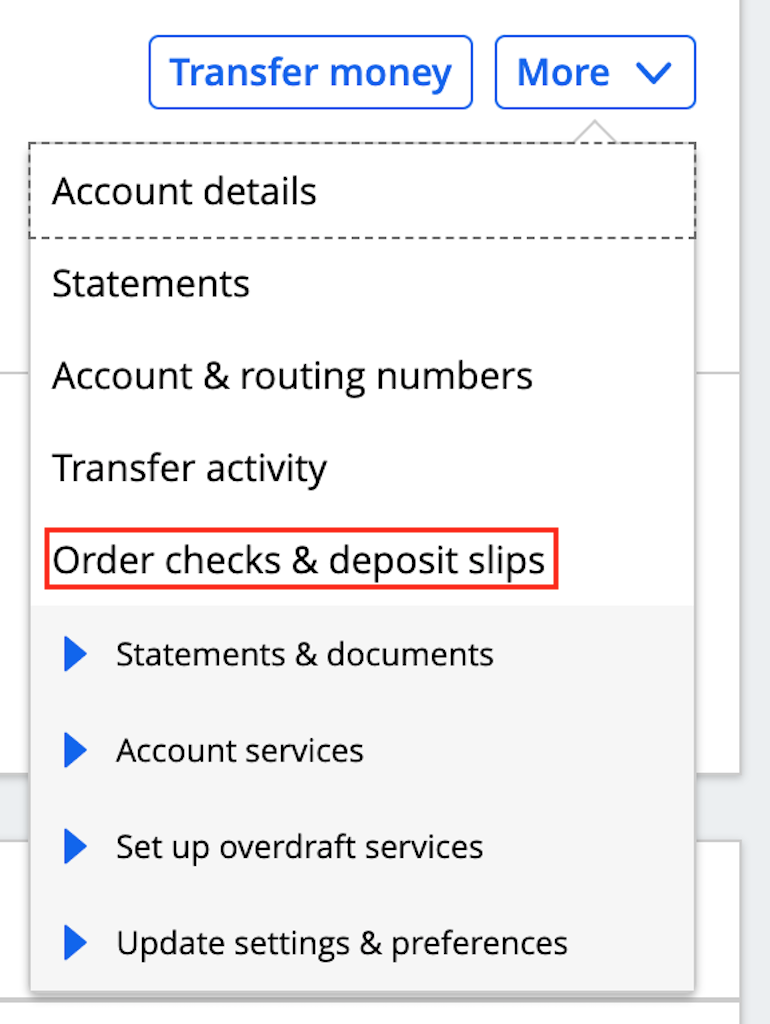
The most common and often most efficient method for reordering checks is through Chase’s secure online banking portal. This digital pathway not only saves time but also allows you to manage your financial tools from the convenience of your home or office. To begin, log in to your Chase online account. Navigate to the “Account Services” or “Customer Service” section, where you typically find options related to check orders. Here, you will be prompted to select the account for which you need checks. The system will usually pre-populate your account and routing numbers, minimizing data entry errors and enhancing security.
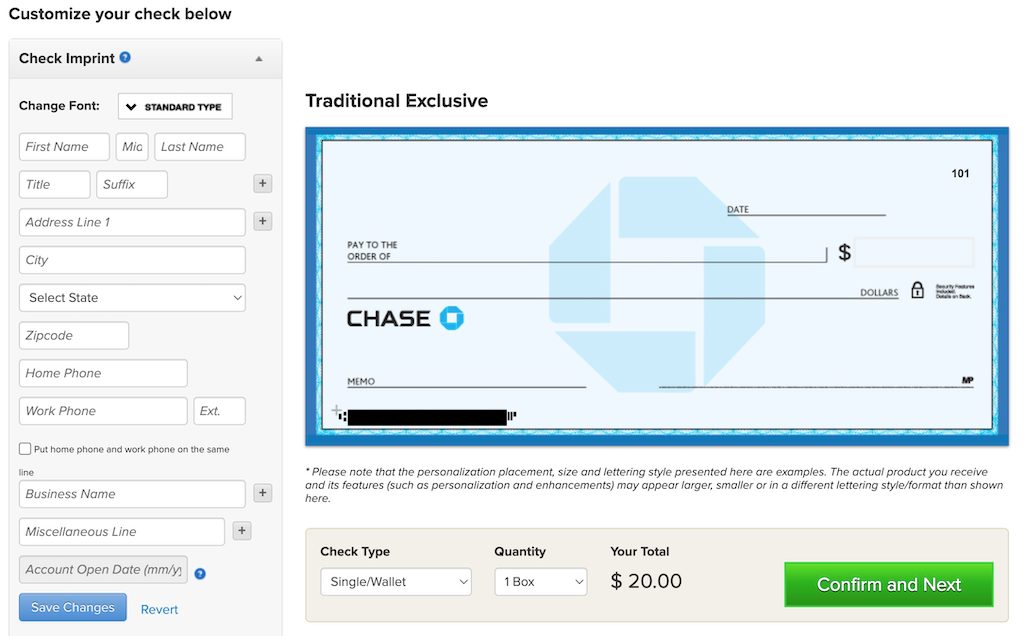
During the online ordering process, you’ll typically have options to customize your checks with various designs, add accessories like deposit slips or registers, and specify the starting check number. It is crucial to review all details meticulously—especially your name, address, account number, and routing number—before finalizing the order. Any inaccuracies could lead to significant financial inconvenience or even security risks. Pay close attention to the pricing and estimated delivery dates provided, allowing you to budget accordingly and plan for the arrival of your new checks. The transparent display of costs online enables a direct comparison with other options, supporting informed financial decision-making.
Ordering Via Phone Support
For those who prefer direct human assistance or encounter issues with online ordering, Chase’s customer service line provides a reliable alternative. When calling Chase to order checks, be prepared to verify your identity through several security questions, which is a critical step in preventing unauthorized access to your financial accounts. You will need your account number and routing number readily available, though the representative can often assist in confirming these details after successful identity verification.
The phone representative can guide you through available check designs, pricing options, and shipping details. This method offers the benefit of real-time clarification for any questions you might have regarding your order or specific check features. While potentially taking slightly longer than an online order due to wait times, it offers a personalized level of service, ensuring accuracy and peace of mind, particularly if you have unique ordering requirements or concerns about security. Always confirm the total cost and delivery timeframe with the representative before concluding the call, ensuring full transparency in your financial transaction.
In-Branch Assistance
Visiting a Chase branch in person offers the most direct and personalized approach to ordering checks. This method is particularly beneficial if you are opening a new account and need your first set of checks, have complex questions, or prefer the security of handling financial transactions face-to-face. A branch representative can help you fill out the necessary forms, verify all account information, and show you physical samples of check designs and security features.
The immediate presence of a bank employee allows for thorough verification of your identity, minimizing fraud risk. This also provides an opportunity to discuss any specific financial needs or concerns you might have regarding your checking account, beyond just ordering checks. While potentially less time-efficient than online ordering for a simple reorder, the in-branch experience can be invaluable for ensuring accuracy, receiving expert advice, and reinforcing your sense of financial security. In some cases, temporary starter checks might be provided on the spot, offering immediate payment capabilities while you await your personalized order.
Utilizing Third-Party Check Printers
While Chase facilitates check orders directly, some account holders explore third-party check printers, often due to perceived cost savings or a wider range of design options. However, this approach carries distinct financial and security considerations. While a third-party printer might offer lower prices, it’s imperative to thoroughly vet their reputation and security protocols. You will be providing sensitive financial information—your full account number and Chase’s routing number—to an external entity.
Before opting for a third-party printer, research their security measures for handling personal financial data, their encryption standards, and their track record for reliability. Compare their pricing not just on the checks themselves but also on shipping and any hidden fees against Chase’s direct ordering costs. While potential savings exist, the primary consideration should always be the security of your financial information and the integrity of the checks you receive. Compromised checks can lead to significant financial fraud and account vulnerabilities, outweighing any minor cost benefits. Always exercise extreme caution and diligence when sharing bank details with any non-bank entity.
Essential Financial Details and Customization
Ordering checks involves more than just selecting a design; it requires careful attention to critical financial details and an understanding of the security features embedded within the checks themselves. These elements are paramount for both the proper functioning of your checks and the safeguarding of your financial assets.
Key Information Required for a Secure Order
Accurate provision of financial details is the bedrock of a secure check order. You will always need your full account number and Chase’s routing number. The account number uniquely identifies your specific checking account, while the routing number identifies Chase Bank itself, directing transactions to the correct financial institution. Both numbers are typically found on your existing checks or through your online banking portal. Additionally, you will be asked for your starting check number, which ensures continuity in your financial records and helps prevent duplicate check numbers from being issued. Your current name and address, as they appear on your Chase account, are also crucial for verification and for printing accurately on the checks. Verifying these details meticulously during the order process is a key step in preventing errors that could lead to financial delays or, worse, fraud.
Understanding Check Design and Security Features
Modern checks incorporate a range of security features designed to deter fraud and protect your financial interests. These include microprinting, tiny text that appears as a line to the naked eye but becomes legible under magnification, making counterfeiting difficult. Security screens or void pantographs are patterns on the back of the check that become visible when copied, rendering the check void. Chemical protection makes checks react to chemical alterations by displaying a “VOID” message. Furthermore, watermarks are embedded into the paper, visible when held up to light, confirming authenticity. When ordering, consider these features; basic checks often include standard security, but some premium options might offer enhanced protection. Understanding these safeguards empowers you to identify potentially fraudulent checks and trust the ones you issue.
The Cost-Benefit Analysis of Customization
While basic check designs are functional, customization options abound, from scenic landscapes to personalized logos. However, each customization often comes with an additional cost. When evaluating these options, consider their true financial benefit. For personal checks, a unique design might offer aesthetic pleasure, but it’s essential to weigh this against the additional expense. For business checks, incorporating a company logo can reinforce brand identity and professionalism, which could be a justifiable business expense. Analyze whether the added cost provides a tangible return or value. Budgeting for checks, including any customization, should be part of your overall financial planning, ensuring that these incidental expenses do not unexpectedly impact your cash flow. Prioritize security and functionality over purely aesthetic choices if budget is a primary concern.
Financial Implications, Security, and Best Practices
Ordering checks is a simple transaction, yet it touches upon critical aspects of personal and business finance, particularly regarding budgeting, security, and responsible money management. A holistic approach ensures that this seemingly minor act contributes positively to your overall financial health.
Budgeting for Check Orders
While the cost of a box of checks might seem minimal in isolation, it’s an expense that needs to be factored into your financial budget. Depending on the design, quantity, and additional security features, costs can vary. For individuals, this might be a line item under “household expenses” or “banking fees.” For businesses, it falls under “operating expenses.” Anticipating this cost and allocating funds within your budget prevents it from becoming an unexpected drain on your finances. Consider ordering a sufficient quantity to avoid frequent reorders and potential expedited shipping fees, which can add up over time. Strategic planning for check purchases reflects sound financial management.
Safeguarding Your Financial Information During Ordering
The process of ordering checks inherently involves sharing sensitive financial details. Regardless of the method chosen—online, phone, or in-branch—vigilance is paramount. When ordering online, ensure you are on Chase’s official, secure website (look for “https://” and a padlock icon). Avoid ordering checks via public Wi-Fi networks where data interception is possible. On the phone, never provide personal information unless you initiated the call to a verified Chase number or have confirmed the caller’s identity through established security protocols. In a branch, confirm you are speaking with an authorized Chase employee. After placing your order, monitor your account activity for any suspicious transactions, reinforcing the principle that continuous vigilance is key to financial security.
Best Practices for Check Usage and Record Keeping
Once your checks arrive, responsible usage and meticulous record keeping become crucial. Always fill out checks completely and legibly, using indelible ink. Maintain an up-to-date check register, noting the check number, date, payee, amount, and purpose of each check issued. This practice is vital for reconciling your bank statements, tracking your expenses, and avoiding costly overdrafts. Promptly depositing or cashing checks you receive is also a best practice, as stale-dated checks can become invalid, causing financial inconvenience. Furthermore, store blank checks in a secure location, like a locked drawer or safe, to prevent theft and unauthorized use, thereby protecting your financial assets from potential fraud.
Recognizing and Preventing Check Fraud
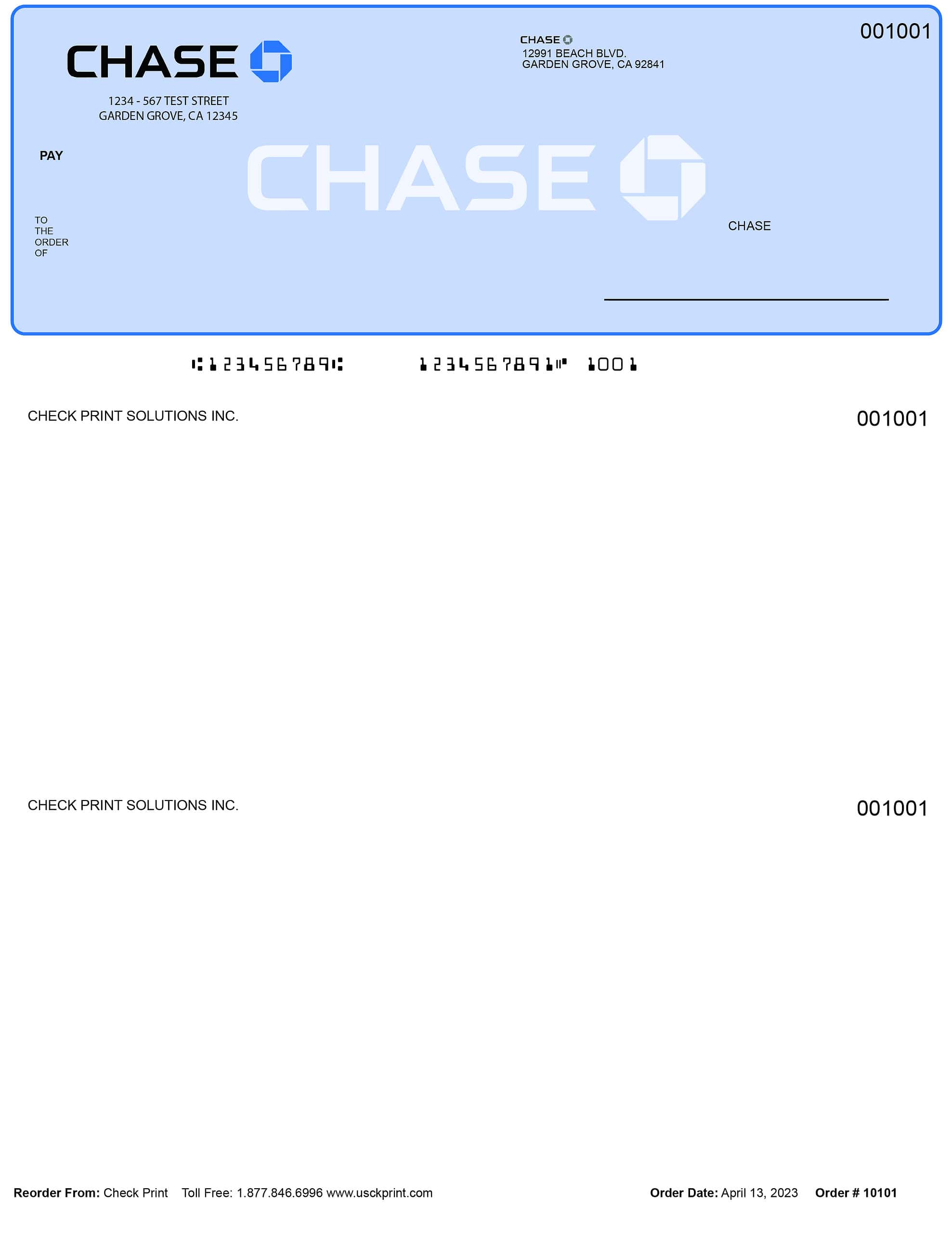
Check fraud remains a persistent threat despite advances in digital security. Common scams include counterfeit checks, altered checks, and “check washing.” Being aware of these tactics is the first line of defense. Always scrutinize checks you receive, looking for irregularities in printing, paper quality, or altered information. Never cash a check for more than the amount due and return the difference, especially from an unknown source; this is a common scam where the original check turns out to be fraudulent. If you suspect any fraudulent activity related to your Chase checks or account, immediately contact Chase Bank. Prompt reporting is essential for minimizing potential financial losses and assisting the bank in its fraud prevention efforts, underscoring the dynamic interplay between individual vigilance and institutional security measures in protecting your financial well-being.
aViewFromTheCave is a participant in the Amazon Services LLC Associates Program, an affiliate advertising program designed to provide a means for sites to earn advertising fees by advertising and linking to Amazon.com. Amazon, the Amazon logo, AmazonSupply, and the AmazonSupply logo are trademarks of Amazon.com, Inc. or its affiliates. As an Amazon Associate we earn affiliate commissions from qualifying purchases.