
In an increasingly digitized world, managing finances often involves a blend of traditional banking and innovative online platforms. PayPal stands as a cornerstone of online payments, offering not just a convenient way to send and receive money, but also a suite of financial tools designed to integrate seamlessly into your daily economic life. Among these tools are PayPal cards, which extend the utility of your digital balance into the physical realm. For individuals and businesses seeking efficient access to their funds, understanding how to order and effectively utilize a PayPal card is a crucial step in optimizing personal and business finance management.
This guide delves into the financial implications and practical steps of acquiring a PayPal card, framing it as a strategic financial instrument. We’ll explore the different types of cards available, their benefits for various financial needs, the application process, and how to integrate these cards into a broader financial strategy for enhanced control and liquidity.
Understanding PayPal’s Card Offerings: A Gateway to Your Funds
PayPal isn’t just an online wallet; it’s a financial ecosystem that aims to provide comprehensive solutions for its users. Its physical card offerings are a testament to this, designed to bridge the gap between your digital balance and real-world spending. Choosing the right card is the first step in leveraging PayPal for your financial objectives.
Types of PayPal Cards: Debit, Credit, and Prepaid Options
PayPal offers several types of cards, each tailored to different financial behaviors and needs. Understanding their distinctions is paramount to selecting the card that best aligns with your personal or business financial strategy.
-
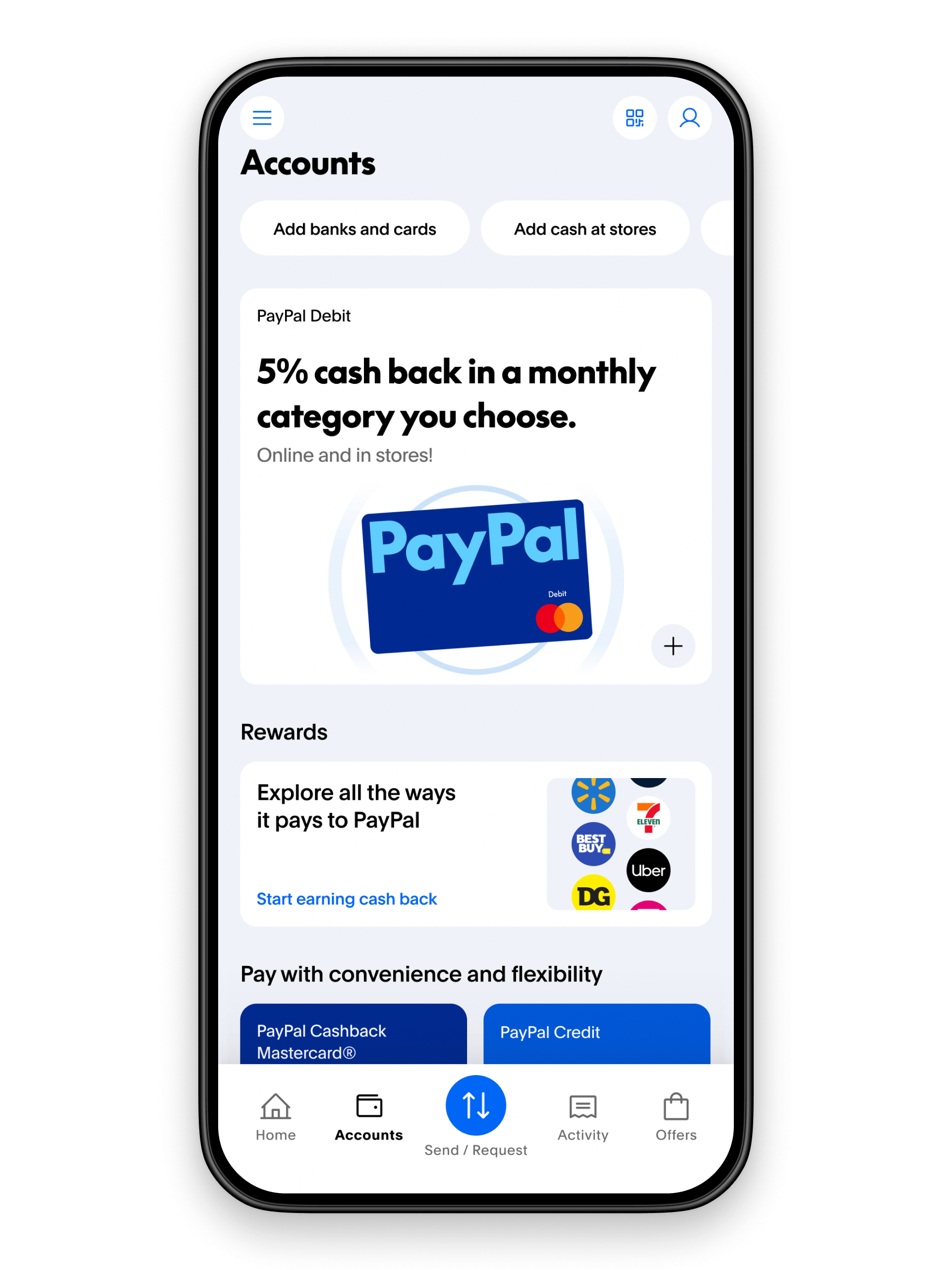
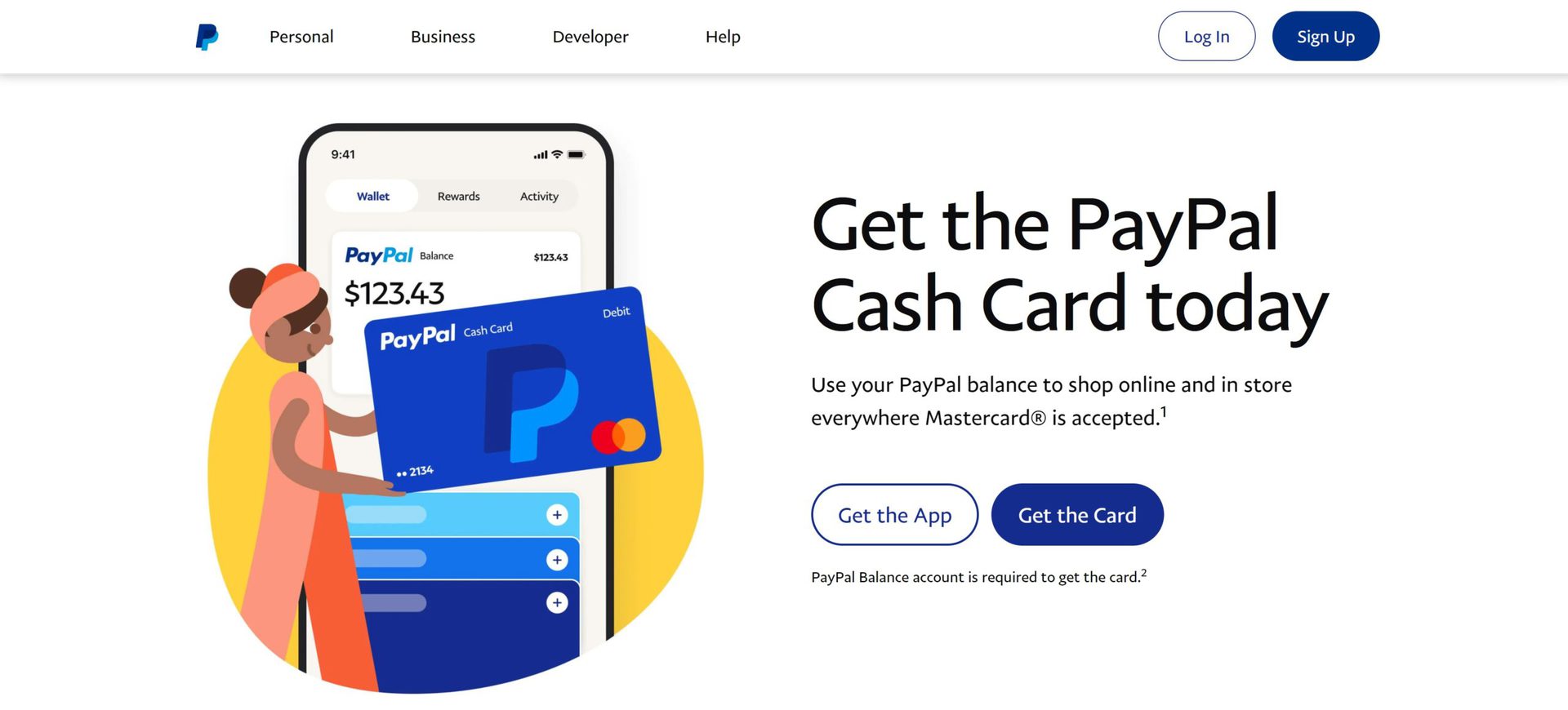
PayPal Debit Mastercard: This is perhaps the most straightforward offering. Linked directly to your PayPal balance, it functions much like a traditional debit card from a bank. It allows you to spend funds directly from your PayPal account wherever Mastercard is accepted, both online and in physical stores. It’s particularly useful for individuals who receive income directly into their PayPal account (e.g., freelancers, online sellers) and want easy access to those funds without transferring them to a bank account first. For small businesses, it offers a convenient way to manage operational expenses using funds from sales. Its key financial advantage is preventing overspending, as you can only spend what’s available in your balance.
-
PayPal Cashback Mastercard (Credit Card): For those looking to build credit or earn rewards on their spending, the PayPal Cashback Mastercard is a compelling option. This is a traditional credit card, subject to credit approval, and it offers a generous cashback reward on all eligible purchases. It operates independently of your PayPal balance, meaning you’re spending against a credit limit, not your available funds. Financially, this card serves a dual purpose: it can be a tool for earning rewards and, if managed responsibly, a means to establish or improve your credit score. Its utility for businesses extends to managing cash flow and earning cashback on essential expenditures.
-
PayPal Prepaid Mastercard: This option provides a flexible alternative for those who may not qualify for a credit card or prefer not to link directly to their PayPal balance. It’s a reloadable prepaid card, meaning you load funds onto it before spending. It’s an excellent budgeting tool, as you can only spend the amount loaded, preventing debt. It can be particularly useful for managing specific budgets (e.g., travel expenses, entertainment) or for individuals who prefer the security of a card not directly linked to their primary bank account or PayPal balance. For families, it can be a controlled way to provide spending money to dependents.
Key Benefits of Using a PayPal Card for Financial Management
Beyond mere transaction processing, PayPal cards offer distinct advantages that contribute to robust financial management for both personal and business use.
-
Seamless Access to PayPal Balance: For users who frequently receive payments via PayPal, the PayPal Debit Mastercard eliminates the need for repeated transfers to a traditional bank account. This immediate access streamlines cash flow, ensuring funds are available for immediate use, which is critical for freelancers and small businesses with fluctuating income.
-
Convenience for Online and In-Store Purchases: All PayPal cards are powered by Mastercard, granting them universal acceptance. This means you can use your PayPal funds or credit line almost anywhere, simplifying payment processes and consolidating your spending power. It’s particularly valuable for international online shopping or travel, where direct PayPal payments might not always be an option.
-
Budgeting and Expense Tracking Features: The PayPal Prepaid Mastercard, in particular, is an excellent budgeting tool, allowing users to pre-load specific amounts and stick to them. For all card types, PayPal’s online platform provides detailed transaction histories, making it easier to track spending, categorize expenses, and monitor financial habits—a crucial aspect of effective financial planning.
-
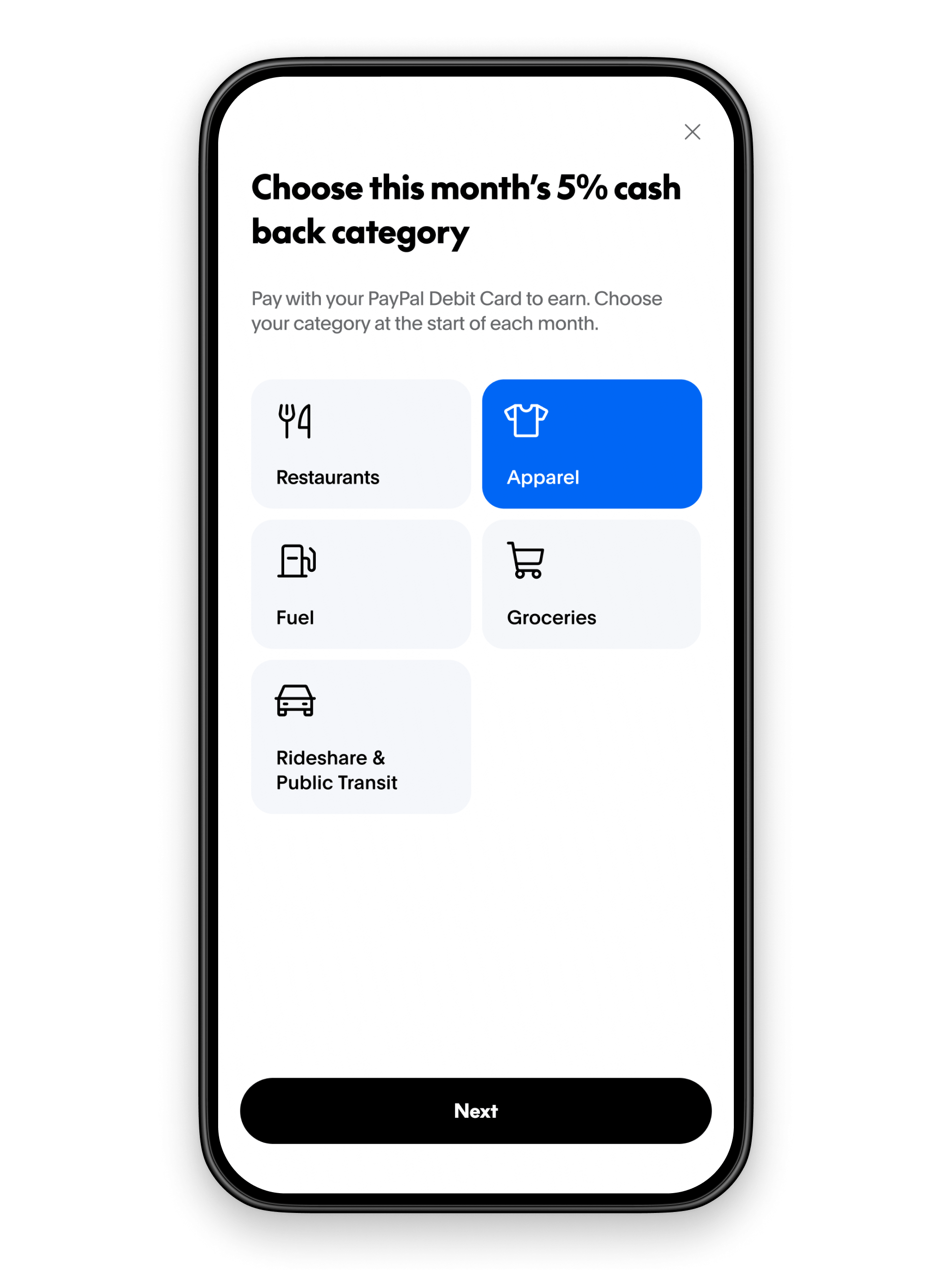
Rewards and Cashback Opportunities: The PayPal Cashback Mastercard offers a competitive cashback rate on all purchases, turning everyday spending into savings. For individuals, this can mean extra cash back at the end of the month; for businesses, it translates into a reduction in operational costs, enhancing profitability.
Eligibility and Preparation: Setting the Stage for Your Application
Before diving into the application process, it’s essential to understand the requirements and gather the necessary information. This preparation minimizes delays and increases the likelihood of a successful application, ensuring a smooth path to acquiring your chosen financial tool.
Core Requirements for Ordering a PayPal Card
PayPal, like any financial institution, has specific criteria for issuing cards to maintain compliance and manage risk. These requirements can vary slightly depending on the type of card you’re applying for.
- Active PayPal Account (Personal or Business): This is the foundational requirement. You must have a verified PayPal account in good standing. For the PayPal Debit Mastercard, a personal account is typically sufficient, but a business account is also eligible. For the PayPal Cashback Mastercard, a personal account is the primary route.
- Identity Verification (KYC): To comply with “Know Your Customer” (KYC) regulations, PayPal requires identity verification. This often involves providing your full legal name, date of birth, and Social Security Number (SSN) or Individual Taxpayer Identification Number (ITIN). This process is vital for preventing fraud and money laundering, aligning with responsible financial practices.
- Age Requirements: Applicants typically need to be 18 years or older (or the age of majority in their state) to apply for any PayPal card.
- Creditworthiness (for Credit Cards): For the PayPal Cashback Mastercard, which is a credit card, your credit history and score will be a significant factor. PayPal, through its issuing bank, will perform a credit check to assess your ability to manage credit responsibly. A strong credit score generally improves your chances of approval and may lead to a higher credit limit.
Essential Information and Documentation You’ll Need
Having your personal and financial details readily available will streamline the application process.
- Personal Details: Be prepared to provide your full legal name, current residential address, date of birth, and your Social Security Number (SSN) or Individual Taxpayer Identification Number (ITIN). This information is used for identity verification and credit checks.
- Financial Information (for credit applications): When applying for the PayPal Cashback Mastercard, you might be asked for information regarding your income and employment status. This helps the issuer determine your capacity to repay credit.
- Proof of Address/Identity (if required for verification): In some cases, especially if your account isn’t fully verified or if there are discrepancies, PayPal may request additional documentation, such as a driver’s license, passport, or utility bill, to confirm your identity and address. While not always needed upfront, it’s wise to have these documents accessible.
The Step-by-Step Process: Navigating the Application
Once you’ve determined the right PayPal card for your financial needs and gathered the necessary information, the application process itself is designed to be straightforward. Following these steps carefully will ensure a smooth application experience.
Locating the Card Application Section on PayPal
The starting point for ordering a PayPal card is always within your existing PayPal account.
- Via Desktop Website: Log in to your PayPal account. Navigate to the “Wallet” section or look for a “Cards” or “Apply for a Card” link, often found in the main navigation or under specific product offerings. PayPal regularly updates its interface, so you might also find promotions or direct links for card applications on your account dashboard.
- Via Mobile App: Open the PayPal mobile app and log in. Similar to the desktop version, look for a “Wallet” tab or a section dedicated to PayPal’s financial products, which should include options to apply for a card. The app often features more prominent calls to action for new financial offerings.
Filling Out the Application Form Accurately
The application form will guide you through a series of questions. Accuracy is key to a successful application.
- Selecting the Desired Card Type: Ensure you select the specific PayPal card you intend to apply for (e.g., PayPal Debit Mastercard, PayPal Cashback Mastercard, PayPal Prepaid Mastercard).
- Entering Personal and Financial Information: Carefully input all requested details, double-checking for any typos. This includes your name, address, date of birth, SSN/ITIN, and any income details required for credit card applications. Discrepancies between your application and existing PayPal account information, or with credit bureau data, can lead to delays or denial.
- Reviewing Terms and Conditions: Before submitting, thoroughly read and understand the terms and conditions associated with the card. This includes interest rates, fees (e.g., ATM fees, foreign transaction fees, annual fees for credit cards), reward structures, and cardholder agreements. Understanding these financial commitments is crucial for responsible card usage.
Submission and What to Expect Post-Application
After reviewing and confirming all information, you’ll submit your application. The timeline and outcome can vary.
- Instant Approval/Denial (for some cards): For the PayPal Debit Mastercard and sometimes for the PayPal Prepaid Mastercard, approval can be almost instantaneous if your account is fully verified and meets all criteria. For the credit card, a preliminary decision might be given quickly, but a more thorough review often follows.
- Application Review Process: If your application isn’t instantly approved, it will enter a review phase. This is standard, especially for credit cards, where a more extensive credit check is performed. During this time, PayPal or its issuing bank may contact you for additional information or verification.
- Receiving Your Card by Mail: Once approved, your physical card will typically be mailed to your registered address within 7-10 business days. Upon arrival, you’ll need to activate it, usually through your PayPal account online or via a dedicated activation portal, before you can start using it.
Maximizing Your PayPal Card’s Financial Utility
Acquiring a PayPal card is just the beginning. To truly harness its power as a financial tool, you must understand how to integrate it effectively into your spending habits and broader financial strategy. This involves smart usage, awareness of its operational parameters, and leveraging its features to meet your financial goals.
Smart Usage for Everyday Spending and Budgeting
Using your PayPal card strategically can significantly improve your financial discipline and efficiency.
- Linking to Your PayPal Balance: For the PayPal Debit Mastercard, ensure your PayPal balance is adequately funded. This allows for seamless spending and makes it an excellent tool for managing income received directly into PayPal. Regularly checking your balance before large purchases prevents declined transactions.
- Setting Spending Limits (for prepaid/debit): The PayPal Prepaid Mastercard is inherently a budgeting tool, as you can only spend what you load. For the debit card, while not a hard limit, being mindful of your available balance acts as a natural cap. For business owners, using these cards for specific expense categories (e.g., marketing budget, travel) can help prevent overspending in those areas.
- Monitoring Transactions: Regularly review your transaction history within your PayPal account. This helps in identifying unauthorized charges, tracking spending patterns, and reconciling expenses, which is critical for personal budgeting and business accounting.
Understanding Fees, Limits, and Security Features
Being fully aware of the financial specifics and security protocols associated with your PayPal card is paramount.
- Monthly Fees, Transaction Fees, ATM Withdrawal Fees: While the PayPal Debit Mastercard generally has no monthly fee, ATM withdrawal fees or foreign transaction fees might apply. The PayPal Prepaid Mastercard often has a monthly fee, which can be waived under certain conditions. The PayPal Cashback Mastercard (credit card) typically has no annual fee, but interest charges apply if balances are carried over. Thoroughly understanding these charges prevents unexpected costs.
- Daily/Monthly Spending Limits: All cards have daily or monthly spending and ATM withdrawal limits. These are put in place for security and regulatory reasons. Knowing these limits is crucial for planning large purchases or cash withdrawals, especially for business operations.
- Fraud Protection and Security Tips: PayPal cards come with Mastercard’s fraud protection, offering zero liability for unauthorized purchases. However, users should always practice good security hygiene: keep your card information private, avoid phishing scams, use strong passwords for your PayPal account, and regularly monitor your transactions for suspicious activity. Immediately report any lost, stolen, or compromised cards to PayPal.
Integrating Your PayPal Card into Your Broader Financial Strategy
Your PayPal card should not exist in isolation but rather as a cohesive part of your overall financial ecosystem.
- Managing Online Income: For freelancers, online sellers, or gig economy workers, the PayPal Debit Mastercard provides an efficient way to access and spend online earnings without needing to transfer funds to a separate bank account, streamlining cash flow management.
- Separating Business and Personal Expenses: A PayPal Business Debit Mastercard, or even a dedicated PayPal Prepaid Mastercard for business expenses, can help entrepreneurs maintain clear distinctions between personal and business finances, simplifying tax preparation and expense reconciliation.
- Building Credit (with credit card): The PayPal Cashback Mastercard offers an opportunity to build or improve your credit score. Consistent on-time payments and responsible credit utilization demonstrate creditworthiness, which can open doors to better loan rates and other financial products in the future.
Common Issues and Troubleshooting
Even with careful planning, sometimes issues arise. Knowing how to address common problems associated with PayPal card applications and usage can save time and frustration, ensuring minimal disruption to your financial activities.
Why Your Application Might Be Declined
A declined application isn’t the end of the road; understanding the reasons can help you take corrective action.
- Incomplete Information: Any missing or inconsistent information on your application can lead to a decline. Double-checking all entries before submission is crucial.
- Credit History Issues (for credit cards): For the PayPal Cashback Mastercard, a low credit score, a history of late payments, high existing debt, or a limited credit history can result in denial. Reviewing your credit report beforehand can help identify and address potential issues.
- Unverified Account: If your PayPal account isn’t fully verified, or if there are any flags regarding unusual activity or identity discrepancies, your card application might be held or declined until these issues are resolved.
What to Do If Your Card is Lost, Stolen, or Damaged
Immediate action is vital in these situations to protect your funds and identity.
- Reporting the Issue to PayPal: As soon as you realize your card is lost or stolen, report it to PayPal immediately through their website, mobile app, or by calling their customer service. This activates fraud protection and prevents unauthorized transactions.
- Requesting a Replacement: After reporting, you’ll typically be prompted to order a replacement card. Your old card will be deactivated, and a new one with a different number will be issued and mailed to you.
- Freezing Your Card: Some PayPal cards might offer the option to temporarily “freeze” your card via the app or website, giving you time to locate it before reporting it permanently lost.
Contacting PayPal Support for Assistance
For any issues not covered here, or for personalized assistance, PayPal’s customer support is your primary resource.
- Accessing Support Channels: PayPal offers various support channels, including phone, email, and a help center with FAQs. Log into your account to find the most direct ways to contact them, as personalized support options might be available.
- Be Prepared with Account Details: When contacting support, have your PayPal account information and any relevant card details (if you have them) ready. This will help the support agent verify your identity and address your issue more efficiently.
Empowering Your Financial Journey with PayPal
Ordering a PayPal card is more than just getting a piece of plastic; it’s about extending the reach and utility of your digital finances into the everyday world. Whether you choose the direct access of the Debit Mastercard, the rewards and credit-building potential of the Cashback Mastercard, or the budgeting control of the Prepaid Mastercard, each option serves as a powerful financial tool.
By understanding the types of cards, meeting eligibility requirements, carefully navigating the application process, and employing smart usage strategies, you can seamlessly integrate a PayPal card into your personal or business financial management. These cards offer enhanced convenience, streamlined access to funds, opportunities for rewards, and robust security, ultimately empowering you to take greater control over your financial journey in the digital age.
aViewFromTheCave is a participant in the Amazon Services LLC Associates Program, an affiliate advertising program designed to provide a means for sites to earn advertising fees by advertising and linking to Amazon.com. Amazon, the Amazon logo, AmazonSupply, and the AmazonSupply logo are trademarks of Amazon.com, Inc. or its affiliates. As an Amazon Associate we earn affiliate commissions from qualifying purchases.