
The digital age has democratized entrepreneurship, offering an unprecedented opportunity for individuals to launch and operate their own businesses from virtually anywhere. The allure of flexible hours, autonomy, and the potential for significant income makes the prospect of an online venture incredibly appealing. However, while the barriers to entry might appear lower than traditional brick-and-mortar establishments, the path to a profitable and sustainable online business is paved with careful financial planning, astute decision-making, and a deep understanding of monetary flows. This guide will navigate the crucial financial considerations for anyone aspiring to open their own business online, ensuring a solid foundation for long-term success and wealth creation.
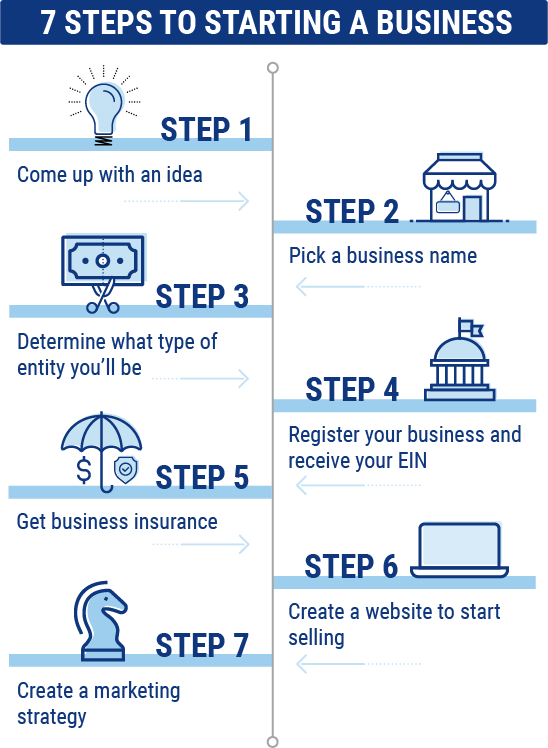
Understanding the Financial Landscape of Online Entrepreneurship
Embarking on an online business journey requires more than just a good idea; it demands a clear-eyed assessment of the financial realities. While the internet offers immense potential for cost savings, it also presents its own unique set of investments and risks that must be carefully managed to ensure profitability.
Dispelling Myths: Low Barrier to Entry vs. Financial Reality
One of the most pervasive myths surrounding online businesses is the idea of a “free” or “extremely cheap” startup. While it’s true you might not need a storefront or a large inventory initially, every legitimate online business requires some form of financial investment. These investments span from domain registration and web hosting to necessary software subscriptions, marketing spend, and potentially initial product development or service provisioning. The “low barrier to entry” often refers to the ease of getting started, not necessarily the absence of financial commitment. Understanding that legitimate tools and strategies often come with a cost is the first step in building a financially sound online enterprise. Avoiding this reality can lead to undercapitalization and premature failure. Real financial planning acknowledges these costs and budgets for them appropriately.
Identifying Profitable Niches and Market Demand
The cornerstone of any successful business, online or offline, is identifying a niche with sufficient market demand and a clear path to profitability. For an online business, this means researching market gaps, understanding consumer pain points, and evaluating the potential for monetisation. This isn’t just about what people want, but what they are willing to pay for. Financial analysis plays a critical role here:
- Market Size & Spend: Is the target market large enough to sustain your business, and do customers in this niche have disposable income for your offerings?
- Competition Analysis: Evaluate competitors’ pricing strategies, revenue models, and market share. Can you compete effectively on price, value, or differentiation, while still maintaining healthy profit margins?
- Monetisation Models: How will you make money? Selling physical products, digital products, services, subscriptions, advertising, or affiliate commissions? Each model has different cost structures, revenue potentials, and scalability. Choose one that aligns with your financial goals and resource availability.
- Profit Margins: Research the typical profit margins within your chosen niche. Some industries inherently offer higher margins, allowing for greater financial flexibility and quicker reinvestment. Prioritizing niches with strong profit potential from the outset significantly enhances your chances of financial success.
Startup Costs: Beyond the Obvious
Beyond the basic domain and hosting, several other initial financial outlays are critical for an online business. Budgeting for these from day one prevents financial surprises and ensures a smooth launch.
- Website Development/Platform Fees: Whether you use a DIY builder (like Shopify, Squarespace) with monthly fees or invest in custom development, there’s a cost.
- Essential Software & Tools: Email marketing platforms, accounting software, project management tools, graphic design subscriptions, CRM systems, payment processing fees (e.g., Stripe, PayPal). These are operational costs that directly impact efficiency and professionalism.
- Legal & Compliance: Business registration fees, legal advice, licensing, and compliance with data privacy regulations (like GDPR) are non-negotiable costs that protect your financial interests and reputation.
- Initial Marketing & Advertising: While organic growth is ideal, initial paid advertising (Google Ads, social media ads) is often necessary to gain traction. This is a critical investment to generate early revenue.
- Product/Service Development: If you’re selling products, consider manufacturing costs, inventory, shipping, and packaging. For services, consider the cost of your time, training, or specific tools required.
- Contingency Fund: Always allocate a portion of your startup budget (15-20%) as a contingency for unforeseen expenses. This financial buffer is crucial for surviving initial challenges without derailing your entire venture.
Crafting a Robust Financial Strategy for Profitability
With a clear understanding of the financial landscape, the next step is to build a detailed financial strategy. This involves selecting appropriate business models, defining pricing, and securing funding, all with a relentless focus on profitability and sustainable growth.
Business Model Selection: A Financial Perspective
The choice of business model dictates your revenue streams, cost structure, and overall financial viability.
- E-commerce (Products): Involves inventory management, shipping logistics, and payment processing. Financial considerations include cost of goods sold (COGS), storage fees, and robust fraud prevention measures. Dropshipping can reduce inventory costs but often comes with lower margins.
- Services (Consulting, Coaching, Freelancing): Your time is your inventory. Focus on hourly rates, project-based fees, and the scalability of your services. Financial planning here involves valuing your time appropriately and understanding the capacity constraints of a service-based model.
- Digital Products (Courses, E-books, Software): High upfront development costs, but incredibly high-profit margins once created, as replication costs are minimal. Focus on marketing and distribution channels.
- Subscription Models (SaaS, Membership Sites): A highly attractive model due to recurring revenue. Financial planning revolves around customer acquisition cost (CAC), customer lifetime value (CLTV), and churn rate. A high CLTV relative to CAC indicates a financially healthy subscription business.
- Affiliate Marketing/Advertising: Revenue is performance-based. Low startup costs, but often requires significant traffic generation and content creation. Financial success hinges on understanding conversion rates and payment structures from partners.
Each model has distinct financial implications, and selecting one that aligns with your resources, expertise, and target market’s willingness to pay is paramount.
Pricing Strategies for Profitability
Pricing your offerings correctly is a delicate balance between attracting customers and ensuring your business is profitable. Undercutting your value can lead to financial strain, while overpricing can deter potential customers.
- Cost-Plus Pricing: Calculate all costs associated with delivering your product or service, then add a desired profit margin. This ensures you always cover your expenses.
- Value-Based Pricing: Price your offering based on the perceived value it provides to the customer. This can command higher prices, especially for unique or highly effective solutions.
- Competitor-Based Pricing: Analyze what competitors are charging and position your price accordingly. This is useful for competitive markets, but always ensure your price covers your own costs.
- Tiered Pricing: Offer different packages or levels of service at varying price points. This caters to different customer segments and budget levels, potentially increasing overall revenue.
- Psychological Pricing: Utilise strategies like ending prices in .99 or offering bundles to influence purchase decisions.
Regularly review and adjust your pricing based on market feedback, cost changes, and competitor actions to optimize for maximum profitability.
Funding Your Online Venture: Bootstrapping, Loans, and Investment
How you finance your online business can significantly impact its early trajectory and long-term financial health.
- Bootstrapping: Using your personal savings or initial revenue to fund your business. This is the most common method for online startups, allowing full control and avoiding debt. It demands stringent budgeting and a focus on generating revenue quickly.
- Small Business Loans: Traditional bank loans or online lenders can provide capital, especially once you have a clear business plan and some traction. Be mindful of interest rates and repayment schedules, which add to your operational costs.
- Crowdfunding: Platforms like Kickstarter or Indiegogo can raise capital from a large number of individuals, often in exchange for pre-orders or unique rewards. This is a great way to validate your idea and build a community, but requires a compelling campaign.
- Angel Investors/Venture Capital: For high-growth potential businesses, external investors can provide significant capital in exchange for equity. This path usually involves giving up a portion of ownership and control but can accelerate growth exponentially.
Choose a funding strategy that aligns with your business’s growth potential, risk tolerance, and the amount of control you wish to maintain.
Managing Your Business Finances for Sustainable Growth
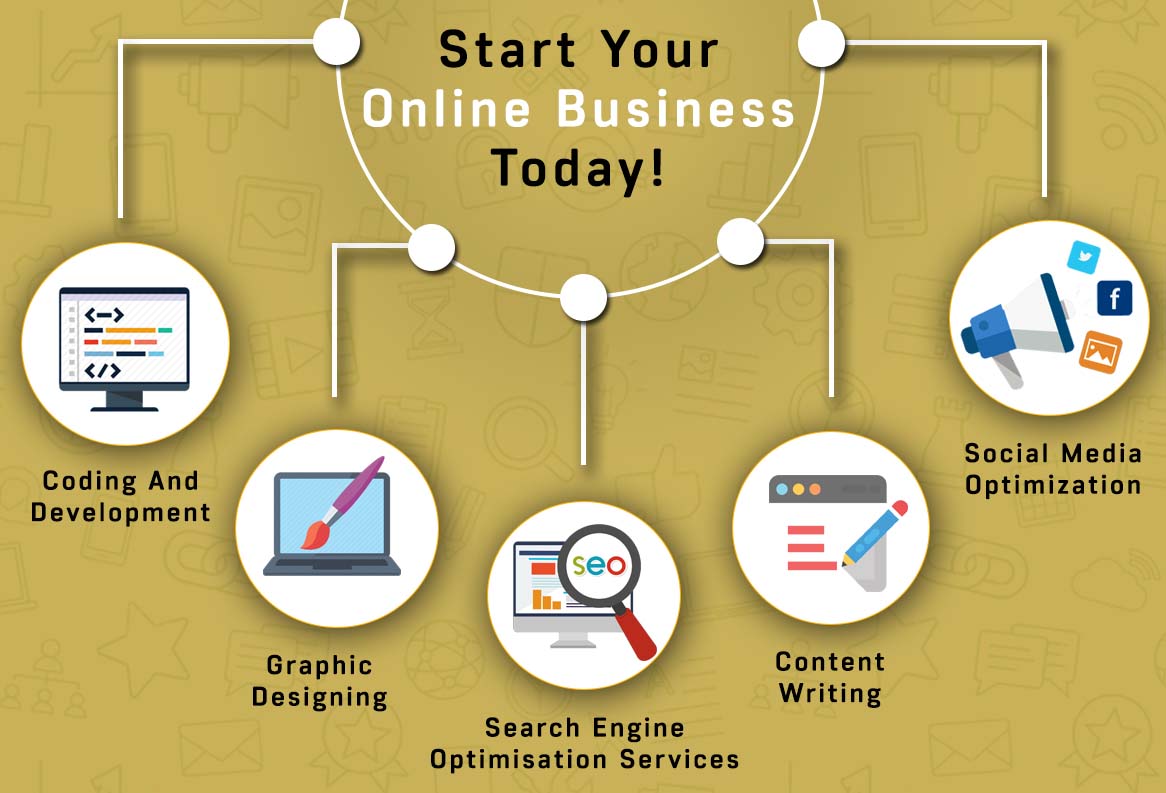
Opening an online business is just the beginning; effective financial management is what sustains it. This involves diligent tracking, strategic revenue generation, and compliance with financial regulations to ensure long-term stability and growth.
Budgeting and Expense Tracking
A detailed budget is your financial roadmap. It helps you allocate resources wisely, control spending, and understand where your money is going.
- Categorize Expenses: Group your expenses (e.g., marketing, subscriptions, operational, COGS, salaries) to identify areas where you might be overspending or where efficiencies can be found.
- Regularly Review: Compare actual spending against your budget monthly or quarterly. This allows for timely adjustments and prevents financial drift.
- Utilize Financial Tools: Accounting software like QuickBooks, Xero, or FreshBooks can automate expense tracking, generate financial reports, and streamline bookkeeping. These tools are indispensable for maintaining accurate financial records.
- Forecasting: Project future revenues and expenses to anticipate cash flow challenges and opportunities. This proactive approach allows you to make informed decisions about inventory, hiring, or expansion.
Diligent budgeting and expense tracking are not just about saving money; they provide critical insights into the financial health of your online business.
Revenue Generation and Diversification
While generating revenue is the ultimate goal, a financially robust online business often diversifies its income streams to mitigate risk and increase overall stability.
- Primary Revenue Stream Optimization: Continuously work to improve conversion rates, increase average order value (AOV), and attract more paying customers for your core offering.
- Cross-selling and Upselling: Offer complementary products or services to existing customers. It’s often easier and more cost-effective to sell more to current customers than to acquire new ones.
- Expanding Product/Service Lines: Introduce new offerings that cater to your existing audience or tap into adjacent markets, always evaluating their financial viability and potential for cannibalization.
- Multiple Monetisation Models: For content-driven businesses, this might mean combining affiliate marketing with digital product sales, advertising, and a premium membership tier. For e-commerce, it could involve adding a subscription box option alongside one-time purchases.
Diversifying revenue streams provides a financial buffer, making your business more resilient to market fluctuations and changes in consumer behavior.
Understanding Taxes and Legal Financial Obligations
Ignoring the legal and tax implications of an online business is a recipe for financial disaster. Proper compliance is essential for avoiding penalties and maintaining a reputable operation.
- Business Structure: Choose the right legal structure (Sole Proprietorship, LLC, S-Corp, C-Corp). This impacts your personal liability and how your business is taxed. Consult with a legal and tax professional to make the most financially advantageous choice.
- Sales Tax/VAT: If you sell products or services online, you may be required to collect and remit sales tax (in the US) or Value Added Tax (VAT, internationally) depending on your location and your customers’ locations. Understanding nexus rules is critical.
- Income Tax: Your business income will be subject to income tax. Understand how to track deductible expenses to minimize your taxable income.
- Payroll Taxes: If you hire employees (even remote contractors who act like employees), you will have payroll tax obligations.
- Record Keeping: Maintain meticulous financial records for all income and expenses. This is crucial for tax preparation, audits, and overall financial transparency.
Proactive engagement with tax professionals and legal advisors will save you significant financial headaches in the long run.
Scaling Your Online Business for Long-Term Income
Once your online business is generating consistent revenue, the focus shifts to scaling for long-term income and wealth creation. This means strategic reinvestment, automation, and continuous financial optimisation.
Reinvesting Profits for Expansion
The judicious reinvestment of profits is a cornerstone of sustainable growth. Instead of immediately drawing all profits, consider how reinvestment can fuel further expansion and increase future income potential.
- Marketing & Advertising: Allocate funds to scale successful marketing campaigns or test new channels to reach a wider audience.
- Product Development & Innovation: Invest in improving existing offerings or developing new ones to stay competitive and increase customer lifetime value.
- Technology & Infrastructure: Upgrade your website, invest in more powerful software, or enhance your server infrastructure to handle increased traffic and transactions.
- Team Expansion: Hire skilled individuals (virtual assistants, developers, marketers) to take on tasks that consume your time, allowing you to focus on strategic growth initiatives.
- Inventory & Logistics: For product-based businesses, reinvesting in inventory and improving logistics can prevent stockouts and improve customer satisfaction.
Every reinvestment should be viewed as a calculated financial decision, with an expected return on investment (ROI) that contributes to greater future profitability.
Automating Financial Processes
As your online business grows, manual financial processes become time-consuming and prone to error. Automating these processes can save valuable time and reduce operational costs, directly impacting your bottom line.
- Automated Invoicing & Payments: Use accounting software to automatically generate and send invoices, track payments, and send reminders.
- Expense Categorisation: Many accounting tools can automatically categorise transactions imported from bank feeds, significantly reducing manual data entry.
- Payroll Automation: If you have employees, use payroll services to automate salary payments, tax deductions, and compliance reporting.
- Financial Reporting: Automate the generation of key financial reports (profit & loss, balance sheet, cash flow statements) to get real-time insights into your business’s financial performance.
- Subscription Management: For recurring revenue businesses, automate the billing, renewal, and dunning processes to minimize churn and maximize subscription income.
Automation frees up your time, reduces errors, and provides clearer financial visibility, all contributing to a more efficient and profitable online operation.

Monitoring Key Financial Metrics for Growth
To truly understand the health and potential of your online business, continuous monitoring of key financial performance indicators (KPIs) is essential. These metrics offer invaluable insights for strategic decision-making.
- Customer Acquisition Cost (CAC): The total cost of acquiring a new customer. A lower CAC means higher profitability.
- Customer Lifetime Value (CLTV): The total revenue a business can expect to generate from a single customer account over the period of their relationship. A high CLTV indicates a sustainable business model.
- Conversion Rate: The percentage of website visitors who complete a desired action (e.g., make a purchase, sign up for a newsletter). A higher conversion rate means more efficient use of marketing spend.
- Average Order Value (AOV): The average amount of money a customer spends per transaction. Increasing AOV directly boosts revenue.
- Churn Rate: The rate at which customers stop doing business with you. High churn is a major threat to recurring revenue models.
- Gross Profit Margin & Net Profit Margin: Essential indicators of how efficiently your business is converting revenue into profit.
Regularly analyzing these metrics allows you to identify trends, pinpoint areas for improvement, and make data-driven financial decisions that accelerate growth and cement your business’s long-term financial success.
Opening an online business is an exciting venture, rich with financial potential. By approaching it with a disciplined financial strategy, diligent management, and a focus on long-term profitability, entrepreneurs can transform their digital dreams into a sustainable source of income and financial freedom.
aViewFromTheCave is a participant in the Amazon Services LLC Associates Program, an affiliate advertising program designed to provide a means for sites to earn advertising fees by advertising and linking to Amazon.com. Amazon, the Amazon logo, AmazonSupply, and the AmazonSupply logo are trademarks of Amazon.com, Inc. or its affiliates. As an Amazon Associate we earn affiliate commissions from qualifying purchases.