
The dream of financial independence, flexibility, and building something of your own often begins with the idea of a home-based business. For many, the allure of shedding the daily commute and office politics in favor of a personal workspace is strong. However, transforming this dream into a tangible, profitable reality requires more than just a good idea and a spare room. It demands meticulous financial planning, a clear understanding of market dynamics, and a disciplined approach to managing your business’s fiscal health. This guide delves into the essential monetary considerations and strategic financial steps required to successfully launch and grow your own business from the comfort of your home.
Laying the Financial Foundation for Your Home Business
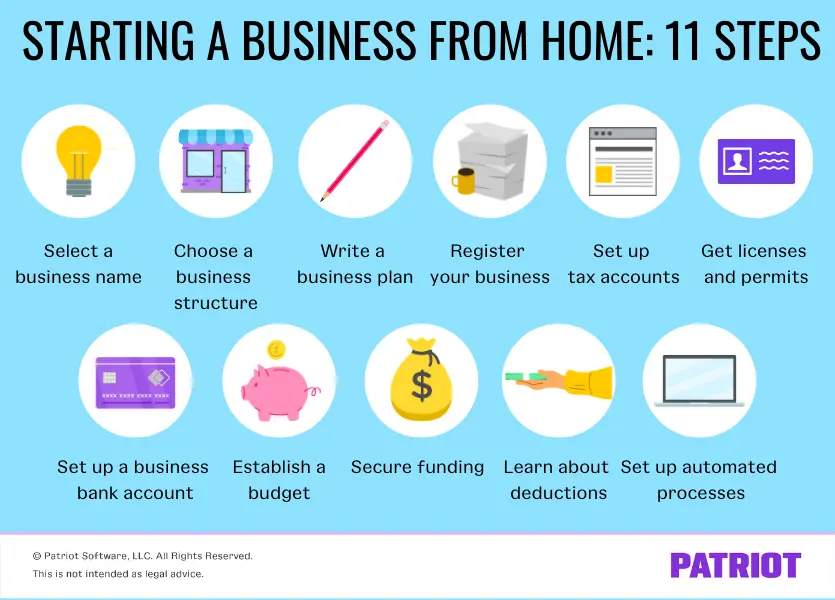
Before you even think about clients or products, establishing a robust financial foundation is paramount. This initial phase involves calculating your startup costs, structuring your business legally, and clearly delineating your personal and business finances.
Initial Capital and Budgeting
Starting a home business often implies lower overheads compared to a traditional brick-and-mortar operation, but it’s rarely free. You’ll need to accurately estimate your initial capital requirements. This includes everything from essential equipment (computer, printer, specialized tools) and software subscriptions to initial marketing efforts, website development, legal fees, and any necessary licenses or permits. Beyond these one-time expenses, you must also budget for ongoing operational costs. Categorize these into fixed costs (e.g., software subscriptions, rent allocation for home office, insurance) and variable costs (e.g., marketing spend, raw materials, payment processing fees) to gain a clear picture of your burn rate. Critically, assess your personal financial readiness. Do you have an emergency fund that can sustain your personal expenses for several months? This buffer is crucial, as revenue from a new business can be unpredictable in the early stages. A realistic budget ensures you don’t run out of funds before your business can generate sustainable income, preventing undue stress and allowing you to focus on growth.
Choosing the Right Legal Structure
The legal structure of your home business has significant financial implications, particularly concerning taxation, liability, and administrative complexity. The most common options for home-based entrepreneurs include:
- Sole Proprietorship: Simple to set up and maintain, this structure means your business and personal assets are treated as one for legal and tax purposes. While easy, it offers no personal liability protection, meaning your personal assets could be at risk if your business incurs debt or legal issues.
- Limited Liability Company (LLC): An LLC provides a legal distinction between your personal and business assets, shielding you from personal liability for business debts or lawsuits. It offers flexibility in taxation, allowing you to be taxed as a sole proprietor, partnership, or even a corporation. This is often a popular choice for home businesses seeking a balance of protection and simplicity.
- S-Corporation/C-Corporation: These structures offer strong liability protection and potential tax advantages, especially as your business grows. However, they are more complex to establish and maintain, requiring more stringent record-keeping and regulatory compliance.
Consulting with a legal or financial advisor is highly recommended to determine the best structure that aligns with your business goals, risk tolerance, and projected income, ensuring you optimize your tax situation and protect your personal wealth.
Separating Business and Personal Finances
This might seem obvious, but it’s a critical step that many home-based entrepreneurs overlook, often leading to headaches come tax season and blurring the lines of financial accountability. From day one, open a separate business bank account and, if applicable, a separate business credit card. All business income should be deposited into, and all business expenses paid from, these accounts. This separation simplifies bookkeeping, makes tracking deductible expenses easier, and provides a clear financial picture of your business’s performance. It also reinforces the legal distinction between you and your business, especially if you operate as an LLC or corporation, offering an additional layer of personal asset protection. This discipline is the bedrock of sound business financial management.
Identifying Profitable Home-Based Business Ideas
The market is saturated with home-based business opportunities, but not all are created equal in terms of profitability. Identifying a viable idea requires strategic insight into market demand and understanding various monetization strategies.
Market Research and Niche Selection
The foundation of any profitable business lies in solving a problem or fulfilling a need that customers are willing to pay for. Conduct thorough market research to identify areas of demand within the home-based sector. What services or products are people actively searching for online? What pain points do existing solutions fail to address adequately? Once identified, carve out a specific niche. A niche market is a subset of a larger market with its own unique needs and preferences. For example, instead of offering general “graphic design,” specialize in “graphic design for eco-friendly small businesses.” This targeted approach allows you to focus your resources, become an expert in a specific area, and command potentially higher prices due to your specialized value proposition. Analyze competitors within your chosen niche: how do they generate revenue? What are their pricing structures? This intelligence helps you position your offerings competitively and develop a robust revenue model.
Monetization Strategies for Home-Based Ventures
Home businesses offer a diverse range of ways to generate income. Understanding these models is crucial for designing a profitable venture:
- Service-Based Models: Ideal for professionals, consultants, coaches, or freelancers who sell their expertise, time, and skills (e.g., virtual assistant, content writer, marketing consultant, online tutor). Income is typically hourly, project-based, or subscription-based.
- Product-Based Models: Involves selling physical or digital products. This can range from e-commerce (dropshipping, print-on-demand, selling handmade goods on platforms like Etsy) to creating and selling digital products (e-books, online courses, stock photos, software templates).
- Affiliate Marketing: Earning commissions by promoting other companies’ products or services. This often involves creating content (blog posts, reviews) and directing traffic to affiliate links.
- Subscription Models: Offering ongoing access to a product or service for a recurring fee (e.g., membership sites, software-as-a-service, curated product boxes).
The key is to select a model that aligns with your skills, resources, and the market need, ensuring a clear path to sustained income.
Validating Your Business Idea
Before investing significant time and money, validate your business idea to ensure it has genuine market potential. This involves testing assumptions about customer interest and willingness to pay. A popular approach is the Minimum Viable Product (MVP) concept, where you create a basic version of your product or service with just enough features to satisfy early customers and gather feedback for future development. For service businesses, this could involve offering pilot programs at a reduced rate to a select group of early adopters. Surveys, focus groups, and even pre-sales campaigns can also gauge interest and collect valuable insights without full-scale commitment. Financial projections based on these validation efforts can help you refine your revenue expectations and adjust your business model for optimal profitability. The goal is to prove market acceptance and potential revenue streams before you fully launch.
Funding Your Home-Based Venture
While often requiring less capital than traditional businesses, home ventures still need funding. Understanding your options is crucial for securing the necessary resources without undue financial strain.
Bootstrapping and Self-Funding
For most home-based businesses, bootstrapping is the most common and often the most financially prudent approach. Bootstrapping means funding your business primarily from your personal savings or from the initial revenues generated by the business itself, rather than external investment. This method encourages lean operations, minimizes debt, and forces you to be resourceful and cost-conscious. Many entrepreneurs start their home businesses as a “side hustle” while still employed, using their salary to fund early operations and gain traction. This gradual approach allows for organic growth and reduces personal financial risk. While it requires discipline and patience, bootstrapping fosters a strong sense of ownership and financial independence.
Exploring Small Business Loans and Grants
As your home business grows or if it requires significant upfront investment, you might explore external funding. Small business loans are available from various sources:
- SBA Loans: The U.S. Small Business Administration (SBA) offers various loan programs, often facilitated through traditional lenders, designed to help small businesses access capital. These typically have favorable terms but require a solid business plan and good credit.
- Microloans: Offered by non-profit organizations, microloans are smaller loans (typically up to $50,000) for startups and small businesses, often with less stringent requirements than traditional bank loans.
- Traditional Bank Loans: Banks offer term loans or lines of credit, though they usually require collateral, a strong credit history, and a proven track record.
Grants are another attractive option as they don’t need to be repaid. While competitive, government grants (federal, state, and local) and private foundation grants are available, often for businesses in specific industries, underserved communities, or those with innovative ideas. Researching eligibility criteria and meticulously crafting grant proposals is key.
Alternative Funding Options

Beyond traditional loans and grants, several alternative funding avenues can be particularly relevant for home-based businesses:
- Crowdfunding: Platforms like Kickstarter and Indiegogo allow you to raise small amounts of capital from a large number of people, often in exchange for pre-orders, unique products, or early access. This can also serve as a powerful market validation tool.
- Friends and Family Investments: While a common source, it’s crucial to treat these as formal investments with clear agreements, terms, and repayment schedules to avoid straining personal relationships.
- Angel Investors: Less common for initial home-based setups, but if your home business has significant scalability and high-growth potential, angel investors (wealthy individuals who provide capital for a share in equity) might be an option. This typically applies to tech startups or businesses with a clear path to significant market disruption.
Each funding option carries different implications for ownership, repayment, and risk. Carefully evaluate which path aligns best with your business model and financial philosophy.
Managing Your Home Business Finances
Effective financial management is the backbone of a sustainable and profitable home business. It involves diligent record-keeping, astute cash flow management, and proactive tax planning.
Essential Financial Tools and Software
Leveraging the right technology can streamline your financial processes significantly. Consider integrating:
- Accounting Software: Tools like QuickBooks, Xero, or Wave (a free option) automate bookkeeping, track income and expenses, generate financial reports, and simplify tax preparation. These platforms are indispensable for maintaining accurate financial records.
- Budgeting and Expense Tracking Apps: For granular control, apps like Mint or YNAB can help you monitor spending against your budget, ensuring you stay on track.
- Payment Processing Solutions: Services such as Stripe, PayPal, or Square allow you to securely accept payments from customers, whether online or in person. They integrate with most e-commerce platforms and accounting software.
- Time Tracking Software: If you’re a service-based business, tools like Toggl or Clockify can help you accurately bill clients for your time, ensuring you’re compensated fairly and efficiently.
Investing in these tools early on saves time, reduces errors, and provides critical insights into your financial health.
Mastering Cash Flow Management
Cash flow is the lifeblood of any business, particularly a home-based one where personal and business finances can sometimes intertwine. Positive cash flow means more money is coming into your business than going out. To master it:
- Understand Income vs. Expenses: Regularly review your profit and loss statements to understand where your money is coming from and where it’s going.
- Forecast Cash Flow: Create projections for your expected income and expenses over the next 3, 6, or 12 months. This helps identify potential shortfalls and allows you to plan proactively.
- Manage Accounts Receivable: Send invoices promptly and follow up on overdue payments. Clear payment terms can prevent delays.
- Manage Accounts Payable: Pay your bills on time to maintain good vendor relationships, but strategically manage payment dates to optimize your cash on hand.
- Set Aside Funds for Taxes: A significant challenge for self-employed individuals is the responsibility for estimated quarterly taxes. Set aside a percentage of your income regularly into a separate savings account to avoid a large, unexpected tax bill.
Effective cash flow management prevents liquidity crises and allows for strategic decision-making and investment.
Tax Planning and Compliance
Tax obligations for home-based businesses can be complex, but proactive planning can minimize your tax burden and ensure compliance. Understand the various deductible expenses available to home businesses:
- Home Office Deduction: If you use a part of your home exclusively and regularly for business, you can deduct a portion of your rent/mortgage interest, utilities, property taxes, and home insurance.
- Business Expenses: Deduct legitimate business expenses like equipment, software, marketing costs, professional development, and travel for business purposes.
- Self-Employment Taxes: As a self-employed individual, you are responsible for both the employer and employee portions of Social Security and Medicare taxes.
- Estimated Quarterly Taxes: If you expect to owe at least $1,000 in taxes, you’ll generally need to pay estimated taxes quarterly throughout the year.
Maintaining meticulous records of all income and expenses is not just good practice; it’s essential for audit protection and accurate tax filing. Given the intricacies, it’s highly advisable to consult with a qualified tax professional or accountant specializing in small businesses. They can help you identify all applicable deductions, navigate state and local tax requirements, and ensure you remain compliant, saving you money and stress in the long run.
Scaling and Sustaining Your Home-Based Income
Once your home business is generating consistent income, the next challenge is to scale effectively and ensure long-term financial stability. This requires strategic reinvestment and continuous performance monitoring.
Reinvesting Profits for Growth
A common mistake among new business owners is to withdraw all profits as personal income. While it’s tempting, strategic reinvestment is key to sustainable growth. Allocate a portion of your earnings back into the business to:
- Expand Marketing Efforts: Invest in paid advertising, content marketing, or public relations to reach a wider audience.
- Develop New Products or Services: Diversify your offerings to cater to existing customers or attract new segments.
- Upgrade Technology and Equipment: Improve efficiency and productivity with better software or tools.
- Hire Support: Even if it’s part-time or contract help, delegating tasks can free up your time for higher-value activities.
The goal is to find a balance between taking personal income and fueling your business’s expansion. Document a clear reinvestment strategy as part of your annual financial planning.
Monitoring Financial Performance and KPIs
Consistent monitoring of your business’s financial health is critical for making informed decisions and identifying growth opportunities or potential issues early. Establish Key Performance Indicators (KPIs) relevant to your business model. These might include:
- Revenue Growth Rate: How much your income is increasing over time.
- Profit Margin: The percentage of revenue left after deducting expenses.
- Customer Acquisition Cost (CAC): How much it costs to acquire a new customer.
- Customer Lifetime Value (CLTV): The total revenue you expect to generate from a customer over their relationship with your business.
- Operating Expenses Ratio: Your operating expenses as a percentage of your revenue.
Regularly review financial statements (profit and loss, balance sheet, cash flow statement) and analyze these KPIs. This practice allows you to identify trends, measure the effectiveness of your strategies, and make timely adjustments to optimize profitability and efficiency.
Planning for Long-Term Financial Stability
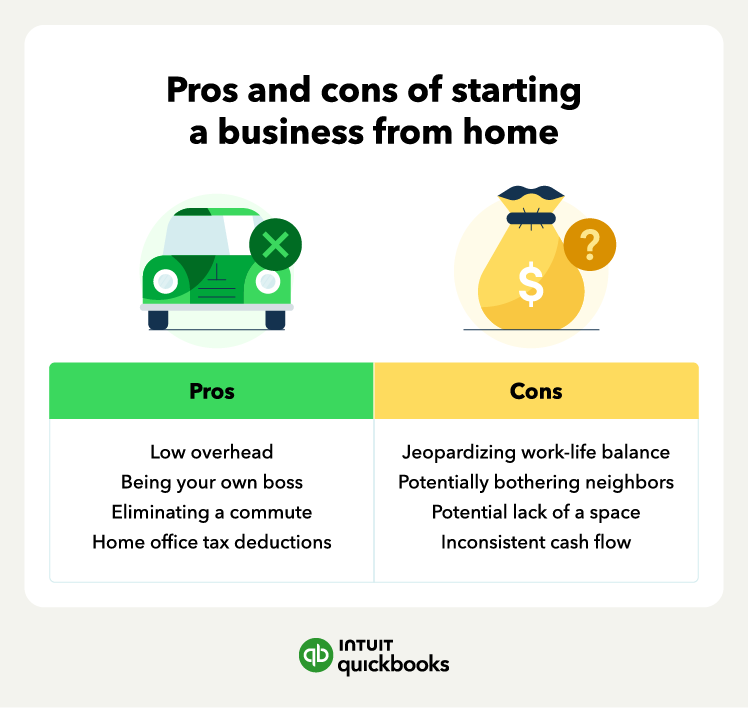
A truly successful home business not only generates income now but also creates long-term financial security for its owner. This involves looking beyond immediate profits:
- Building a Business Savings Buffer: Beyond your personal emergency fund, establish a savings account specifically for your business to cover unexpected expenses, fund future projects, or weather slow periods. Aim for 3-6 months of operating expenses.
- Diversifying Income Streams: Relying on a single product or service can be risky. Explore complementary offerings, different client segments, or passive income streams related to your niche to build resilience.
- Retirement Planning for Self-Employed Individuals: As a business owner, you’re responsible for your own retirement. Explore options like a SEP IRA, Solo 401(k), or SIMPLE IRA, which offer significant tax advantages and allow for substantial contributions.
- Exit Strategy and Succession Planning: Even if you plan to run your business indefinitely, having an eventual exit strategy (selling, passing it on) in mind can help you build value and prepare for future transitions, ensuring your hard work translates into a valuable asset.
Opening your own business from home is a journey that intertwines passion with practicality. By meticulously managing the financial aspects—from initial setup and funding to ongoing management and strategic growth—you lay the groundwork for a thriving, sustainable, and financially rewarding venture that truly empowers you to live life on your own terms.
aViewFromTheCave is a participant in the Amazon Services LLC Associates Program, an affiliate advertising program designed to provide a means for sites to earn advertising fees by advertising and linking to Amazon.com. Amazon, the Amazon logo, AmazonSupply, and the AmazonSupply logo are trademarks of Amazon.com, Inc. or its affiliates. As an Amazon Associate we earn affiliate commissions from qualifying purchases.