
Navigating the world of personal finance can seem daunting, especially when it comes to tools like credit cards. Often misunderstood, credit cards are not just a means to instant purchasing power but powerful financial instruments that, when used wisely, can unlock numerous benefits, from building a strong credit history to earning valuable rewards. Conversely, misuse can lead to debt and financial stress. This guide aims to demystify the process of opening a credit card, providing a professional, insightful, and engaging roadmap for individuals looking to embark on their credit journey responsibly. Whether you’re a young adult seeking your first card, new to a country’s financial system, or simply looking to understand the mechanics better, this article will equip you with the knowledge to make informed decisions and lay a solid foundation for your financial future.
Understanding the Fundamentals of Credit Cards
Before diving into applications, it’s crucial to grasp what a credit card is, how it functions, and the core terminology associated with it. This foundational understanding will empower you to use your credit card as a tool for financial growth rather than a source of potential pitfalls.
What is a Credit Card and How Does It Work?
At its core, a credit card is a revolving line of credit extended by a financial institution (like a bank or credit union) to a consumer. Unlike a debit card, which draws funds directly from your bank account, a credit card allows you to borrow money up to a pre-set limit to make purchases. When you use your credit card, you are essentially promising to repay the borrowed amount, plus any interest, according to the cardholder agreement. Each month, you receive a statement detailing your purchases, payments, and the minimum amount due. Paying your balance in full by the due date typically means you won’t incur any interest charges, thanks to what’s known as a grace period. If you carry a balance over, interest will be applied to the unpaid amount, making it more expensive. The bank profits from interchange fees charged to merchants and interest collected from cardholders who carry a balance, while cardholders benefit from convenience, security, and the ability to build credit.
The Benefits and Risks of Credit Card Ownership
Credit cards offer a host of benefits that extend beyond mere purchasing convenience. They are indispensable for building a credit history, which is vital for securing larger loans like mortgages or car loans, renting an apartment, and even for certain job applications. Many cards offer fraud protection, shielding you from unauthorized charges. Travel benefits, purchase protection, extended warranties, and cash-back rewards are common perks that can add significant value. For emergencies, a credit card can provide a financial safety net.
However, these benefits come with inherent risks if not managed properly. The most significant risk is accumulating high-interest debt. If you consistently carry a balance and only make minimum payments, the interest charges can rapidly increase your outstanding debt, trapping you in a cycle that’s difficult to escape. Late payments can severely damage your credit score, leading to higher interest rates on future loans and difficulty obtaining credit. Hidden fees, such as annual fees, balance transfer fees, and cash advance fees, can also erode your financial well-being if you’re not aware of them. Responsible credit card use requires discipline, a clear understanding of your spending habits, and a commitment to timely payments.
Key Terminology: APR, Credit Limit, Grace Period, Minimum Payment
Understanding the jargon is crucial for navigating your credit card effectively. The Annual Percentage Rate (APR) is the yearly interest rate charged on any outstanding balance. It’s often expressed as a monthly rate and varies widely depending on your creditworthiness and the card type. A higher APR means more expensive debt if you don’t pay in full. Your credit limit is the maximum amount of money you can borrow on your card at any given time. This limit is determined by the issuer based on your income, credit score, and overall financial profile. The grace period is the period between the end of your billing cycle and your payment due date, during which no interest is charged on new purchases if you pay your entire statement balance. It typically ranges from 21 to 25 days. Finally, the minimum payment is the smallest amount you must pay by the due date to keep your account in good standing. While making only the minimum payment prevents late fees, it will lead to interest charges and extend the time it takes to pay off your balance significantly.
Preparing for Your First Credit Card Application
Applying for a credit card, especially your first, requires a thoughtful approach. It’s not just about filling out a form, but about understanding your financial standing and preparing yourself to be a responsible cardholder. This preparatory phase is critical for increasing your chances of approval and setting you up for long-term success.
Assessing Your Financial Readiness
Before you even look at credit card offers, take an honest inventory of your financial situation. Can you reliably make payments on time, every month? Do you have a steady source of income, whether from a job, scholarships, or other regular means? While there’s no specific income threshold to qualify for a credit card, lenders want assurance that you can handle the debt responsibly. Consider your monthly budget: how much can you realistically allocate to credit card payments without compromising other essential expenses? If your income is irregular or your budget is tight, starting with a credit card might add unnecessary stress. It’s better to build a stable financial foundation first, perhaps by accumulating a small emergency fund, before taking on credit obligations. Remember, a credit card is a tool for convenience and credit building, not a substitute for an insufficient income.
Understanding Your Credit Score (or Lack Thereof)
Your credit score is a three-digit number that represents your creditworthiness – essentially, how likely you are to repay borrowed money. It’s a key factor lenders use to decide whether to approve your application, what credit limit to offer, and what interest rate to charge. Common scoring models include FICO and VantageScore. If you’ve never had a loan, mortgage, or credit card, you likely have a “thin” credit file or no credit score at all. This can be a hurdle for traditional credit card applications, as lenders have no history to assess your risk.
For those with existing credit history, obtaining a free copy of your credit report from annualcreditreport.com is a wise first step. Review it for any errors and understand the factors influencing your score, such as payment history, amounts owed, length of credit history, credit mix, and new credit. For those without a score, the challenge is to demonstrate creditworthiness without a track record, which leads us to specific strategies for first-time applicants.
Building a Foundation: Secured Cards and Authorized Users
If you have no credit history, direct routes to traditional unsecured credit cards can be difficult. However, several options can help you establish that crucial initial credit footprint. A secured credit card is often the most recommended starting point. With a secured card, you provide a cash deposit to the issuer, which typically becomes your credit limit. This deposit acts as collateral, significantly reducing the risk for the lender. By making regular, on-time payments, you demonstrate responsible credit behavior, and this activity is reported to the major credit bureaus, helping you build a positive credit history. After 6-12 months of responsible use, many secured cardholders can transition to an unsecured card or apply for one.
Another option is to become an authorized user on someone else’s credit card, typically a parent or trusted family member with excellent credit. As an authorized user, you get a card linked to their account, and the account’s history often appears on your credit report. It’s crucial that the primary cardholder uses the card responsibly and makes payments on time, as their activity will impact your credit. This method requires a high degree of trust and communication. Additionally, some credit builders offer services that report rent or utility payments to credit bureaus, providing alternative ways to establish a positive payment history.
Navigating the Application Process
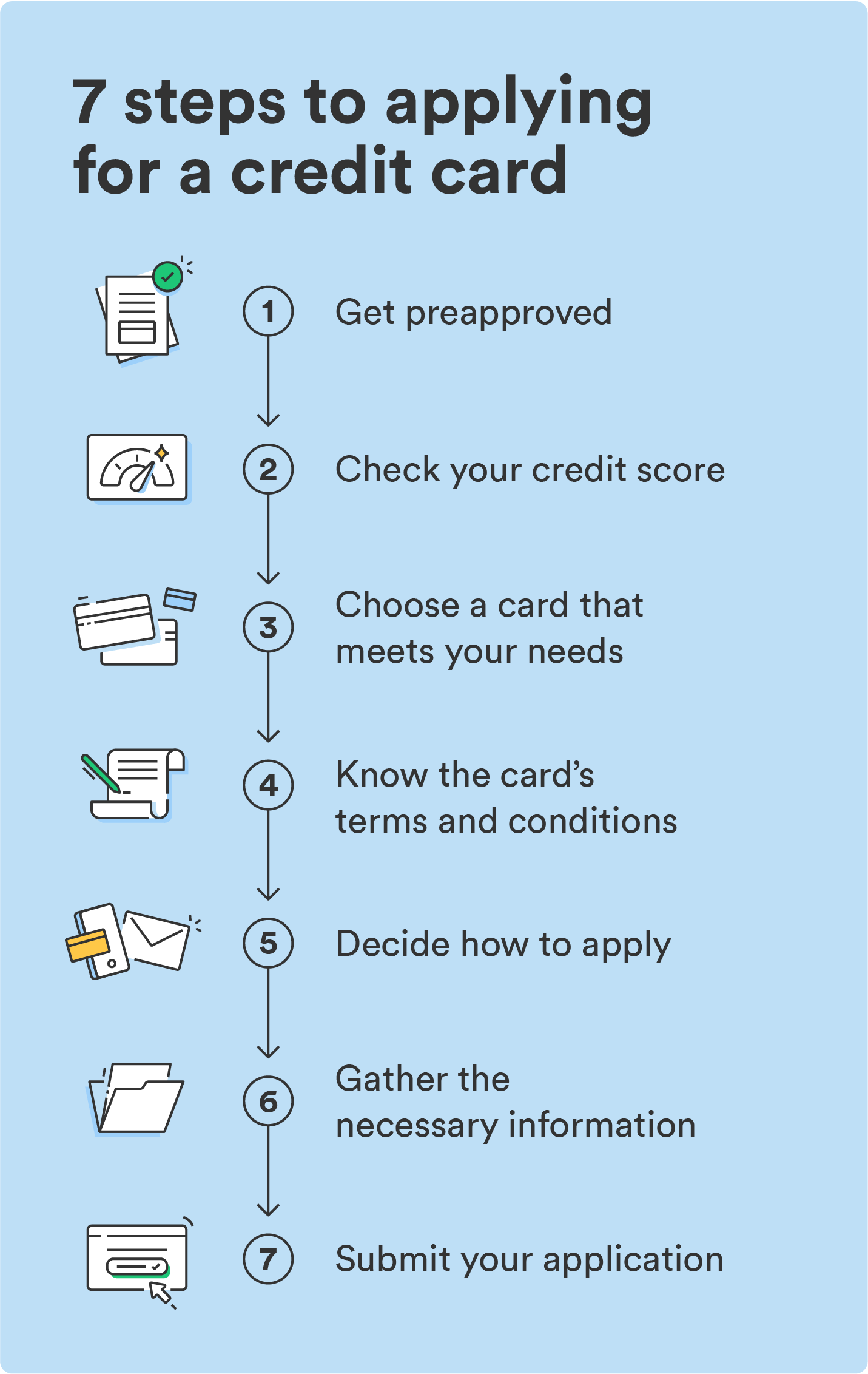
Once you’ve prepared financially and understand the basics of credit, it’s time to choose a card and go through the application. This stage requires careful consideration of various card types and a clear understanding of what information you’ll need to provide.
Choosing the Right Credit Card for Your Needs
Selecting the appropriate credit card is paramount, as different cards cater to different financial goals and lifestyles. For first-time applicants, or those with limited credit, options might be narrower, but it’s still important to understand the landscape.
- Secured Cards & Student Cards: As mentioned, secured cards are excellent for building credit. Student credit cards are tailored for college students, often offering lower credit limits and specific rewards, understanding that students may have limited income and no credit history. They typically require proof of enrollment.
- Rewards Cards (Cash Back, Travel, Points): These cards are popular for their ability to offer benefits on spending. Cash-back cards return a percentage of your purchases as cash. Travel cards offer points or miles redeemable for flights, hotels, or travel expenses. Points cards offer flexible points redeemable for various rewards. These are generally better for those with established good credit and who pay their balance in full each month to avoid interest negating rewards.
- Low APR Cards: Designed for those who anticipate carrying a balance occasionally. They feature lower interest rates, making it less costly to maintain a balance over time.
- Balance Transfer Cards: Offer introductory 0% APR periods on transferred balances from other credit cards, allowing you to pay down high-interest debt without incurring new interest for a set period. These are not for new cardholders.
- Retail/Store Cards: Often easier to get approved for, but typically have high APRs and can only be used at specific retailers. While they can help build credit, they should be used cautiously.
When choosing, evaluate annual fees, interest rates, credit limits, rewards structures, and any specific terms and conditions. Read the fine print carefully.
Gathering Required Documentation
Before you apply, gather the necessary information to ensure a smooth process. While requirements can vary slightly by issuer, common documents and information needed include:
- Personal Identification: Government-issued ID (driver’s license, passport, state ID).
- Social Security Number (SSN) or Individual Taxpayer Identification Number (ITIN): Essential for checking your credit and identity verification.
- Proof of Income: Pay stubs, tax returns, bank statements, or employer contact information. Lenders need to verify your ability to repay.
- Residential Information: Current and previous addresses.
- Contact Information: Phone number and email address.
- Bank Account Information: For setting up payments.
Having these details ready will expedite your application and prevent potential delays.
Submitting Your Application: Online vs. In-Person
Most credit card applications are submitted online, offering convenience and often an instant decision. This method is generally preferred for its speed and ease. When applying online, ensure you are on a secure website (look for “https://” in the URL). Read through all disclosures before submitting. Some prefer applying in person at a bank branch, especially if they have an existing relationship with the bank or wish to ask questions directly. Applying in person can sometimes be beneficial for those with unique financial situations or if they need guidance through the process. Regardless of the method, double-check all information for accuracy before submission. A single error could delay your application or lead to denial.
Understanding Approval and Denial
After submitting your application, you might receive an instant approval, an instant denial, or a “pending” status, meaning the issuer needs more time to review your information.
- Approval: Congratulations! Your issuer will send you the card within a certain number of business days, along with your cardholder agreement, credit limit, and APR details. It’s crucial to activate your card as instructed and review all accompanying documentation.
- Denial: If your application is denied, the issuer is legally required to send you an Adverse Action Notice explaining the specific reasons for the denial. This notice is invaluable. It helps you understand where you might need to improve your financial profile, such as reducing debt, improving your credit score, or increasing income. Do not apply for multiple cards immediately after a denial, as this can further damage your credit score due to multiple hard inquiries. Instead, address the reasons for denial and consider alternative options like secured cards.
- Pending: This usually means the issuer needs additional information or time for a manual review. You might be contacted for more details or asked to verify certain information.
Responsible Credit Card Management Once Approved
Getting approved for a credit card is just the first step; the real test lies in managing it responsibly. Proper credit card management is key to building a robust credit score, avoiding debt, and leveraging the benefits your card offers.
Making Payments On Time, Every Time
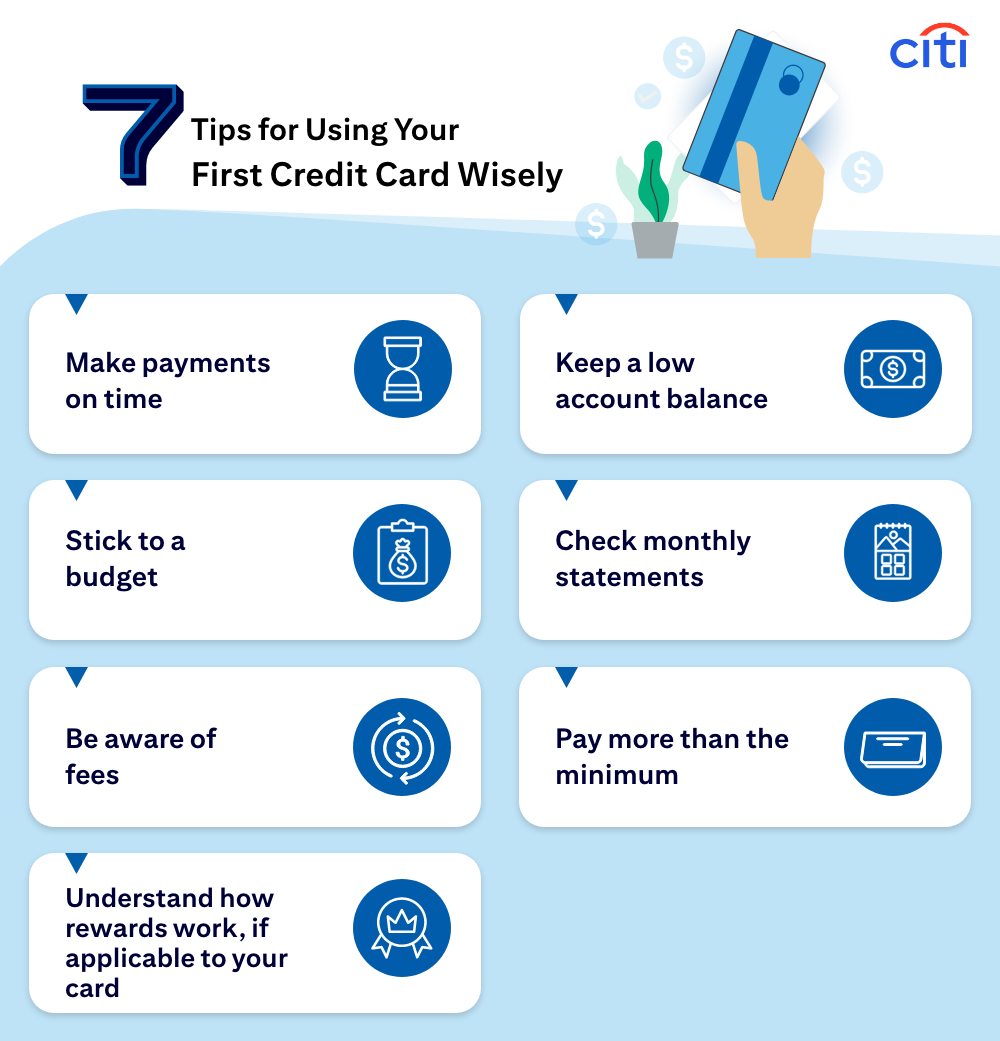
This is arguably the most critical aspect of responsible credit card use. Your payment history accounts for the largest portion (35%) of your FICO credit score. A single late payment can significantly drop your score and result in late fees. To ensure timely payments, consider setting up automatic payments from your checking account for at least the minimum amount due. Better yet, set up automatic payments for your full statement balance if your cash flow allows. If paying the full balance isn’t feasible, always pay at least the minimum by the due date. Set calendar reminders or use your bank’s notification services to avoid missing a payment. Consistency and punctuality demonstrate reliability to lenders and are the bedrock of a healthy credit profile.
Keeping Utilization Low
Credit utilization refers to the amount of credit you’re using compared to your total available credit. For example, if you have a credit limit of $1,000 and carry a balance of $300, your utilization is 30%. Experts generally recommend keeping your credit utilization below 30% across all your credit cards, and ideally even lower (under 10%) for optimal credit scoring. High utilization signals to lenders that you might be over-reliant on credit, potentially increasing your risk. To keep utilization low, aim to pay off your balance in full each month. If that’s not possible, make multiple payments throughout the billing cycle to reduce your reported balance when the statement closes. Avoid maxing out your card, even if you plan to pay it off, as the reported high utilization could temporarily lower your score.
Reviewing Your Statements and Monitoring for Fraud
Regularly reviewing your monthly credit card statements is a crucial habit. This practice allows you to:
- Verify Accuracy: Check all transactions for accuracy. Ensure every charge listed is one you made.
- Spot Fraud: Quickly identify any unauthorized charges, which could indicate identity theft or fraud. Report suspicious activity to your card issuer immediately. Most credit cards offer zero liability fraud protection, meaning you won’t be responsible for fraudulent charges.
- Track Spending: Monitor your spending habits and identify areas where you might be overspending. This helps with budgeting and financial planning.
- Confirm Payments: Ensure your payments have been processed correctly and that no late fees or incorrect interest charges have been applied.
Many card issuers offer online access to your statements and real-time transaction alerts, making it easier to stay on top of your account activity.
The Importance of Not Overspending
A credit card can feel like free money, but it’s important to remember that it’s borrowed money that you must repay. Overspending is a common pitfall that leads to accumulating high-interest debt. Treat your credit card like cash: if you wouldn’t buy it with money you have in your bank account, think twice before putting it on your credit card. Create a budget and stick to it. Use your credit card for purchases you’ve already budgeted for and can comfortably pay off in full by the due date. If you find yourself consistently carrying a balance or using your credit card for impulse purchases you can’t afford, it might be time to re-evaluate your spending habits or even temporarily put your card away to prevent further debt accumulation. Discipline is your best friend in credit card management.
Advanced Strategies and Future Considerations
Once you’ve mastered the fundamentals of responsible credit card use, you can explore more advanced strategies to maximize the benefits of your cards and plan for your financial future. These strategies focus on leveraging credit as a tool for wealth building and protection.
Leveraging Credit Cards for Rewards and Perks
For those with excellent credit who consistently pay their balances in full, credit cards can be a gateway to substantial rewards and exclusive perks. This is where strategic card selection truly shines.
- Optimizing Cash Back: Some cards offer rotating bonus categories (e.g., 5% back on groceries one quarter, gas another), while others provide flat rates on all purchases or elevated rates in specific categories like dining or travel. Understanding your spending patterns allows you to choose cards that align with where you spend most, maximizing your cash back earnings.
- Maximizing Travel Points/Miles: Travel credit cards often come with generous sign-up bonuses and ongoing rewards on travel-related spending. Points can be redeemed for flights, hotels, or travel packages, often offering more value than cash back when redeemed strategically. Many travel cards also include benefits like airport lounge access, free checked bags, travel insurance, and statement credits for global entry or TSA PreCheck.
- Utilizing Purchase Protections: Many cards offer benefits like extended warranties, purchase protection (covering theft or damage for a period after purchase), and price protection (refunding the difference if an item’s price drops). Knowing and using these can save you money and provide peace of mind.
- Accessing Concierge Services: High-end cards may offer complimentary concierge services, which can assist with restaurant reservations, event tickets, travel planning, and more, adding a layer of convenience to your life.
Remember, the value of rewards is negated if you incur interest charges by carrying a balance. Always pay in full to make these strategies truly beneficial.
Strategies for Increasing Your Credit Limit
A higher credit limit can be advantageous for several reasons: it lowers your credit utilization ratio (assuming your spending doesn’t increase proportionally), providing a boost to your credit score, and offers greater financial flexibility in emergencies. There are several ways to approach this:
- Automatic Increases: Many issuers will automatically increase your credit limit over time if you demonstrate responsible behavior, such as consistent on-time payments and low utilization.
- Requesting an Increase: After 6-12 months of responsible use, you can proactively request a credit limit increase. Most issuers allow this through their online portals or by phone. Be prepared to provide updated income information. While a “soft inquiry” (which doesn’t affect your score) might be used to review your account, sometimes a “hard inquiry” (which can slightly lower your score temporarily) might be initiated. Understand which type of inquiry will occur before proceeding.
- Showing Increased Income: If your income has significantly increased since your initial application, highlighting this when requesting an increase can strengthen your case.
Avoid requesting limit increases too frequently, as it might signal desperation to lenders.
When to Consider a Second Credit Card or Balance Transfer
As your credit history matures, you might consider opening a second credit card or performing a balance transfer.
- Second Credit Card: This can be beneficial for diversifying your credit mix, accessing different reward categories, or building a larger total credit line to keep utilization low. However, each new application results in a hard inquiry and a new account, which initially might slightly lower your average age of accounts – factors that temporarily impact your score. Only open a new card if you can manage the additional responsibility and have a clear financial goal for it.
- Balance Transfer: If you have high-interest debt on one card, a balance transfer card with a 0% introductory APR can be a powerful tool. This allows you to transfer the debt to the new card and pay it down without incurring interest for a promotional period (typically 12-21 months). Be aware of balance transfer fees (usually 3-5% of the transferred amount) and ensure you have a plan to pay off the balance before the promotional APR expires. This strategy is for debt consolidation, not for new spending.

Protecting Your Credit and Identity
Maintaining good credit is an ongoing process that also involves protecting yourself from fraud and identity theft.
- Regular Credit Report Checks: Annually, pull your free credit reports from all three major bureaus (Equifax, Experian, TransUnion) via annualcreditreport.com. Look for unfamiliar accounts, inaccurate personal information, or any signs of fraudulent activity.
- Security Practices: Use strong, unique passwords for your online banking and credit card accounts. Be wary of phishing emails and scams that attempt to solicit your personal information. Shred old credit card statements and documents containing sensitive data.
- Fraud Alerts and Credit Freezes: If you suspect identity theft, place a fraud alert on your credit report. For more robust protection, consider freezing your credit, which prevents new creditors from accessing your report without your explicit permission, making it harder for identity thieves to open accounts in your name.
- Monitor Account Activity: Beyond monthly statements, regularly check your online accounts for unusual transactions. Many banks offer real-time alerts for purchases over a certain amount or transactions made outside your usual spending patterns.
By diligently applying these advanced strategies and protective measures, you transform your credit card from a simple payment tool into a powerful asset that supports your long-term financial health and security.
Opening a credit card is a significant step in your financial journey. When approached with knowledge, discipline, and a commitment to responsible management, it can be an incredibly rewarding experience that paves the way for greater financial opportunities and security. Embrace this journey with confidence and a forward-looking perspective.
aViewFromTheCave is a participant in the Amazon Services LLC Associates Program, an affiliate advertising program designed to provide a means for sites to earn advertising fees by advertising and linking to Amazon.com. Amazon, the Amazon logo, AmazonSupply, and the AmazonSupply logo are trademarks of Amazon.com, Inc. or its affiliates. As an Amazon Associate we earn affiliate commissions from qualifying purchases.