
In the contemporary financial landscape, the transition from physical currency to digital transactions has been nothing short of revolutionary. As we move deeper into a cashless society, the ability to transfer funds instantly, securely, and with minimal friction has become a cornerstone of personal finance management. Venmo, a subsidiary of PayPal, has emerged as a dominant force in this evolution, bridging the gap between social interaction and financial utility. This guide explores the strategic importance of Venmo in your financial toolkit and provides a detailed roadmap for setting up and optimizing your account to enhance your fiscal agility.
The Evolution of Peer-to-Peer Payments in Personal Finance
The emergence of Peer-to-Peer (P2P) payment systems has fundamentally altered how individuals interact with their money. Gone are the days of manual check-writing or the logistical hurdles of finding an ATM to settle a shared dinner bill. Venmo has positioned itself not just as an app, but as a financial ecosystem that facilitates the seamless flow of capital between individuals.
Why Venmo is a Financial Necessity
In the context of personal finance, efficiency is paramount. Venmo offers a level of liquidity and convenience that traditional banking institutions have historically struggled to provide. For the modern consumer, having a Venmo account is essential for managing daily expenses, participating in the gig economy, and maintaining financial synchronization with peers. It serves as a secondary layer of financial accessibility, allowing users to move money across different platforms and institutions with a few taps on a smartphone.
Understanding the Digital Wallet Concept
To appreciate the value of Venmo, one must understand the concept of the “digital wallet.” Unlike a traditional bank account, which is primarily a repository for long-term savings or primary income, a digital wallet acts as a medium for active circulation. It is a tool designed for velocity. By opening a Venmo account, you are essentially creating a digital clearinghouse that can hold a balance, link to multiple funding sources, and execute near-instantaneous outbound payments. This versatility is a critical component of a diversified financial strategy.
Step-by-Step: Establishing Your Venmo Financial Profile
Opening a Venmo account is a straightforward process, but it requires careful attention to detail to ensure your financial data remains secure and your account remains compliant with federal regulations. Because Venmo handles financial transactions, it must adhere to “Know Your Customer” (KYC) laws, which necessitates the collection of specific personal information.
Initial Setup and Requirements
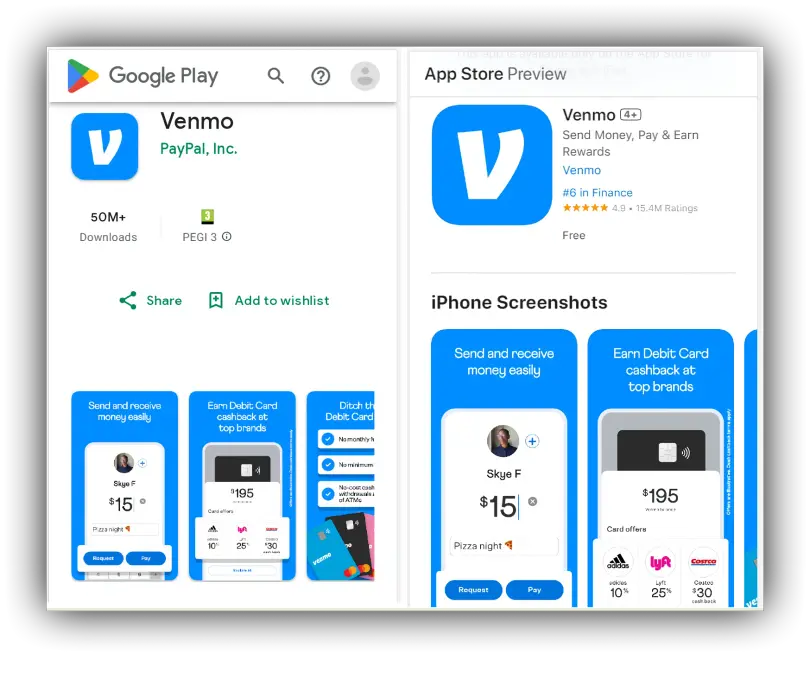
The first step in joining the Venmo ecosystem is downloading the application from a trusted source, such as the Apple App Store or Google Play Store. Upon launching the app, you will be prompted to choose between a “Personal” or “Business” account. For most users, a personal account is the appropriate starting point for managing individual finances.
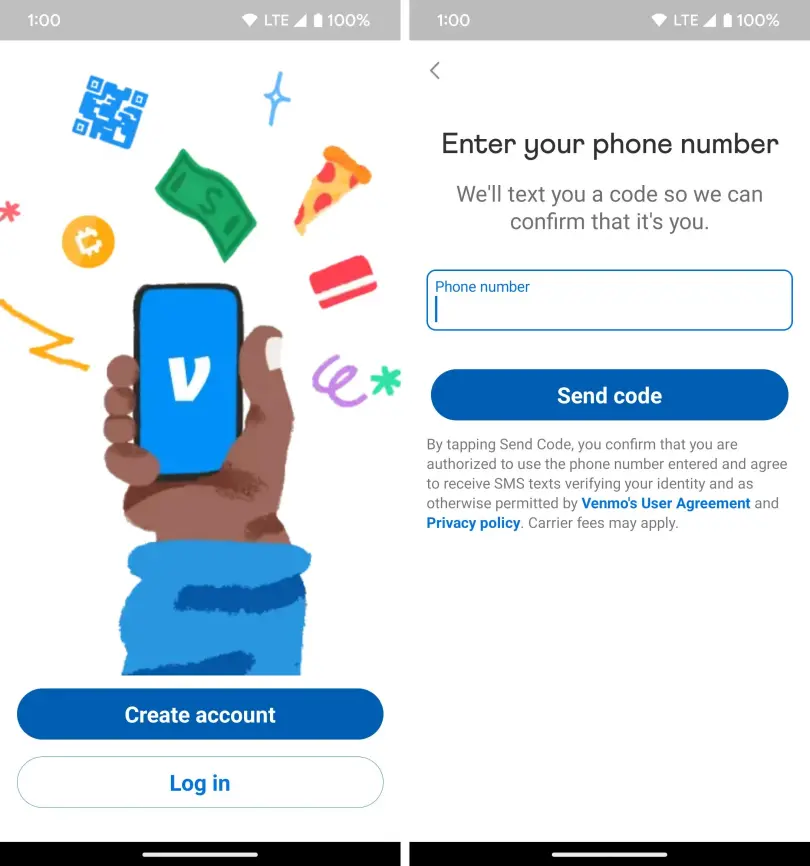
You will need to provide a valid email address and a mobile phone number. The phone number is a crucial security component, as it serves as a primary method for multi-factor authentication (MFA). Once you have verified your phone number via a short-code SMS, you will create a secure password. From a financial security perspective, it is highly recommended to use a unique, complex password and enable biometric login features (such as FaceID or fingerprint scanning) immediately.
Linking Bank Accounts vs. Credit Cards
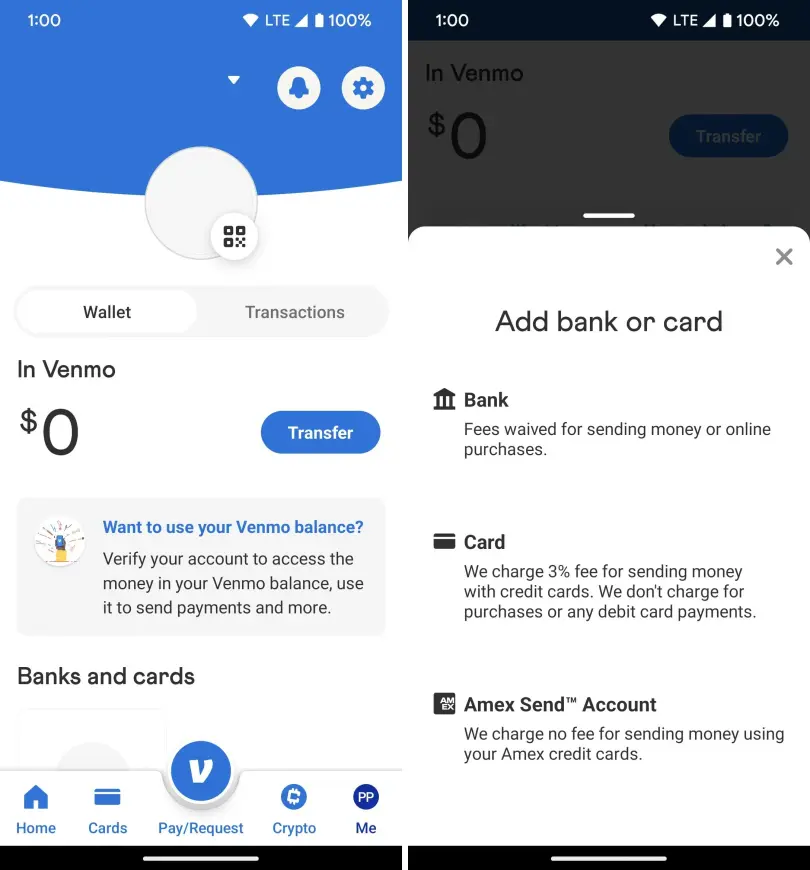
Once your profile is created, the next strategic decision involves funding your account. You have three primary options: linking a bank account, a debit card, or a credit card.
- Bank Accounts and Debit Cards: These are generally the most cost-effective options. Transactions made via a bank account or a standard debit card usually incur no fees for P2P transfers. This is the preferred method for those focused on minimizing overhead in their personal budget.
- Credit Cards: While Venmo allows the use of credit cards, it is important to note that these transactions typically carry a 3% fee. From a personal finance standpoint, using a credit card on Venmo is generally discouraged unless necessary, as the fees can quickly erode your capital, and some card issuers may categorize these transfers as “cash advances,” which carry higher interest rates.
Verification and Limits
To unlock the full potential of your Venmo account, you must complete the identity verification process. Unverified accounts have lower transaction limits, which can be a hindrance if you intend to use the platform for significant expenses like rent or large purchases. By providing your legal name, date of birth, and the last four digits of your Social Security Number, you can increase your weekly rolling limit significantly. This step is vital for users who view Venmo as a serious tool for business finance or high-volume personal transactions.
Optimizing Venmo for Financial Management
Opening the account is only the beginning. To truly leverage Venmo within your financial strategy, you must integrate it into your broader budgeting and cash flow management systems.
Utilizing Venmo for Budgeting and Splitting Costs
One of Venmo’s most powerful features is its ability to simplify complex financial splits. Whether it is shared household utilities, subscription services, or travel expenses, Venmo’s request feature ensures that you are reimbursed promptly. Professional users often use the “Notes” section of a transaction to categorize spending. By being diligent with these descriptions, you can export your transaction history at the end of the month to gain insights into your discretionary spending habits—a key practice in maintaining fiscal discipline.
Managing Your Venmo Balance
A common dilemma for Venmo users is whether to maintain a balance within the app or transfer funds immediately to a traditional bank account. From an “Online Income” perspective, keeping a small balance can be useful for quick outflows. However, it is important to remember that Venmo balances are not typically covered by FDIC insurance in the same way that traditional bank accounts are (unless you have a Venmo Debit Card and have passed certain verification steps). Therefore, for larger sums, the most prudent financial move is to transfer the funds to a high-yield savings account where they can earn interest and enjoy greater regulatory protection.
Financial Security and Consumer Protection
In the realm of digital finance, security is not a luxury—it is a requirement. As you open and use your Venmo account, you must be vigilant against the evolving landscape of digital fraud and social engineering.
Best Practices for Transaction Safety
Professional financial management involves mitigating risk. When using Venmo, always ensure that you are sending money to the correct recipient. Because P2P payments are often instantaneous and difficult to reverse, a simple typo can lead to a loss of funds.
Furthermore, privacy settings are a critical but often overlooked aspect of Venmo. By default, Venmo has a social feed that displays transactions. From a personal branding and financial privacy perspective, it is highly recommended to set your default privacy setting to “Private.” This ensures that your financial activity is visible only to you and the recipient, protecting you from prying eyes and potential social engineering attacks.
Understanding Venmo’s Protection Policies
It is vital to distinguish between “Friends and Family” payments and “Goods and Services” payments. If you are using Venmo for a side hustle or to purchase an item from a stranger, you should label the transaction as a purchase. This subjects the transaction to Venmo’s Purchase Protection program. While this may involve a small fee for the seller, it provides a layer of security that is essential for business finance. Using the “Friends and Family” setting for commercial transactions is a common mistake that leaves the buyer with no recourse in the event of a scam.
Beyond the Basics: Venmo for Business and Investing
As you become more comfortable with the platform, you may discover that Venmo offers features that extend into professional business finance and even investment opportunities.
Introduction to Venmo Business Profiles
For freelancers and small business owners, Venmo offers dedicated Business Profiles. This is a significant step up from a standard personal account. A Business Profile allows you to accept payments for goods and services with professional branding, provides you with advanced tax reporting tools (such as the generation of 1099-K forms), and gives you a professional presence within the Venmo ecosystem. Separating your personal and business finances is a fundamental rule of accounting, and Venmo’s business features make this separation effortless.
Exploring Crypto and Savings Features
Venmo has recently expanded into the realm of digital assets, allowing users to buy, hold, and sell cryptocurrencies like Bitcoin and Ethereum directly within the app. While this represents a high-risk area of personal finance, the integration allows for easy entry into the world of digital investing for those looking to diversify their portfolio with small amounts of capital. Additionally, the Venmo Credit Card offers “Cash Back to Crypto” features, which can be an automated way to build a digital asset position using everyday spending rewards.
By following this comprehensive approach to opening and managing your Venmo account, you transform a simple mobile app into a sophisticated instrument for financial empowerment. In the modern age, mastering these digital tools is not just about convenience—it is about taking full control of your financial destiny.
aViewFromTheCave is a participant in the Amazon Services LLC Associates Program, an affiliate advertising program designed to provide a means for sites to earn advertising fees by advertising and linking to Amazon.com. Amazon, the Amazon logo, AmazonSupply, and the AmazonSupply logo are trademarks of Amazon.com, Inc. or its affiliates. As an Amazon Associate we earn affiliate commissions from qualifying purchases.