
In the journey toward financial stability and long-term prosperity, establishing a robust savings foundation is paramount. A savings account serves as more than just a place to store money; it’s a strategic tool for achieving personal financial goals, building an emergency fund, and cultivating disciplined financial habits. For many, navigating the landscape of banking options can seem daunting, but opening a savings account with a reputable institution like Chase Bank is a straightforward process that unlocks a world of financial opportunities. This guide will walk you through everything you need to know, from understanding the benefits to the step-by-step application, ensuring you’re well-equipped to make intelligent financial decisions.

Understanding the Value of a Savings Account with Chase
Before diving into the mechanics of opening an account, it’s essential to grasp why a savings account, particularly one with a major bank like Chase, is a cornerstone of sound personal finance.
Why Saving is Crucial for Financial Stability
Saving money isn’t just about accumulating wealth; it’s about creating a buffer against life’s uncertainties and paving the way for future aspirations. An accessible savings account allows you to:
- Build an Emergency Fund: This financial safety net is vital for covering unexpected expenses like medical emergencies, car repairs, or job loss without incurring debt. Experts often recommend having 3-6 months’ worth of living expenses saved.
- Achieve Short-Term Goals: Whether it’s a down payment for a car, a dream vacation, or a new home appliance, dedicated savings help you reach these objectives without derailing your daily budget.
- Fund Long-Term Goals: While specific long-term goals like retirement might require investment accounts, initial savings can contribute to these larger financial pictures or serve as a preliminary step.
- Cultivate Financial Discipline: The act of regularly contributing to a savings account fosters a habit of mindful spending and conscious financial planning, which are invaluable skills for lifelong financial health.
The Chase Advantage: What Sets Their Savings Apart
Chase Bank, as one of the largest financial institutions in the United States, offers a compelling combination of convenience, technology, and widespread access. Choosing Chase for your savings account provides several distinct advantages:
- Extensive Branch and ATM Network: With thousands of branches and ATMs nationwide, Chase offers unparalleled physical accessibility for deposits, withdrawals, and in-person assistance.
- Robust Online and Mobile Banking: Their digital platforms are highly rated, providing intuitive tools for account management, mobile deposits, transfers, and budgeting, all from the convenience of your device.
- Integrated Financial Ecosystem: If you already bank with Chase for checking, credit cards, or investments, adding a savings account creates a seamless, integrated financial experience, simplifying transfers and oversight.
- Customer Support: Access to comprehensive customer service via phone, online chat, and in-branch staff ensures you can get assistance when you need it.
Types of Savings Accounts Offered by Chase
Chase typically offers a few options tailored to different saving needs, though specific names and features can vary. The most common are:
- Chase Savings℠ Account: This is the standard savings account, designed for everyday savers. It’s an excellent choice for building an emergency fund or saving for short-term goals. It may come with a monthly service fee that can often be waived by maintaining a minimum daily balance, setting up recurring transfers, or linking it to a qualifying Chase checking account.
- Chase Premier Savings℠ Account: For those with higher balances, the Premier Savings account often offers slightly better interest rates and easier fee waivers, rewarding customers who maintain significant savings. It’s suited for individuals looking to maximize their returns on larger sums of liquid cash.
Understanding the specific features, minimum balance requirements, and potential fees associated with each account type is crucial for selecting the best fit for your financial situation.
Eligibility and Essential Requirements
Opening a savings account with Chase is designed to be accessible, but there are fundamental eligibility criteria and documents you’ll need to provide to comply with financial regulations and ensure a smooth process.
Who Can Open an Account? (Age, Residency)
Generally, to open a savings account at Chase, you must meet the following:
- Age: Be at least 18 years old. Minors can typically open joint accounts with an adult (parent or legal guardian).
- Residency: Be a U.S. citizen or a resident alien with a valid U.S. address.
- Identification: Possess a valid Social Security Number (SSN) or Individual Taxpayer Identification Number (ITIN).
Documents You’ll Need: A Checklist for a Smooth Process
Having the correct documentation prepared beforehand will significantly expedite your application, whether you apply online or in person.
- Proof of Identity:
- Valid government-issued photo ID (e.g., Driver’s License, State ID, U.S. Passport, Military ID).
- The ID must be current, not expired.
- Proof of Address:
- A recent utility bill (gas, electric, water)
- Lease agreement or mortgage statement
- Another form of official mail with your name and current address.
- This is required if your proof of identity does not show your current address.
- Social Security Number or ITIN:
- Your SSN or ITIN is mandatory for tax reporting purposes.
- Initial Deposit Funds:
- Chase typically requires a minimum initial deposit to open a savings account (e.g., $25). You can fund this with cash, a check, or by transferring from an existing account.
Step-by-Step Guide to Opening Your Chase Savings Account
Chase offers two primary methods for opening a savings account: online and in-branch. Both are efficient, but your preference might depend on your comfort with digital processes versus a desire for personalized assistance.
Online Application: Convenience at Your Fingertips
Opening an account online is often the quickest and most convenient method.
- Navigating the Chase Website: Visit Chase.com and look for the “Accounts” or “Open an Account” section, then navigate to savings accounts. You’ll usually see options like “Open an Account” or “Apply Now.”
- Filling Out the Application Form: You’ll be prompted to provide personal information, including your full name, date of birth, address, phone number, email, and SSN/ITIN. You may also need to provide employment information.
- Selecting Your Account Type: Choose between the Chase Savings℠ or Chase Premier Savings℠ account based on your financial goals and projected balance.
- Verifying Your Identity Electronically: Chase uses secure methods to verify your identity online. This might involve answering a few security questions based on your credit history or linking an existing bank account.
- Review and Submit: Carefully review all the information you’ve entered for accuracy before submitting your application.
- Funding Your Account: Once approved, you’ll be prompted to make your initial deposit. This can usually be done via electronic transfer from an existing bank account (even one from another institution), or by mail.
In-Branch Application: Personalized Assistance
If you prefer face-to-face interaction or have complex questions, visiting a Chase branch is an excellent option.
- Scheduling an Appointment: While walk-ins are often welcome, scheduling an appointment can minimize wait times and ensure a banker is available to assist you.
- What to Bring to the Branch: Ensure you bring all the necessary documents outlined in the “Eligibility and Essential Requirements” section (Proof of Identity, Proof of Address, SSN/ITIN, and your initial deposit funds).
- Working with a Chase Representative: A Chase banker will guide you through the application process, explain the different savings options, answer your questions, and help you complete the paperwork. They can also assist with setting up online banking access immediately.
Funding Your New Account: Initial Deposits and Transfers
After your application is approved, your account needs to be funded.
- Initial Deposit: You can make your initial deposit at a branch with cash or a check, or online via an electronic transfer from an existing account.
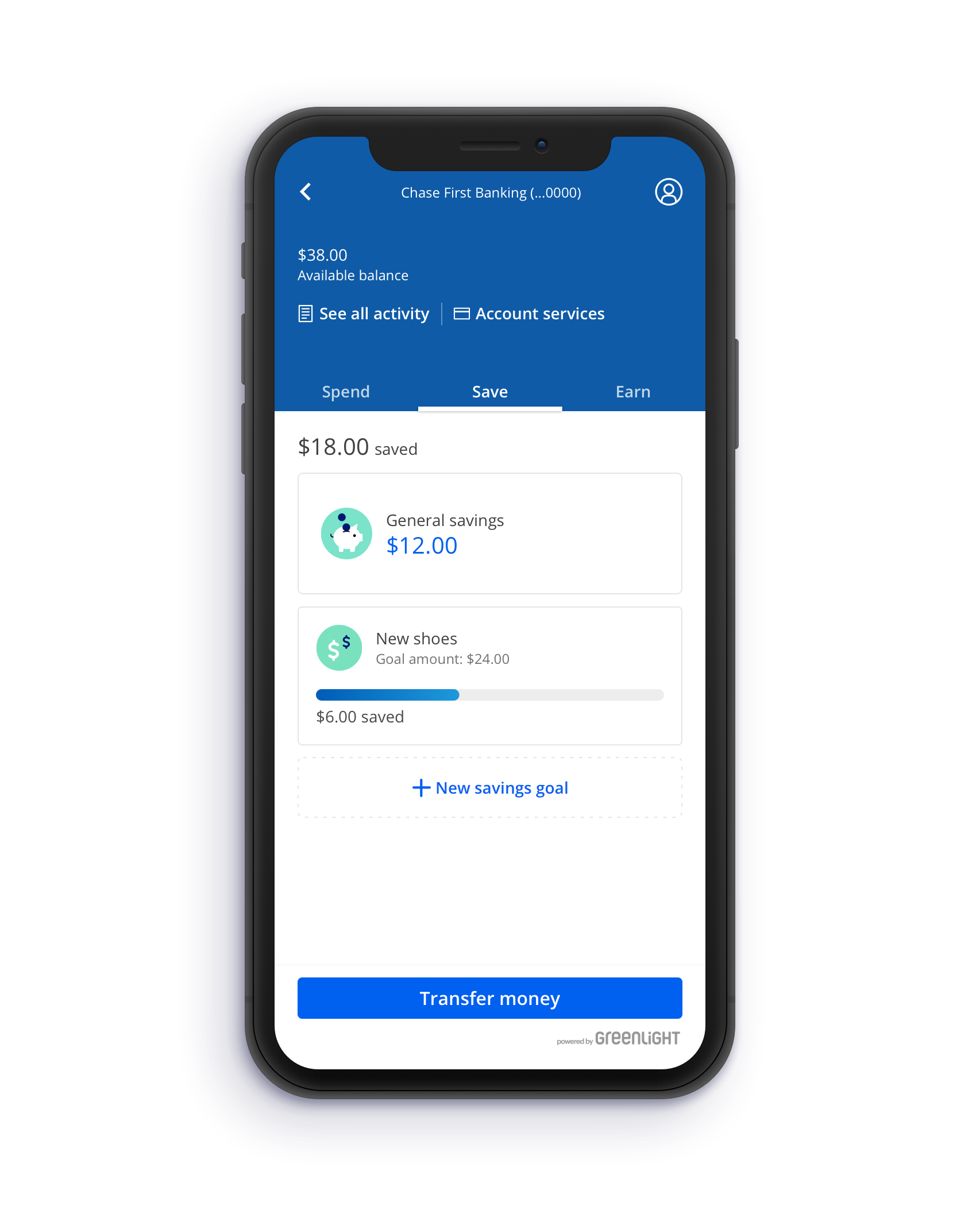
- Setting Up Direct Deposit/Transfers: Once your account is open, consider setting up automatic transfers from your checking account to your savings account. This “set it and forget it” approach is a powerful way to consistently build your savings. You can also arrange for a portion of your paycheck to be directly deposited into your savings.
Maximizing Your Chase Savings Account
Opening the account is just the first step. To truly benefit, you need to understand how to manage and optimize your savings effectively.
Understanding Interest Rates and APY
Savings accounts earn interest, albeit often at modest rates.
- Interest Rate: The percentage rate at which your money grows.
- Annual Percentage Yield (APY): This reflects the actual annual rate of return, taking into account compounding interest. Always compare APY when choosing an account, as it gives a more accurate picture of your earnings.
While Chase’s standard savings accounts might not offer the highest APYs compared to some online-only banks, the convenience and integrated services can outweigh this for many users. The Premier Savings account typically offers a tiered interest rate structure, meaning higher balances earn more.
Avoiding Common Fees and Maintaining Account Health
Chase savings accounts may have monthly service fees, but these are often waivable.
- Waive Fees: Typically, you can avoid fees by maintaining a minimum daily balance, making qualifying direct deposits, or linking your savings account to a qualifying Chase checking account. Review the specific terms and conditions of your chosen account.
- Monitor Your Balance: Regularly check your account balance to ensure you meet any minimums required to waive fees.
- Avoid Excessive Withdrawals: Some savings accounts limit the number of certain types of withdrawals or transfers you can make per statement cycle (e.g., six per month). Exceeding these limits can incur fees or even lead to your account being converted to a checking account.
Linking to Other Chase Accounts for Seamless Management
One of the significant benefits of banking with Chase is the ability to link various accounts for a holistic view of your finances.
- Chase Online Banking: Easily transfer funds between your Chase checking and savings accounts, set up recurring transfers, and view all your accounts on a single dashboard.
- Chase Mobile App: Manage your accounts on the go, deposit checks via mobile, and get alerts on account activity.
Tools and Resources for Smart Savers
Chase provides digital tools that can help you reach your savings goals.
- Automatic Transfers: Use online banking to set up automated transfers from your checking to savings. Even small, regular transfers add up over time.
- Budgeting Tools: Leverage features within the Chase app or link to third-party budgeting apps to track your spending and identify areas where you can save more.
Common Questions and Expert Tips for Long-Term Success
Having your savings account open is the beginning. Here’s how to ensure continued financial progress.
What Happens After My Account is Open? (Accessing, Online Banking)
Immediately after opening, you’ll gain access to your account.
- Online Banking: If you applied in-branch, the banker can help you set up online access. If online, you’ll typically receive instructions to enroll in online banking. This allows you to view statements, transfer money, and manage your account.
- Debit Card: While savings accounts are not designed for daily spending, you might receive an ATM card linked to your savings account for easy access to cash at ATMs.
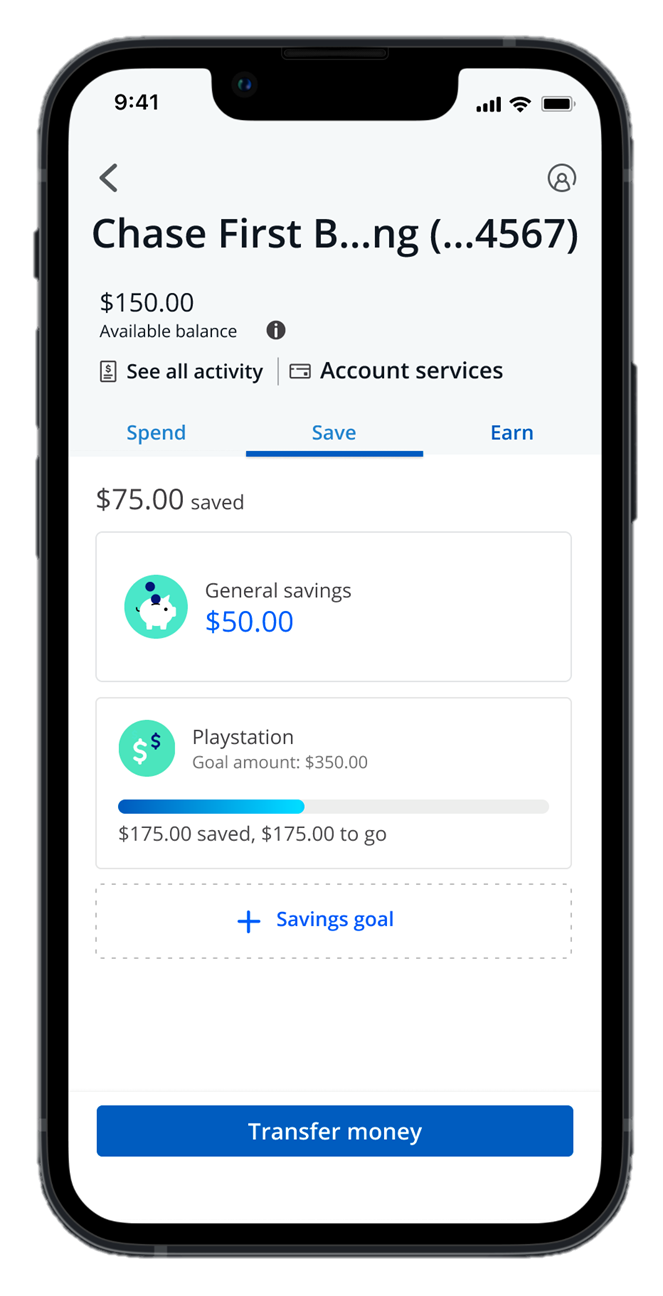
Setting and Achieving Your Savings Goals
- Define Your Goals: Clearly identify what you’re saving for (emergency fund, down payment, vacation).
- Quantify and Set Deadlines: Determine how much money you need and by when.
- Break Down Goals: Divide large goals into smaller, manageable monthly or weekly savings targets.
- Track Progress: Regularly review your savings balance to stay motivated and make adjustments as needed.
The Importance of Regular Contributions
Consistency is the most powerful tool in savings.
- Pay Yourself First: Treat your savings contribution like any other bill and prioritize it. Set up an automatic transfer to move money from your checking to your savings account immediately after you get paid.
- Increase Contributions Gradually: As your income grows or expenses decrease, try to increase the amount you save. Even an extra $10 or $20 per month can make a significant difference over time.
- Windfalls: When you receive unexpected money (bonus, tax refund, gift), consider putting a significant portion directly into savings.
Opening a savings account with Chase is a practical and empowering step toward securing your financial future. By understanding the options, meeting the requirements, and leveraging the available tools, you can effectively manage your money, achieve your financial goals, and build a resilient foundation for years to come.
aViewFromTheCave is a participant in the Amazon Services LLC Associates Program, an affiliate advertising program designed to provide a means for sites to earn advertising fees by advertising and linking to Amazon.com. Amazon, the Amazon logo, AmazonSupply, and the AmazonSupply logo are trademarks of Amazon.com, Inc. or its affiliates. As an Amazon Associate we earn affiliate commissions from qualifying purchases.