
In the contemporary financial landscape, the traditional brick-and-mortar banking experience is rapidly becoming a secondary option for many consumers. The convenience of managing finances from a smartphone or laptop has transformed how we perceive liquidity and transactional ease. Opening a debit card online is no longer a complex technological hurdle; it is a streamlined, secure, and highly efficient process that serves as the gateway to modern personal finance management. Whether you are looking to switch banks, open a secondary account for budgeting, or establish your first financial footprint, understanding the nuances of the online application process is essential for securing the best tools for your wealth-building journey.
The Evolution of Digital Banking and Its Strategic Advantages
The shift toward digital-first banking has been driven by a demand for transparency, lower fees, and 24/7 accessibility. Traditionally, opening a bank account required physical presence, paper documentation, and often, a significant time commitment during standard business hours. Today, financial institutions—ranging from established global banks to agile “neobanks”—have optimized their digital onboarding to take less than ten minutes.
One of the primary advantages of opening a debit card online is the reduction of overhead costs, which banks often pass on to the consumer. Online-only accounts frequently feature zero monthly maintenance fees, no minimum balance requirements, and competitive interest rates on linked savings accounts. Furthermore, the integration of real-time notifications and sophisticated mobile apps allows users to track every cent, fostering a higher level of financial literacy and discipline. By choosing to open a card online, you are not just obtaining a piece of plastic; you are adopting a suite of financial tools designed for the speed of the modern economy.
Essential Requirements and Documentation for Online Applications
Before initiating an online application, it is vital to have your financial and personal documentation in order. While the process is digital, the regulatory environment—specifically “Know Your Customer” (KYC) and Anti-Money Laundering (AML) laws—remains stringent. To ensure a seamless approval process, you must be prepared to provide several key pieces of information.
Personal Identification and Legal Status
Most financial institutions require applicants to be at least 18 years old, though some offer joint teen accounts with parental supervision. You will need a valid, government-issued photo ID. In a digital application, this usually involves uploading a high-resolution photograph of your driver’s license, state ID, or passport. Some advanced platforms may also require a “selfie” to match your live likeness against your identification documents using biometric software.
Taxpayer Information and Residency
To comply with federal regulations, you must provide your Social Security Number (SSN) or Individual Taxpayer Identification Number (ITIN). This information is used to verify your identity and, in some cases, to perform a “soft” credit pull. Unlike a “hard” pull, this does not affect your credit score but helps the bank assess your history with other financial institutions through systems like ChexSystems. Additionally, you will need to provide a physical U.S. residential address (P.O. boxes are generally not accepted for the primary address) and contact information, including a valid email and phone number.
Initial Funding Methods
While many online debit cards do not require a massive initial deposit, you will often need a way to fund the account to activate it. This can be done via an Electronic Funds Transfer (EFT) from an existing bank account, a wire transfer, or by linking a mobile payment service. Having your current bank’s routing and account numbers ready will expedite this step of the process.
Navigating the Application Process: A Step-by-Step Protocol
Opening a debit card online is a linear process, but attention to detail is paramount to avoid delays or identity verification triggers.
Comparing Traditional Banks vs. Neobanks
The first step is deciding which type of institution aligns with your financial goals. Traditional banks (like Chase, Bank of America, or Wells Fargo) offer the security of physical branches and a massive ATM network. Conversely, neobanks (such as Chime, Ally, or Varo) often provide better tech interfaces, earlier access to direct deposits, and fewer fees. Your choice should depend on whether you value face-to-face service or cutting-edge digital features.
Completing the Digital Application
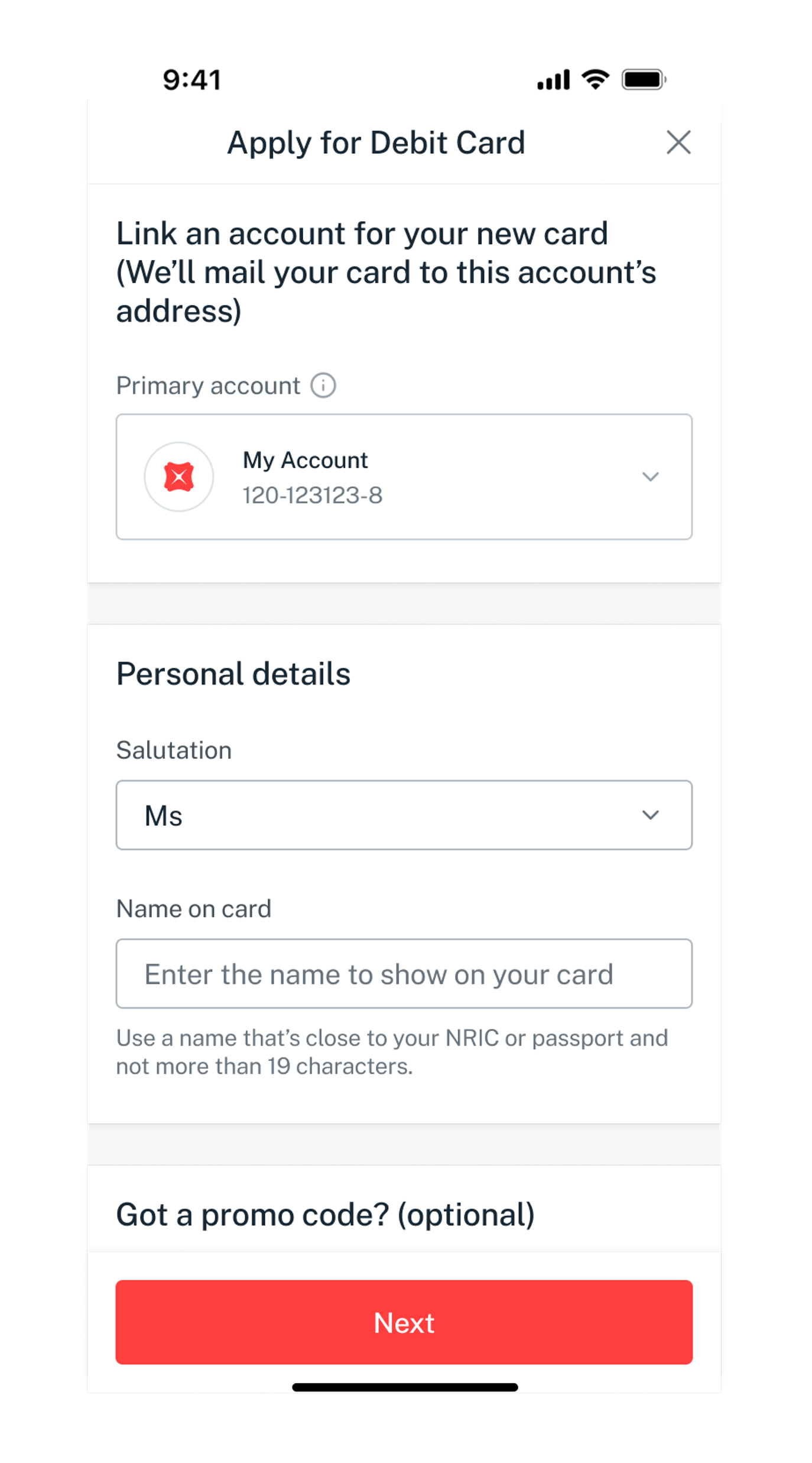
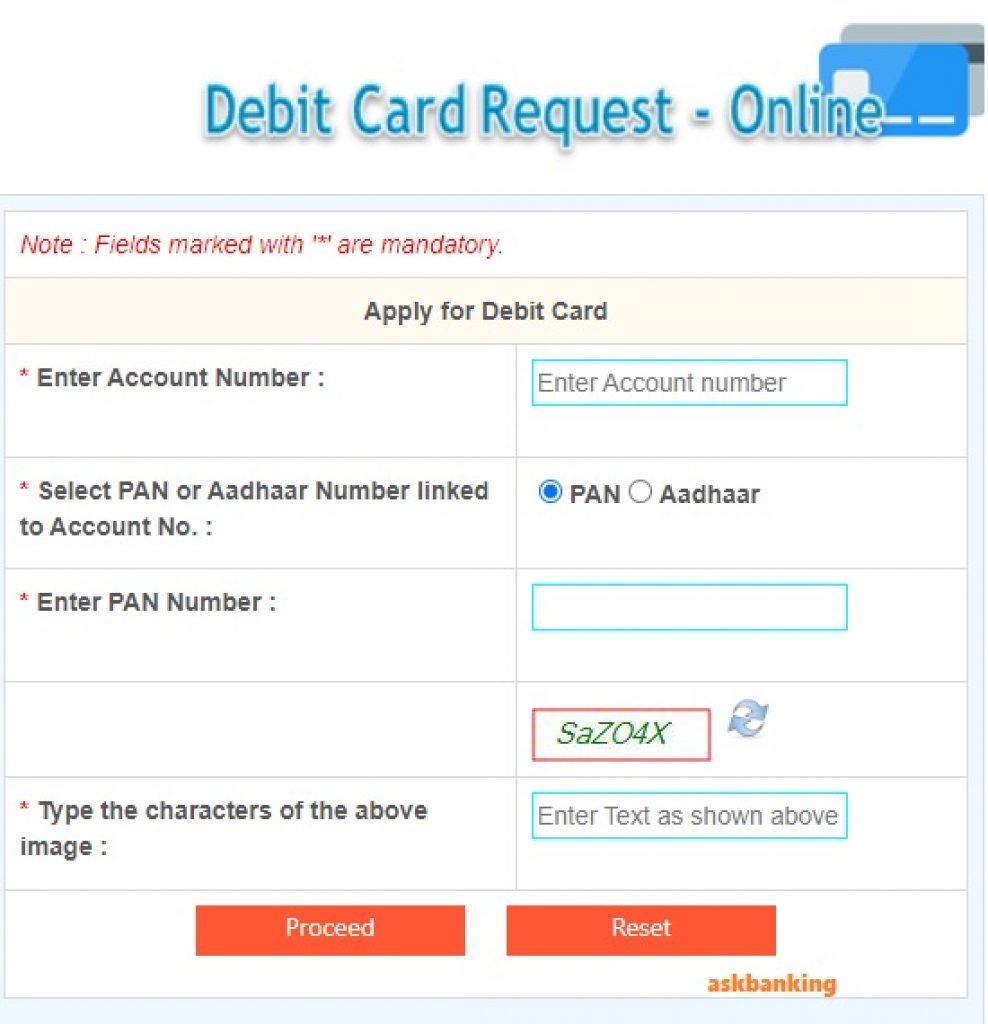
Once you have selected an institution, visit their official website or download their mobile app. Look for the “Open Account” or “Get Started” button. You will be prompted to choose the type of account—usually a checking account, which comes with the debit card. Follow the prompts to enter your personal data. Ensure that all information matches your legal documents exactly; even a small typo in your address or SSN can lead to an automatic rejection or a request for manual review.
Identity Verification and Electronic Signatures
After entering your data, the bank will run an automated verification. If the system can verify your identity through public records and credit bureaus, you may be asked to sign an electronic “Signature Card” or a series of disclosures. This is a legally binding agreement to the bank’s terms and conditions. Read these carefully, focusing on the “Fee Schedule” and “Funds Availability Policy.”
Key Factors to Evaluate Before Choosing a Debit Card
Not all debit cards are created equal. When opening an account online, you must look beyond the marketing and evaluate the card based on its long-term impact on your personal finances.
Fee Structures and Maintenance Costs
The “hidden” cost of banking can erode your savings over time. Look for accounts that offer $0 monthly maintenance fees or provide clear ways to waive them (such as maintaining a certain balance or setting up a monthly direct deposit). Additionally, investigate “out-of-network” ATM fees. Some online banks offer a “reimbursement” model, where they pay back the fees charged by other ATM owners, which is a significant perk for those who frequently use cash.
ATM Network Access and Cash Deposits
A common concern with online-only cards is the ability to access and deposit physical cash. Before applying, check the bank’s ATM map. Many neobanks use the Allpoint or MoneyPass networks, providing tens of thousands of surcharge-free locations. If you frequently handle cash, ensure the bank has a partnership with retail locations (like Walgreens or 7-Eleven) where you can deposit cash into your account for a small fee.
Interest Rates and Rewards Programs
In a competitive market, many debit cards now offer features traditionally reserved for credit cards. This includes “cashback” on daily purchases or the ability to “round up” transactions to the nearest dollar, with the change going into a high-yield savings account. If you are using your debit card for the majority of your spending, these rewards can add up to hundreds of dollars in passive income annually.
Post-Approval: Activating Your Card and Ensuring Security
Once your application is approved, your physical debit card will typically arrive by mail within 5 to 10 business days. However, the financial management process begins the moment your digital account is active.
Setting Up Your Mobile Banking App
Immediately download the bank’s official app and set up multi-factor authentication (MFA). This is your first line of defense. Explore the app to set up “Instant Transaction Alerts,” which notify you every time the card is used. This allows you to catch fraudulent activity the second it occurs rather than discovering it days later on a statement.
Digital Wallets and Contactless Payments
Most modern online banks provide a “Virtual Card” immediately upon approval. You can add this virtual card to Apple Pay, Google Pay, or Samsung Pay before the physical card even arrives. This not only provides immediate access to your funds but also enhances security through “tokenization”—a process where your actual card number is never shared with the merchant during a transaction.

Best Practices for Financial Security
Opening a card online requires a commitment to digital hygiene. Use a unique, complex password for your banking portal and avoid logging in via public Wi-Fi networks without a VPN. Be wary of “phishing” scams—banks will never text or email you asking for your PIN or full Social Security Number. If you ever lose your physical card, most online banking apps have a “Freeze Card” feature that allows you to instantly disable the card while you search for it, providing peace of mind and protecting your capital.
By following this comprehensive approach, opening a debit card online becomes more than just a task; it becomes a strategic move toward a more efficient and secure financial future. The digital age has put the power of the treasury in your pocket, allowing for a level of control and insight that was once reserved for institutional investors. Embrace the transition, do your due diligence, and leverage these digital tools to master your personal economy.
aViewFromTheCave is a participant in the Amazon Services LLC Associates Program, an affiliate advertising program designed to provide a means for sites to earn advertising fees by advertising and linking to Amazon.com. Amazon, the Amazon logo, AmazonSupply, and the AmazonSupply logo are trademarks of Amazon.com, Inc. or its affiliates. As an Amazon Associate we earn affiliate commissions from qualifying purchases.