
Navigating the landscape of modern personal finance requires more than just a savings account and a steady paycheck; it demands a strategic approach to credit. A credit card is not merely a tool for consumption—it is a sophisticated financial instrument that, when used correctly, facilitates wealth building, provides consumer protection, and serves as the gateway to major life milestones such as homeownership or business expansion. However, the process of opening a credit card is often shrouded in complex terminology and predatory marketing. To move from a passive consumer to an informed financial strategist, one must understand the mechanics of credit applications, the nuances of different financial products, and the long-term implications of their choices.
Understanding the Financial Foundation: Why Your Credit Health Matters
Before you submit a single application, it is imperative to understand the underlying architecture of the credit system. Opening a credit card is essentially entering into a legal contract with a financial institution that agrees to lend you capital up to a certain limit. In return, you agree to pay it back under specific terms. The ease with which you can open a card, and the quality of the terms you receive, is dictated by your creditworthiness.
The Role of the Credit Score and Report
Your credit score—most commonly the FICO score—is a numerical representation of your reliability as a borrower. It ranges from 300 to 850. When you apply for a card, the issuer pulls your report from one of the three major credit bureaus: Equifax, Experian, or TransUnion. This report contains your history of debt repayment, your current debt levels, and the age of your accounts. A higher score translates to lower interest rates and higher credit limits, which reduces your overall cost of capital.
Building a Relationship with Financial Institutions
Opening a credit card is often the first step in establishing a “thick” credit file. For young professionals or those new to the country, this is vital. Financial institutions look for a history of responsible management. By opening a card and maintaining a low balance, you signal to future lenders—such as mortgage providers or business loan officers—that you are a low-risk client. In the world of personal finance, your reputation (your credit score) is often as valuable as your liquid assets.
Strategic Preparation: What to Evaluate Before Applying
Many consumers make the mistake of applying for credit cards impulsively, often lured by a one-time discount at a retail register. This “scattershot” approach can inadvertently damage your credit score due to excessive hard inquiries. A strategic approach involves a rigorous self-assessment of your financial health.
Assessing Your Debt-to-Income Ratio
Financial institutions don’t just look at your credit score; they look at your ability to repay. Your debt-to-income (DTI) ratio is a key metric. If a significant portion of your monthly income is already earmarked for student loans, car payments, or rent, an issuer may see you as “overextended” and deny your application. Before applying, ensure your documented income is accurate and that your existing debt is managed.
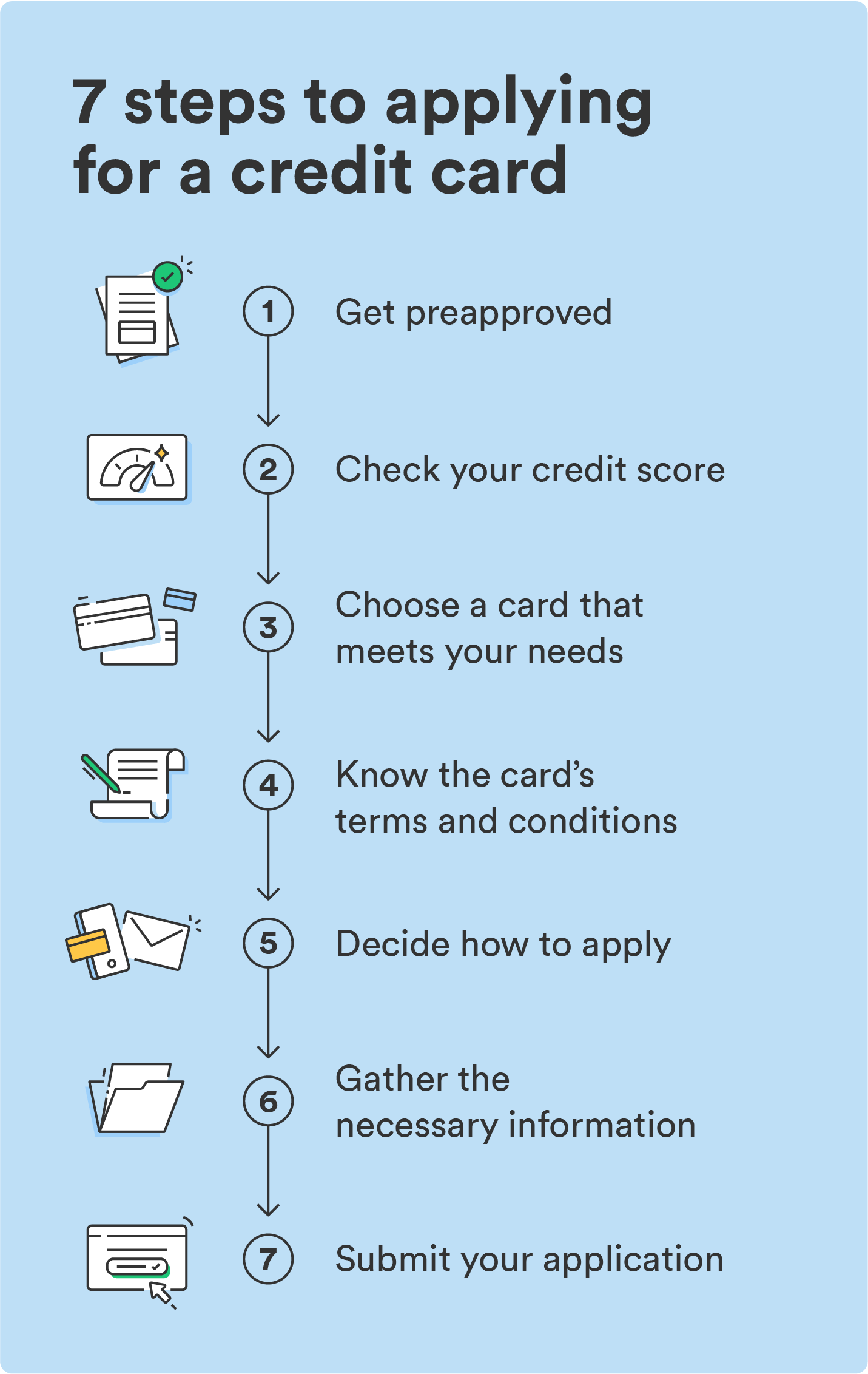
Gathering the Necessary Documentation
To comply with federal regulations such as the “Know Your Customer” (KYC) laws, banks require specific information. To streamline the application process, have the following ready:
- Personal Identification: Social Security Number (SSN) or Individual Taxpayer Identification Number (ITIN).
- Income Verification: Gross annual income, which can include wages, investment dividends, and in some cases, shared household income if you are over 21.
- Housing Information: Your monthly rent or mortgage payment and your duration of residency.
- Employment Status: Current employer and position.
Navigating the Market: Choosing the Right Financial Product
Not all credit cards are created equal. The “best” card for a high-frequency traveler is vastly different from the best card for a college student or a small business owner. Selecting the right product requires a deep dive into the “Schumer Box”—the standardized table of rates and fees required by law.
Secured vs. Unsecured Credit Cards
If you are starting with no credit or a damaged history, a Secured Credit Card is the most viable path. This requires a refundable security deposit (usually $200–$500), which acts as your credit limit. It minimizes risk for the bank while allowing you to report positive payment history. Conversely, Unsecured Credit Cards are the standard products offered to those with established credit, requiring no deposit and often offering higher limits.
Decoding APR and Fee Structures
The Annual Percentage Rate (APR) is the cost of borrowing money on the card if you do not pay your balance in full each month. While a professional goal should always be to pay the “statement balance” to avoid interest entirely, knowing your APR is vital for emergencies. You should also scrutinize:
- Annual Fees: Are the rewards worth the $95 or $500 yearly cost?
- Foreign Transaction Fees: Crucial for international business or travel.
- Balance Transfer Fees: Important if you are looking to consolidate high-interest debt onto a lower-interest card.
Aligning Rewards with Spending Patterns
The most sophisticated users of credit treat cards as a “cash-back” or “points” engine. If your largest monthly expense is groceries and gas, a card offering 3–5% back in those categories is superior to a generic 1% travel card. Analyzing your last three months of bank statements will reveal which rewards structure will yield the highest return on investment for your specific lifestyle.
The Application Process: Execution and Management
Once you have identified the optimal card, the application itself is usually a digital process that takes less than ten minutes. However, the seconds following the “submit” button are critical for your financial records.
The Impact of the Hard Inquiry
When you submit the application, the lender performs a “hard pull” on your credit. This usually results in a temporary dip in your score (typically 5 to 10 points). Because of this, you should avoid applying for multiple cards within a short window, as lenders may interpret this as a sign of financial distress. If you are shopping for a mortgage or auto loan soon, it may be wise to delay opening a new credit card until those larger loans are finalized.
Handling the Decision: Approval, Pending, or Denial
In the best-case scenario, you receive an instant approval with a credit limit and APR. If your application is “Pending,” the bank may need to verify your income or identity manually; a quick phone call to the “reconsideration line” can often expedite this. If you are denied, the law requires the lender to send you an “Adverse Action Notice” explaining why. Use this document as a roadmap—if the reason was “too many recent inquiries” or “high utilization,” you know exactly what to fix before applying again in six months.
Post-Approval: High-Level Management for Long-Term Wealth
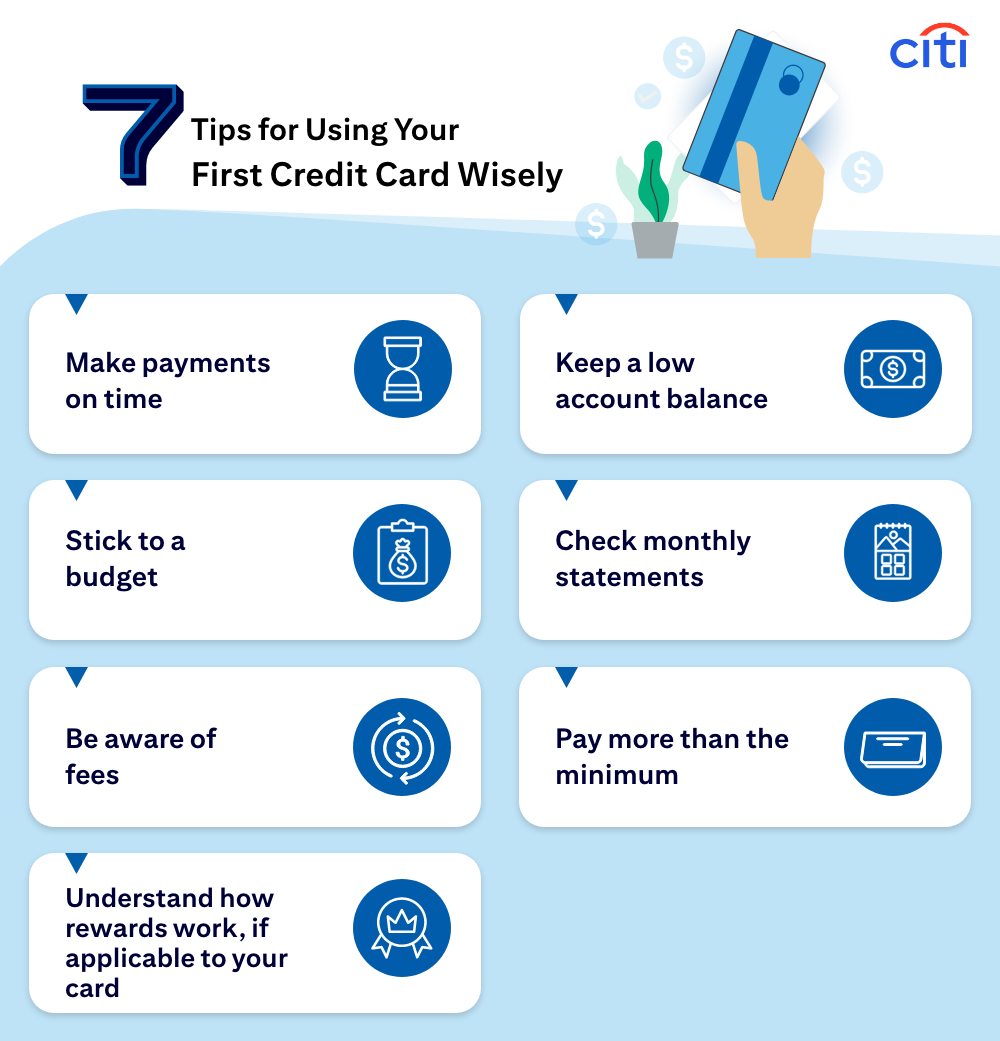
Opening the card is only the beginning. The way you manage the account in the first 90 days sets the tone for your financial future. Proper management ensures that the card remains a benefit rather than a liability.
The 30% Utilization Rule
One of the most significant factors in your credit score is “Credit Utilization”—the amount of your limit that you actually use. To maintain a high score, professional financial advisors recommend keeping your utilization below 30%, and ideally below 10%. For example, if your new card has a $1,000 limit, you should avoid having a balance higher than $300 when the statement closes.
Automating for Success
The single most important rule of credit is to never, under any circumstances, miss a payment. Payment history accounts for 35% of your FICO score. To safeguard against human error, set up “Auto-Pay” for at least the minimum amount due, though paying the full statement balance is the only way to ensure you are not losing money to interest.

Monitoring for Security and Accuracy
With a new line of credit comes the responsibility of monitoring. In an era of increasing financial fraud, checking your online portal weekly allows you to spot unauthorized charges immediately. Furthermore, ensure that the card issuer is reporting your on-time payments to the bureaus correctly. By treating your credit card with the same discipline as a high-stakes business account, you transform a simple piece of plastic into a powerful engine for financial growth and stability.
aViewFromTheCave is a participant in the Amazon Services LLC Associates Program, an affiliate advertising program designed to provide a means for sites to earn advertising fees by advertising and linking to Amazon.com. Amazon, the Amazon logo, AmazonSupply, and the AmazonSupply logo are trademarks of Amazon.com, Inc. or its affiliates. As an Amazon Associate we earn affiliate commissions from qualifying purchases.