
Bitcoin, the pioneering cryptocurrency, has transitioned from an obscure digital curiosity to a significant player in the global financial landscape. For many, it represents not just a technological innovation but a compelling new asset class, offering opportunities for investment, diversification, and a hedge against traditional economic uncertainties. Understanding how to responsibly and securely enter this market by opening a Bitcoin account is a crucial first step for anyone looking to integrate digital assets into their personal financial strategy. This guide will navigate the process, emphasizing the financial considerations, tools, and best practices essential for a prudent approach to cryptocurrency investment.
Understanding Bitcoin as a Modern Financial Asset
Before diving into the mechanics of account creation, it’s vital to grasp Bitcoin’s role within the broader financial ecosystem. Unlike traditional currencies backed by central banks, Bitcoin operates on a decentralized blockchain network, offering transparency, immutability, and a finite supply cap of 21 million coins. These characteristics contribute to its appeal as “digital gold” – a store of value potentially resilient to inflation and sovereign economic policies. However, its value is also subject to significant volatility, influenced by market sentiment, regulatory news, technological advancements, and macroeconomic factors.
From a financial perspective, investing in Bitcoin is a strategic decision that warrants careful consideration. It offers potential for substantial capital appreciation, but also carries inherent risks that differ from more conventional investments like stocks or bonds. Individuals contemplating opening a Bitcoin account are often motivated by a desire for portfolio diversification, a belief in the future of decentralized finance, or simply to gain exposure to an asset class that has historically outperformed many others over certain periods. Understanding these underlying financial motivations and the unique risk-reward profile of Bitcoin is paramount to making informed decisions throughout the account opening and management process. It’s not merely about buying a digital coin; it’s about integrating a new type of financial asset into one’s wealth management strategy.
The Genesis of Digital Wealth
Bitcoin’s creation in 2009 by an anonymous entity known as Satoshi Nakamoto marked a paradigm shift in financial technology. Designed as a peer-to-peer electronic cash system, its core innovation lies in the blockchain – a distributed ledger that records all transactions across a network of computers. This decentralization eliminates the need for intermediaries like banks, theoretically reducing transaction costs and increasing financial autonomy. For investors, this translates into a unique proposition: direct ownership and control over one’s digital assets, albeit with the significant responsibility that comes with it.
Why Consider Bitcoin for Your Portfolio?
The allure of Bitcoin for personal finance stems from several key characteristics. Firstly, its limited supply introduces scarcity, a fundamental driver of value in economic theory. As demand increases against a fixed supply, the price tends to rise, assuming all else remains equal. Secondly, its global accessibility means transactions can occur 24/7 across borders, offering financial inclusivity that traditional banking systems often lack. Thirdly, many view Bitcoin as an inflation hedge, particularly during periods of expansive monetary policy, as its value is not directly tied to any single government’s fiscal decisions. However, it’s crucial to balance these potential benefits with a clear understanding of the risks, including regulatory uncertainty, technological vulnerabilities, and its well-documented price volatility, which can lead to rapid and significant fluctuations in investment value.
Navigating the Landscape of Bitcoin Exchanges and Wallets
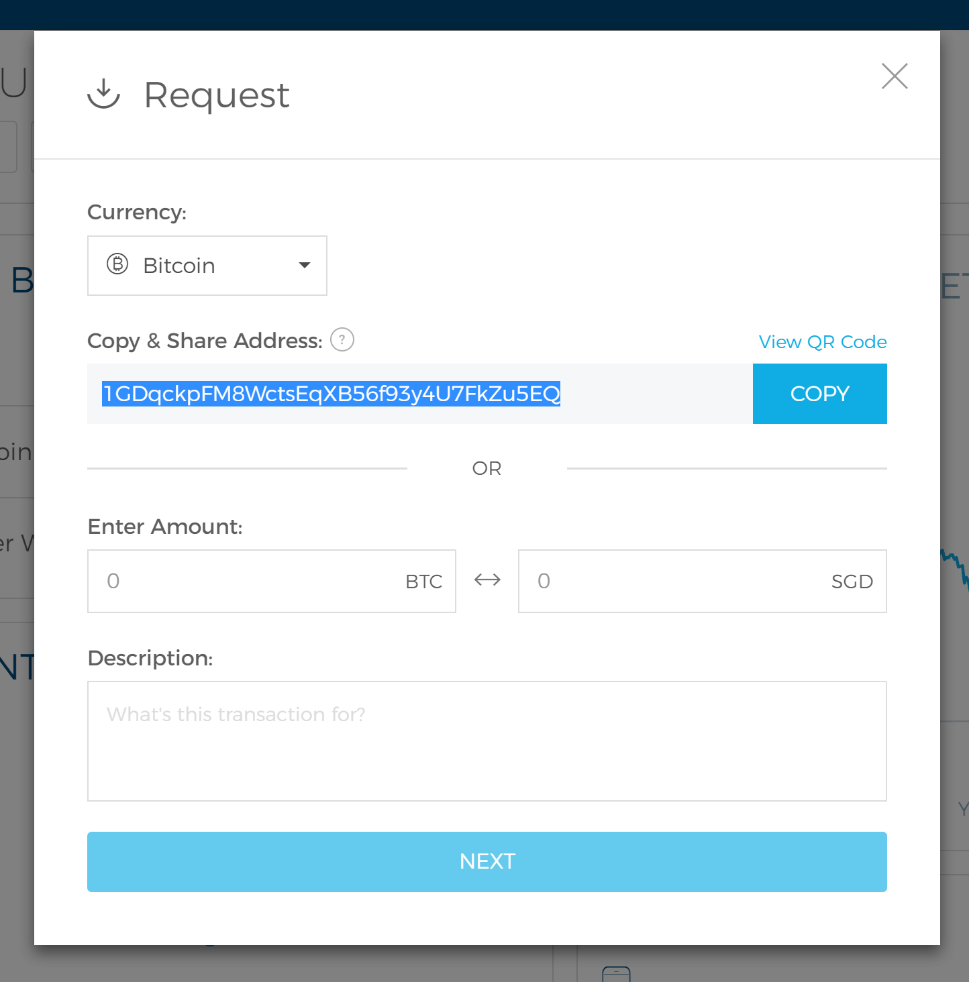
The primary gateway to acquiring Bitcoin is through cryptocurrency exchanges or brokers. These platforms act as digital marketplaces where users can buy, sell, and trade various cryptocurrencies. Choosing the right platform is a critical financial decision, as it impacts everything from transaction fees and security to the range of services available and regulatory compliance. Moreover, understanding the distinction between an exchange (where you buy/sell) and a wallet (where you store your Bitcoin) is fundamental to secure asset management.
From a financial tool perspective, exchanges provide the necessary infrastructure to convert fiat currency (like USD or EUR) into Bitcoin and vice versa. They vary widely in their offerings, catering to different types of investors, from beginners looking for simplicity to experienced traders seeking advanced features. Key considerations when evaluating platforms include their fee structures, which can impact profitability; their security protocols, which safeguard your investment; and their regulatory standing, which provides a layer of consumer protection and legal recourse.
Choosing the Right Cryptocurrency Exchange
The market is saturated with numerous cryptocurrency exchanges, each with its own advantages and disadvantages. When making your selection, consider the following financial and practical factors:
- Fees: Exchanges typically charge fees for various actions, including deposits, withdrawals, and trading. These can be percentage-based, flat fees, or a combination. Compare fee schedules carefully, as high fees can erode investment returns, especially for frequent traders or smaller transactions.
- Security: This is paramount. Look for exchanges with robust security measures, such as two-factor authentication (2FA), cold storage for a significant portion of user funds (offline storage to protect against hacking), and insurance coverage for digital assets.
- Regulatory Compliance: Opt for exchanges that are regulated in reputable jurisdictions. Compliance with KYC (Know Your Customer) and AML (Anti-Money Laundering) laws, while requiring personal identification, offers a layer of legal protection and indicates the platform’s commitment to legitimate financial operations.
- Liquidity: A highly liquid exchange allows you to buy or sell Bitcoin quickly at competitive prices. This is particularly important for larger transactions or during volatile market conditions.
- User Interface and Customer Support: For new investors, an intuitive platform is crucial. Reliable customer support is also invaluable when navigating issues or seeking clarification on financial transactions.
- Funding Options: Check what methods are available for depositing fiat currency (e.g., bank transfers, debit/credit cards, PayPal). Some methods may have higher fees or slower processing times.
Well-known exchanges like Coinbase, Binance, Kraken, and Gemini are popular choices, each offering varying features tailored to different user segments. Researching user reviews and independent analyses can provide further insight.
Understanding Bitcoin Wallets: Hot vs. Cold Storage
While exchanges facilitate buying and selling, a wallet is where your Bitcoin is actually stored. Think of it as your digital bank account for cryptocurrency. There are two main types:
- Hot Wallets: These are connected to the internet. They include exchange wallets (where your Bitcoin is stored on the exchange’s platform), web wallets, and mobile apps. Hot wallets offer convenience for frequent trading but are generally considered less secure for large holdings due to their online exposure to potential cyber threats. For small, easily accessible amounts, they are practical financial tools.
- Cold Wallets: These are offline storage solutions, offering the highest level of security. Hardware wallets (physical devices resembling USB drives) and paper wallets fall into this category. Cold storage is highly recommended for significant long-term investments, as it removes the risk of online hacking. However, accessing funds from a cold wallet can be less immediate, representing a trade-off between security and accessibility.
From a personal finance perspective, a common strategy is to use a hot wallet on an exchange for smaller amounts intended for active trading, and a cold wallet for the bulk of one’s Bitcoin investment.
The Step-by-Step Financial Onboarding Process
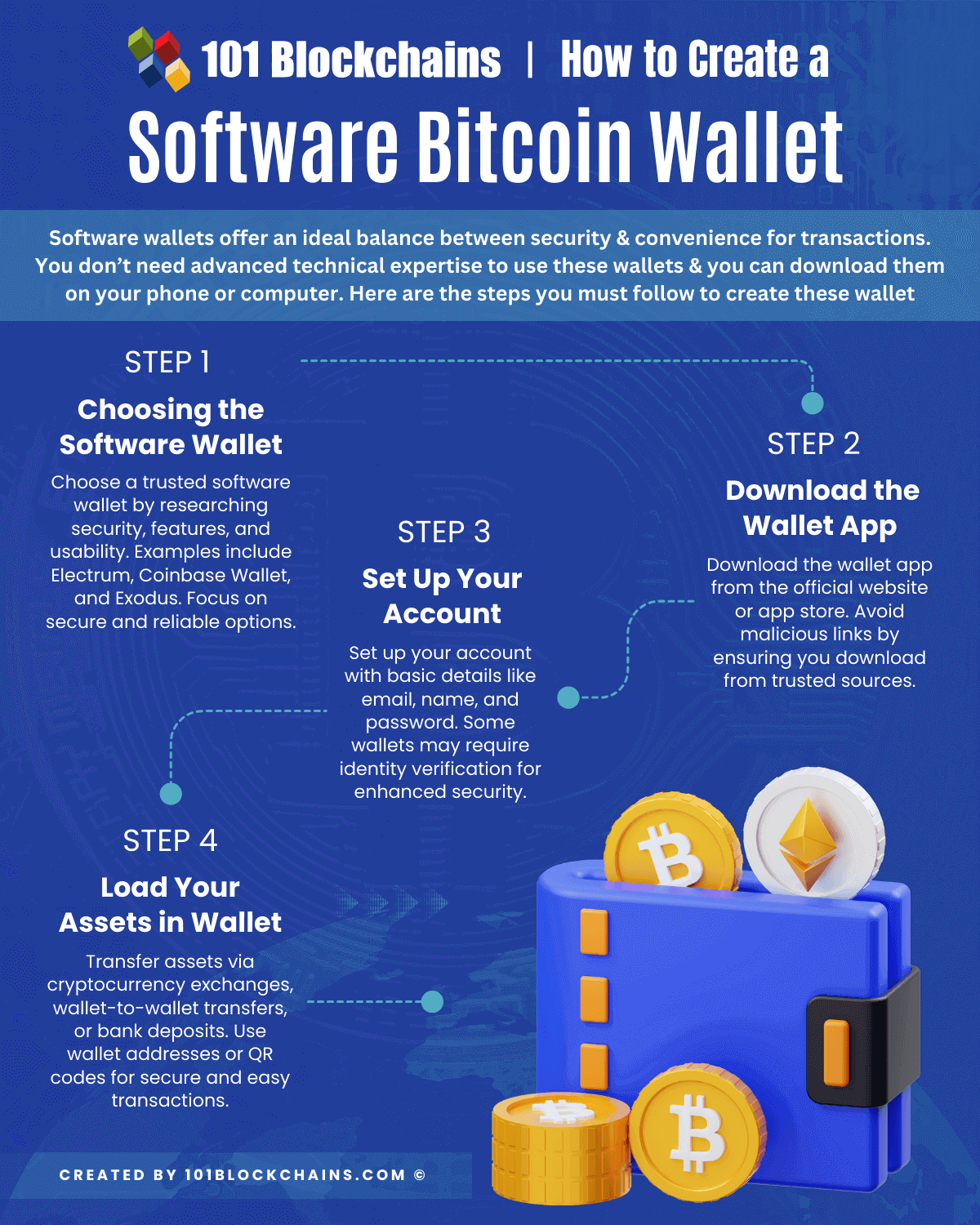
Once you’ve selected your preferred exchange, the process of opening a Bitcoin account is surprisingly similar to setting up an account with a traditional online brokerage or bank. The key steps revolve around identity verification and funding your account, both of which are critical for financial security and regulatory compliance.
This section will detail the practical steps involved, underscoring the importance of accurate information and adherence to financial regulations. Understanding the intricacies of KYC (Know Your Customer) and AML (Anti-Money Laundering) procedures is vital, as they protect both the individual investor and the broader financial system from illicit activities.
1. Registration and Account Creation
The initial step involves visiting the chosen exchange’s website or downloading its mobile app. You will typically be prompted to provide basic personal information such as your name, email address, and a strong password. It’s crucial to use a unique and complex password and enable two-factor authentication (2FA) immediately. 2FA adds an extra layer of security, requiring a second verification step (e.g., a code from your phone or an authenticator app) in addition to your password, significantly reducing the risk of unauthorized access to your financial assets.
2. Identity Verification (KYC/AML)
This is a mandatory step for almost all regulated cryptocurrency exchanges. KYC (Know Your Customer) and AML (Anti-Money Laundering) regulations require financial institutions, including crypto exchanges, to verify the identity of their users. This prevents fraud, terrorist financing, and money laundering, thereby protecting the integrity of the financial system. You will typically need to provide:
- Proof of Identity: A government-issued ID, such as a passport or driver’s license.
- Proof of Address: A utility bill or bank statement (usually less than three months old).
- Selfie/Liveness Check: Some platforms require a live photo or video to confirm you are the legitimate owner of the documents.
While this process might seem intrusive, it is a standard financial procedure and a good indicator of a legitimate and compliant exchange. Providing accurate and up-to-date information is essential to avoid delays in account activation and potential issues with future transactions.
3. Funding Your Account
Once your identity is verified, the next step is to deposit funds into your exchange account to purchase Bitcoin. Exchanges offer various funding methods, each with its own associated fees and processing times:
- Bank Transfer (ACH/SEPA/Wire): Often the most cost-effective method for larger amounts, but can take a few business days to clear.
- Debit/Credit Card: Provides instant deposits but usually comes with higher transaction fees (often 2-4% or more). This can significantly impact the initial cost of your Bitcoin acquisition.
- PayPal/Other Payment Processors: Some exchanges support these, offering convenience but potentially higher fees.
- Peer-to-Peer (P2P) Trading: Some platforms allow direct trading between users, offering a variety of payment methods, though this requires careful due diligence on the part of both parties.
Choose the method that balances cost-effectiveness with your need for speed and convenience. Always be mindful of minimum and maximum deposit limits, as well as any associated fees, as these directly impact your investment capital.
4. Purchasing Bitcoin
With funds in your account, you’re ready to make your first Bitcoin purchase.
- Navigate to the “Buy/Sell” or “Trade” section: Most exchanges have a clear interface for this.
- Select Bitcoin (BTC): Choose Bitcoin from the list of available cryptocurrencies.
- Enter the amount: Specify how much Bitcoin you wish to buy, either by the amount of fiat currency you want to spend (e.g., “$100 worth of BTC”) or by the amount of BTC you want to acquire (e.g., “0.001 BTC”).
- Review and Confirm: Before finalizing, review the transaction details, including the current price, fees, and the total amount of Bitcoin you will receive. Confirm the transaction.
Your newly purchased Bitcoin will then appear in your exchange wallet. At this point, you’ve successfully opened an account and acquired your first digital assets.
Strategic Security and Management of Your Bitcoin Holdings
Opening an account and buying Bitcoin is just the beginning. Effective financial management of your cryptocurrency holdings extends beyond the initial purchase, encompassing robust security practices, diligent monitoring, and an understanding of the broader financial and tax implications. Neglecting these aspects can lead to significant financial losses or missed opportunities.
A core principle in managing any financial asset is risk mitigation, and with Bitcoin, this principle is amplified due to its digital nature and the evolving regulatory landscape. Investors must adopt a proactive stance on securing their assets and integrate their Bitcoin holdings into their overall financial planning.
Protecting Your Digital Wealth
Security is paramount in the cryptocurrency world. Unlike traditional bank accounts, where institutions often bear the brunt of unauthorized access, with Bitcoin, the responsibility largely falls on the individual.
- Strong Passwords and 2FA: Reiterate the importance of unique, complex passwords and always enabling two-factor authentication (2FA) for your exchange account and email.
- Phishing Awareness: Be extremely cautious of suspicious emails, messages, or websites impersonating your exchange. Always double-check URLs and sender identities. Phishing scams are a major source of financial theft in the crypto space.
- Wallet Security: As discussed, for significant holdings, consider transferring your Bitcoin from the exchange’s hot wallet to a personal cold wallet (hardware wallet). This removes your assets from the internet, drastically reducing the risk of online theft. Always back up your cold wallet’s seed phrase (a series of words that can restore your wallet) and store it securely offline, ideally in multiple physical locations. Never share your seed phrase with anyone.
- Regular Software Updates: Ensure your operating system, browser, and any crypto-related software or apps are always up to date to patch known vulnerabilities.
Monitoring and Portfolio Management
Like any investment, Bitcoin requires ongoing monitoring and management to align with your financial goals.
- Market Monitoring: Keep an eye on market trends, news, and price movements. While tempting to constantly check, avoid making impulsive decisions based on short-term volatility.
- Diversification: Bitcoin, while a significant asset, should ideally be part of a diversified investment portfolio. Over-reliance on a single asset class, especially one as volatile as cryptocurrency, can expose you to excessive risk. Consider balancing your crypto holdings with traditional assets appropriate for your risk tolerance.
- Rebalancing: Periodically review your portfolio’s allocation. If Bitcoin’s value has significantly increased, you might consider rebalancing by selling a portion to maintain your desired asset allocation, locking in profits and managing risk. Conversely, if it has fallen, you might choose to buy more if it aligns with your long-term strategy and conviction.
- Tax Implications: This is a critical financial consideration. Bitcoin gains are taxable in many jurisdictions. Keep meticulous records of all your Bitcoin purchases, sales, and any other transactions (e.g., using Bitcoin for payments, receiving it as income, mining) including dates, amounts, and fiat values at the time of transaction. Consult with a tax professional experienced in cryptocurrency to ensure compliance and optimize your tax strategy.
Integrating Bitcoin into Your Broader Financial Strategy
Opening a Bitcoin account and making your initial purchase is merely the entry point. For a holistic financial approach, Bitcoin must be viewed within the context of your entire wealth management plan. This involves assessing its role alongside other assets, understanding its long-term implications, and staying informed about the evolving financial ecosystem.
The goal is not just to acquire Bitcoin, but to thoughtfully integrate it into your financial future, leveraging its potential benefits while prudently managing its unique risks.
Risk Assessment and Management
Every investment carries risk, and Bitcoin is no exception. Due to its relative novelty and high volatility, a thorough risk assessment is crucial.
- Volatility: Bitcoin’s price swings can be dramatic. Be prepared for potential significant paper losses and avoid investing funds you cannot afford to lose. Only invest an amount that, if it went to zero, would not severely impact your financial stability.
- Regulatory Risk: The regulatory landscape for cryptocurrencies is still evolving. New laws or bans could significantly impact Bitcoin’s value and accessibility.
- Technological Risk: While Bitcoin’s blockchain is robust, underlying technological vulnerabilities, bugs, or network attacks (though highly improbable for Bitcoin) could theoretically pose risks.
- Liquidity Risk: While major exchanges offer high liquidity, significant market downturns could temporarily impair the ability to sell large quantities without impacting price.
- Custodial Risk: If you leave your Bitcoin on an exchange, you are subject to the risk of the exchange being hacked, becoming insolvent, or engaging in fraudulent activities. This is why self-custody (using your own wallet) is often recommended for larger amounts.
Develop a clear exit strategy and understand your personal risk tolerance.
Long-Term Vision and Future Trends
Many investors view Bitcoin as a long-term asset, a digital store of value that could appreciate significantly over decades. This perspective often involves a “Hodl” strategy (a deliberate misspelling of “hold”), where investors buy and hold Bitcoin through market fluctuations, believing in its eventual widespread adoption and increased value.
As the cryptocurrency space matures, we are witnessing the emergence of sophisticated financial products and services built around Bitcoin. This includes Bitcoin ETFs (Exchange-Traded Funds), lending platforms, and derivatives. These offerings provide new avenues for exposure and financial strategies, but also introduce new layers of complexity and risk that require careful evaluation. Staying informed about these developments will be key to adapting your financial strategy over time.
Ultimately, opening a Bitcoin account is an active step into a rapidly evolving financial frontier. By understanding its nature as a financial asset, choosing reputable platforms, diligently securing your holdings, and integrating it wisely into your overall financial plan, you can responsibly explore the opportunities that Bitcoin presents for personal wealth accumulation and diversification in the 21st century.
aViewFromTheCave is a participant in the Amazon Services LLC Associates Program, an affiliate advertising program designed to provide a means for sites to earn advertising fees by advertising and linking to Amazon.com. Amazon, the Amazon logo, AmazonSupply, and the AmazonSupply logo are trademarks of Amazon.com, Inc. or its affiliates. As an Amazon Associate we earn affiliate commissions from qualifying purchases.