
Opening a checking account is a fundamental step in managing personal finances, providing a secure and convenient way to handle daily transactions. For many, Bank of America, one of the largest financial institutions in the United States, is a prime choice due to its extensive network, diverse product offerings, and robust digital platforms. This comprehensive guide will walk you through the entire process, from understanding account types to managing your new account effectively, ensuring you make informed decisions every step of the way. Whether you’re a first-time account holder, looking to switch banks, or adding another account to your financial arsenal, navigating the options and requirements can seem daunting. However, with the right information, setting up your Bank of America checking account can be a straightforward and empowering experience.
Understanding Bank of America Checking Accounts
Before you dive into the application process, it’s crucial to understand what Bank of America offers and how different checking accounts cater to various financial needs. Choosing the right account ensures you maximize benefits and minimize fees.
Why Choose Bank of America?
Bank of America stands out for several reasons that appeal to a broad spectrum of customers. Its widespread physical presence with thousands of branches and ATMs across the country offers unparalleled accessibility for in-person transactions and support. Beyond brick-and-mortar, its digital banking services are top-tier, featuring an intuitive mobile app and online banking portal that allow for seamless management of funds, bill payments, mobile deposits, and peer-to-peer transfers via Zelle®. The bank also provides a diverse ecosystem of financial products, meaning you can easily link your checking account to savings accounts, investment accounts, credit cards, and mortgages, streamlining your financial life under one roof. For those who value convenience, comprehensive service, and a strong digital footprint, Bank of America often presents a compelling choice.
Types of Checking Accounts Offered
Bank of America typically offers a tiered system of checking accounts, each designed with specific customer needs in mind. Understanding the nuances of each can help you select the best fit:
-
Advantage Plus Checking: This is often the most popular option, designed for everyday banking needs. It typically comes with a monthly maintenance fee, which can often be waived by meeting certain requirements, such as maintaining a minimum daily balance, having eligible direct deposits, or being a student under 25. It offers unlimited transactions and access to all digital banking features.
-
Advantage SafeBalance Banking®: Ideal for those who want to avoid overdraft fees entirely. This account does not allow you to spend more money than you have available, making it a great choice for budgeting and financial control. It typically has a lower monthly maintenance fee than Advantage Plus, which can also be waived for eligible Preferred Rewards clients or students. It does not come with checks but includes a debit card for purchases and ATM withdrawals.
-
Advantage Relationship Banking®: This account is designed for customers with more significant banking relationships. It offers enhanced benefits, often including no monthly maintenance fees if you meet higher combined balance requirements across eligible Bank of America accounts (checking, savings, Merrill investment accounts). It may also offer interest on balances, discounted lending rates, and other perks, making it attractive for individuals looking for a deeper banking relationship and premium services.
Each account type has distinct features, fee structures, and waiver conditions. Carefully reviewing the current offerings on the Bank of America website or speaking with a banker will provide the most up-to-date and personalized information.
Key Considerations Before Opening
Before committing to an account, take a moment to assess your financial habits and priorities. Consider the following:
-
Monthly Maintenance Fees: Can you realistically meet the waiver requirements? If not, are you comfortable paying the fee?
-
Minimum Balance Requirements: Some accounts require a minimum daily or average monthly balance to avoid fees. Do you typically maintain such balances?
-
Overdraft Protection: Do you want the ability to overdraw your account, or would you prefer an account like SafeBalance that prevents it? If you opt for overdraft protection, understand the associated fees.
-
Access to Funds: Do you need check-writing capabilities, or is a debit card sufficient? How often will you use ATMs, and are Bank of America ATMs convenient for you?
-
Interest Earnings: While checking accounts typically offer low-interest rates, some higher-tier accounts might offer nominal interest. Is this a priority for you?
-
Integration with Other Services: If you plan to consolidate your finances, consider how easily the checking account integrates with Bank of America’s other products.
Answering these questions will guide you toward the checking account that best aligns with your financial lifestyle and goals.
Essential Requirements and Documentation
Once you’ve identified the ideal checking account, the next step is to gather the necessary documentation. Federal regulations, such as the USA PATRIOT Act, require financial institutions to verify the identity of their customers to help prevent financial crime.
Personal Identification
You will need at least one form of primary photo identification, and sometimes a secondary form. Acceptable primary IDs usually include:
-
Valid Driver’s License or State-Issued ID: Must be current and not expired.
-
U.S. Passport or Foreign Passport with U.S. Visa: Again, must be current.
-
Military ID: For service members.
-
Resident Alien Card (Green Card): For non-citizens residing in the U.S.
Ensure the name on your ID matches your legal name exactly.
Proof of Address
This is required to confirm your residential address. Documents typically accepted include:
-
Utility Bill: Electric, gas, water, or internet bill (within the last 60 days).
-
Lease Agreement or Mortgage Statement: Current and showing your name and address.
-
Bank or Credit Card Statement: From another institution, showing your current address.
-
Voter Registration Card:
-
Official Mail: From a government agency (e.g., IRS notice).
The address on your proof of address should match the address you provide for your account.
Social Security Number (SSN) or Individual Taxpayer Identification Number (ITIN)
For U.S. citizens and residents, your Social Security Number is mandatory. Non-resident aliens who pay taxes in the U.S. may use an ITIN. This is crucial for tax reporting purposes and for the bank to verify your identity.
Initial Deposit Funds
You’ll need funds to make your initial deposit, which activates your account. The minimum amount varies by account type but is often around $25-$100. Accepted forms of deposit include:
-
Cash: Only if applying in person at a branch.
-
Check: Personal check, cashier’s check, or money order.
-
Debit Card: To transfer funds from another account.
-
Wire Transfer:
-
Transfer from an Existing Bank of America Account: If you have one.
Age Requirements
To open a checking account independently, you must typically be 18 years or older. Minors (under 18) can usually open a joint account with a parent or legal guardian who is an adult account holder. Bank of America often has specific accounts or programs tailored for students and young adults, so inquire about these if applicable.
Gathering these documents beforehand will significantly streamline your application process, whether you apply online or in person.
Step-by-Step Guide to Opening Your Account
Bank of America offers convenient ways to open a checking account, primarily through online application or by visiting a local branch.
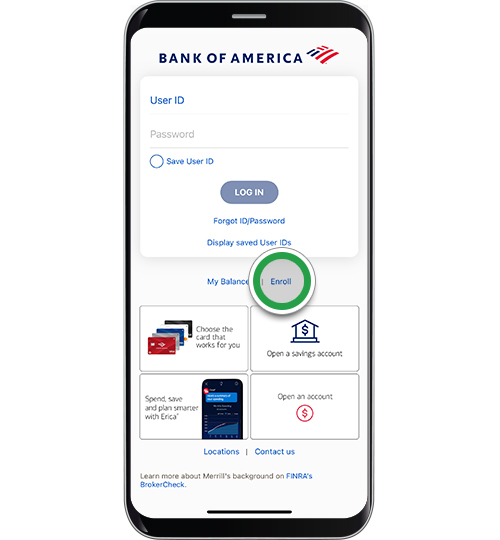
Online Application Process
This is often the quickest and most convenient method.
-
Visit the Bank of America Website: Navigate to the “Checking Accounts” section.
-
Choose Your Account: Select the checking account that best fits your needs (e.g., Advantage Plus, SafeBalance, Advantage Relationship).
-
Click “Open Now” or “Apply Now”: This will initiate the online application.
-
Provide Personal Information: You’ll be asked for your full name, date of birth, SSN/ITIN, contact information (phone, email), and physical address.
-
Upload Documentation (if required): For identity and address verification, you might be prompted to upload digital copies or photos of your ID and proof of address. Ensure these are clear and legible.
-
Fund Your Account: Link an external bank account, use a debit card, or provide details for a direct transfer to make your initial deposit.
-
Review and Submit: Carefully review all the information you’ve entered to ensure accuracy. Read and agree to the terms and conditions.
-
E-Signature: You may be asked to provide an electronic signature.
-
Confirmation: You’ll receive a confirmation email with details about your application and estimated account activation time.
The online application can typically be completed in about 10-15 minutes, provided you have all your information ready.
In-Person Application Process
For those who prefer face-to-face interaction or have complex questions, applying at a branch is a great option.
-
Locate a Branch: Use the Bank of America website or mobile app to find the nearest branch.
-
Gather Documents: Bring all your required identification, proof of address, SSN/ITIN, and initial deposit funds.
-
Schedule an Appointment (Optional but Recommended): To minimize wait times, especially for more detailed inquiries, consider scheduling an appointment with a banking specialist.
-
Meet with a Banker: A Bank of America representative will guide you through the application form, explain account options, and answer any questions you may have. They will verify your identity and documentation.
-
Complete the Application: Fill out the necessary paperwork with the banker’s assistance.
-
Make Initial Deposit: Provide your initial deposit funds.
-
Receive Temporary Debit Card (Often): In many cases, you can walk out with a temporary debit card that day, allowing immediate access to your funds. Your personalized card will be mailed to you.
-
Account Activation: Your account will typically be active immediately, and you’ll receive account numbers.
What to Expect After Application
Whether you apply online or in person, here’s what typically happens next:
-
Account Approval: Online applications usually get instant or near-instant approval. In-person applications are often approved on the spot.
-
Welcome Kit: You’ll receive a welcome kit in the mail, containing your account details, terms and conditions, and information on how to use online banking.
-
Debit Card Arrival: Your personalized debit card will arrive by mail within 7-10 business days. Once received, you’ll need to activate it (usually via phone or online) and set a PIN.
-
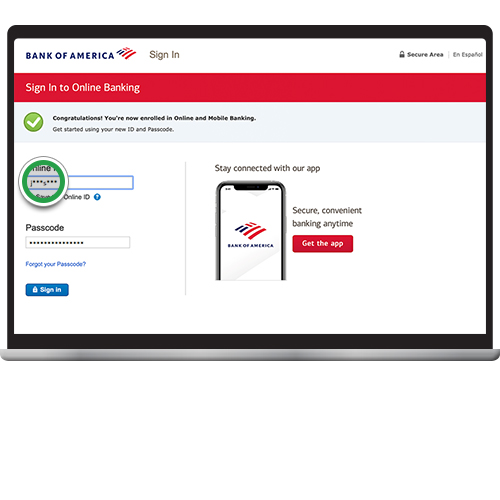
Online Banking Enrollment: Enroll in online banking and download the mobile app as soon as your account is active to start managing your funds digitally.
Managing Your New Bank of America Checking Account
Opening the account is just the beginning. Effective management is key to leveraging its benefits and avoiding pitfalls.
Utilizing Online Banking and Mobile App
Bank of America’s digital tools are powerful. Take time to explore:
-
Balance Checks and Transaction History: Monitor your account activity regularly to track spending and identify any unauthorized transactions.
-
Transfers: Easily move money between your Bank of America accounts or to external accounts.
-
Bill Pay: Set up recurring payments for utilities, rent, and other bills to ensure they’re paid on time.
-
Zelle®: Send and receive money instantly with friends and family using just their email or phone number.
-
Mobile Deposit: Deposit checks by simply taking a photo with your smartphone.
-
Budgeting Tools: Leverage features like MyMerrill to gain insights into your spending habits and set financial goals.
-
Alerts: Set up notifications for low balances, large transactions, or direct deposits to stay informed.
Understanding Account Fees and Avoiding Them
Awareness of fees is critical for cost-effective banking.
-
Monthly Maintenance Fees: As discussed, understand the waiver requirements for your specific account and make sure you meet them. If not, budget for the fee.
-
Overdraft Fees: If your account allows overdrafts, be mindful of your balance. Bank of America offers various overdraft protection options, such as linking to a savings account or a credit line, which can be cheaper than standard overdraft fees.
-
ATM Fees: Use Bank of America ATMs to avoid fees. If you must use an out-of-network ATM, be aware that you might incur fees from both Bank of America and the ATM owner.
-
Other Fees: Review the fee schedule provided by Bank of America for less common fees like stop payment requests, wire transfers, or dormant account fees.
Setting Up Direct Deposit and Bill Pay
These features simplify your financial life:
-
Direct Deposit: Provide your employer with your Bank of America account and routing numbers to have your paycheck automatically deposited. This often helps waive monthly maintenance fees and provides immediate access to your funds.
-
Automated Bill Pay: Set up recurring payments for utilities, loans, credit cards, and subscriptions. This ensures bills are paid on time, preventing late fees and improving your credit score.
Linking to Other Financial Tools
Maximize your Bank of America relationship:
-
Savings Accounts: Link your checking to a Bank of America savings account for easy transfers and to build an emergency fund.
-
Merrill Investment Accounts: If you have investment accounts with Merrill (Bank of America’s investing arm), linking them can unlock Preferred Rewards benefits and provide a holistic view of your finances.
-
Budgeting Apps: Connect your Bank of America account to third-party budgeting apps like Mint or Personal Capital for advanced financial tracking and planning.
Financial Best Practices with Your Checking Account
A checking account is a powerful tool for financial management. Using it wisely involves adopting sound financial habits.
Budgeting and Tracking Spending
Your checking account is the primary hub for your income and expenses.
-
Create a Budget: Understand your income and categorize your spending. The Bank of America mobile app and online banking often offer tools to help categorize transactions automatically.
-
Track Your Spending: Regularly review your statements and digital transaction history to ensure you stay within your budget. Identifying spending patterns can help you find areas to save.
-
Conscious Spending: Make informed decisions about your purchases, distinguishing between needs and wants.
Building an Emergency Fund
While checking accounts are for daily expenses, they can be a starting point for savings.
-
Automate Transfers: Set up automatic transfers from your checking account to a separate Bank of America savings account each payday. Even small, consistent contributions add up.
-
Segregate Funds: Keeping your emergency fund in a dedicated savings account helps prevent you from accidentally spending it.
Protecting Your Account from Fraud
Security is paramount in banking.
-
Monitor Statements Regularly: Look for any unfamiliar transactions and report them immediately.
-
Utilize Bank’s Security Features: Enable strong passwords, two-factor authentication, and biometric login (fingerprint/face ID) on the mobile app.
-
Set Up Alerts: Get notifications for large transactions, unusual activity, or when your balance drops below a certain threshold.
-
Be Wary of Phishing: Bank of America will never ask for your full SSN, PIN, or full account number via email or unsolicited calls. Be suspicious of suspicious communications.
-
Report Lost/Stolen Cards Immediately: Use the mobile app or call the bank’s customer service number to lock your card and report it stolen.
Leveraging Bank of America’s Resources for Financial Growth
Bank of America offers more than just transactional accounts.
-
Financial Advisors: Consider speaking with a Bank of America financial advisor for personalized advice on saving, investing, and long-term financial planning.
-
Educational Content: The bank often provides articles, webinars, and tools on its website covering various financial topics, from debt management to retirement planning.
-
Explore Other Products: As your financial needs evolve, explore Bank of America’s credit cards, loans, mortgages, and investment services with Merrill to build a comprehensive financial strategy.
Opening and managing a Bank of America checking account is a foundational step toward sound financial health. By understanding your options, fulfilling the requirements, and utilizing the available tools and resources, you can effectively manage your daily finances, work towards your financial goals, and enjoy the convenience and security offered by one of the nation’s leading banks. Taking an active role in managing your account will empower you to make smarter financial decisions and build a more secure financial future.
aViewFromTheCave is a participant in the Amazon Services LLC Associates Program, an affiliate advertising program designed to provide a means for sites to earn advertising fees by advertising and linking to Amazon.com. Amazon, the Amazon logo, AmazonSupply, and the AmazonSupply logo are trademarks of Amazon.com, Inc. or its affiliates. As an Amazon Associate we earn affiliate commissions from qualifying purchases.