
Opening a bank account is a foundational step in personal financial management, serving as the gateway to secure transactions, savings, and broader financial services. For many, Bank of America, one of the largest financial institutions in the United States, presents a compelling option due to its extensive network, diverse product offerings, and robust digital capabilities. This comprehensive guide will walk you through everything you need to know about opening a Bank of America account, ensuring a smooth and informed process from start to finish. Whether you’re a first-time account holder, looking to switch banks, or adding new accounts to your portfolio, understanding the nuances of their offerings and the application process is key to making the most of your banking relationship.
Understanding Your Banking Needs: Why Choose Bank of America?
Before diving into the specifics of account types and application procedures, it’s crucial to assess your personal financial landscape and understand why Bank of America might be the right fit for your needs. A bank account isn’t just a place to store money; it’s a tool that supports your daily financial activities, long-term goals, and overall financial well-being.
Assessing Your Financial Goals
Every individual has unique financial goals, whether it’s managing daily expenses, saving for a down payment, investing for retirement, or simply needing convenient access to cash. When considering a bank, ask yourself:
- What are my primary transaction needs? Do I mostly use debit cards, online bill pay, or need frequent cash access?
- Do I have specific savings goals? Am I looking for high-yield savings, or more flexible savings options?
- How important is digital banking to me? Do I rely heavily on mobile apps and online platforms for managing my money?
- What is my comfort level with fees? Am I able to maintain minimum balances to waive fees, or do I prefer accounts with no monthly maintenance charges?
- Do I foresee needing other financial products? Such as credit cards, loans, or investment services, and would I prefer to have them all under one roof?
Bank of America offers a broad spectrum of products designed to meet diverse needs, making it a strong contender for those seeking an integrated financial partner.
Advantages of Banking with Bank of America
Bank of America’s appeal stems from several key advantages:
- Extensive Network: With thousands of branches and ATMs across the country, physical access to your money and banking services is highly convenient, especially for those who prefer in-person interactions.
- Robust Digital Banking: Their online banking platform and mobile app are highly rated, offering features like mobile check deposit, Zelle for peer-to-peer payments, online bill pay, and advanced budgeting tools.
- Diverse Product Portfolio: Beyond standard checking and savings, Bank of America provides a wide array of financial products, including credit cards, mortgages, auto loans, investment services through Merrill, and small business banking solutions, allowing for a consolidated banking relationship.
- Preferred Rewards Program: For clients with significant balances across their Bank of America and Merrill accounts, the Preferred Rewards program offers compelling benefits like credit card rewards bonuses, interest rate boosters, and discounts on loans, incentivizing deeper relationships.
- Customer Service: Access to customer support via phone, online chat, and in-person at branches ensures assistance is available when needed.
Key Considerations Before Applying
While Bank of America offers many benefits, it’s important to consider factors like account fees, minimum balance requirements, and interest rates. Some accounts may have monthly maintenance fees that can be waived by meeting certain criteria (e.g., maintaining a minimum daily balance, setting up direct deposit). Understanding these terms upfront will help you avoid unexpected charges and choose the most cost-effective account for your financial habits.
Types of Bank of America Accounts: Finding Your Fit
Bank of America provides a range of checking and savings accounts tailored to different financial lifestyles. Choosing the right account is paramount to effective money management, so understanding the distinctions is essential.
Checking Accounts
Checking accounts are designed for daily transactions and easy access to your funds. Bank of America offers several options:
- Advantage SafeBalance Banking®: Ideal for those who want to avoid overdraft fees. This account operates on a “spend what you have” principle, preventing transactions that exceed your available balance. It has a low monthly fee that can be waived with specific criteria.
- Advantage Plus Banking®: A popular choice for everyday banking. It comes with a monthly maintenance fee that can be waived by meeting specific requirements, such as a qualifying direct deposit or maintaining a minimum daily balance. This account allows for overdraft protection options.
- Advantage Relationship Banking®: Designed for clients who maintain higher balances or have an existing relationship with Merrill. This account offers more benefits, including no monthly maintenance fees when qualifying balance requirements are met across linked Bank of America and Merrill accounts, and potential for Preferred Rewards tier benefits.
- Student Banking (part of Advantage Plus): While not a separate account type, Bank of America often waives the monthly maintenance fee for Advantage Plus Banking for students under 24 enrolled in high school, college, or vocational programs, making it an excellent option for young adults.
Savings Accounts
Savings accounts are designed for accumulating funds and earning interest, helping you reach your financial goals.
- Advantage Savings: This is Bank of America’s primary savings account. It earns interest and offers features like Keep the Change® (which rounds up debit card purchases and transfers the difference to savings) to help you save effortlessly. A monthly maintenance fee applies but can be waived by meeting specific requirements, such as maintaining a minimum balance or linking to an eligible Bank of America checking account.
- Certificates of Deposit (CDs): For those with a lump sum they don’t need immediate access to, CDs offer fixed interest rates for a set period (e.g., 3 months to 10 years). Generally, the longer the term, the higher the interest rate. CDs are a secure way to grow your savings, though there are penalties for early withdrawal.
Other Financial Products (Briefly)
While the focus here is on opening checking and savings accounts, it’s worth noting that Bank of America also offers a suite of other financial products that can complement your core banking, including credit cards, home loans, auto loans, and investment accounts through Merrill. Consolidating your financial services with one institution can often lead to relationship benefits and streamlined management.
The Application Process: Step-by-Step Guide
Opening a Bank of America account is a straightforward process, whether you choose to do it online or in person. Both methods are designed to be efficient, but each has distinct advantages depending on your preference and circumstances.
Online Application
The online application is convenient and can be completed from anywhere with an internet connection, often taking less than 15 minutes.
- Visit the Bank of America Website: Navigate to Bank of America’s official website and look for the “Checking & Savings” or “Open an Account” section.
- Select Your Account Type: Browse the available checking and savings accounts and select the one that best fits your needs. You can often compare features side-by-side.
- Start Your Application: Click the “Open Now” or “Apply Now” button.
- Provide Personal Information: You’ll be prompted to enter your personal details, including your full name, date of birth, Social Security Number (SSN) or Individual Taxpayer Identification Number (ITIN), email address, phone number, and physical address.
- Review and Consent: Carefully review all the information you’ve provided. You’ll also need to agree to the terms and conditions, privacy policy, and e-sign disclosures.
- Initial Funding (Optional for online): For some accounts, you may be able to make your initial deposit during the online application process using an existing debit card or by linking another bank account. If not, you can typically fund it later.
- Submit Application: Once everything is reviewed and confirmed, submit your application. You’ll usually receive an immediate decision or an email with further instructions.
In-Person Application
Applying at a branch offers the benefit of direct interaction with a banking specialist who can answer questions, explain account features, and guide you through the process.
- Locate a Branch: Use the Bank of America website or mobile app to find the nearest branch location.
- Gather Required Documents: Before you go, ensure you have all the necessary identification and information (detailed in the next section).
- Visit the Branch: During business hours, head to your chosen branch. You may need to wait to speak with a customer service representative or an account specialist.
- Consult with a Banker: A banker will discuss your financial needs, help you choose the most suitable account, and explain all the features, fees, and requirements.
- Complete Paperwork: The banker will assist you in filling out the application forms.
- Provide ID and Initial Deposit: Present your required identification documents and make your initial deposit.
- Sign Documents: Sign all necessary agreements and disclosures.
The banker will often provide you with temporary checks, explain how to set up online banking, and inform you about when your debit card will arrive.
What Happens After You Apply
Once your application is submitted and approved, you can expect:
- Welcome Kit: Bank of America will typically mail you a welcome kit containing information about your new account, important terms, and instructions for setting up online banking.
- Debit Card: Your new debit card will arrive separately in the mail, usually within 5-10 business days.
- Account Access: You’ll gain access to your account details, which you can use to set up online banking and mobile banking services even before your physical card arrives.
What You’ll Need: Essential Documents and Information
Whether applying online or in person, having the correct documentation ready is crucial for a smooth and swift account opening process. Federal regulations, specifically the Patriot Act, require financial institutions to verify the identity of customers to prevent financial crime.
Personal Identification
You’ll need at least one form of primary government-issued photo identification.
- Valid Driver’s License or State ID: Must be current and not expired.
- U.S. Passport or U.S. Passport Card: A globally accepted form of identification.
- Military ID: For active duty or retired military personnel.
- Foreign Passport (with U.S. visa, if applicable): For non-U.S. citizens.
In some cases, a secondary form of identification may be requested, especially if your primary ID lacks a photo or verifiable information. This could include a major credit card, health insurance card, or an employer ID.
Proof of Address
Banks need to verify your current residential address. This helps ensure communication reaches you and assists in fraud prevention.
- Utility Bill: Electric, gas, water, or cable bill from the last 60 days.
- Lease Agreement or Mortgage Statement: A recent statement or copy of your current lease.
- Official Mail: Such as a bank statement from another institution or government correspondence (e.g., tax bill).
- Vehicle Registration or Insurance Card: Current and valid.
Ensure the name on your proof of address matches your identification.
Social Security Number (SSN) or ITIN
Your Social Security Number (SSN) or Individual Taxpayer Identification Number (ITIN) is mandatory for tax reporting purposes and is used to verify your identity.
- Social Security Card: Your physical card or a document from the Social Security Administration showing your SSN.
- ITIN Assignment Letter: For non-U.S. citizens who do not have an SSN but are required to file taxes.
Initial Deposit
Most Bank of America accounts require an initial deposit to activate them. The minimum amount can vary by account type, typically ranging from $25 to $100 for basic checking and savings accounts.
- Cash: You can make a cash deposit at a branch or ATM.
- Check: A personal check, cashier’s check, or money order.
- Transfer from Another Bank Account: You can link an external account for an electronic transfer (ACH).
- Debit Card: For online applications, you may be able to use a debit card from another bank to fund the initial deposit.
Having all these items ready before you begin the application will streamline the process significantly.
Activating and Managing Your New Account
Once your Bank of America account is open, the next steps involve activating your services and learning how to effectively manage your funds. This phase is crucial for establishing good financial habits and taking full advantage of the tools at your disposal.
Initial Funding and Debit Card Activation
- Fund Your Account: If you didn’t make an initial deposit during the application, do so as soon as possible. This can be done via direct deposit, mobile check deposit, transfer from another bank, or at a Bank of America branch or ATM.
- Activate Your Debit Card: When your debit card arrives, it will come with instructions for activation. This typically involves calling a toll-free number or using it at a Bank of America ATM with your PIN. Activating your card is essential for making purchases and ATM withdrawals.
- Set Up Your PIN: You’ll also be prompted to set or confirm your Personal Identification Number (PIN) for your debit card, which is used for ATM transactions and point-of-sale purchases.
Setting Up Digital Banking
Bank of America’s digital platforms are central to modern banking. Setting these up promptly will give you convenient access to your funds and account information.
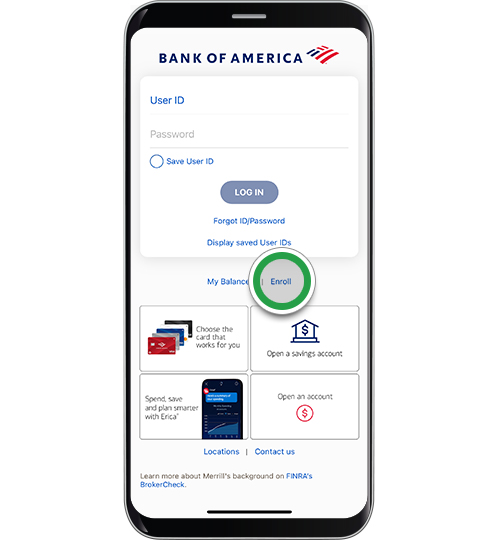
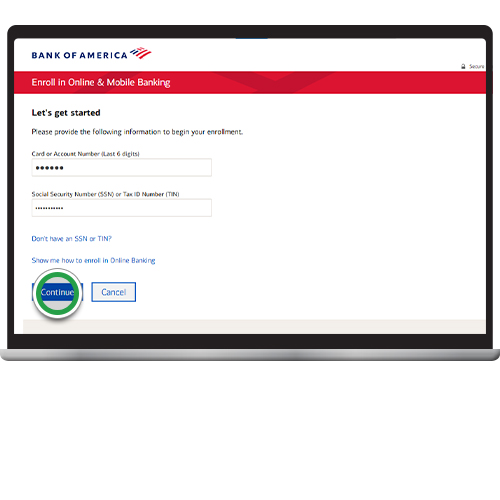
- Online Banking Enrollment: Visit the Bank of America website and enroll in online banking. You’ll create a User ID and Password, linking them to your new account.
- Mobile Banking App: Download the Bank of America mobile app on your smartphone or tablet. Log in with your online banking credentials. The app allows you to:
- Check balances and transaction history.
- Deposit checks using your phone’s camera (Mobile Check Deposit).
- Pay bills online.
- Transfer funds between accounts or to other people via Zelle.
- Manage alerts and card controls.
- Set Up Bill Pay and Zelle: Once logged into online or mobile banking, configure bill pay for recurring expenses and set up Zelle for quick, secure money transfers to friends and family.
Understanding Account Statements and Alerts
Staying informed about your account activity is a cornerstone of sound financial management.
- Go Paperless: Consider enrolling in paperless statements to receive them digitally through online banking, which is environmentally friendly and often more secure.
- Review Statements Regularly: Periodically review your monthly statements for accuracy, recognizing all transactions, and identifying any potential unauthorized activity.
- Set Up Account Alerts: Bank of America allows you to set up various alerts (via email, text, or push notification) for activities like low balances, large transactions, direct deposits, or potential fraud attempts. These proactive notifications can help you manage your money more effectively and detect issues early.
Financial Tools and Resources from Bank of America
Bank of America provides several tools to help you manage and grow your money:
- Spend & Balance: Within the mobile app, this tool provides insights into your spending habits, categorizes transactions, and helps you visualize where your money goes.
- Erica®, Your Virtual Financial Assistant: An AI-powered virtual assistant available through the mobile app that can answer questions, provide insights, and help you complete tasks like checking balances, making transfers, or finding transactions.
- Merrill Edge Integration: For those considering investments, linking your Bank of America accounts with Merrill Edge (Bank of America’s investing platform) can offer a seamless experience and potential Preferred Rewards benefits.
- Financial Wellness Resources: Bank of America often provides articles, guides, and webinars on topics ranging from budgeting and saving to investing and debt management, accessible through their website.
By actively engaging with these features and tools, you can maximize the benefits of your Bank of America account and take significant strides toward achieving your personal financial goals. Opening an account is just the beginning of a robust financial journey, and Bank of America offers the infrastructure to support it.
aViewFromTheCave is a participant in the Amazon Services LLC Associates Program, an affiliate advertising program designed to provide a means for sites to earn advertising fees by advertising and linking to Amazon.com. Amazon, the Amazon logo, AmazonSupply, and the AmazonSupply logo are trademarks of Amazon.com, Inc. or its affiliates. As an Amazon Associate we earn affiliate commissions from qualifying purchases.