
In the modern financial landscape, selecting a primary banking partner is one of the most consequential decisions an individual can make for their personal finance journey. As one of the “Big Four” banks in the United States, Wells Fargo offers a vast infrastructure of physical branches, a robust digital platform, and a diverse array of financial products. Opening an account with such an institution is not merely a transactional event; it is the establishment of a foundation for your liquid capital management, credit building, and long-term wealth strategy. Whether you are a student establishing your first line of credit or a seasoned professional looking to consolidate your assets, understanding the nuances of the onboarding process is essential for a seamless experience.
Understanding Your Options: Choosing the Right Wells Fargo Account
Before beginning the application process, it is critical to align your financial needs with the specific features of the accounts offered. Wells Fargo categorizes its personal banking products into several tiers, each designed for different levels of capital and transaction frequency. Choosing the wrong account can lead to unnecessary monthly service fees, while the right choice can provide tools that enhance your budgeting and saving capabilities.
Checking Accounts: Everyday Banking Solutions
The checking account is the engine of your personal finances. Wells Fargo offers several variations:
-
Everyday Checking: This is the most popular option for general consumers. It provides all the standard features, including mobile banking, a debit card, and access to thousands of ATMs. It is particularly well-suited for those who maintain a consistent direct deposit, as this is a primary way to waive the monthly service fee.
-
Clear Access Banking: Designed specifically for those who prefer a predictable cost structure or are new to banking (including teens and young adults), this account does not allow for check writing and has no overdraft fees. It is a “safe-to-spend” model that prioritizes digital transactions.
-
Prime Checking and Premier Banking: These are premium tiers designed for clients who maintain higher combined balances across their Wells Fargo accounts. These accounts often feature interest-bearing checking, reimbursed out-of-network ATM fees, and personalized service from dedicated bankers.
Savings Accounts: Building Your Financial Reserve
A checking account manages your outflows, but a savings account is where you cultivate your “opportunity fund” or emergency reserve. Wells Fargo primarily offers the Way2Save® Savings and Platinum Savings accounts.
The Way2Save account is built on the philosophy of automated micro-saving, allowing users to schedule transfers from checking to savings effortlessly. For those with larger balances, the Platinum Savings account offers higher interest rates and check-writing capabilities, acting as a hybrid between a traditional savings account and a money market account. When opening these, consider the “Annual Percentage Yield” (APY) and how it compares to your long-term inflationary hedges.
Step-by-Step Guide to the Application Process
Once you have identified the appropriate account type, the application process is a streamlined procedure that can be completed either online or in person. Wells Fargo, like all major financial institutions, must adhere to strict federal regulations, including “Know Your Customer” (KYC) laws, which require the collection of specific personal information to prevent identity theft and financial fraud.
Preparing Your Documentation
To ensure the process is efficient, gather the following information before you begin:
-
Personal Identification: A valid Social Security Number (SSN) or Individual Taxpayer Identification Number (ITIN).
-
Government-Issued ID: A driver’s license, state ID, or passport.
-
Contact Information: Your physical address, email, and phone number.
-
Initial Deposit: You will need a minimum opening deposit, typically ranging from $25 to $50, depending on the account type. If applying online, you can fund this via an ACH transfer from an existing bank account or a debit card.
Online vs. In-Person Applications
The online application is designed for speed and can usually be completed in under 15 minutes. You will navigate to the Wells Fargo website, select your desired account, and fill out the digital forms. The system will run a real-time verification of your identity. Once approved, you will receive your account numbers immediately, and your physical debit card will arrive via mail within 5 to 7 business days.

The in-person application remains a valuable option for individuals with complex financial situations, such as those opening joint accounts with specific legal requirements or non-residents who may have different identification protocols. Visiting a branch allows you to establish a relationship with a local banker who can provide tailored advice on how to integrate Wells Fargo’s tools into your broader financial plan.
Navigating the Onboarding Experience
Opening the account is only the first step. To truly optimize your personal finance management, you must engage with the onboarding tools that Wells Fargo provides. Proper setup during the first thirty days can prevent fees and improve your overall financial security.
Activating Your Debit Card and Digital Banking
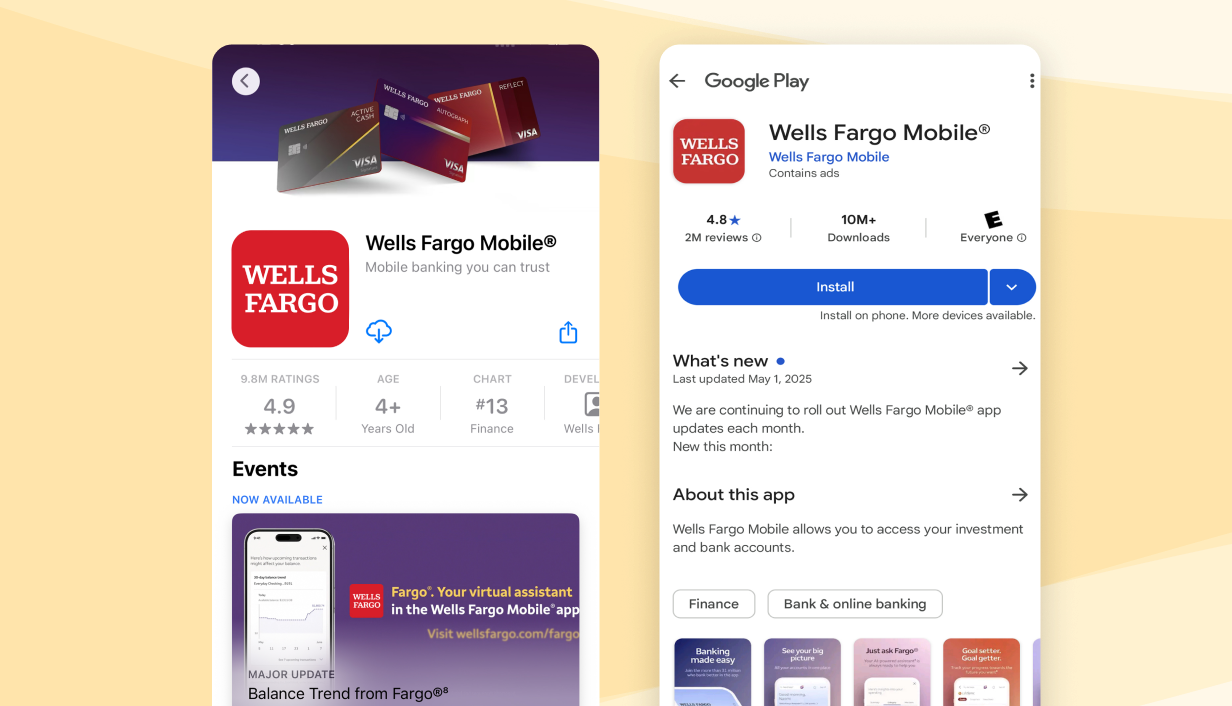
Upon receiving your debit card, activation is a priority. This can be done via the Wells Fargo mobile app or at any Wells Fargo ATM. Simultaneously, you should enroll in online banking. The Wells Fargo mobile app is a sophisticated financial tool that allows for mobile check deposits, Zelle® payments, and real-time transaction monitoring. In an era where digital security is paramount, enabling two-factor authentication (2FA) and biometric login (FaceID or fingerprint) is an essential step in protecting your capital.
Understanding Fees and Minimum Balance Requirements
One of the most common pitfalls in personal finance is the erosion of wealth through bank fees. Most Wells Fargo checking accounts carry a monthly service fee that ranges from $10 to $35. However, these fees are avoidable if you meet specific criteria. For the Everyday Checking account, for example, you can waive the fee by:
-
Maintaining a $500 minimum daily balance.
-
Receiving $500 or more in qualifying direct deposits each month.
-
Being within the age range for a student waiver (typically 17–24).
Understanding these requirements is vital. Automating your direct deposit from your employer is the most effective way to ensure your account remains “free,” allowing your money to work for you rather than being consumed by administrative costs.
Maximizing Your Banking Relationship
A bank account should be more than a passive repository for cash; it should be a tool that provides insight and facilitates growth. Wells Fargo offers several integrated features that, when used correctly, can significantly enhance your financial literacy and health.
Utilizing Financial Tools and Insights
The Wells Fargo mobile app includes a feature known as “LifeSync®,” which allows users to set financial goals, track their progress, and view their “Real-Life Score.” This is an excellent tool for those practicing the 50/30/20 budgeting rule (50% needs, 30% wants, 20% savings/debt). By categorizing your spending automatically, the platform provides a mirror to your financial habits, highlighting areas where you may be overspending.
Furthermore, checking your credit score through the “CreditView Dashboard” (powered by Experian) is a free service provided to account holders. Since your credit score dictates the interest rates you will receive on future mortgages or auto loans, having this visibility directly within your banking app is a strategic advantage for long-term wealth building.
Moving Toward Long-Term Financial Health
Opening an account with Wells Fargo is often the “top of the funnel” for a broader financial strategy. Once your checking and savings accounts are established and your emergency fund is growing, you can explore the bank’s investment arms or credit products.
Strategic use of a checking account involves maintaining enough liquidity to cover three to six months of expenses while ensuring that excess capital is moved into higher-yield environments, such as a brokerage account or a high-yield savings vehicle. By centralizing your primary cash flow at a major institution like Wells Fargo, you create a paper trail of financial responsibility. This history is invaluable when the time comes to apply for significant credit lines or business loans, as the bank can analyze your years of consistent deposits and responsible balance management.
In conclusion, opening a Wells Fargo account is a straightforward process, but it requires a proactive approach to selection and management. By choosing the right account tier, automating your deposits to avoid fees, and utilizing the digital tools at your disposal, you transform a simple bank account into a powerful engine for personal financial success. Banking is the heartbeat of your economic life; ensure you have the right rhythm from day one.
aViewFromTheCave is a participant in the Amazon Services LLC Associates Program, an affiliate advertising program designed to provide a means for sites to earn advertising fees by advertising and linking to Amazon.com. Amazon, the Amazon logo, AmazonSupply, and the AmazonSupply logo are trademarks of Amazon.com, Inc. or its affiliates. As an Amazon Associate we earn affiliate commissions from qualifying purchases.