
In an increasingly digital world, the method by which we manage our finances has undergone a profound transformation. Gone are the days when stacks of paper bills and handwritten checks were the sole conduits for settling financial obligations. Today, online bill payment stands as a cornerstone of modern financial management, offering unparalleled convenience, efficiency, and control over one’s monetary outgoings. Far from being a mere convenience, adopting online bill payment is a strategic financial decision that can significantly impact personal and business financial health, from improving credit scores by avoiding late fees to providing a clearer picture of cash flow and expenditure. This guide delves into the financial intricacies and best practices of online bill payment, positioning it not just as a technological amenity but as an indispensable tool for robust financial oversight and peace of mind.
The Indispensable Role of Online Bill Payment in Modern Finance
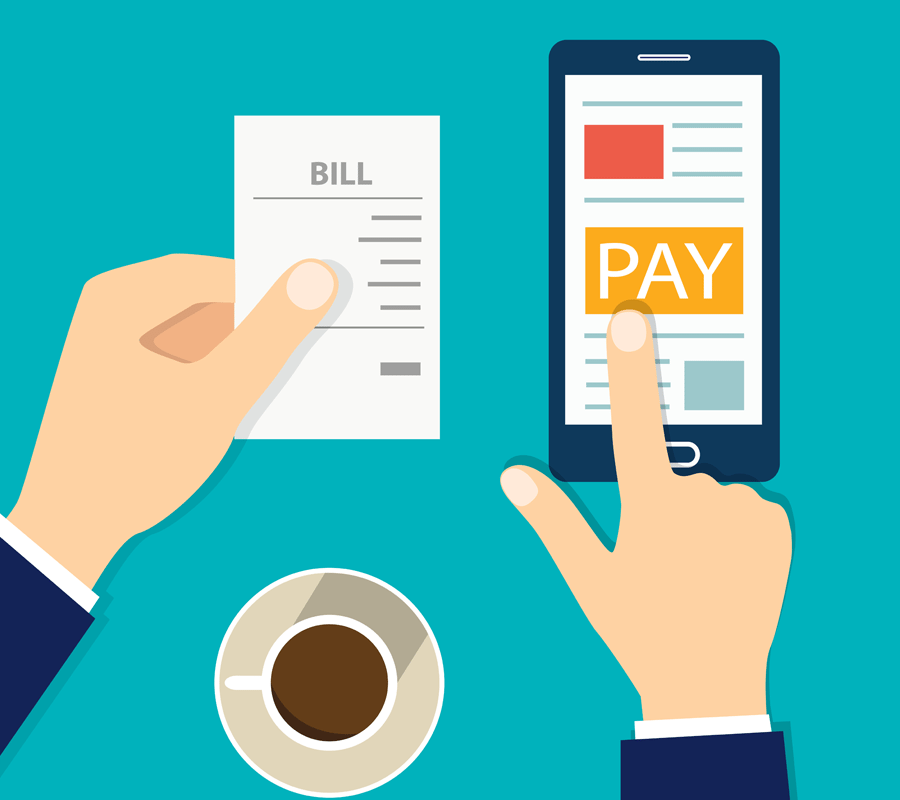
Online bill payment is more than a transactional mechanism; it is a fundamental shift in how individuals and businesses interact with their financial responsibilities. Its widespread adoption is a testament to its profound benefits, which extend beyond mere convenience to impact core aspects of financial well-being. Understanding its role requires appreciating the journey from traditional methods to today’s digital landscape and recognizing its tangible financial advantages.
Evolution from Traditional Methods
For generations, bill payment was a laborious and time-consuming process. It involved receiving physical invoices, writing checks, maintaining a checkbook ledger, purchasing stamps, and making trips to the post office or a payment center. This system was not only inefficient but also prone to errors, delays, and security risks associated with mail delivery. Lost mail, forgotten payments, and the sheer administrative burden were common pain points.
The advent of online bill payment revolutionized this process. By leveraging the internet, financial institutions and utility providers began offering digital portals for payment, effectively moving the entire transaction lifecycle online. This evolution was not just about digitizing an existing process but fundamentally rethinking how financial obligations could be met with greater speed, accuracy, and security. The transition marked a pivotal moment, empowering consumers and businesses to take more active and immediate control over their financial disbursements, directly impacting their cash flow management and financial reporting.
Core Benefits for Personal and Business Finance
The advantages of online bill payment are multifaceted, translating directly into tangible financial benefits for both individuals and businesses.
- Time-Saving: The most immediate benefit is the significant reduction in time spent on bill management. Instead of dedicating hours to sorting mail, writing checks, and mailing payments, the entire process can be completed in minutes from any internet-enabled device. This saved time can be reallocated to income-generating activities or personal pursuits, indirectly contributing to financial wellness.
- Cost Reduction: The elimination of physical checks, envelopes, and stamps translates into direct cost savings. More importantly, online bill payment significantly reduces the risk of late payment penalties, which can accrue substantial financial costs over time. For businesses, these savings can be substantial, impacting the bottom line.
- Improved Record-Keeping: Most online payment systems automatically record transaction details, including payment dates, amounts, and confirmations. This digital paper trail is invaluable for budgeting, tax preparation, and dispute resolution. It offers a transparent and easily accessible history of financial outgoings, a stark contrast to the often-fragmented records of traditional methods.
- Enhanced Control Over Cash Flow: With online bill payment, individuals and businesses can precisely schedule payments, aligning them with income cycles or other financial commitments. This foresight enables better cash flow management, preventing overdrafts and ensuring funds are available when obligations are due. It provides a clearer, real-time snapshot of financial liabilities and available capital.
Impact on Budgeting and Financial Planning
For effective budgeting and financial planning, predictability and accuracy are paramount. Online bill payment services contribute significantly to these goals. Automated recurring payments ensure that fixed expenses, such as rent, mortgages, and loan installments, are paid on time, every time. This consistency stabilizes monthly budgets, making it easier to allocate funds for savings, investments, and discretionary spending.
By eliminating the human element of remembering to pay bills, the risk of missed payments—and their associated financial penalties and negative impact on credit scores—is drastically reduced. This reliability fosters a more disciplined approach to spending and saving. Furthermore, the detailed transaction histories provided by online payment platforms can be easily exported or integrated with personal finance software, offering a holistic view of expenditures and aiding in the analysis of spending habits. This data-driven insight is critical for making informed financial decisions, setting realistic financial goals, and adjusting budgets as needed, thus serving as a bedrock for sound financial planning.
Getting Started with Online Bill Payment: A Step-by-Step Financial Guide
Embracing online bill payment is a straightforward process, yet it requires a methodical approach to ensure security, efficiency, and accuracy. This section outlines the essential steps to transition smoothly to digital bill management, focusing on the financial implications of each choice.
Identifying Your Payment Options
The first step is to understand the various avenues available for online bill payment, each with its own financial considerations.
- Direct via Biller’s Website: Many companies, from utility providers to credit card issuers, offer secure portals on their own websites for customers to make payments. This method often allows for the most direct control over your account and may offer specific payment plans or incentives. Financially, it’s usually free, and payments are typically processed quickly.
- Bank’s Bill Pay Service: Most financial institutions provide a comprehensive online bill pay service that allows you to manage and pay all your bills from a single dashboard. You link your payees (companies or individuals you pay) to your bank account, and the bank handles the disbursement, either electronically or by mailing a physical check on your behalf. This centralizes your outgoing payments, offering a unified view of your financial obligations, which is excellent for budgeting and tracking.
- Third-Party Aggregators: Services like PayPal, Zelle (for transfers, not typically recurring bills), or dedicated bill management apps can also facilitate payments. While convenient, it’s crucial to examine any associated fees and ensure robust security measures are in place. These platforms might be useful for specific payments but often incur additional costs that can erode your financial benefits.
When choosing, consider the cost (are there transaction fees?), the level of control you desire, and the ease of integration with your existing financial ecosystem. Your primary bank’s bill pay service often offers the best balance of convenience, security, and cost-effectiveness for managing most regular expenses.
Setting Up Your Accounts
Once you’ve chosen your preferred method, the next step involves gathering the necessary financial information and securely setting up your payment accounts.
- Gather Necessary Information: For each biller, you’ll need their exact name, your account number with them, and potentially their billing address (especially for bank bill pay services that might mail a check). For bank accounts, you’ll need your routing and account numbers to link them securely.
- Create Secure Logins: For direct biller websites or third-party apps, create strong, unique passwords. Enable multi-factor authentication (MFA) whenever possible. This adds an extra layer of security, crucial for protecting your financial data from unauthorized access.
- Link Bank Accounts and Payees: Follow the instructions to link your checking or savings account from which payments will be drawn. Then, add each biller as a payee, providing the required account details. Double-check all entered information to prevent payment errors, which can lead to financial penalties or service interruptions.
This setup phase is critical; accuracy here prevents future financial headaches and ensures your payments reach the correct destination promptly.
Scheduling Payments Effectively
One of the most powerful financial features of online bill payment is the ability to schedule payments precisely, allowing for optimized cash flow management and penalty avoidance.
- One-Time vs. Recurring Payments:
- One-time payments are ideal for variable expenses or payments that occur infrequently. You manually initiate these payments as needed.
- Recurring payments (Auto-Pay) are perfect for fixed expenses that are consistent each month (e.g., mortgage, rent, car loans, internet bills). Setting these up ensures payments are never missed, bolstering your credit history and freeing up mental bandwidth.
- Setting Reminders: Even with recurring payments, it’s wise to set up email or text reminders a few days before the due date. This serves as a final check to ensure sufficient funds are available and to review the payment amount, especially for bills that might vary.
- Optimizing Payment Dates: Strategically schedule payments to align with your income stream. If you get paid bi-weekly, consider splitting your payments accordingly, or schedule them shortly after your paychecks arrive. This prevents your checking account from being depleted too early in your pay cycle, reducing the risk of overdraft fees and enhancing your daily cash flow management.
Effective scheduling is a key financial discipline, transforming bill payment from a reactive chore into a proactive element of your overall financial strategy.
Maximizing Security and Minimizing Risk in Online Financial Transactions
While the convenience of online bill payment is undeniable, the security of your financial data is paramount. A robust financial management strategy must include vigilant practices to protect against fraud and data breaches. Understanding the security mechanisms in place and adhering to best practices can significantly minimize financial risks.
Understanding Financial Security Protocols
Financial institutions and reputable billers invest heavily in security to protect your money and data. It’s important to recognize these protocols.
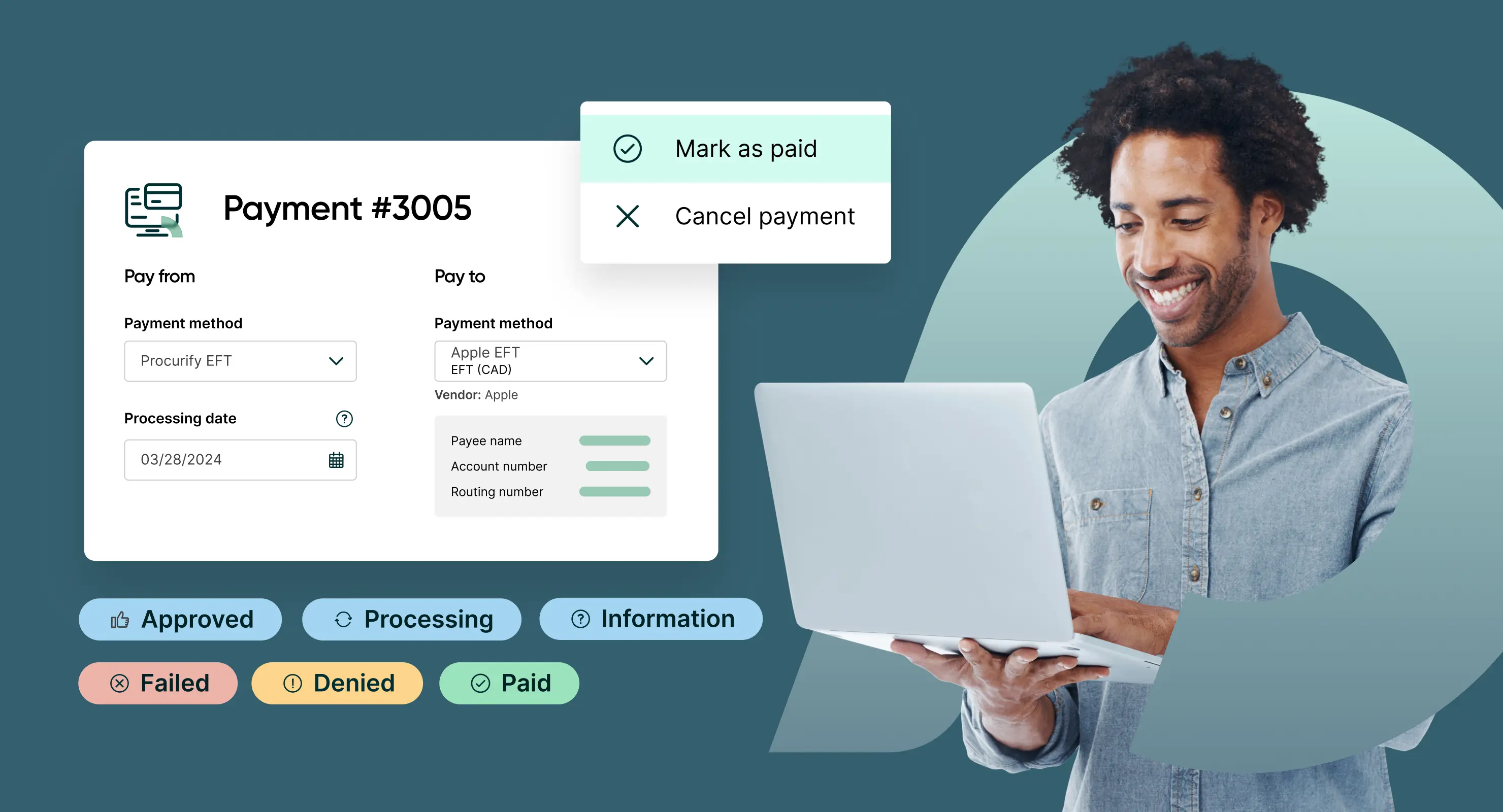
- Encryption: When you make an online payment, your financial data (account numbers, login credentials) is encrypted. This scrambles the information during transmission, making it unreadable to unauthorized parties. Look for “https://” in the website address and a padlock icon, indicating a secure, encrypted connection.
- Multi-Factor Authentication (MFA): MFA adds an extra layer of security beyond just a password. This might involve a code sent to your phone, a fingerprint scan, or a response to a security question. Enabling MFA for all financial accounts is a critical step in preventing unauthorized access, even if your password is compromised.
- Fraud Detection Systems: Banks and payment processors employ sophisticated algorithms and artificial intelligence to monitor transactions for unusual activity. Large or unusual payments, or those from unfamiliar locations, might trigger an alert or temporarily block a transaction until verified with you. These systems are your first line of defense against potential financial fraud.
Best Practices for Protecting Your Money
Proactive measures are essential to safeguard your financial assets when engaging in online transactions.
- Strong, Unique Passwords: Use complex passwords for each financial account, combining letters, numbers, and symbols. Avoid using easily guessable information or recycling passwords across different sites. Password managers can securely store and generate these for you.
- Secure Wi-Fi Networks: Always conduct financial transactions on a secure, private Wi-Fi network. Avoid public Wi-Fi hotspots, which are often unencrypted and susceptible to eavesdropping by malicious actors who could intercept your financial data.
- Monitor Account Activity Regularly: Proactively check your bank and credit card statements at least weekly, if not daily, for any unauthorized transactions. Early detection is crucial for limiting financial damage and reporting fraud promptly.
- Recognizing Phishing Attempts: Be highly suspicious of unsolicited emails, texts, or calls claiming to be from your bank or a biller, especially if they ask for personal financial information or prompt you to click on suspicious links. Phishing scams are designed to trick you into divulging credentials. Always navigate directly to a financial institution’s website rather than clicking links in emails.
What to Do in Case of a Discrepancy or Fraud
Despite best efforts, financial discrepancies or fraud can occur. Knowing the immediate steps to take can mitigate financial losses.
- Immediate Reporting: As soon as you suspect unauthorized activity or notice a discrepancy in a payment, contact your bank or credit card company immediately. Most financial institutions have 24/7 fraud hotlines. Time is of the essence in preventing further unauthorized transactions.
- Contact Financial Institutions and Billers: If a payment went to the wrong account or was an incorrect amount, contact the biller and your bank simultaneously. Provide all relevant transaction details and documentation.
- Document Everything: Keep a detailed record of all communications, including dates, times, names of individuals you spoke with, and reference numbers. This documentation is crucial for dispute resolution and financial recovery.
- Review Your Rights: Understand your rights under consumer protection laws, which often limit your liability for fraudulent charges, especially when reported promptly.
By understanding and implementing these security measures, individuals and businesses can confidently leverage online bill payment while protecting their hard-earned money and sensitive financial information.
Advanced Strategies for Optimized Online Bill Management
Moving beyond basic setup, advanced strategies can further refine your online bill payment habits, transforming them into a powerful component of your overall financial strategy. These tactics focus on maximizing efficiency, enhancing financial discipline, and gaining deeper insights into your spending patterns.
Centralizing Your Financial Outgoings
One of the most impactful strategies for optimized bill management is to centralize your payments. Instead of logging into multiple biller websites or juggling various third-party apps, aim to manage as many payments as possible through a single, secure platform—typically your primary bank’s online bill pay service.
- Unified Overview: Centralization provides a single dashboard where you can view all your upcoming bills, payment history, and pending transactions. This unified perspective is invaluable for understanding your total financial obligations at a glance, making it easier to manage cash flow and identify potential shortfalls.
- Streamlined Process: By consolidating, you reduce the number of logins and passwords to manage, minimizing complexity and the risk of forgetting credentials. This also standardizes your payment process, making it faster and less prone to errors.
- Enhanced Security: By relying on your bank’s robust security infrastructure, you concentrate your sensitive financial activities in a highly protected environment, often with advanced fraud detection and customer support. While this doesn’t negate the need for personal vigilance, it provides a strong foundation.
Centralizing effectively transforms bill payment from a series of disparate tasks into a cohesive and manageable financial function.
Leveraging Automation for Financial Discipline
Automation is the bedrock of consistent financial discipline. For online bill payment, this means intelligently utilizing auto-pay features.
- Preventing Missed Payments: Setting up auto-pay for all recurring, fixed expenses (e.g., mortgage, rent, loans, subscriptions, insurance) guarantees that these bills are paid on time, every time. This is critical for maintaining a good credit history and avoiding late fees, which directly impact your financial health.
- Building Credit History: Timely payments, consistently made through automation, contribute positively to your credit score, especially for credit accounts. A strong credit score is a significant financial asset, influencing interest rates on future loans and even insurance premiums.
- Freeing Up Mental Bandwidth: Once automated, these payments require minimal ongoing attention, allowing you to focus your mental energy on other financial goals, such as investing, saving, or managing variable expenses.
- Strategic Overpayments (Optional): For credit cards or lines of credit, you might consider setting auto-pay for slightly more than the minimum due, if your budget allows. This accelerates debt repayment, reduces interest costs over time, and frees up capital faster, representing a savvy financial move.
While automation offers immense benefits, it’s crucial to regularly review your automated payments to ensure accuracy and account for any changes in bill amounts or financial circumstances.
Integrating with Financial Management Tools
The data generated by online bill payments is a goldmine for comprehensive financial management. Integrating this information with budgeting apps and personal finance software can provide unprecedented insights.
- Holistic Financial View: Many modern budgeting apps (e.g., Mint, YNAB, Personal Capital) can link directly to your bank accounts and credit cards, automatically importing transaction data, including online bill payments. This creates a real-time, consolidated view of your income, expenses, and overall net worth.
- Detailed Expense Tracking: By categorizing online payments within these tools, you gain granular insights into where your money is going. This helps identify areas for potential savings, track spending against budget categories, and make informed adjustments to your financial plan.
- Goal Setting and Progress Tracking: When all your financial transactions are integrated, it becomes easier to track progress towards financial goals, whether it’s saving for a down payment, paying off debt, or building an emergency fund. The clarity provided by integrated data empowers more effective financial decision-making.
This integration transforms raw payment data into actionable financial intelligence, crucial for long-term financial success.
Strategic Timing of Payments
Beyond simply paying on time, strategically timing your online payments can optimize your cash flow and prevent unnecessary financial stress.
- Align with Paydays: If you have multiple bills due around the same time, consider scheduling their payment dates to coincide shortly after your paychecks clear your account. This ensures you have sufficient funds to cover all obligations and avoids having your account balance dip too low, reducing the risk of overdraft fees.
- Utilize Grace Periods (Carefully): While not recommended for regular practice, understanding grace periods can be helpful in specific cash flow crunch situations. Some bills offer a few days past the due date before a late fee is applied. However, relying on grace periods regularly is a risky strategy that can damage your credit score if a payment is truly delayed.
- Accelerate Debt Reduction: For credit cards or flexible loans, making an extra payment or splitting a payment into two smaller ones (e.g., half at mid-month, half at month-end) can reduce the average daily balance, potentially lowering the interest accrued. This micro-management of payment timing can lead to tangible financial savings over time.
By employing these advanced strategies, online bill payment evolves from a transactional necessity into a sophisticated financial instrument, empowering you with greater control, insight, and efficiency in managing your money.

Conclusion
Online bill payment has firmly established itself as an indispensable component of modern financial management. Its shift from traditional, laborious methods to a streamlined, digital process offers a wealth of benefits, from significant time and cost savings to enhanced accuracy in record-keeping and superior control over cash flow. For both individuals and businesses, embracing online bill payment is not merely a matter of convenience but a strategic move toward greater financial stability and peace of mind.
By understanding the available payment options, meticulously setting up accounts, and strategically scheduling payments, you can lay a robust foundation for efficient financial outgoings. Furthermore, prioritizing digital security through strong passwords, multi-factor authentication, and diligent account monitoring is paramount to protecting your financial assets in the online realm.
As you advance in your financial journey, leveraging sophisticated strategies such as centralizing your payments, automating recurring bills, integrating with comprehensive financial management tools, and strategically timing your disbursements will elevate your financial control to new heights. These practices empower you to not only meet your financial obligations promptly but also to gain deeper insights into your spending, optimize your budget, and accelerate your progress towards your financial goals.
In an era where digital fluency is increasingly synonymous with financial literacy, mastering online bill payment is no longer optional. It is a cornerstone of responsible, efficient, and secure financial stewardship, equipping you with the tools necessary to navigate the complexities of modern finance with confidence and precision. Embrace it as a vital step towards achieving enduring financial health and unlocking a future where your money works harder for you.
aViewFromTheCave is a participant in the Amazon Services LLC Associates Program, an affiliate advertising program designed to provide a means for sites to earn advertising fees by advertising and linking to Amazon.com. Amazon, the Amazon logo, AmazonSupply, and the AmazonSupply logo are trademarks of Amazon.com, Inc. or its affiliates. As an Amazon Associate we earn affiliate commissions from qualifying purchases.