
Securing the right funding is often the make-or-break factor for businesses, whether they’re just starting, looking to expand, or navigating challenging times. While traditional bank loans can be elusive for many small and medium-sized enterprises (SMEs), the U.S. Small Business Administration (SBA) offers a lifeline through its various loan guarantee programs. These aren’t direct loans from the government but rather guarantees that reduce the risk for lenders, making them more willing to provide capital to businesses that might otherwise struggle to qualify. Understanding how to navigate the complexities of obtaining an SBA loan is crucial for unlocking this vital financial resource. This guide will demystify the process, offering a clear roadmap for success.
Understanding SBA Loans: More Than Just a Government Handout
At its core, an SBA loan is a commercial loan issued by a bank, credit union, or other financial institution, with a portion of the loan guaranteed by the U.S. Small Business Administration. This government backing mitigates risk for lenders, encouraging them to provide more favorable terms, such as lower interest rates, longer repayment periods, and smaller down payments, than typically available with conventional loans. It’s a powerful tool designed to stimulate economic growth by supporting the backbone of the American economy: small businesses.
What is an SBA Loan?
To clarify, the SBA itself does not lend money directly to small businesses in most cases. Instead, it sets guidelines for loans and then guarantees a percentage of the loan amount to participating lenders. This guarantee protects lenders against some of the risk of borrower default, incentivizing them to lend to businesses that might not meet the strict criteria for a conventional loan. For the borrower, this translates into access to capital that might otherwise be out of reach. These loans are versatile, designed to support a wide array of business needs, from working capital and equipment purchases to real estate acquisitions and business expansion.
Key Benefits of SBA Loans
The advantages of an SBA loan can be substantial for qualifying businesses. Perhaps the most significant benefit is the access to capital with more attractive terms. Interest rates on SBA loans are often capped, ensuring they remain competitive. Repayment terms can extend significantly, up to 10 years for working capital and equipment, and even up to 25 years for real estate, easing the monthly financial burden on businesses. Furthermore, down payment requirements are generally lower than traditional loans, conserving a business’s precious cash flow. Beyond the financial benefits, the structured application process often encourages businesses to develop robust financial plans and strategies, fostering greater financial discipline.
Types of SBA Loan Programs
The SBA offers several distinct loan programs, each tailored to different business needs and circumstances. The most popular and versatile is the 7(a) Loan Program, which can be used for almost any legitimate business purpose, including working capital, equipment purchases, real estate, and refinancing existing debt. Loan amounts can range significantly, up to $5 million.
The CDC/504 Loan Program is designed for larger fixed-asset projects, such as purchasing or constructing commercial real estate, or acquiring long-term machinery and equipment. This program involves a partnership between the borrower, a third-party lender (typically a bank), and a Certified Development Company (CDC). The loans are typically structured with a 50% bank loan, 40% CDC loan (backed by the SBA), and a 10% borrower contribution.
For very small businesses or startups, the Microloan Program provides smaller loans, typically up to $50,000, for working capital or inventory. These are administered through intermediary lenders who also provide business counseling. Additionally, there are specialized programs for disaster relief, international trade, and veterans, ensuring a broad spectrum of support. Choosing the right program is the first critical step in the application journey.
Eligibility Requirements: Is Your Business a Good Fit?
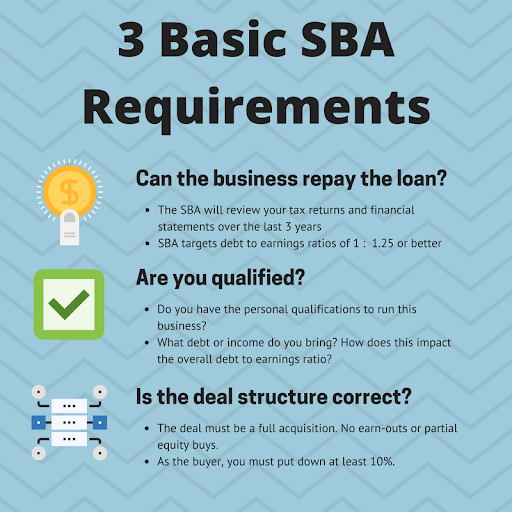
Before embarking on the application process, it’s vital to assess whether your business meets the SBA’s foundational eligibility criteria. While the specific requirements can vary slightly between loan programs and individual lenders, a core set of standards applies across the board. The SBA aims to support small businesses that demonstrate a capacity to repay the loan and contribute positively to the economy.
General Eligibility Criteria
Generally, to qualify for an SBA loan, your business must:
- Operate for profit: Non-profit organizations are typically ineligible for standard SBA loan programs.
- Be located and operate in the U.S. or its territories: This ensures the loans support domestic economic activity.
- Meet the SBA’s definition of a small business: This is determined by factors like industry, number of employees, and average annual revenue. These standards vary widely by industry, so it’s essential to check the specific guidelines for your sector.
- Have invested equity: The owner(s) should have some personal funds invested in the business.
- Be unable to obtain credit elsewhere on reasonable terms: This is a crucial “credit elsewhere test” — the SBA is intended to supplement, not replace, conventional financing. If you can get a loan from a traditional bank without an SBA guarantee, you might not qualify.
- Demonstrate a need for the loan proceeds: The funds must be used for a sound business purpose.
- Not be delinquent on any existing government debt: This includes federal taxes or other federal loans.
Industry-Specific Considerations
Certain industries are typically excluded from SBA loan programs. These often include businesses engaged in speculation, lending, gambling, pyramid schemes, or those primarily generating income from passive investments (like real estate rentals, though owner-occupied real estate is often allowed under specific programs). It’s important to verify if your industry falls under any prohibited categories before investing time in the application process. Furthermore, some industries might have specific size standards or additional requirements due to their unique operational models.
Personal Credit and Business History
While SBA loans are generally more forgiving than conventional loans, a strong personal credit score for the business owner(s) remains a significant factor. Lenders will evaluate your creditworthiness, as it reflects your financial responsibility. A FICO score of 640 or higher is often preferred, though some programs or lenders might accept lower scores under specific circumstances. The business’s operating history, if applicable, will also be scrutinized. Lenders look for a consistent revenue stream, profitability (or a clear path to it), and a solid repayment history on any existing business debt. Startups can still qualify, but they will need an exceptionally strong business plan, robust financial projections, and potentially more personal collateral or a higher down payment.
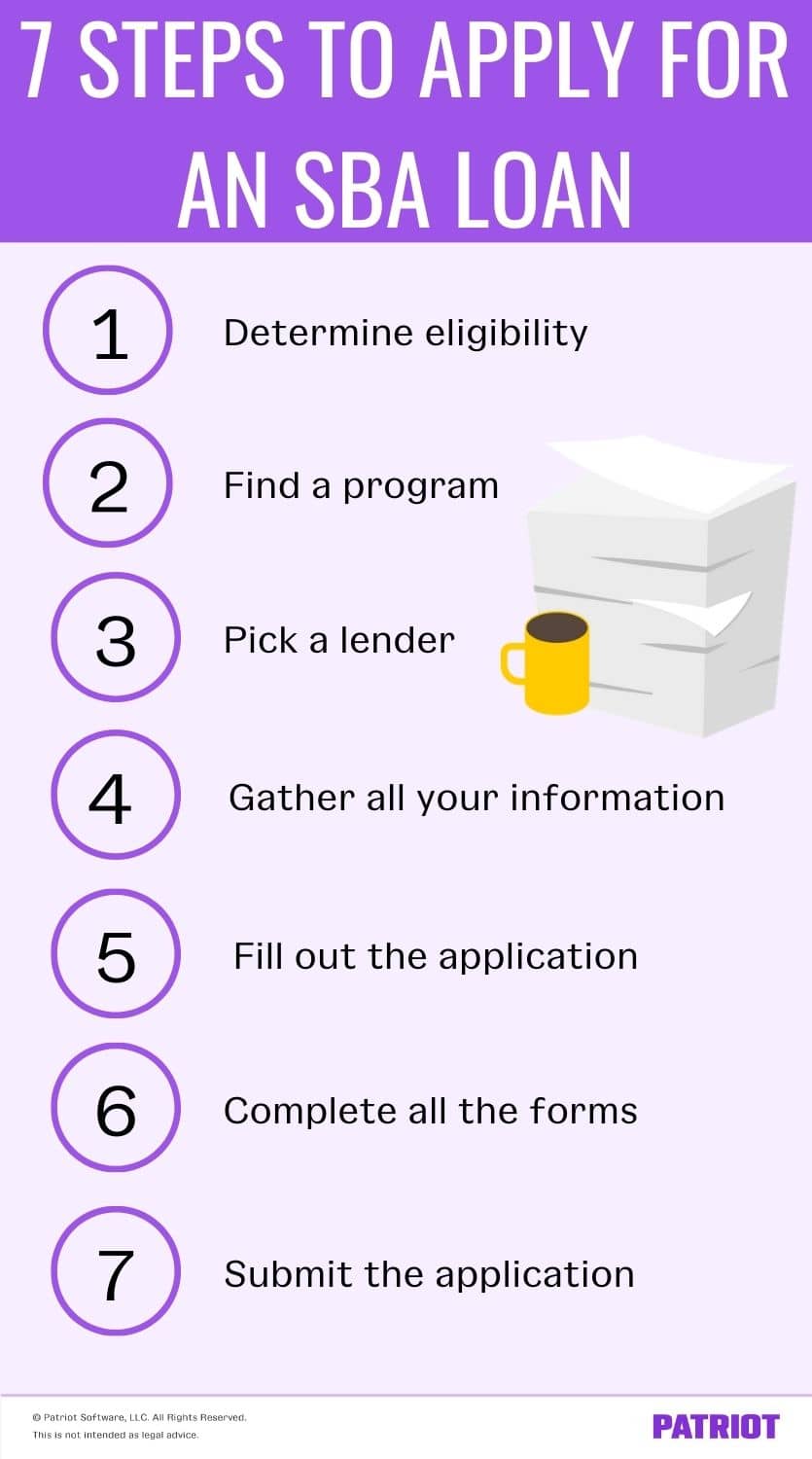
The Application Process: A Step-by-Step Blueprint
Obtaining an SBA loan is a structured process that demands meticulous preparation and attention to detail. It’s not a quick fix, but a strategic endeavor that, when executed correctly, can yield significant financial benefits. Approaching it with a clear understanding of each stage will greatly enhance your chances of success.
Preparing Your Documentation
The cornerstone of any successful loan application is a well-organized and comprehensive set of documents. Lenders need a complete picture of your business, your financial health, and your plans for the future. Key documents typically include:
- A Robust Business Plan: This should outline your business model, market analysis, management team, operational strategies, and detailed financial projections. It’s your story, demonstrating viability and growth potential.
- Financial Statements: For existing businesses, this means profit and loss statements, balance sheets, and cash flow statements for the past 3 years. Startups will need detailed financial projections (at least 2-3 years) supported by market research.
- Personal Financial Statements: Lenders will require statements for all owners with 20% or more equity, including personal assets, liabilities, and income.
- Federal Income Tax Returns: Personal and business tax returns for the past 3 years are typically required.
- Business Legal Documents: Articles of incorporation/organization, business licenses, leases, and any relevant contracts.
- Resumes: For all principal owners/management, highlighting experience relevant to the business.
- Loan Request Justification: A clear explanation of how the loan proceeds will be used and how they will benefit the business.
Finding the Right Lender
Not all banks offer SBA loans, and among those that do, their expertise and preferences can vary. It’s crucial to find an SBA-preferred lender or a bank with a dedicated SBA lending department. These lenders have a streamlined process and a deeper understanding of SBA regulations, which can significantly expedite your application. Shop around; speak with several lenders to compare terms, understanding their specific requirements and their comfort level with businesses in your industry or stage of development. Online matching services and SBA local resource partners (like SCORE or Small Business Development Centers) can also help connect you with suitable lenders.
Submitting Your Application and Underwriting
Once you’ve selected a lender and gathered all necessary documentation, you’ll formally submit your application. This marks the beginning of the underwriting phase. The lender will meticulously review your entire package, verifying all information, assessing your creditworthiness (both personal and business), evaluating your business plan’s feasibility, and analyzing your ability to repay the loan. They might request additional information, clarifications, or conduct site visits. This stage can be lengthy, often taking several weeks to months, depending on the complexity of your business and the thoroughness of your initial submission. Be responsive to all requests and maintain open communication with your lender.
The Approval and Funding Stages
If your application successfully passes through underwriting, the lender will issue a commitment letter outlining the final loan terms, conditions, and any covenants you must adhere to. Carefully review this document with your legal counsel before signing. Once you accept the terms, the closing process begins, where all legal documents are finalized. After closing, the funds are disbursed according to the agreed-upon schedule. It’s important to remember that even after approval, there might be conditions that need to be met before funds are fully released. Congratulations at this stage signify not the end of the journey, but the beginning of a new chapter for your business, fueled by accessible capital.
Common Pitfalls and How to Avoid Them
The path to an SBA loan, while rewarding, is not without its obstacles. Many businesses encounter challenges that can delay or derail their applications. Being aware of these common pitfalls and proactively addressing them can significantly improve your chances of success.
Incomplete or Disorganized Documentation
One of the most frequent reasons for delays or outright rejections is an incomplete or poorly organized application package. Lenders are dealing with numerous applications and will not spend excessive time chasing down missing documents or trying to decipher convoluted financial statements.
- Avoidance Strategy: Create a comprehensive checklist of all required documents at the outset. Use folders and clear labels. Have a professional (accountant, business consultant) review your financial statements and projections for accuracy and clarity before submission. Ensure all forms are filled out completely and accurately.
Unrealistic Projections and Weak Business Plans
Especially for startups or businesses seeking expansion capital, overly optimistic financial projections or a vague business plan can raise red flags for lenders. They need to see a credible, well-researched strategy that demonstrates a clear understanding of your market, operational challenges, and revenue streams.
- Avoidance Strategy: Ground your projections in realistic market data, industry benchmarks, and conservative growth assumptions. Articulate your competitive advantages and risk mitigation strategies clearly. Seek feedback on your business plan from experienced mentors or consultants to refine its substance and presentation.
Choosing the Wrong Loan Program
Applying for a 7(a) loan when a 504 loan is more appropriate for your fixed-asset purchase, or vice-versa, can lead to wasted time and effort. Each program has specific criteria and intended uses.
- Avoidance Strategy: Thoroughly research the various SBA loan programs. Consult with an SBA resource partner (like a Small Business Development Center) or an experienced SBA lender early in the process to determine which program best aligns with your business needs and eligibility.
Lack of Professional Guidance
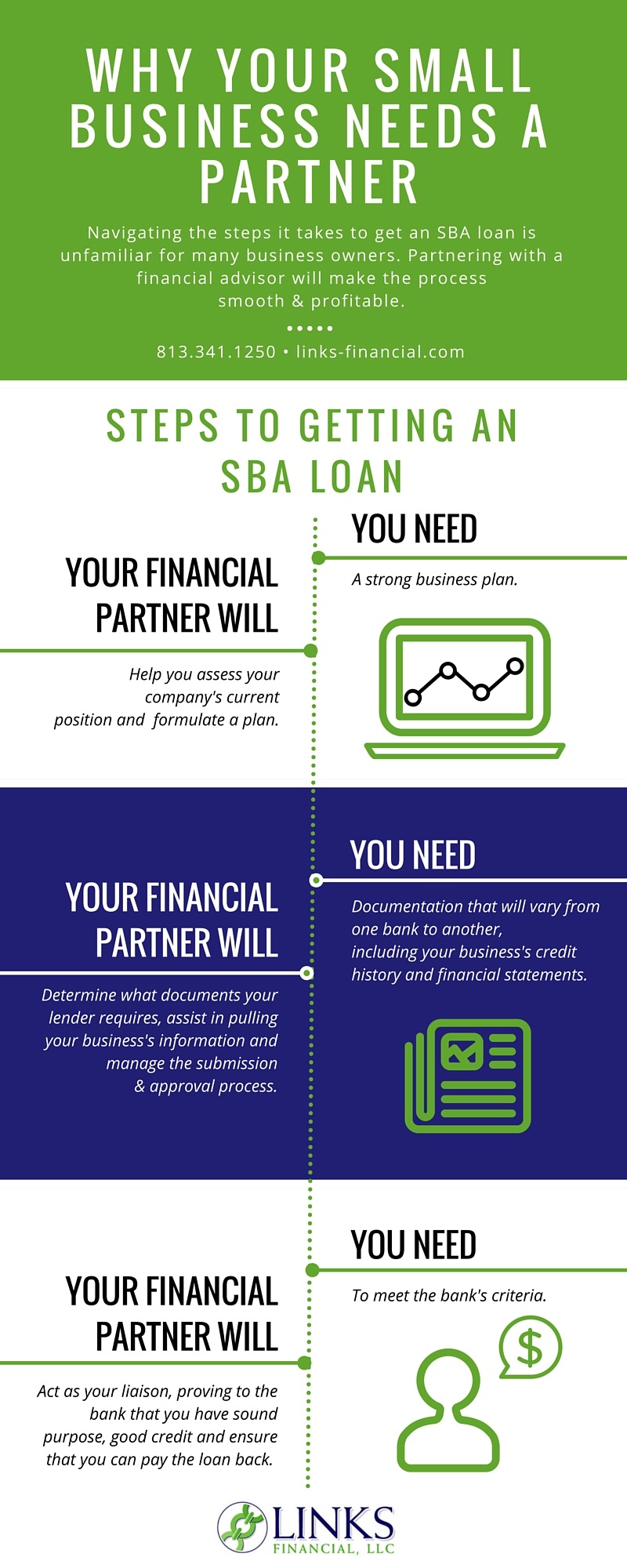
Attempting to navigate the complex SBA loan application process without any external support can be daunting. The forms, requirements, and negotiations can be intricate, and a misstep can prove costly.
- Avoidance Strategy: Leverage the free or low-cost resources available through the SBA, such as SCORE mentors or Small Business Development Centers (SBDCs). Consider hiring a business consultant who specializes in SBA loans if your situation is particularly complex. An experienced accountant can also be invaluable in preparing financial statements and projections.
Post-Approval and Loan Management
Securing an SBA loan is a significant achievement, but it marks the beginning, not the end, of your financial responsibility. Effective management of the loan is paramount to ensuring its long-term benefits and maintaining a positive relationship with your lender and the SBA.
Understanding Loan Covenants
Most SBA loan agreements will include covenants – specific conditions or promises that your business must uphold throughout the loan’s term. These can include maintaining certain financial ratios (e.g., debt-to-equity, quick ratio), providing regular financial statements, restricting additional debt, or maintaining collateral. Failure to comply with these covenants can put your loan in default, even if you are making timely payments.
- Actionable Insight: Review all loan covenants thoroughly with your legal and financial advisors before signing the loan agreement. Implement internal processes to monitor and ensure continuous compliance. Proactively communicate with your lender if you anticipate any difficulty meeting a covenant.
Strategies for Successful Repayment
Consistent and timely repayment is the ultimate goal. A strong repayment history not only fulfills your obligation but also enhances your business’s creditworthiness for future financing needs.
- Actionable Insight: Develop a robust cash flow management system to ensure funds are always available for loan payments. Consider setting up automatic payments to avoid missed deadlines. Monitor your business’s financial health closely and proactively adjust your strategies if revenue or expenses deviate significantly from projections. Build a buffer or contingency fund to absorb unexpected financial shocks.
Obtaining an SBA loan can be a transformative step for your business, providing the capital needed to grow, innovate, and thrive. While the process requires diligence and preparation, the accessible terms and supportive structure make it an invaluable resource for countless small businesses across the nation. By understanding the programs, meticulously preparing your application, and responsibly managing the loan post-approval, you can successfully leverage this powerful financial tool to achieve your entrepreneurial aspirations.
aViewFromTheCave is a participant in the Amazon Services LLC Associates Program, an affiliate advertising program designed to provide a means for sites to earn advertising fees by advertising and linking to Amazon.com. Amazon, the Amazon logo, AmazonSupply, and the AmazonSupply logo are trademarks of Amazon.com, Inc. or its affiliates. As an Amazon Associate we earn affiliate commissions from qualifying purchases.