
In an era where personal financial data is increasingly vulnerable to sophisticated cyber-attacks, protecting your tax identity has become as crucial as managing your investment portfolio. One of the most potent tools offered by the Internal Revenue Service (IRS) to combat financial fraud is the Identity Protection Personal Identification Number (IP PIN). This six-digit code acts as a digital padlock for your tax return, ensuring that the federal government only accepts tax filings associated with your specific identity. As we navigate an increasingly complex financial landscape, understanding how to obtain and manage an IRS IP PIN is a fundamental step in modern personal finance management.
Understanding the IRS IP PIN: Your First Line of Defense Against Tax-Related Identity Theft
Tax-related identity theft occurs when someone uses your stolen Social Security number to file a tax return and claim a fraudulent refund. For many Americans, a tax refund is a significant annual financial event, often used to fund savings accounts, pay down high-interest debt, or make major purchases. The loss of these funds can be a devastating blow to one’s financial health.
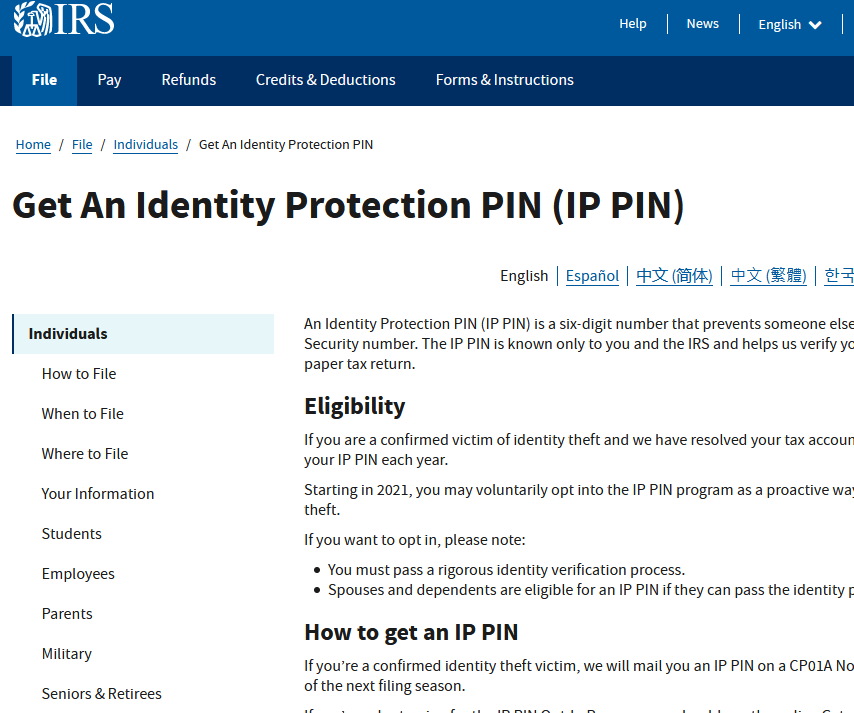
What is an IRS Identity Protection PIN?
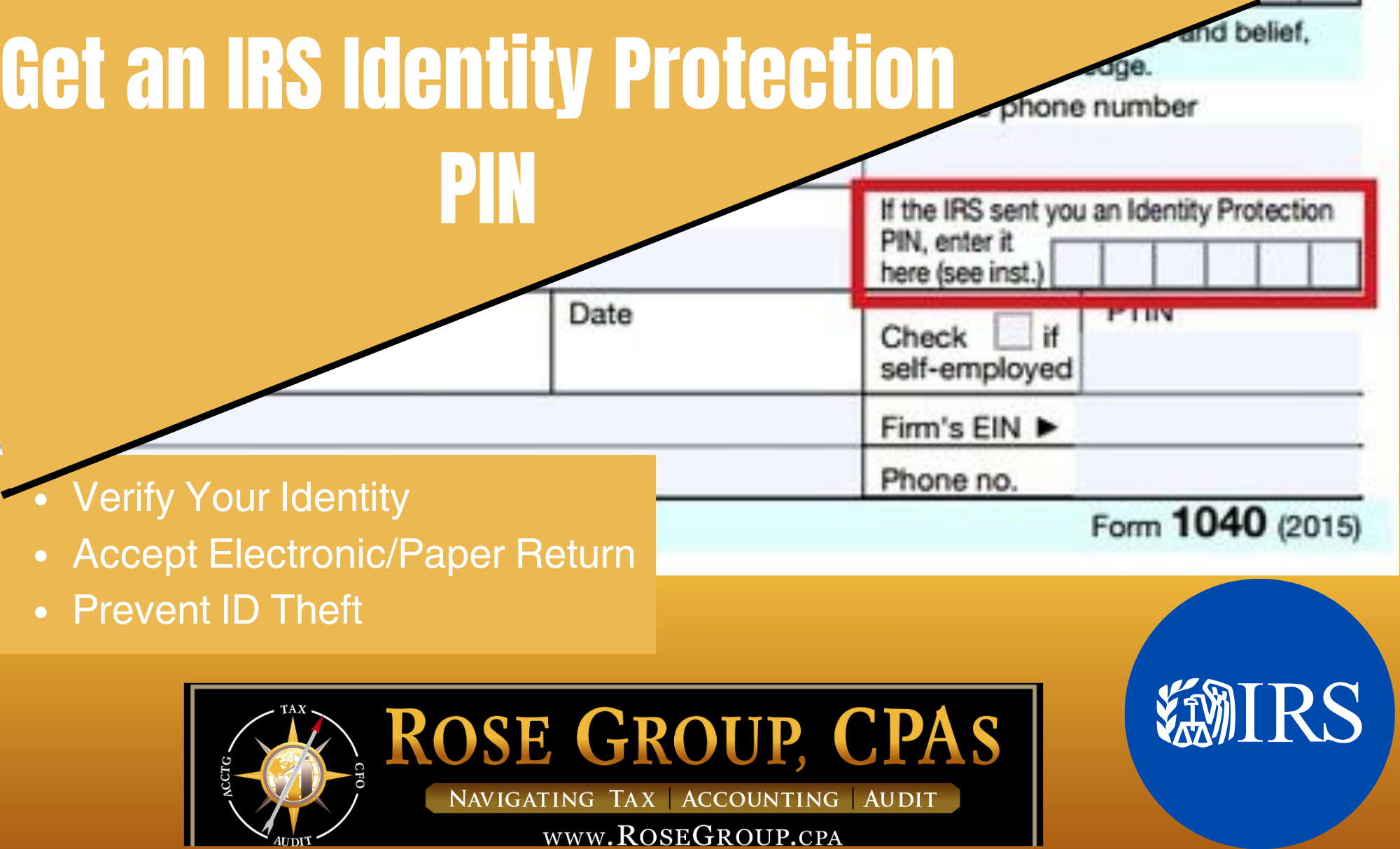
The IP PIN is a unique six-digit number assigned to eligible taxpayers. It serves as a secondary authentication method. When you have an IP PIN, the IRS will not process your federal income tax return—whether filed electronically or on paper—unless the return includes the correct PIN. This effectively prevents a fraudster from filing a return in your name, as they would lack this specific, annually-refreshed code. It is important to distinguish this from the “e-file PIN” used in previous years; the IP PIN is specifically designed for identity protection and is updated every calendar year.
The Growing Threat of Tax Refund Fraud
The motivation behind obtaining an IP PIN is rooted in the sheer scale of modern financial crime. Data breaches at major financial institutions and retailers have left millions of Social Security numbers circulating on the dark web. Criminals often file fraudulent returns early in the tax season, before the legitimate taxpayer has even gathered their W-2s. By the time the real taxpayer attempts to file, the IRS rejects the return, stating that one has already been processed. Resolving this can take months of administrative hurdles, delaying your legitimate refund and causing significant financial stress. Implementing an IP PIN is a proactive strategy to bypass this vulnerability entirely.
Eligibility and the Universal Opt-In Program
Historically, the IRS only issued IP PINs to taxpayers who had already fallen victim to identity theft. However, recognizing the proactive nature of financial security, the IRS expanded the program. This shift marks a significant milestone in personal finance security, allowing any taxpayer who can verify their identity to take defensive action before a crime occurs.
Moving Beyond Identity Theft Victims
Since 2021, the IRS has opened the IP PIN Opt-In Program to any taxpayer who has a Social Security Number (SSN) or an Individual Taxpayer Identification Number (ITIN). This “Universal Opt-In” means you do not need to wait for a “Notice CP01A” (the notice sent to confirmed victims) to join the program. This accessibility is vital for high-net-worth individuals, business owners, and even standard wage earners who prioritize the integrity of their financial filings.
Why Every Taxpayer Should Consider an IP PIN
While the program is voluntary, it is highly recommended as part of a robust financial “hygiene” routine. Just as you might use two-factor authentication (2FA) for your banking apps or credit monitoring services for your loan profiles, the IP PIN serves as 2FA for your interactions with the IRS. In the context of personal finance, the time saved by avoiding a “frozen” tax account and the security of knowing your refund is safe far outweigh the small effort required to obtain the code each year.
Step-by-Step Guide: How to Obtain Your IRS IP PIN Online
The most efficient way to obtain your IP PIN is through the IRS online portal. This process is designed to be rigorous, ensuring that only you can access your unique identifier. Because this involves sensitive financial data, the IRS uses a third-party identity verification service to maintain the highest security standards.
Preparing Your Documentation: The ID.me Verification Process
Currently, the IRS utilizes “ID.me” for identity verification. To obtain your IP PIN online, you must first create or sign in to an IRS Online Account. This requires several pieces of documentation to prove your identity:
- A valid government-issued photo ID (Driver’s license, State ID, or Passport).
- A smartphone with a camera or a computer with a webcam for a “liveness check” (a selfie scan to match your photo ID).
- Your Social Security Number or ITIN.
- The ability to receive a one-time passcode via phone or email.
From a financial security perspective, while this process may seem intrusive, it is the gold standard for ensuring that a fraudster cannot simply “request” a PIN in your name.
Navigating the IRS “Get An IP PIN” Portal
Once your identity is verified through ID.me, you will be redirected to the IRS “Get an IP PIN” tool. Here, you will follow the prompts to officially opt into the program. If you are a first-time user, the system will generate your six-digit PIN immediately on the screen. It is crucial to print or digitally save this number in a secure location, such as a password manager or a locked physical safe. This number is what you—or your tax professional—will need when filing your tax return for the current year.
Alternative Methods: Paper Applications and In-Person Authentication
The IRS recognizes that not all taxpayers can successfully navigate the online verification process. If you cannot verify your identity online, there are two primary alternatives:
- Form 15227: If your adjusted gross income (AGI) is below a certain threshold (typically $79,000 for individuals) and you have a verified phone number, you can file Form 15227. An IRS representative will then call you to verify your identity through a series of questions.
- In-Person Verification: You can schedule an appointment at a Taxpayer Assistance Center (TAC). You will need to bring two forms of identification, one of which must be a government-issued photo ID. Once verified, the IRS will mail your IP PIN to your address of record within a few weeks.
Managing Your PIN: Best Practices for Financial Security
Obtaining the PIN is only the first step. Proper management of this financial credential is required to ensure your filing process remains seamless. Because the IP PIN is a high-security tool, it comes with specific rules regarding its use and renewal.
The Annual Renewal Cycle
A common misconception is that once you have an IP PIN, it remains the same forever. In reality, the IRS generates a new IP PIN for you every calendar year. If you are opted into the program, you will not use your 2023 PIN for your 2024 filing. Instead, you must log back into the portal each January to retrieve your new code, or wait for the IRS to mail you a CP01A notice (usually sent between mid-December and early January). This annual refresh ensures that even if a PIN were somehow compromised, its utility to a criminal is limited to a single tax season.
Protecting Your PIN from Phishing and Scams
Just as you should never share your bank PIN or your Social Security number over an unsolicited phone call, you must protect your IP PIN. The IRS will never call, email, or text you to ask for your IP PIN. Scammers may pose as IRS agents claiming there is an “issue” with your return and asking for the PIN to “fix” it. Legitimate use of the PIN only occurs when you are actually filling out your tax forms or providing it to your trusted, verified tax preparer.
What to Do if You Lose Your IP PIN
If you lose your PIN or never received the CP01A notice in the mail, do not panic, but act quickly. You can retrieve your IP PIN by logging back into the “Get an IP PIN” online tool. If you cannot access the online tool, you can call the IRS specialized identity theft line. However, be aware that if you have to request a replacement via mail, it can delay the processing of your return. From a financial planning standpoint, it is best to retrieve the PIN at least several weeks before you plan to file.
The Strategic Impact of an IP PIN on Your Personal Finance Strategy
Incorporating the IRS IP PIN into your financial life is about more than just tax compliance; it is about risk management. In the broader context of personal finance, an IP PIN is a low-effort, high-reward investment in your financial peace of mind.
Streamlining the Filing Process
For many, the fear of a “rejected” return is a source of significant anxiety. By using an IP PIN, you virtually eliminate the possibility of a “duplicate SSN” rejection. This ensures that your return moves through the IRS automated systems without manual intervention, leading to faster processing times and quicker issuance of refunds. For those who rely on their tax refund as a component of their annual budget or as a contribution to their IRA or 401(k), this predictability is invaluable.
Peace of Mind as a Financial Asset
In the world of investing and finance, we often talk about “hedging” against loss. The IP PIN is a hedge against identity theft. The “cost” of identity theft is not just the potential loss of a refund; it is the dozens of hours spent on the phone with the IRS, the potential impact on your credit score if other accounts are compromised, and the emotional toll of financial violation. By taking the proactive step of obtaining an IRS IP PIN, you are securing one of the most significant touchpoints of your financial identity, ensuring that your hard-earned money remains exactly where it belongs: with you.
aViewFromTheCave is a participant in the Amazon Services LLC Associates Program, an affiliate advertising program designed to provide a means for sites to earn advertising fees by advertising and linking to Amazon.com. Amazon, the Amazon logo, AmazonSupply, and the AmazonSupply logo are trademarks of Amazon.com, Inc. or its affiliates. As an Amazon Associate we earn affiliate commissions from qualifying purchases.