
The phrase “how to not owe taxes” often conjures images of complex financial maneuvers or even illicit tax evasion. In reality, for the vast majority of individuals and businesses, it refers to a perfectly legal and highly strategic approach to tax optimization. This isn’t about illegally avoiding your civic duty; it’s about intelligently structuring your finances, leveraging every available deduction and credit, and planning proactively to minimize your tax liability to the lowest legal amount. By understanding the intricate rules of the tax system, taxpayers can significantly reduce the amount they owe, or even achieve a net zero balance, thereby keeping more of their hard-earned money.

In an increasingly complex financial landscape, where tax codes undergo frequent revisions and personal financial situations evolve, a passive approach to taxes can be costly. This article will delve into the core principles and actionable strategies that empower you to navigate the tax system with confidence, transform anxiety into opportunity, and ultimately, get closer to the goal of not owing taxes. We’ll explore everything from fundamental tax literacy to advanced planning techniques, emphasizing that consistent, informed effort throughout the year is far more effective than a last-minute scramble. Mastering the art of not owing taxes is an empowering journey toward greater financial freedom and security.
Understanding the Fundamentals of Tax Liability
Before embarking on strategies to reduce what you owe, it’s crucial to grasp the basic mechanics of how tax liability is calculated. Your tax bill isn’t a random number; it’s the result of a series of calculations involving your income, allowed deductions, and available credits. A solid foundational understanding is the bedrock for any effective tax optimization strategy.
Differentiating Gross Income, Adjusted Gross Income (AGI), and Taxable Income
Your financial journey with the tax authorities begins with your Gross Income. This is the sum total of all income you receive from various sources before any deductions. It includes wages, salaries, tips, interest, dividends, business income, capital gains, rental income, and more. While this figure is important, it’s rarely what you’re taxed on directly.
The next critical step is calculating your Adjusted Gross Income (AGI). This is derived by subtracting certain “above-the-line” deductions from your gross income. These deductions are particularly powerful because they reduce your AGI directly, which can impact your eligibility for other credits and deductions that have AGI limitations. Common above-the-line deductions include contributions to traditional IRAs, health savings accounts (HSAs), student loan interest, and self-employment tax. A lower AGI is generally preferable, as it can unlock further tax benefits.
Finally, we arrive at Taxable Income. This is the amount of income on which your tax rate is actually applied. It’s calculated by subtracting either the standard deduction or your itemized deductions (whichever is greater) from your AGI, along with any qualified business income (QBI) deduction. The goal of many tax strategies is to strategically reduce this taxable income figure.
The Power of Deductions vs. Credits
It’s essential to understand the distinct impact of deductions and credits, as they reduce your tax liability in different ways:
- Deductions: These reduce the amount of your income that is subject to tax. If you have a $1,000 deduction and are in a 20% tax bracket, that deduction saves you $200 (20% of $1,000). Deductions effectively lower your taxable income, thereby lowering your overall tax bill. They are most beneficial to those in higher tax brackets.
- Credits: These directly reduce the amount of tax you owe, dollar-for-dollar. A $1,000 tax credit reduces your tax bill by a full $1,000, regardless of your tax bracket. Some credits are even “refundable,” meaning if the credit amount exceeds your tax liability, you might receive the difference back as a refund. Credits are generally more valuable than deductions for the same dollar amount, as they have a more direct impact on your final tax payment. Understanding which deductions and credits you qualify for is paramount to minimizing your tax burden.
Proactive Strategies for Minimizing Taxable Income
The journey to not owing taxes is largely about proactive planning and making informed financial decisions throughout the year, not just during tax season. By strategically utilizing available mechanisms, you can significantly reduce your taxable income.
Maximizing Contributions to Tax-Advantaged Accounts
One of the most effective ways to lower your taxable income is by contributing to accounts that offer tax benefits, often deferring taxes until retirement or allowing for tax-free growth.
- Traditional 401(k)s and IRAs: Contributions to these accounts are typically tax-deductible in the year they are made, directly reducing your current year’s taxable income. The money grows tax-deferred until retirement, when withdrawals are taxed as ordinary income. Maxing out these contributions not only boosts your retirement savings but also provides an immediate tax break.
- Health Savings Accounts (HSAs): Often hailed as a “triple tax advantage” account, HSAs offer remarkable benefits. Contributions are tax-deductible, the money grows tax-free, and qualified withdrawals for medical expenses are also tax-free. They are available to individuals with high-deductible health plans (HDHPs) and are an excellent way to save for future medical costs while lowering your taxable income today.
- 529 Plans: While primarily designed for education savings, contributions to 529 plans can offer state income tax deductions in many states. The earnings grow tax-free, and qualified withdrawals for educational expenses are also tax-free. This offers a dual benefit: saving for future education costs and potentially reducing your state tax liability.
Strategic Use of Tax Credits and Deductions
Beyond tax-advantaged accounts, a thorough understanding and utilization of available tax credits and deductions are critical.
- Claiming All Eligible Tax Credits: Tax credits are powerful because they reduce your tax bill dollar-for-dollar. Familiarize yourself with common credits like the Child Tax Credit, Earned Income Tax Credit (EITC), American Opportunity Tax Credit (AOTC), Lifetime Learning Credit, and various credits for energy-efficient home improvements or childcare expenses. Eligibility for these credits can vary significantly based on income, filing status, and specific circumstances.
- Itemizing Deductions vs. Standard Deduction: When filing your taxes, you’ll choose between taking the standard deduction (a fixed amount determined by the IRS based on your filing status) or itemizing deductions. Itemizing involves listing out specific expenses that qualify, such as state and local taxes (SALT, with limits), mortgage interest, charitable contributions, and certain medical expenses. If your total itemized deductions exceed the standard deduction, it’s financially advantageous to itemize. Meticulous record-keeping throughout the year is crucial for substantiating itemized deductions.
- Business Expenses for the Self-Employed: If you are self-employed or run a small business, tracking and deducting all legitimate business expenses is paramount. This can include home office deductions, business travel, professional development, supplies, equipment, and health insurance premiums. These deductions directly reduce your business income, thereby lowering your overall taxable income and self-employment taxes.
Year-Round Tax Planning and Optimization
Tax optimization isn’t a one-time event; it’s an ongoing process. Implementing strategic moves throughout the year can significantly impact your final tax outcome and help you approach the goal of not owing taxes.
Adjusting Withholding and Estimated Payments
One of the most immediate ways to control your tax situation is by properly managing your tax payments throughout the year.
- W-4 Review: If you’re an employee, your W-4 form dictates how much tax is withheld from each paycheck. Regularly reviewing and updating your W-4, especially after significant life events (marriage, birth of a child, new job, home purchase), can prevent over-withholding (leading to a large refund but essentially an interest-free loan to the government) or under-withholding (leading to a large tax bill or penalties). The goal is to match your withholding as closely as possible to your actual tax liability.
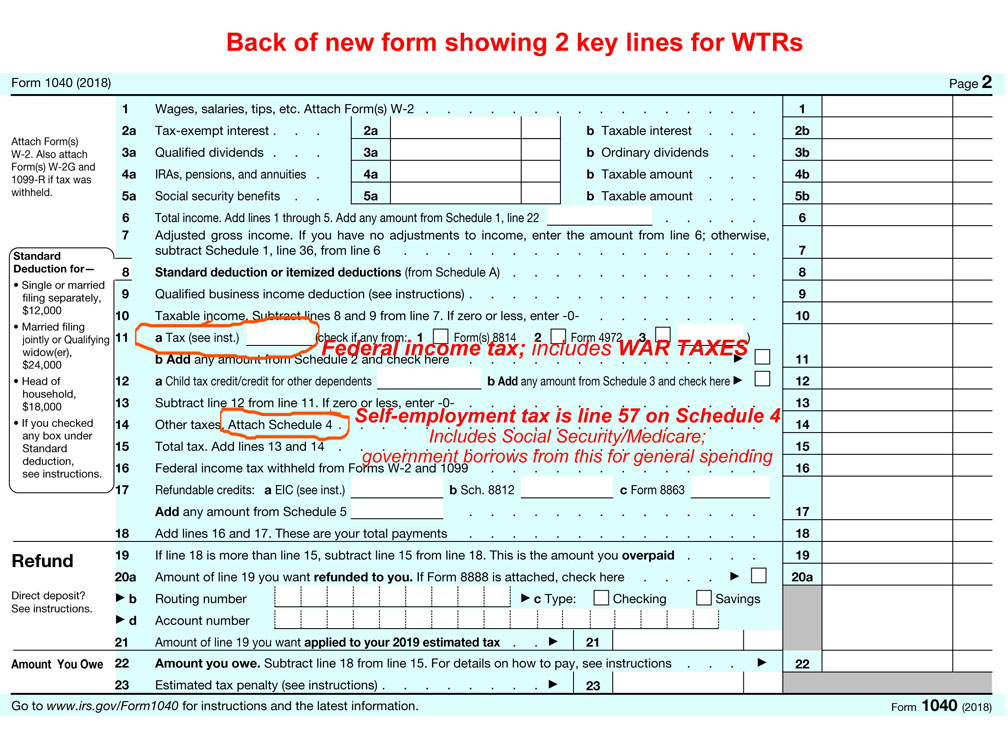
- Estimated Tax Payments for Self-Employed: For self-employed individuals, freelancers, and those with significant un-withheld income, making quarterly estimated tax payments is mandatory. These payments cover income tax and self-employment taxes (Social Security and Medicare). Failing to pay enough through estimated taxes can result in penalties. Tools like the IRS’s Estimated Tax Worksheet can help in calculating appropriate quarterly payments.
Strategic Investment Management
How you manage your investments can also have a profound impact on your tax liability.
- Tax-Loss Harvesting: This strategy involves selling investments at a loss to offset capital gains and, potentially, a limited amount of ordinary income. By realizing losses, you can reduce your overall taxable income from investments. These losses can offset an unlimited amount of capital gains and up to $3,000 of ordinary income per year. Unused losses can be carried forward to future years. This is a tactic best employed towards the end of the calendar year.
- Location of Assets: Consider holding tax-inefficient assets (like bonds, REITs, or actively managed funds with high turnover) in tax-advantaged accounts (like 401(k)s or IRAs) where their income and gains won’t be taxed annually. Conversely, place tax-efficient assets (like growth stocks or index funds with low turnover) in taxable brokerage accounts. This “asset location” strategy minimizes current-year tax drag.
- Qualified Dividends and Long-Term Capital Gains: Understanding that certain investment income, like qualified dividends and long-term capital gains, are taxed at preferential rates (often 0% for lower-income brackets, 15%, or 20%) can inform investment decisions. Holding investments for over a year before selling can significantly reduce the tax bite compared to short-term gains, which are taxed at ordinary income rates.
Advanced Considerations and Professional Guidance
While many strategies are accessible to the average taxpayer, certain situations warrant a deeper dive into complex tax codes or the invaluable assistance of a qualified professional.
Navigating Complex Tax Scenarios
Some financial situations introduce additional layers of complexity that require careful consideration.
- Alternative Minimum Tax (AMT): The AMT is a separate tax system designed to ensure that high-income individuals, trusts, and corporations pay at least a minimum amount of tax, even if they have many deductions and credits under the regular tax system. If your income is high and you have significant deductions like state and local taxes, or incentive stock options, you might be subject to the AMT. Understanding its triggers and planning around it is crucial for high-net-worth individuals.
- Self-Employment Tax and Pass-Through Entities: Self-employed individuals are responsible for paying both the employer and employee portions of Social Security and Medicare taxes, collectively known as self-employment tax. Furthermore, owners of pass-through entities (like S-corporations and partnerships) need to understand how their business income flows through to their personal tax returns, including the Qualified Business Income (QBI) deduction, which allows eligible business owners to deduct up to 20% of their qualified business income.
- Gifts, Estates, and Trusts: Wealth transfer strategies involving gifts, estates, and trusts have their own complex tax implications. Understanding annual gift tax exclusions, lifetime exemption amounts, and the tax treatment of trusts is vital for intergenerational wealth planning.
The Invaluable Role of a Qualified Tax Professional
While self-education is powerful, there comes a point where the complexity or financial significance of your tax situation warrants professional expertise.
- When to Seek Professional Help: If your financial situation involves multiple income streams, investments in various asset classes, self-employment, real estate, international income, significant life changes, or if you simply feel overwhelmed by the tax code, consulting a Certified Public Accountant (CPA) or Enrolled Agent (EA) is highly recommended. These professionals can identify deductions and credits you might miss, provide strategic advice, and ensure compliance.
- Comprehensive Tax Planning: A good tax professional doesn’t just prepare your taxes; they engage in comprehensive tax planning. This involves looking beyond the current tax year to anticipate future tax implications of your financial decisions, helping you align your financial goals with the most tax-efficient strategies. They can model different scenarios, advise on entity selection for businesses, and help navigate complex IRS communications. Their expertise can uncover significant savings and provide peace of mind.
- Staying Current with Tax Law Changes: Tax laws are dynamic, with changes introduced almost annually. A tax professional stays abreast of these changes, ensuring your strategies remain compliant and optimized. What was a valid deduction last year might be different this year, and new credits or provisions might become available. Relying on professional guidance ensures you are always operating with the most current information.

Conclusion
The aspiration of “not owing taxes” is not a pipe dream but a tangible goal achievable through diligent planning, informed decision-making, and a proactive approach to your financial life. It encompasses everything from understanding the basic components of your tax liability to strategically utilizing tax-advantaged accounts, maximizing deductions and credits, and managing your investments with tax efficiency in mind.
Successful tax optimization isn’t about finding loopholes; it’s about mastering the existing framework of tax laws to your advantage. It requires year-round vigilance, not just a frantic sprint during tax season. By consistently reviewing your financial situation, adjusting your withholding, making smart investment choices, and keeping meticulous records, you empower yourself to significantly reduce your tax burden. For those with more intricate financial landscapes, the expertise of a qualified tax professional becomes an invaluable asset, guiding you through complexities and unlocking advanced strategies.
Ultimately, the goal is to ensure that every dollar you earn works as hard for you as possible, keeping more of your wealth in your pocket and furthering your financial independence. By adopting a proactive and informed mindset, you can navigate the tax system with confidence and move closer to the rewarding reality of not owing taxes.
aViewFromTheCave is a participant in the Amazon Services LLC Associates Program, an affiliate advertising program designed to provide a means for sites to earn advertising fees by advertising and linking to Amazon.com. Amazon, the Amazon logo, AmazonSupply, and the AmazonSupply logo are trademarks of Amazon.com, Inc. or its affiliates. As an Amazon Associate we earn affiliate commissions from qualifying purchases.