
In an increasingly unpredictable world, the ability to effectively manage and save money isn’t just a useful skill – it’s a critical pillar of financial security, personal freedom, and future prosperity. Far from being a restrictive chore, money saving is an empowering practice that, when approached strategically, can transform your financial landscape, reduce stress, and open doors to opportunities you might not have thought possible. This guide will walk you through foundational principles and actionable strategies to cultivate robust saving habits, enabling you to build wealth, achieve your financial goals, and secure a more stable future.
The Foundation: Understanding Your Financial Landscape
Before you can effectively save, you must first understand where your money is going and where it’s coming from. This foundational step is often overlooked but is absolutely crucial for creating a sustainable savings plan.
Tracking Your Income and Expenses
The first step in any financial overhaul is to gain crystal-clear visibility into your cash flow. This means meticulously tracking every dollar you earn and every dollar you spend. Many people operate with a vague idea of their financial situation, which is a recipe for overspending and missed savings opportunities.
Start by listing all your sources of income. Then, for a period of at least 30 days, log every single expense. This can be done manually with a notebook, using a spreadsheet, or by leveraging a myriad of budgeting apps and online tools. Categorize your expenses into fixed costs (rent/mortgage, loan payments, insurance) and variable costs (groceries, entertainment, dining out, transportation). The goal here is not to judge, but to observe. You’ll likely uncover spending patterns and “money leaks” you weren’t aware of. This data will be the bedrock upon which you build your budget.
Creating a Realistic Budget
With your income and expense data in hand, the next step is to create a budget. A budget isn’t about deprivation; it’s a spending plan that allocates your income to different categories, ensuring that your essential needs are met, your financial goals are prioritized, and you still have room for discretionary spending.
There are various budgeting methods:
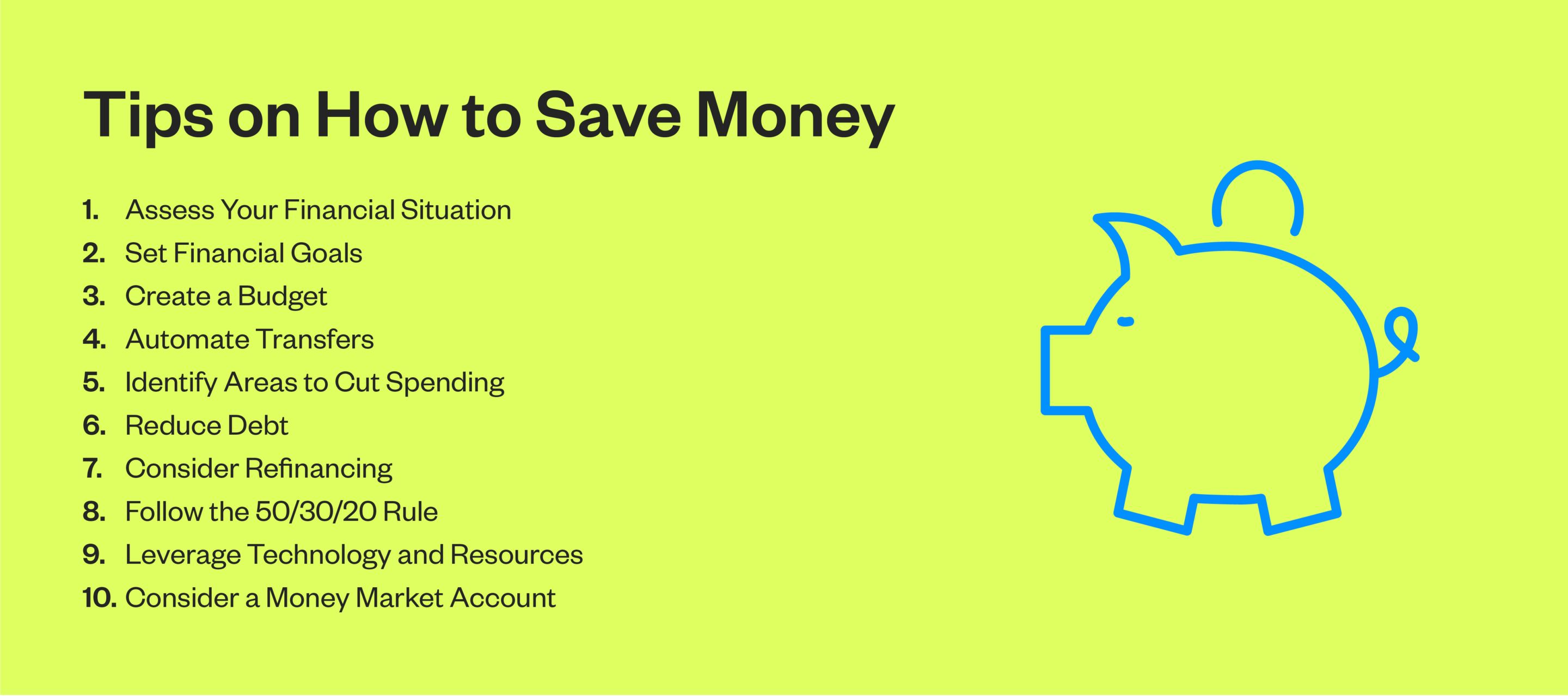
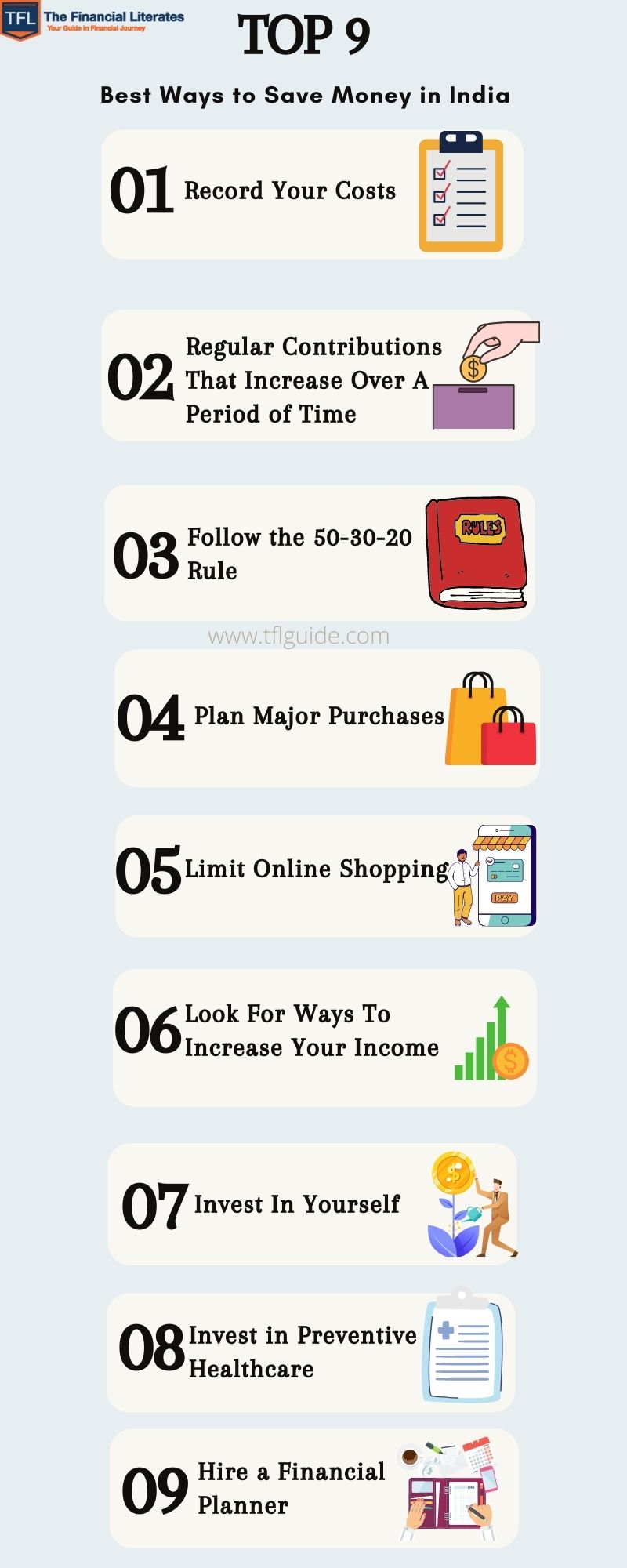
- The 50/30/20 Rule: Allocate 50% of your after-tax income to needs (housing, utilities, groceries), 30% to wants (dining out, entertainment, hobbies), and 20% to savings and debt repayment.
- Zero-Based Budgeting: Every dollar of income is assigned a job (expense, saving, debt repayment) until your income minus expenses equals zero. This method requires more discipline but offers immense control.
- Envelope System: For cash spenders, this involves allocating cash into physical envelopes for different spending categories.
The key is to create a budget that is realistic and sustainable for you. Don’t cut so deep that you feel deprived and quickly abandon it. Be honest about your spending habits and gradually adjust categories until you find a balance that works. Review and adjust your budget regularly as your income or expenses change.
Setting Clear Financial Goals
Saving without a purpose can feel aimless. Setting clear, measurable financial goals provides motivation and direction. What are you saving for?
- Short-term goals (1-2 years): Emergency fund (3-6 months of living expenses), down payment for a car, a vacation.
- Mid-term goals (3-5 years): Down payment for a house, starting a business, further education.
- Long-term goals (5+ years): Retirement, child’s college fund, financial independence.
Make your goals SMART: Specific, Measurable, Achievable, Relevant, and Time-bound. For example, instead of “I want to save money,” aim for “I will save $10,000 for an emergency fund by December 31st, 2025.” Break larger goals into smaller, manageable milestones. This makes the journey less daunting and allows you to celebrate progress along the way.
Strategic Spending: Optimizing Your Everyday Habits
Once you have a clear understanding of your finances and well-defined goals, the next phase involves actively optimizing your spending. This isn’t about eliminating joy, but about making conscious choices that align with your financial objectives.
Re-evaluating Recurring Expenses and Subscriptions
Many people unknowingly bleed money each month through recurring expenses they no longer need or use. Take inventory of all your subscriptions: streaming services, gym memberships, software, apps, and even premium versions of services you could get for free.
- Cancel anything you don’t use regularly. Be ruthless.
- Downgrade plans: Do you really need the premium streaming package or could a standard one suffice?
- Negotiate: For services like internet, cable, or even insurance, call your providers and ask for a better deal. Many companies are willing to offer discounts or switch you to a cheaper plan to retain your business.
- Bundle services: Sometimes combining services from one provider can lead to savings.
These small, consistent cuts can add up to significant savings over a year without requiring major lifestyle changes.
Smart Grocery Shopping and Meal Planning
Food is often one of the largest variable expenses for households. Strategic grocery shopping and meal planning can dramatically reduce this cost.
- Plan your meals: Before you go to the store, plan your meals for the week. This helps you create a targeted shopping list and avoids impulse buys.
- Make a list and stick to it: Impulse purchases are budget killers. A list keeps you focused.
- Cook at home: Eating out and ordering takeout are significantly more expensive than preparing meals at home. Pack your lunch for work.
- Buy in bulk (wisely): Only buy non-perishable items or things you know you’ll use before they spoil in larger quantities when they are cheaper per unit.
- Utilize coupons and sales: Keep an eye out for discounts and build your meal plan around sale items.
- Reduce food waste: Learn to use leftovers creatively and understand proper food storage to prevent spoilage.
Reducing Transportation and Utility Costs
These essential expenses often have room for optimization.
- Transportation:
- Public transport/Carpooling/Biking/Walking: Explore alternatives to driving, especially for shorter distances.
- Maintenance: Regular car maintenance can prevent costly breakdowns and improve fuel efficiency.
- Fuel efficiency: Drive smoothly, avoid excessive idling, and ensure your tires are properly inflated.
- Utilities:
- Energy efficiency: Turn off lights, unplug electronics when not in use (phantom load), use energy-efficient appliances, and set your thermostat strategically (higher in summer, lower in winter).
- Water conservation: Fix leaks, take shorter showers, and run full loads in dishwashers and washing machines.
- Insulation: Improve home insulation to reduce heating and cooling costs.
Practicing Mindful Consumption and Avoiding Impulse Buys
In our consumer-driven society, it’s easy to fall prey to impulse buying and the pressure to keep up with trends.
- The 30-day rule: For non-essential items, wait 30 days before purchasing. Often, the urge passes, or you realize you don’t truly need it.
- Question your purchases: Before buying, ask yourself: “Do I truly need this? Does it add value to my life? Is there a cheaper alternative? Does it align with my financial goals?”
- Unsubscribe from marketing emails: Reduce temptation by removing yourself from mailing lists that trigger spending.
- Avoid shopping when emotional: Retail therapy is often a temporary fix that leads to long-term regret.
- Prioritize experiences over possessions: Often, memories from experiences provide more lasting happiness than material goods.

Automating Your Ascent: Making Saving Effortless
One of the most powerful strategies for consistent saving is to remove the human element of decision-making. Automation ensures that your savings goals are met without you having to actively think about them each month.
Setting Up Automatic Transfers
The “pay yourself first” principle is paramount. As soon as your paycheck hits your account, have a portion automatically transferred to a dedicated savings account.
- Direct deposit allocation: Many employers allow you to split your direct deposit, sending a portion directly to your savings account.
- Automated bank transfers: Set up recurring transfers from your checking to your savings account on payday. Even small, consistent transfers (e.g., $50-$100 per paycheck) add up significantly over time.
- Increase incrementally: As your income grows or expenses decrease, gradually increase the amount you automate. You’ll barely notice the difference.
Leveraging Savings Accounts and Tools
Choosing the right place for your savings can also boost your efforts.
- High-yield savings accounts (HYSA): These accounts offer significantly higher interest rates than traditional savings accounts, allowing your money to grow faster without any extra effort on your part.
- Goal-based savings accounts: Some banks or apps allow you to create separate “sub-accounts” or “envelopes” within your main savings account for specific goals (e.g., “Emergency Fund,” “Vacation,” “Down Payment”). This helps you visualize progress toward each goal.
- Round-up apps: Many fintech apps automatically round up your purchases to the nearest dollar and transfer the difference to your savings or investment account. This “found money” approach can be surprisingly effective.
The Power of the Emergency Fund
An emergency fund is the cornerstone of financial security. It’s a readily accessible pool of money specifically earmarked for unexpected expenses like job loss, medical emergencies, or significant car/home repairs.
- Target amount: Aim for 3-6 months’ worth of essential living expenses. For those with less stable income or dependents, 9-12 months might be more appropriate.
- Dedicated account: Keep your emergency fund in a separate, easily accessible, high-yield savings account – not your checking account, and not invested in volatile assets. The goal is liquidity and safety, not high returns.
- Replenish: If you have to tap into your emergency fund, make replenishing it your top financial priority.
Advanced Strategies for Sustained Savings Growth
Once the basics are in place, you can explore more sophisticated methods to accelerate your savings and protect your financial future.
Tackling Debt Strategically
High-interest debt (like credit card debt or personal loans) is a significant drag on your ability to save, as a large portion of your payments goes towards interest rather than principal.
- Prioritize high-interest debt: Focus on paying off the debt with the highest interest rate first (the “debt avalanche” method) to minimize overall interest paid.
- Debt snowball: Alternatively, the “debt snowball” method involves paying off the smallest debt first to gain psychological momentum, then rolling those payments into the next smallest debt.
- Refinance: Explore options to refinance high-interest debt into lower-interest loans if eligible.
- Avoid new debt: While paying off old debt, be diligent about not incurring new debt.
Maximizing Workplace Benefits and Retirement Contributions
Your employer’s benefits package can be a powerful savings tool.
- 401(k) match: If your employer offers a 401(k) match, contribute at least enough to get the full match. This is essentially free money and an immediate, guaranteed return on your investment.
- Health Savings Accounts (HSAs): If you have a high-deductible health plan, an HSA offers a triple tax advantage: tax-deductible contributions, tax-free growth, and tax-free withdrawals for qualified medical expenses. It can also function as a retirement savings vehicle.
- Other benefits: Explore commuter benefits, dependent care FSAs, or any other programs that can save you money or reduce your taxable income.
Exploring Opportunities for Passive Savings
Beyond active budgeting, there are ways to make your money work harder for you, passively contributing to your savings.
- Automated investment apps: Robo-advisors or investment apps can automatically invest small amounts regularly, building wealth over time with minimal effort.
- Cashback rewards: Use credit cards that offer cashback on categories where you already spend heavily, but only if you pay off the full balance every month to avoid interest charges.
- Optimizing insurance: Regularly shop around for car, home, and health insurance to ensure you’re getting the best rates for your coverage needs.
Cultivating a Savings Mindset for Long-Term Success
Saving money is not a one-time event; it’s a continuous journey and a way of life. Sustaining your efforts requires cultivating a positive and disciplined mindset.
Regular Financial Reviews
Your financial situation is not static, and neither should be your budget or savings plan.
- Monthly check-ins: Dedicate time each month to review your spending, track progress toward your goals, and adjust your budget as needed.
- Annual deep dives: Once a year, conduct a comprehensive review of your entire financial picture: net worth, investment performance, debt levels, and long-term goals.
- Adaptability: Life happens. Income changes, expenses fluctuate, and priorities shift. Be prepared to adapt your financial plan to new circumstances rather than rigidly sticking to an outdated one.
Celebrating Milestones and Staying Motivated
The journey to financial security can be long, so it’s important to acknowledge your progress and keep your spirits up.
- Celebrate small wins: When you hit a savings milestone, pay off a debt, or stick to your budget for a month, acknowledge your success. This positive reinforcement fuels continued effort.
- Visual reminders: Use charts, apps, or even a simple savings thermometer to visualize your progress toward your goals.
- Community and support: Share your goals (responsibly) with a trusted friend or partner, or join online communities for support and shared motivation.
- Remind yourself of your “why”: When motivation wanes, reconnect with the core reasons you started saving. Whether it’s peace of mind, a dream vacation, or early retirement, remembering your goals can reignite your drive.
Educating Yourself Continuously
The world of personal finance is constantly evolving. Staying informed can help you make better decisions and uncover new opportunities.
- Read books and blogs: Immerse yourself in reputable personal finance literature.
- Listen to podcasts: Many excellent podcasts offer practical advice and insights.
- Attend webinars: Banks, financial institutions, and independent advisors often offer free educational resources.
- Learn from others: Engage in constructive conversations about money with financially savvy individuals.
In conclusion, effective money saving is a multifaceted discipline that combines awareness, strategy, automation, and a strong mental resolve. By understanding your cash flow, optimizing your spending habits, automating your savings, and continuously refining your approach, you can build a robust financial foundation that supports your current needs and secures your future aspirations. It’s not about how much you earn, but how much you keep and grow. Start today, stay consistent, and watch your financial future transform.
aViewFromTheCave is a participant in the Amazon Services LLC Associates Program, an affiliate advertising program designed to provide a means for sites to earn advertising fees by advertising and linking to Amazon.com. Amazon, the Amazon logo, AmazonSupply, and the AmazonSupply logo are trademarks of Amazon.com, Inc. or its affiliates. As an Amazon Associate we earn affiliate commissions from qualifying purchases.