
In an increasingly environmentally conscious world, understanding and quantifying one’s carbon footprint has transitioned from a niche concern to a critical imperative for individuals, businesses, and governments alike. Far from being a purely environmental exercise, this measurement is now intrinsically linked with sophisticated technological solutions. From advanced data analytics to specialized software, AI-driven insights, and the omnipresent power of mobile applications and IoT devices, technology forms the backbone of accurate, efficient, and actionable carbon footprint assessment.
Understanding the Digital Ecosystem of Carbon Footprint Measurement
Measuring a carbon footprint is fundamentally a data-driven process. It involves collecting, processing, and analyzing vast quantities of information related to emissions across various scopes. This undertaking requires a robust digital infrastructure and a clear understanding of the technological pathways for data acquisition and interpretation.
The Data Challenge: What Information is Needed?
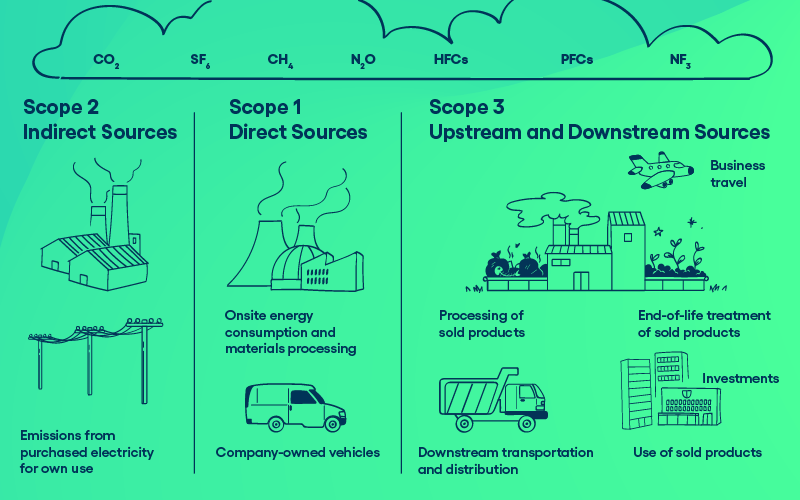
The first technological hurdle in carbon footprint measurement is the sheer volume and diversity of data required. This includes, but is not limited to, energy consumption records (electricity, gas, fuel), transportation data (vehicle mileage, fuel type, air travel), waste generation figures, supply chain emissions, and even agricultural practices. For an individual, this might involve digitizing utility bills, tracking travel logs via GPS-enabled apps, or logging consumption patterns. For organizations, it scales up dramatically, requiring integration with enterprise resource planning (ERP) systems, facility management software, and supply chain tracking platforms. The challenge lies in harmonizing disparate data sources, often stored in different formats and systems, into a coherent digital dataset suitable for analysis. Automated data extraction tools, APIs for system integration, and data warehousing solutions are foundational technologies in overcoming this initial hurdle. Without a structured digital approach to data capture, the measurement process quickly becomes unwieldy and prone to inaccuracies.
Methodologies and Standards: The Digital Framework
The calculation of a carbon footprint isn’t an arbitrary process; it adheres to internationally recognized methodologies and standards. These frameworks, such as the Greenhouse Gas (GHG) Protocol, ISO 14064, and various national regulations, provide specific guidelines for categorizing emissions (Scope 1, 2, 3), calculating emission factors, and reporting results. Technologically, these standards are translated into algorithms and computational models embedded within specialized software. Digital platforms that facilitate carbon accounting must be designed to accurately reflect these complex methodologies, ensuring calculations are consistent, transparent, and verifiable. This involves regularly updating emission factors within the software, which are often provided by governmental or scientific bodies in digital formats, and ensuring the software’s internal logic aligns with the latest amendments to the standards. The robustness of the underlying algorithms and the flexibility of the software to adapt to evolving standards are critical technological considerations.
Leveraging Software and AI for Accurate Calculations
The complexity and scale of carbon footprint calculations necessitate advanced software solutions, often augmented by artificial intelligence, to deliver precision and efficiency. These tools transform raw data into meaningful insights.
Specialized Carbon Accounting Software
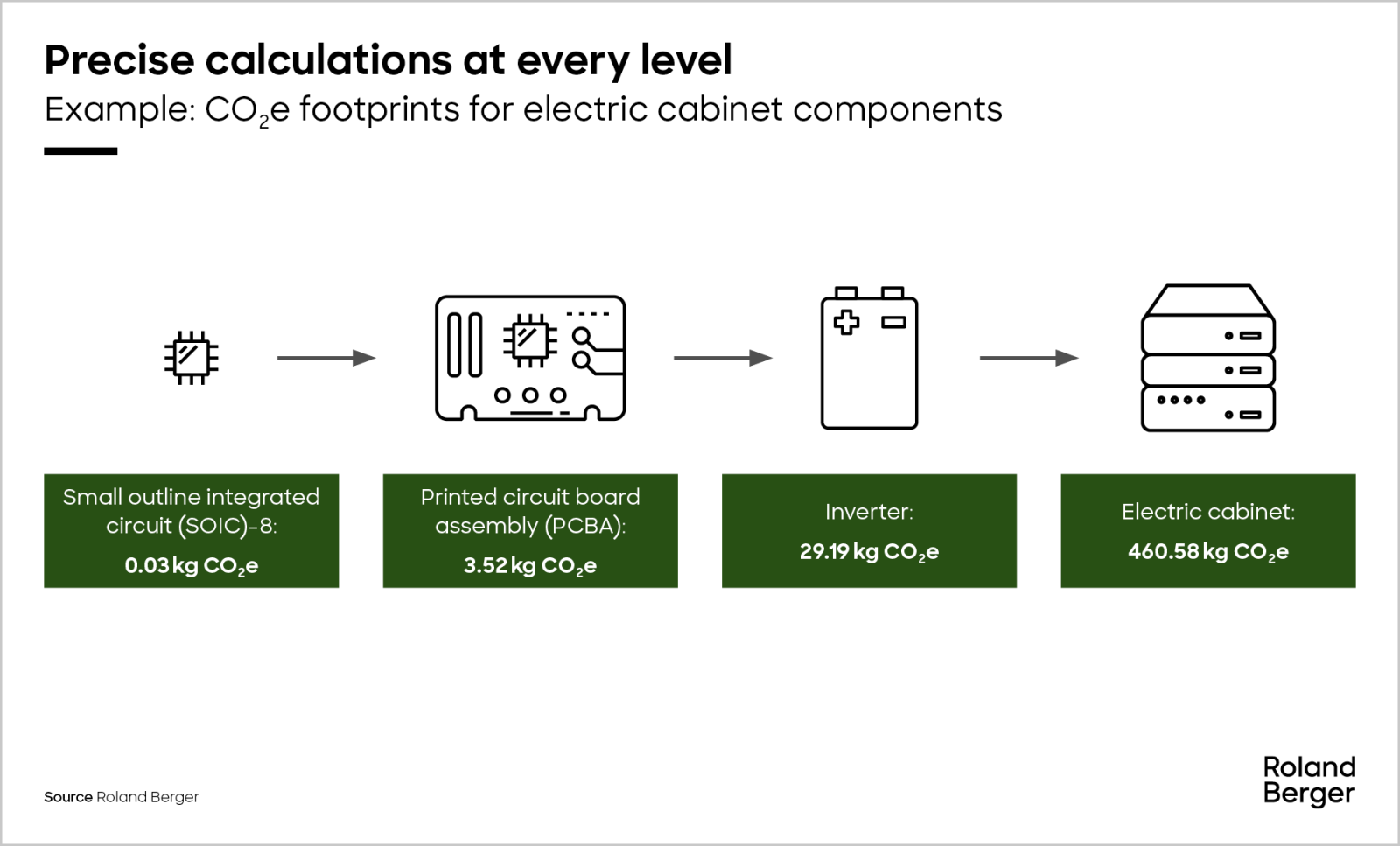
Dedicated carbon accounting software represents the technological cornerstone for businesses aiming to measure and manage their environmental impact. These platforms are engineered to ingest various data streams—from utility bills to fleet fuel consumption and supply chain data—and automatically apply relevant emission factors based on pre-programmed methodologies. Key features include automated data import functionalities (via APIs, CSV uploads, or direct integrations), comprehensive reporting capabilities aligned with various disclosure frameworks (e.g., CDP, GRI), and dashboards for visualizing emissions trends. Advanced solutions offer scenario planning, allowing companies to model the impact of different reduction strategies. Examples range from cloud-based SaaS solutions designed for ease of use to more complex enterprise-grade systems capable of handling global operations and intricate supply chains. The technological value proposition of these tools lies in their ability to streamline a labor-intensive process, minimize human error, and provide auditable trails of all calculations, which is crucial for compliance and transparency.
AI and Machine Learning for Predictive Analysis
The integration of artificial intelligence (AI) and machine learning (ML) is propelling carbon footprint measurement beyond mere historical reporting into predictive analytics and optimization. AI algorithms can process vast datasets much faster and identify patterns that human analysts might miss. For instance, ML models can predict future energy consumption based on historical data, weather patterns, and operational schedules, allowing organizations to proactively identify emission hotspots. In supply chains, AI can analyze logistics data to optimize routes, reduce fuel consumption, and identify suppliers with lower embedded emissions. Furthermore, AI can enhance the accuracy of Scope 3 emissions calculations (indirect emissions from a company’s value chain) by inferring data points where direct measurement is difficult, using proxy data and statistical modeling. Natural language processing (NLP) can even be used to extract relevant emissions data from unstructured documents or reports. This transition from descriptive to predictive and prescriptive analytics, driven by AI, empowers organizations to not only understand their past impact but also actively shape their future environmental performance through data-driven decisions.
The Role of Apps and IoT Devices in Data Collection
Personal and organizational data collection for carbon footprint assessment is increasingly reliant on ubiquitous digital tools: mobile applications and the Internet of Things (IoT). These technologies democratize data capture and enhance its granularity.
Personal Carbon Footprint Apps
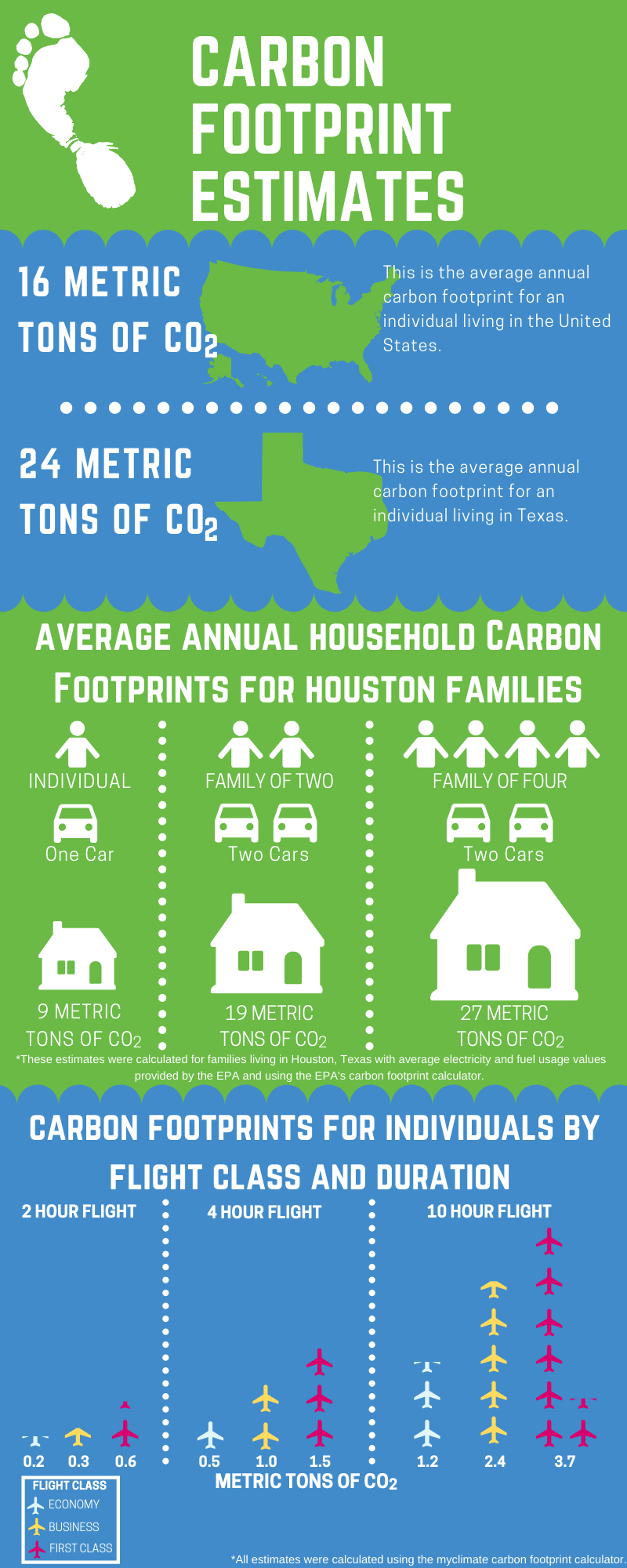
For individuals, mobile applications have become invaluable tools for tracking and understanding their personal environmental impact. These apps leverage smartphone capabilities, such as GPS for tracking travel modes and distances, camera for scanning product barcodes to estimate embodied carbon, and user input for recording daily habits (e.g., electricity usage, dietary choices). Many apps integrate with smart home devices, public transport APIs, and even financial apps to automatically pull relevant data, minimizing manual entry. They typically offer intuitive dashboards, personalized insights, and often gamification features to encourage sustainable behavior change. The technological sophistication of these apps lies in their ability to aggregate diverse personal data points, apply simplified emission factors, and present complex information in an easily digestible format, empowering individuals to make informed choices about their consumption and lifestyle.
IoT for Enterprise-Level Monitoring
At an enterprise level, the Internet of Things (IoT) provides a powerful infrastructure for real-time, granular data collection directly from emission sources. IoT sensors can monitor electricity consumption of individual machines or entire buildings, track fuel levels and emissions from vehicle fleets, measure water usage, and even monitor waste bins to optimize collection routes. Smart meters for electricity and gas provide continuous data streams without manual intervention. In industrial settings, IoT devices can monitor process efficiency, identifying opportunities to reduce energy intensity and associated emissions. The deployment of a distributed network of interconnected sensors allows for a highly accurate and continuous feed of operational data, which is then transmitted to central analytical platforms via cloud infrastructure. This real-time visibility, powered by IoT, enables organizations to pinpoint emission sources with unprecedented precision, identify inefficiencies instantly, and implement corrective actions much faster than with traditional, periodic data collection methods.
Ensuring Data Integrity and Digital Security
As carbon footprint measurement becomes increasingly digitalized and data-intensive, the integrity and security of the underlying data become paramount. Flawed data or compromised systems can lead to inaccurate reporting, reputational damage, and misinformed sustainability strategies.
Verifying Data Sources
The accuracy of any carbon footprint calculation is directly dependent on the reliability of the input data. Technologically, verifying data sources involves several layers. Firstly, robust data validation rules must be embedded within carbon accounting software to flag anomalies, missing values, or out-of-range entries. This might involve cross-referencing against historical data, industry benchmarks, or other internal data sources. Secondly, integrations with authoritative external databases for emission factors (e.g., governmental agencies, scientific research institutions) must be maintained and regularly updated to ensure the latest, most accurate conversion rates are used. Technologies like blockchain are even being explored to create immutable, transparent ledgers for supply chain emissions data, providing a higher level of trust and verifiability from origin to final product. Automated audit trails within software are also crucial, documenting every data input, modification, and calculation, making the entire process transparent and auditable.
Protecting Sensitive Environmental Data
Environmental data, especially for large corporations, can be highly sensitive. It may contain proprietary information about operational efficiency, supply chain partners, and future strategic plans. Therefore, the digital security measures protecting carbon footprint data must be as robust as those for financial or customer data. This includes implementing strong encryption for data in transit and at rest, multi-factor authentication for accessing platforms, granular access controls based on user roles, and regular security audits and penetration testing of carbon accounting systems. Cloud-based solutions must adhere to industry-leading security standards (e.g., ISO 27001, SOC 2 compliance). Furthermore, data anonymization techniques are critical when sharing aggregated environmental data or using it for public reporting, ensuring that competitive or sensitive details are not inadvertently disclosed. The technological infrastructure supporting carbon footprint measurement must prioritize cyber resilience to safeguard against breaches and ensure the continued trustworthiness of environmental reporting.
Emerging Technologies and Future Trends
The technological landscape for carbon footprint measurement is continuously evolving, promising even greater precision, automation, and integration. Quantum computing could revolutionize the speed and complexity of climate modeling and optimization algorithms. Digital twin technology is emerging as a powerful tool, allowing organizations to create virtual replicas of their physical assets and operations to simulate and optimize energy consumption and emissions in real-time before implementing changes. Advanced sensor technology, combined with miniaturization, will enable even more pervasive and less intrusive data collection. The convergence of AI, blockchain, and IoT is set to create highly automated, transparent, and verifiable carbon accounting ecosystems. Furthermore, advancements in data visualization and augmented reality (AR) could make complex emission data more intuitive and engaging for stakeholders, fostering deeper understanding and commitment to reduction efforts. The future of carbon footprint measurement will be defined by intelligent, interconnected systems that not only measure but actively guide and optimize pathways to a more sustainable future.
aViewFromTheCave is a participant in the Amazon Services LLC Associates Program, an affiliate advertising program designed to provide a means for sites to earn advertising fees by advertising and linking to Amazon.com. Amazon, the Amazon logo, AmazonSupply, and the AmazonSupply logo are trademarks of Amazon.com, Inc. or its affiliates. As an Amazon Associate we earn affiliate commissions from qualifying purchases.