
In an increasingly complex world, effective financial management is no longer a luxury but a fundamental skill for achieving stability, security, and long-term prosperity. Whether you’re just starting your career, navigating a mid-life financial shift, or planning for retirement, understanding the principles of sound financial management can empower you to make informed decisions, mitigate risks, and build a resilient financial future. This comprehensive guide will walk you through the essential steps to take control of your finances, moving beyond simply earning and spending to strategic planning and growth.
The Foundation of Financial Management: Understanding Your Current State
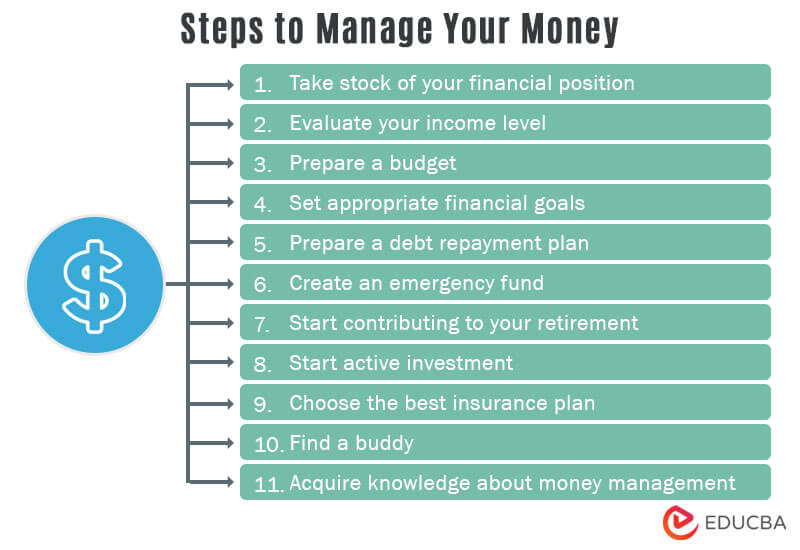
Before you can chart a course to your financial goals, you must first understand your starting point. This initial assessment is crucial for identifying strengths, weaknesses, and areas for improvement in your financial landscape. Without a clear picture of your current financial situation, any subsequent strategies would be based on assumptions rather than data.
Assessing Your Income Streams
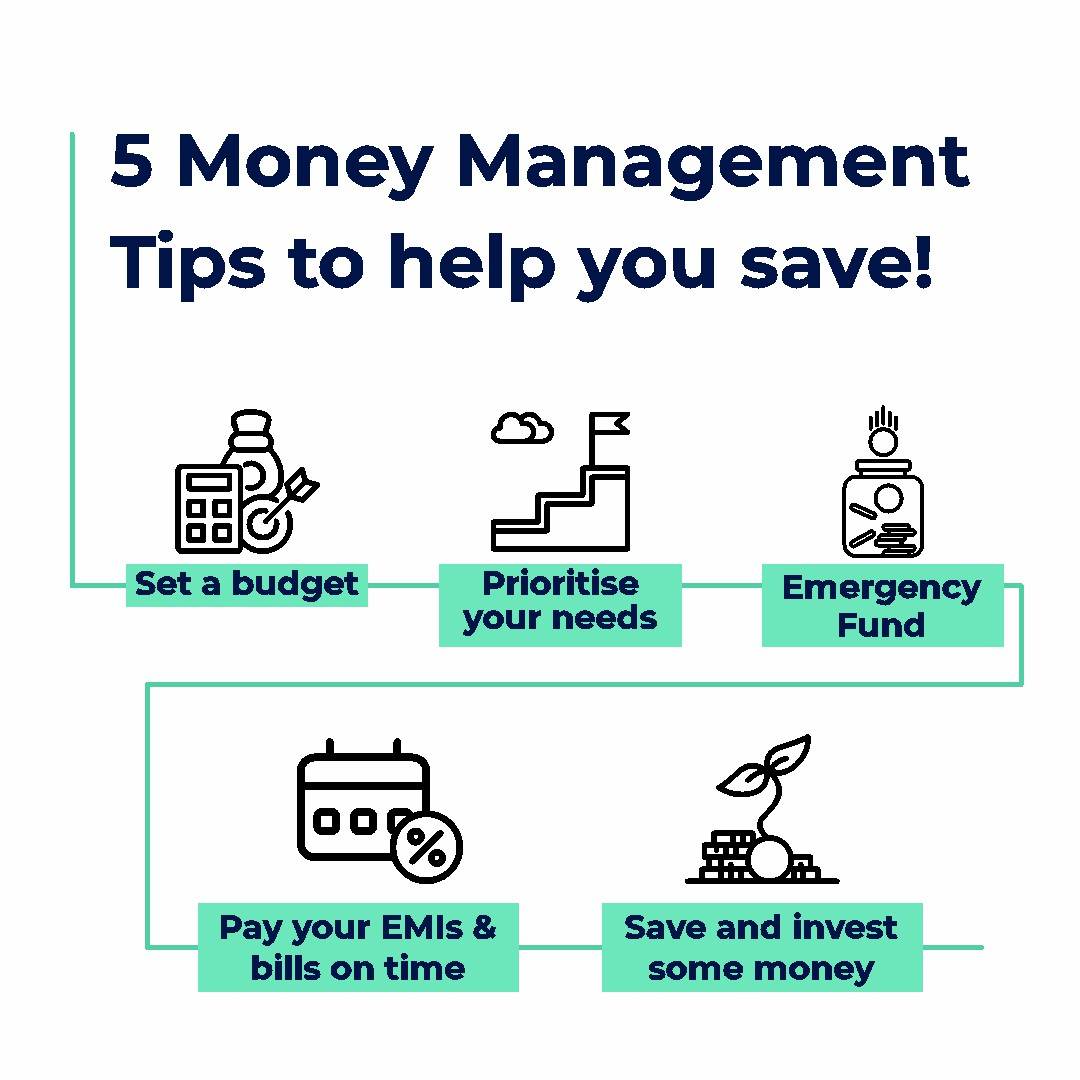
The first step is to accurately identify and quantify all sources of income. This includes your primary salary or wages, but also any freelance income, rental income, dividends, interest, or other regular inflows. A clear understanding of your gross and net income (after taxes and deductions) is vital for budgeting and planning. Don’t forget to account for variable income if applicable, and consider a conservative estimate for budgeting purposes. This helps in understanding your financial capacity and what resources are available for allocation.
Tracking Your Expenses: Where Does Your Money Go?
Perhaps the most eye-opening exercise in financial management is meticulously tracking your expenses. Many people underestimate how much they spend and where their money truly goes. Categorize your expenses into fixed (e.g., rent/mortgage, loan payments, insurance premiums) and variable (e.g., groceries, entertainment, dining out, utilities that fluctuate). Utilize spreadsheets, budgeting apps, or even a simple notebook for a month or two to capture every single outgoing dollar. This granular view will reveal spending habits, expose unnecessary expenditures, and highlight areas where you can potentially cut back. The goal is to gain clarity, not to judge, but to understand the reality of your spending patterns.
Calculating Your Net Worth: A Snapshot of Your Financial Health
Your net worth is a critical indicator of your overall financial health, representing the sum of your assets minus your liabilities. Assets include cash, savings, investments, real estate, and valuable possessions. Liabilities encompass debts such as mortgages, student loans, car loans, and credit card balances. Regularly calculating your net worth provides a snapshot of your financial standing at a given time and allows you to track progress over the years. A growing net worth indicates financial improvement, while a stagnant or declining one signals a need for adjustment. This metric transcends mere income, reflecting accumulated wealth.
Setting Realistic Financial Goals
With a clear understanding of your current financial state, you can begin to set meaningful and realistic financial goals. These goals should be SMART: Specific, Measurable, Achievable, Relevant, and Time-bound. Examples include building an emergency fund of six months’ living expenses, paying off a credit card debt within a year, saving for a down payment on a house in five years, or planning for retirement by a certain age. Break larger goals into smaller, manageable milestones to maintain motivation and track progress. Your goals will serve as the compass guiding all subsequent financial decisions.
Building a Robust Budget and Cash Flow Plan
Budgeting is the cornerstone of effective financial management, transforming your financial awareness into actionable strategies. It’s not about restriction; it’s about intentional spending and saving, ensuring your money aligns with your values and goals. A well-crafted budget acts as your financial roadmap, guiding every dollar you earn.
Choosing the Right Budgeting Method
There isn’t a one-size-fits-all budgeting solution. Explore different methods to find what resonates with your lifestyle and preferences.
- The 50/30/20 Rule: This popular method allocates 50% of your after-tax income to needs (housing, utilities, groceries), 30% to wants (entertainment, dining out, hobbies), and 20% to savings and debt repayment. It’s simple and flexible.
- Zero-Based Budgeting: Every dollar of income is assigned a specific job (expense, saving, debt repayment) until your income minus your expenses equals zero. This method ensures maximum intentionality with your money.
- Envelope System: For those who prefer a tangible approach, this involves allocating cash to physical envelopes for various spending categories. Once an envelope is empty, spending in that category stops.
- Pay Yourself First: Prioritize saving by automatically transferring a set amount to a savings or investment account immediately after receiving your paycheck. This ensures savings aren’t an afterthought.
The key is to select a method you can consistently stick with, adjusting it as your circumstances evolve.
Automating Savings and Bill Payments
One of the most effective strategies for financial success is automation. Set up automatic transfers from your checking account to your savings, investment, and debt repayment accounts immediately after you get paid. Similarly, automate bill payments for fixed expenses like rent, mortgage, and loan installments. This not only ensures you consistently save and avoid late fees but also reduces the mental load of managing multiple due dates. Automation takes the willpower out of saving and ensures your financial plan is executed without constant manual intervention.
Creating an Emergency Fund: Your Financial Safety Net
An emergency fund is non-negotiable for financial security. This dedicated savings account, separate from your regular checking account, holds enough money to cover 3 to 6 months’ worth of essential living expenses. It acts as a buffer against unexpected events such as job loss, medical emergencies, or unforeseen home repairs, preventing you from dipping into investments or incurring high-interest debt. Building this fund should be a top financial priority, providing invaluable peace of mind.
Managing Debt Strategically
Debt can be a significant impediment to financial progress, but not all debt is created equal. Distinguish between “good debt” (e.g., a mortgage or student loan that can lead to asset appreciation or increased earning potential) and “bad debt” (e.g., high-interest credit card debt, payday loans). Develop a strategic plan for debt repayment. Popular strategies include the “debt snowball” (paying off the smallest debt first for psychological momentum) or the “debt avalanche” (paying off the highest interest debt first to save money). Prioritize eliminating high-interest debt quickly to free up cash flow and reduce financial burden.
Smart Investing for Long-Term Growth

Managing finances isn’t just about controlling spending and saving; it’s also about making your money work for you. Investing allows your capital to grow over time, outpacing inflation and building substantial wealth for your future goals, from retirement to major purchases.
Understanding Investment Basics
Before diving into specific investments, grasp fundamental concepts.
- Risk vs. Return: Generally, higher potential returns come with higher risk. Understand your personal risk tolerance.
- Diversification: Don’t put all your eggs in one basket. Spreading investments across different asset classes, industries, and geographies reduces risk.
- Long-Term Horizon: Investing is typically a long game. Market fluctuations are normal; focus on long-term trends rather than short-term noise.
- Compound Interest: The “eighth wonder of the world,” compound interest allows your earnings to generate further earnings, accelerating wealth accumulation over time.
Exploring Different Investment Vehicles
A diverse portfolio utilizes various investment vehicles:
- Stocks: Represent ownership in a company. They offer potential for high returns but also higher volatility.
- Bonds: Essentially loans to governments or corporations. They are generally less volatile than stocks and provide fixed income.
- Mutual Funds and Exchange-Traded Funds (ETFs): Professionally managed portfolios of stocks, bonds, or other assets. They offer diversification and convenience. ETFs often have lower fees and are traded like stocks.
- Real Estate: Can provide rental income and capital appreciation, but requires significant capital and management.
- Retirement Accounts (401(k), IRA): Tax-advantaged accounts specifically designed for retirement savings, often with employer matching contributions, which are essentially free money.
Research each option and consider how it aligns with your risk tolerance and financial goals.
The Power of Compound Interest
Reiterating its importance, compound interest is central to long-term wealth building. It means earning returns on your initial investment and on the accumulated interest from previous periods. The earlier you start investing, the more time compound interest has to work its magic, leading to exponential growth. Even small, consistent contributions can grow into substantial sums over decades.
Developing an Investment Strategy Aligned with Your Goals
Your investment strategy should be a direct reflection of your financial goals and timeline. A young investor saving for retirement might have a more aggressive, growth-oriented portfolio, while someone nearing retirement might opt for a more conservative, income-generating approach. Consider your time horizon, your comfort level with risk, and your specific objectives. It’s often beneficial to work with a financial advisor to craft a personalized strategy that evolves with your life stages.
Protecting Your Financial Future
Managing finances isn’t just about accumulating wealth; it’s also about safeguarding it. Protecting your assets, income, and legacy from unforeseen events is a crucial component of comprehensive financial management.
Essential Insurance Policies
Insurance acts as a financial safety net, protecting you and your loved ones from significant financial burdens.
- Health Insurance: Crucial for covering medical expenses, which can be astronomically high.
- Life Insurance: Provides financial support to your beneficiaries upon your death, particularly important if you have dependents.
- Disability Insurance: Replaces a portion of your income if you become unable to work due to illness or injury. Often overlooked, it’s vital for protecting your earning potential.
- Home/Renters Insurance: Protects your property and possessions from damage, theft, and liability.
- Auto Insurance: Legally required in most places, protecting against damage to your vehicle and liability in accidents.
Evaluate your needs and ensure you have adequate coverage without overpaying.
Estate Planning Basics
Estate planning isn’t just for the wealthy; it’s for anyone who wants to ensure their wishes are honored and their loved ones are protected.
- Wills: A legal document outlining how your assets should be distributed after your death.
- Trusts: Can provide more control over asset distribution, potentially avoiding probate, and offering tax advantages.
- Power of Attorney: Designates someone to make financial and medical decisions on your behalf if you become incapacitated.
This planning ensures your legacy is handled according to your desires, minimizing stress and complications for your family during a difficult time.
Understanding and Optimizing Your Taxes
Taxes are an unavoidable part of financial life, but understanding them can lead to significant savings. Learn about tax-advantaged accounts (like 401(k)s, IRAs, HSAs), tax deductions, and credits that apply to your situation. Proper tax planning throughout the year can reduce your tax liability and increase your disposable income or savings. Staying informed about tax law changes and consulting with a tax professional can optimize your financial position.
Continuous Monitoring and Adaptation
Financial management is not a one-time event; it’s an ongoing process that requires regular attention and flexibility. Life is dynamic, and your financial plan must be able to adapt to changing circumstances, market conditions, and personal goals.
Regular Financial Reviews
Schedule regular financial check-ups, ideally monthly or quarterly. During these reviews:
- Compare your actual spending against your budget.
- Review your investment performance.
- Check your progress towards your financial goals.
- Ensure your emergency fund is adequately funded.
These reviews help you stay on track, identify deviations early, and make necessary adjustments before minor issues become major problems.
Adapting to Life Changes
Life is unpredictable. Major events such as marriage, divorce, birth of a child, job loss, promotion, or unexpected medical expenses will necessitate adjustments to your financial plan. Be prepared to revisit your budget, revise your goals, and re-evaluate your investment strategy in response to these significant life changes. Flexibility is key to maintaining financial resilience.
Seeking Professional Financial Guidance
While this guide provides a solid framework, complex financial situations, significant life events, or specific investment goals might warrant professional advice. A certified financial planner (CFP) can offer personalized guidance, help you create a comprehensive financial plan, manage your investments, and navigate intricate tax and estate planning issues. Choose an advisor who is a fiduciary, meaning they are legally bound to act in your best interest.
In conclusion, managing your finances is a journey, not a destination. It requires discipline, education, and continuous effort, but the rewards—financial freedom, security, and peace of mind—are immeasurable. By establishing a strong foundation, budgeting wisely, investing strategically, protecting your assets, and regularly reviewing your progress, you can build a robust financial future that empowers you to live the life you envision. Start today, take consistent steps, and watch your financial well-being transform.
aViewFromTheCave is a participant in the Amazon Services LLC Associates Program, an affiliate advertising program designed to provide a means for sites to earn advertising fees by advertising and linking to Amazon.com. Amazon, the Amazon logo, AmazonSupply, and the AmazonSupply logo are trademarks of Amazon.com, Inc. or its affiliates. As an Amazon Associate we earn affiliate commissions from qualifying purchases.