
For millions, student loans represent a significant financial commitment—the bridge to higher education but also a long-term responsibility. Navigating the world of student loan payments can seem daunting, filled with unfamiliar terminology, various repayment plans, and critical deadlines. However, with the right understanding and a proactive approach, managing your student loans effectively is entirely achievable. This comprehensive guide will demystify the process, offering insights and strategies to help you make informed decisions, optimize your payments, and ultimately achieve financial stability.
Understanding Your Student Loans Before You Pay
Before you can effectively manage your student loan payments, it’s crucial to understand the fundamental characteristics of your loans. Not all student loans are created equal, and their differences significantly impact your repayment options and borrower protections.
Federal vs. Private Loans
The first distinction to make is between federal and private student loans. This is perhaps the most critical difference, as it dictates the flexibility, relief options, and consumer protections available to you.
- Federal Student Loans: Issued by the U.S. Department of Education, these loans come with a wide array of benefits, including fixed interest rates, income-driven repayment plans, deferment and forbearance options, and potential for loan forgiveness programs. Examples include Stafford Loans (Direct Subsidized and Unsubsidized), PLUS Loans, and Perkins Loans (though new Perkins Loans are no longer disbursed).
- Private Student Loans: These loans are offered by banks, credit unions, and other private lenders. They typically have fewer borrower protections compared to federal loans. Interest rates can be variable or fixed, often depending on your creditworthiness, and repayment terms are generally less flexible. While some private lenders offer limited deferment or forbearance, it’s often at their discretion and less generous than federal options.
Understanding which type of loan you have is the first step towards choosing the most suitable repayment strategy. If you have both, you’ll need to manage them distinctly.
Loan Servicers and Their Role
Once your loans are disbursed, they are typically assigned to a loan servicer. A loan servicer is a company that handles the billing and other services for your student loans. They are your primary point of contact for anything related to your loan payments, including:
- Sending you monthly statements.
- Processing your payments.
- Helping you choose a repayment plan.
- Assisting you with deferment, forbearance, or other relief options.
- Keeping track of your loan balance and payment history.
It’s vital to know who your servicer is for both federal and private loans. For federal loans, you can find this information on the National Student Loan Data System (NSLDS) or through your StudentAid.gov account. For private loans, your original loan agreement or credit report will typically list the lender or servicer. Maintaining open communication with your servicer is key to successful loan management.
Key Loan Terms to Know
Familiarizing yourself with common student loan terminology will empower you to make informed decisions and understand your rights and obligations:
- Principal: The original amount of money you borrowed, plus any capitalized interest (interest added to the principal balance).
- Interest Rate: The cost of borrowing money, expressed as a percentage of the principal. This is how much you pay the lender for the privilege of using their funds.
- Grace Period: A period after you graduate, leave school, or drop below half-time enrollment during which you are not required to make payments. Federal loans typically have a six-month grace period.
- Deferment: A temporary postponement of loan payments, during which interest may or may not accrue depending on the loan type. Often available for specific circumstances like returning to school, unemployment, or economic hardship.
- Forbearance: Another temporary postponement or reduction of loan payments. Interest usually accrues on all loan types during forbearance. It’s often granted at the servicer’s discretion for financial hardship.
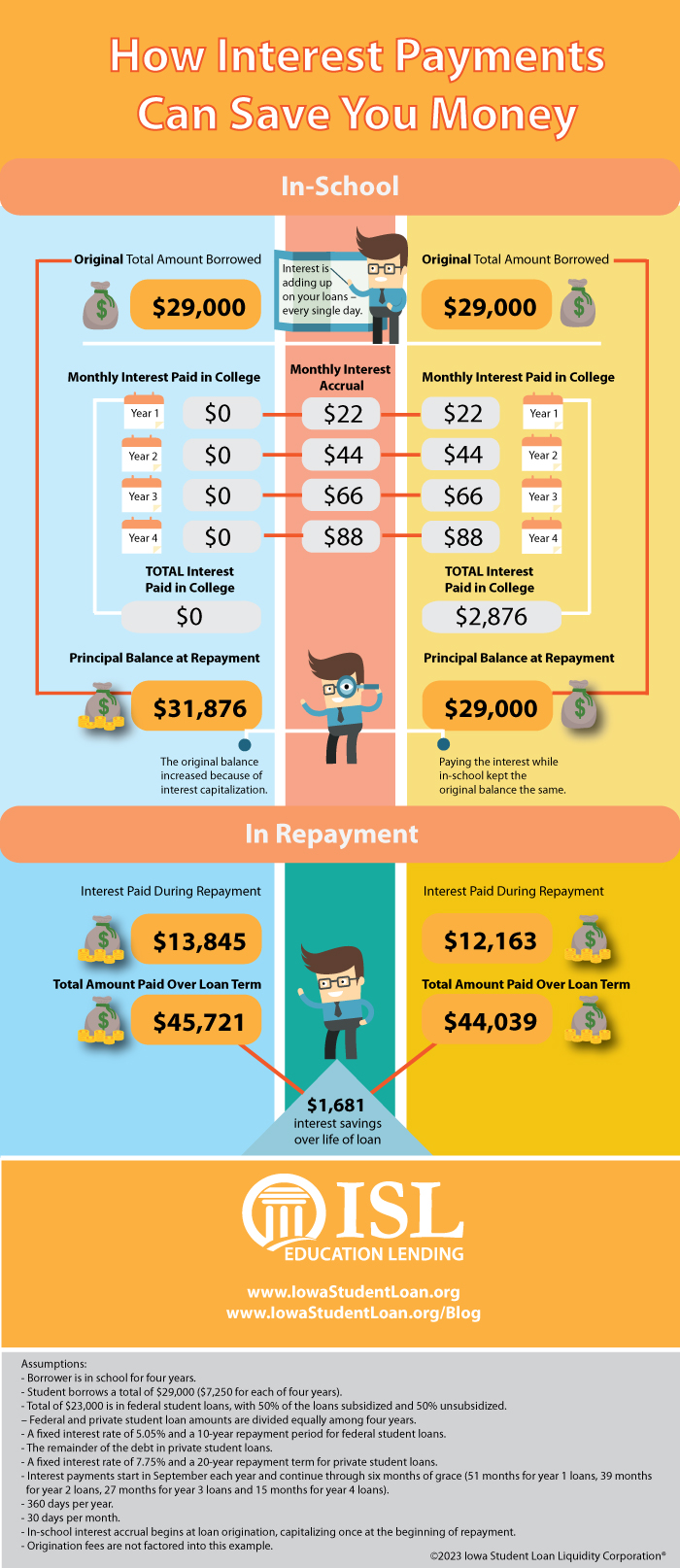
- Capitalized Interest: Unpaid interest that is added to your loan’s principal balance. This increases your total loan amount and means you’ll pay interest on a larger principal balance moving forward.
Navigating Federal Student Loan Repayment Options
Federal student loans offer a diverse range of repayment plans designed to accommodate various financial situations. Choosing the right plan is paramount to managing your debt sustainably.
Standard Repayment Plan
This is the default repayment plan for most federal student loans. You’ll make fixed monthly payments over a 10-year period. While it typically results in the lowest total interest paid, the monthly payments can be substantial depending on your loan balance.
Graduated Repayment Plan
Under this plan, your payments start out low and gradually increase, usually every two years, over a 10-year period. This plan is designed for borrowers whose incomes are expected to rise over time, making it easier to manage payments early on. However, you’ll pay more interest over the life of the loan compared to the Standard Plan.
Extended Repayment Plan
If you have more than $30,000 in federal student loans, you may qualify for an extended repayment plan. This plan allows you to make either fixed or graduated payments over a period of up to 25 years. While this significantly lowers your monthly payment, it also means you’ll pay substantially more in interest over the life of the loan.
Income-Driven Repayment (IDR) Plans
IDR plans are game-changers for many federal loan borrowers, especially those with high debt loads relative to their income. These plans cap your monthly payments at an amount affordable based on your income and family size. After a certain number of years (typically 20 or 25, depending on the plan) of qualifying payments, any remaining balance may be forgiven. The four main IDR plans are:
- Revised Pay As You Earn (REPAYE): Generally caps payments at 10% of your discretionary income.
- Pay As You Earn (PAYE): Caps payments at 10% of your discretionary income, but not more than what you’d pay under the Standard Plan.
- Income-Based Repayment (IBR): Caps payments at either 10% or 15% of your discretionary income, depending on when you took out your loans.
- Income-Contingent Repayment (ICR): Caps payments at 20% of your discretionary income or what you’d pay on a fixed 12-year payment plan, whichever is less.
IDR plans offer a crucial safety net, adjusting payments if your income decreases. However, it’s important to understand that forgiven amounts under IDR plans may be considered taxable income by the IRS.
Strategies for Managing Private Student Loan Payments
Private student loans, while lacking the extensive federal protections, still offer some avenues for management and relief. Proactive engagement with your lender is often the best strategy.
Contacting Your Lender
Unlike federal loans, private lenders have less standardization in their relief programs. If you anticipate difficulty making payments, contact your private loan servicer immediately. Many lenders prefer to work with borrowers to prevent default and may offer options such as:
- Temporary payment reductions.
- Short-term forbearance.
- Interest-only payments for a limited period.
- Changes to your repayment due date.
Don’t wait until you’ve missed payments; early communication significantly increases your chances of finding a workable solution.

Refinancing Private Loans
Refinancing private student loans can be a powerful strategy to lower your interest rate, reduce your monthly payment, or change your loan terms. When you refinance, a new private lender pays off your existing loans and issues you a new loan with new terms. This can be particularly beneficial if:
- Your credit score has significantly improved since you originally took out the loans.
- Interest rates have dropped since your initial loan origination.
- You want to consolidate multiple private loans into a single payment.
- You want to release a co-signer from the loan.
Be cautious when considering refinancing federal loans into a private loan, as you would lose all federal protections, including access to IDR plans and federal forgiveness programs. Refinancing is generally most advantageous for existing private loans.
Exploring Lender-Specific Relief Options
Beyond general refinancing, some private lenders offer specific programs or policies designed to help borrowers in distress. These could range from hardship programs to specific repayment adjustments. Research your specific lender’s website or speak directly with their customer service representatives to inquire about any unique options they might provide. While these are often not as robust or universally available as federal programs, they can offer crucial temporary relief.
Optimizing Your Payment Strategy and Financial Well-being
Beyond selecting a repayment plan, several strategies can help you optimize your payments, reduce overall costs, and integrate your student loans into a broader financial plan.
Setting Up Automatic Payments
One of the simplest yet most effective strategies is to enroll in automatic payments. Most loan servicers offer a slight interest rate reduction (typically 0.25%) for borrowers who set up auto-debit. Beyond the savings, automatic payments ensure you never miss a due date, preventing late fees and negative impacts on your credit score. It also streamlines your financial management by consistently allocating funds to your loans.
Making Extra Payments and the Avalanche vs. Snowball Method
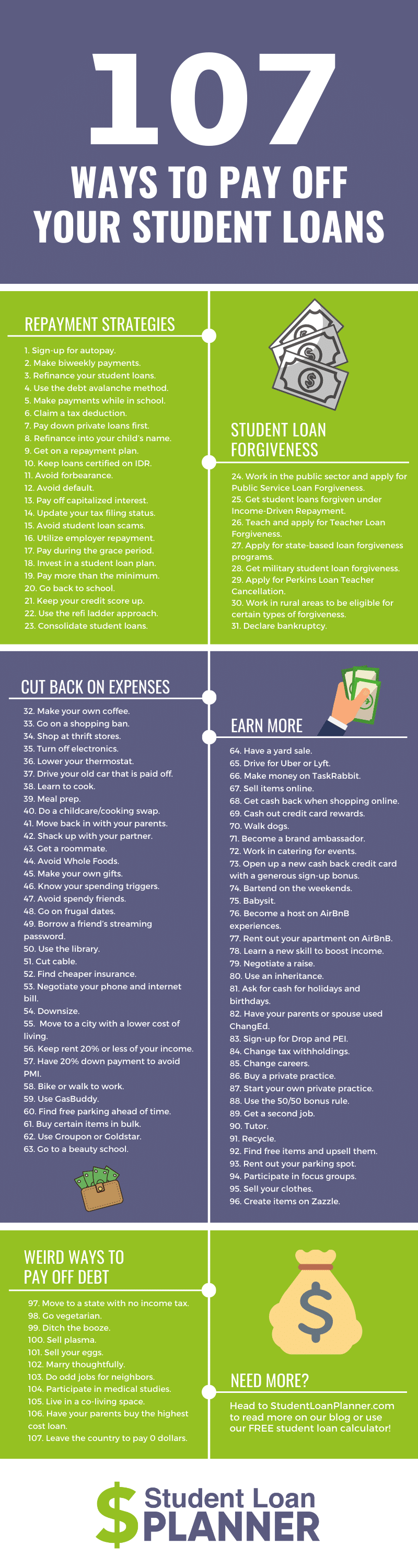
If your budget allows, making extra payments can significantly reduce the total interest you pay and shorten your repayment period. Even small additional payments can add up over time. When making extra payments, instruct your servicer to apply the additional funds to the principal balance of the loan with the highest interest rate.
For those with multiple loans, two popular strategies exist:
- Debt Avalanche: Focus on paying off the loan with the highest interest rate first, while making minimum payments on all others. Once the highest-interest loan is paid off, you roll that payment amount into the next highest-interest loan. This method saves you the most money on interest over time.
- Debt Snowball: Focus on paying off the loan with the smallest balance first, while making minimum payments on all others. Once the smallest loan is paid off, you roll that payment amount into the next smallest loan. This method provides psychological wins that can keep you motivated, though it may cost more in interest.
Choose the method that best aligns with your financial personality and goals.
Budgeting for Student Loan Payments
Your student loan payments should be an integral part of your overall budget. Create a comprehensive budget that tracks all your income and expenses. This will help you identify how much you can comfortably allocate to your loans each month and where you might be able to find extra funds for accelerated repayment. Tools like the 50/30/20 rule (50% needs, 30% wants, 20% savings/debt repayment) can be a helpful starting point, but tailor your budget to your unique financial situation.
Leveraging Financial Tools and Resources
A variety of financial tools and resources can aid in managing your student loans:
- Online Calculators: Use student loan calculators to compare different repayment plans, estimate total interest paid, and see how extra payments impact your loan.
- Budgeting Apps: Apps like Mint, YNAB (You Need A Budget), or Personal Capital can help you track spending, set budgets, and monitor your progress towards financial goals.
- Credit Counseling: Non-profit credit counseling agencies can provide personalized advice on debt management, including student loans, and help you create a realistic financial plan.
- Government Resources: StudentAid.gov is an invaluable resource for federal loan borrowers, offering detailed information on repayment plans, loan forgiveness, and other programs.
What to Do If You Can’t Afford Your Payments
Life happens, and sometimes, even with careful planning, you might find yourself struggling to make student loan payments. It’s crucial to act quickly and explore your options rather than simply missing payments, which can lead to default and severe financial consequences.
Deferment and Forbearance (Federal Loans)
As mentioned earlier, federal loans offer deferment and forbearance as temporary relief options.
- Deferment is generally preferable because interest may not accrue on subsidized federal loans during this period. Common reasons for deferment include being enrolled in school, unemployment, economic hardship, or military service.
- Forbearance allows you to stop or reduce payments for up to 12 months at a time, but interest accrues on all loan types during this period, potentially increasing your total debt. It’s often used as a last resort when deferment isn’t an option.
Always discuss the implications with your loan servicer before opting for either, as using these options extends your repayment period and can increase the total cost of your loan.
Loan Rehabilitation and Consolidation
If your federal student loans have already gone into default (typically after 270 days of missed payments), options like loan rehabilitation or consolidation become critical.
- Loan Rehabilitation: This involves making nine voluntary, reasonable, and affordable monthly payments within a 10-month period. Successful rehabilitation removes the default from your credit report and restores eligibility for federal student aid.
- Loan Consolidation (Direct Consolidation Loan): This allows you to combine multiple federal student loans into a single new loan with a single monthly payment. While it doesn’t necessarily lower your interest rate (it’s the weighted average of your previous loans), it can simplify repayment and make you eligible for certain IDR plans and loan forgiveness programs that you might not have qualified for previously. Importantly, consolidating defaulted loans can get them out of default and restore eligibility for federal benefits.
Seeking Professional Financial Advice
If your financial situation is complex, or you feel overwhelmed, consider seeking advice from a qualified non-profit credit counselor or financial advisor. They can offer unbiased guidance, help you assess your entire financial picture, and recommend strategies tailored to your unique circumstances. Organizations like the National Foundation for Credit Counseling (NFCC) can connect you with reputable services.
Conclusion
Successfully managing student loan payments is a cornerstone of building a robust financial future. It requires understanding the nuances of your loans, proactively engaging with your servicers, and strategically planning your repayment journey. By differentiating between federal and private loans, exploring the range of repayment plans, utilizing smart payment strategies, and knowing your options when financial difficulties arise, you can navigate your student debt with confidence. Remember, informed decisions and consistent effort are the keys to not only paying off your student loans but also fostering long-term financial health and well-being.
aViewFromTheCave is a participant in the Amazon Services LLC Associates Program, an affiliate advertising program designed to provide a means for sites to earn advertising fees by advertising and linking to Amazon.com. Amazon, the Amazon logo, AmazonSupply, and the AmazonSupply logo are trademarks of Amazon.com, Inc. or its affiliates. As an Amazon Associate we earn affiliate commissions from qualifying purchases.