
In the rapidly evolving landscape of digital finance, the bridge between online balances and real-world spending has become increasingly vital. For millions of users, PayPal is no longer just a checkout button on an e-commerce site; it is a comprehensive financial hub. One of the most significant tools in this ecosystem is the PayPal card. Whether you are a freelancer looking to access your earnings instantly, a small business owner managing overhead, or a consumer seeking a more integrated way to handle personal finances, understanding how to “make” or acquire a PayPal card is the first step toward achieving greater liquidity and financial control.
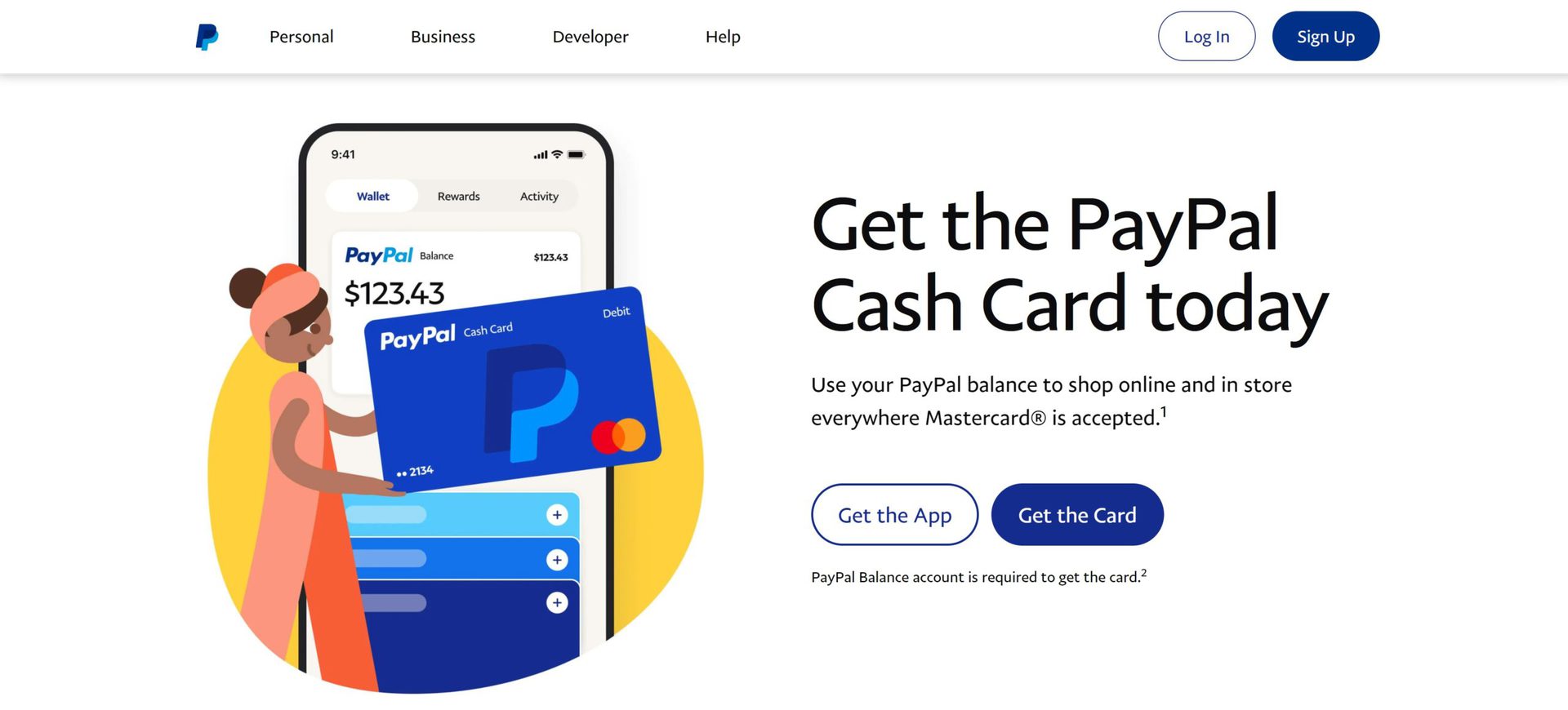
The process of obtaining a PayPal card—specifically the PayPal Debit Mastercard® or the PayPal Cashback Mastercard®—is a strategic move in personal and business finance. It transforms your digital wallet into a tangible financial instrument accepted at millions of locations worldwide. This guide explores the nuances of the PayPal card ecosystem, the application process, and how to leverage these tools to maximize your financial efficiency.
1. Understanding the PayPal Card Ecosystem: Which Card Fits Your Financial Strategy?
Before beginning the application process, it is essential to identify which PayPal card aligns with your specific financial goals. PayPal offers several distinct products, each designed for different types of users within the “Money” niche.
The PayPal Debit Mastercard (Personal)
The PayPal Debit Mastercard is the most common choice for individual users. It links directly to your PayPal Balance account, allowing you to spend your digital funds at physical retail locations or withdraw cash from ATMs. The primary financial advantage here is “instant liquidity.” Instead of waiting 1–3 business days for a bank transfer, your money is ready to use the moment it hits your PayPal account.
The PayPal Business Debit Mastercard
For entrepreneurs and freelancers, this card is a cornerstone of business finance. It offers similar functionality to the personal debit card but often includes additional perks, such as a percentage of cash back on eligible spend. It serves as an excellent tool for separating personal and business expenses, which is critical for tax preparation and cash flow analysis.
The PayPal Cashback Mastercard (Credit)
Unlike the debit options, this is a traditional credit card. From a personal finance perspective, this card is a powerful tool for rewards optimization. It typically offers a high percentage of cash back on all purchases made through PayPal and a standard rate for other transactions. For those with a disciplined approach to credit, this card can generate significant passive income through its rewards structure.
2. A Step-by-Step Guide to Applying for Your PayPal Card
The process of “making” a PayPal card is essentially an application and verification process. Because PayPal is a regulated financial entity, they must adhere to “Know Your Customer” (KYC) laws, which ensure the security of the financial system.
Establishing Eligibility and Verification
To qualify for any PayPal card, your account must be in good standing. This means having a verified identity, which usually involves providing your Social Security Number (SSN), a confirmed physical address (not a P.O. Box), and a verified phone number. In the world of personal finance, a verified account is your first line of defense against fraud and is the prerequisite for accessing higher-tier financial products.
Navigating the Application Interface
To start the process, log into your PayPal account via a desktop browser or the mobile app. Navigate to the “Finances” or “Pay & Get Paid” tab. From there, select “Cards.” You will be presented with the available options based on your account type (Personal vs. Business).
The application itself is streamlined. You will confirm your legal name and shipping address. For the credit-based options, PayPal’s partner bank (Synchrony Bank) will perform a credit inquiry. For the debit options, there is typically no credit check involved, making it an accessible financial tool for those looking to manage their existing funds without taking on debt.
Activation and Initial Setup
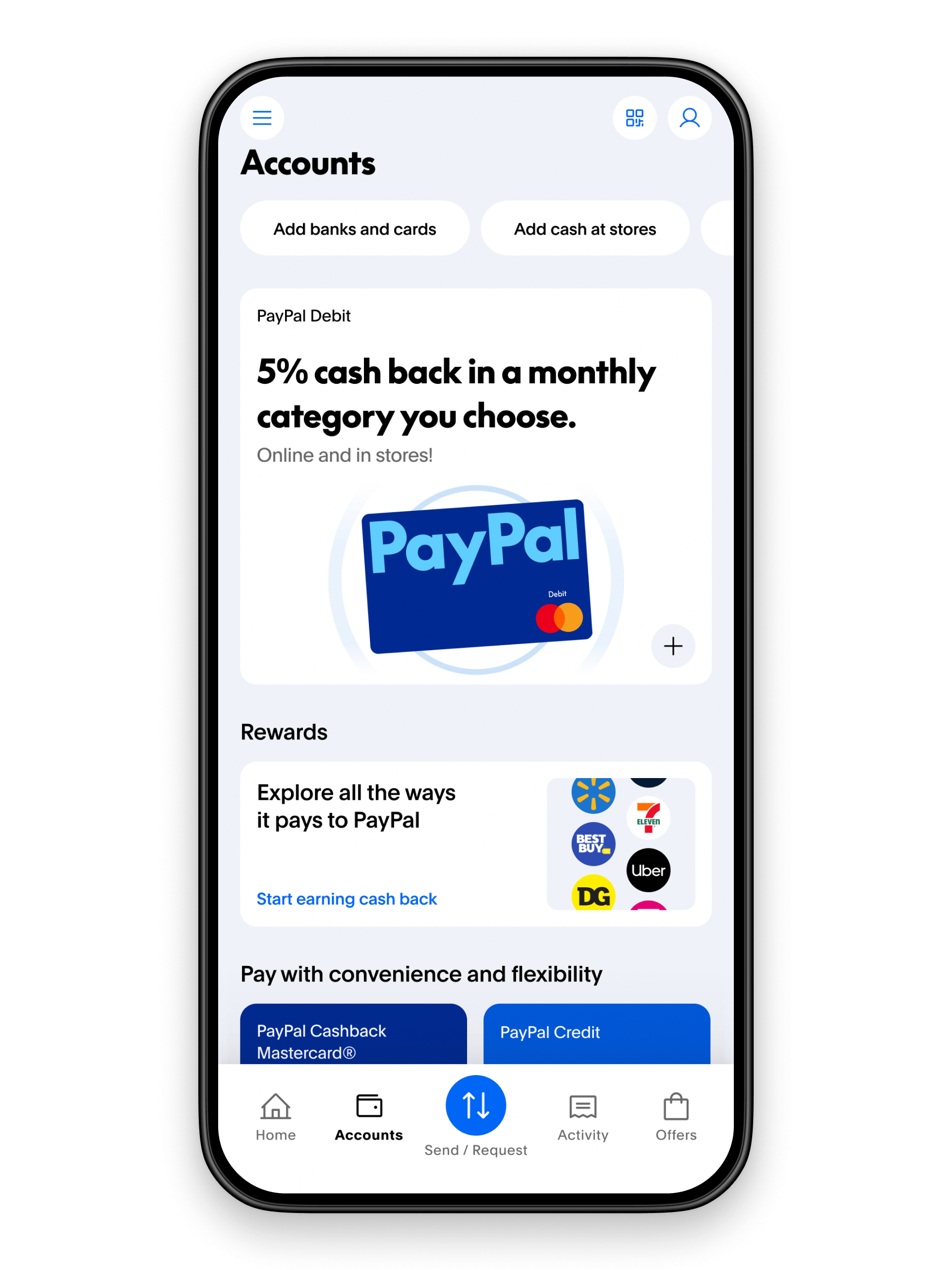
Once your card arrives in the mail (usually within 7–10 business days), the final step in “making” the card functional is activation. This is done through the app or a dedicated URL provided with the card. During activation, you will set a 4-digit PIN. Pro-tip for financial security: avoid using easily guessable numbers like birth years or sequential digits. Once activated, you can immediately add the card to digital wallets like Apple Pay or Google Pay for contactless transactions.
3. Maximizing Your Card for Personal and Business Finance
Owning the card is only the beginning. To truly benefit from this financial tool, you must integrate it into a broader strategy of money management and expense tracking.
Streamlining Business Expenses and Liquidity
For freelancers and small business owners, the PayPal Business Debit Mastercard is a game-changer for cash flow. When a client pays an invoice, the funds are immediately accessible via the card. This allows for the “real-time” payment of business overhead—such as software subscriptions, shipping costs, or inventory—without dipping into personal savings or waiting for bank clearances. From a business finance perspective, this reduces the “cash conversion cycle,” allowing your money to work faster for you.
Leveraging Rewards and Cashback Strategies
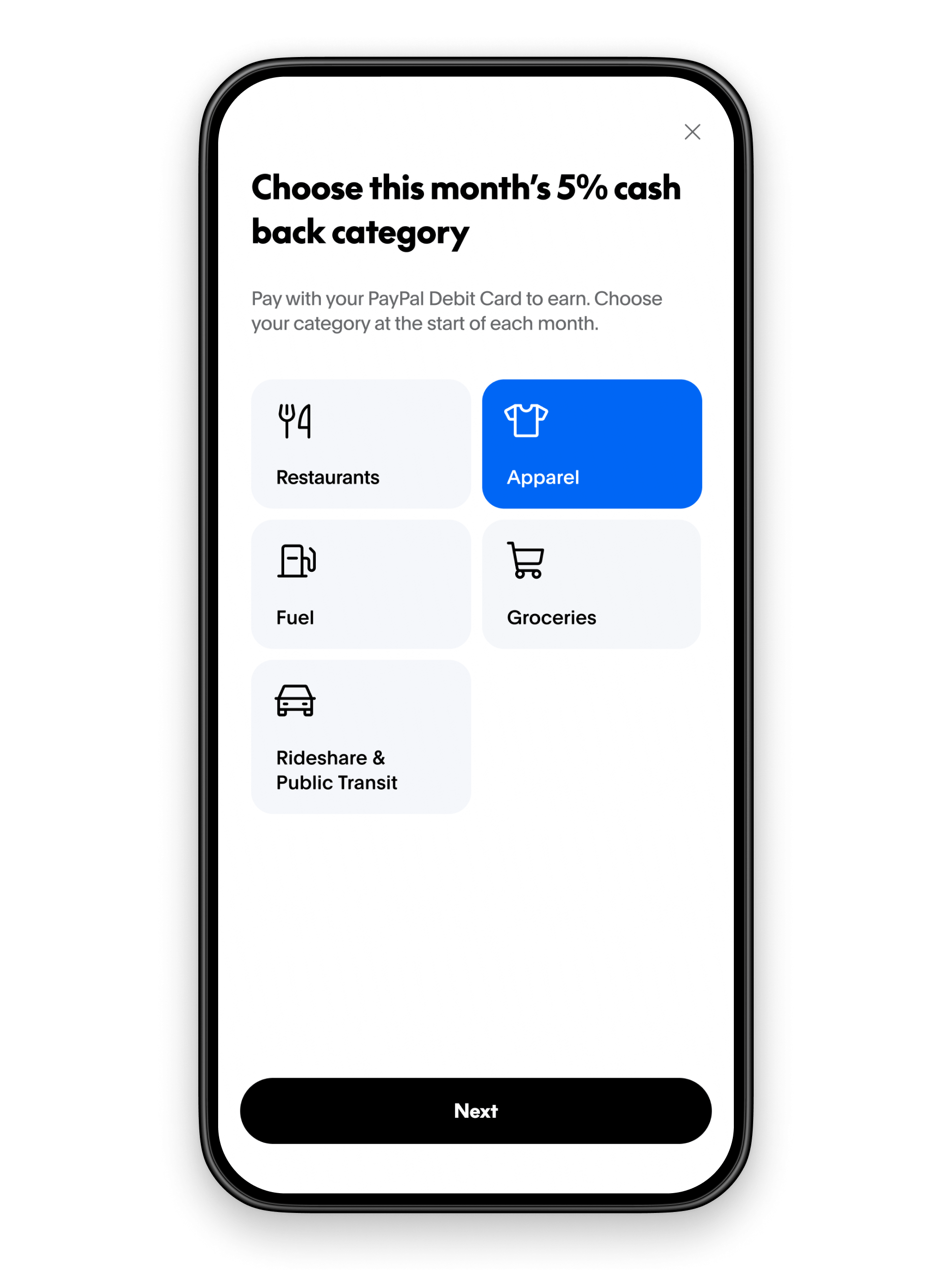
If you utilize the PayPal Cashback Mastercard or the Business Debit card (which often offers 1% cash back on “non-PIN” purchases), you can turn your necessary spending into a source of revenue. By routing your monthly bills—utility payments, insurance, and groceries—through a rewards-bearing PayPal card, you can accumulate a significant balance over a year. This “found money” can then be reinvested into a high-yield savings account or used to offset future business expenses.
Enhancing Budgetary Discipline
A PayPal Debit card can also serve as a “budgeting envelope.” By keeping only a specific amount of discretionary income in your PayPal balance and using that card for non-essential spending (like dining out or entertainment), you create a natural barrier to overspending. Unlike a traditional bank account where your mortgage and grocery money are co-mingled, your PayPal card balance can act as a dedicated “spending fund.”
4. Security and Financial Protection in the Digital Age
In the niche of money and finance, security is paramount. A card is only useful if the funds it accesses are protected from unauthorized use.
Fraud Protection and Purchase Security
PayPal cards come with robust security features, including Mastercard’s “Zero Liability” protection. If your card is lost or stolen, you are typically not held responsible for unauthorized transactions, provided you report them promptly. Furthermore, because the card is tied to the PayPal ecosystem, you benefit from their advanced encryption and 24/7 transaction monitoring. This makes it a safer alternative to carrying large amounts of cash or using cards from smaller, less technologically advanced institutions.
Real-Time Controls and Management
One of the most powerful financial tools within the PayPal app is the ability to manage your card’s status instantly. If you misplace your card, you can “freeze” it immediately from your smartphone, preventing any transactions. Once found, you can unfreeze it just as easily. This level of control is essential for modern personal finance management, providing peace of mind and reducing the administrative headache often associated with lost plastic.
Data Privacy and Secure Transactions
When you use a PayPal card, your primary bank account information remains insulated. If you are shopping at a new or unfamiliar merchant, using your PayPal card adds a layer of separation between the merchant and your main stash of capital at your primary bank. In the event of a merchant data breach, your primary banking credentials remain untouched, protecting your core financial stability.
Conclusion: The PayPal Card as a Pillar of Modern Finance
“Making” a PayPal card is more than just a technical process of filling out an online form; it is a strategic decision to enhance your financial mobility. By choosing the right card, following the proper verification steps, and integrating the card into a disciplined spending and rewards strategy, you bridge the gap between digital earnings and physical spending.
In the world of personal and business finance, tools that provide instant access, rewards, and security are invaluable. The PayPal card offers all three, making it an essential component for anyone looking to optimize their money management in the 21st century. Whether you are scaling a business or simply looking for a smarter way to handle your daily expenses, the PayPal card represents a sophisticated evolution of the traditional wallet.
aViewFromTheCave is a participant in the Amazon Services LLC Associates Program, an affiliate advertising program designed to provide a means for sites to earn advertising fees by advertising and linking to Amazon.com. Amazon, the Amazon logo, AmazonSupply, and the AmazonSupply logo are trademarks of Amazon.com, Inc. or its affiliates. As an Amazon Associate we earn affiliate commissions from qualifying purchases.