
In an increasingly demanding world where the traditional 9-to-5 often feels like a constant race against time, the concept of passive income has emerged as a beacon of hope for many seeking financial independence and greater personal freedom. Passive money, at its core, is income that continues to be generated with minimal ongoing effort after the initial work or investment has been made. It’s not about getting rich quick, but rather about strategically building assets or systems that produce cash flow over time, liberating you from the direct correlation between hours worked and money earned.

The allure of passive income stems from its potential to provide financial security, supplement an existing salary, or even replace it entirely, allowing individuals to pursue passions, travel, or simply enjoy more leisure time. This article will delve into the diverse world of passive income streams, offering insights into various avenues, the commitment required, and strategies for building a robust and sustainable portfolio of wealth-generating assets.
Understanding the Foundations of Passive Income
Before diving into specific strategies, it’s crucial to establish a clear understanding of what passive income truly entails, distinguishing it from misconceptions and unrealistic expectations. True passive income almost always requires an upfront investment of either time, money, or both. The “passive” aspect refers to the ongoing effort, not the initial setup.
The Spectrum of Active vs. Passive Income
Traditionally, income is classified as either active or passive. Active income is what most people earn: wages, salaries, commissions, or income from a business where you are actively involved in operations. If you stop working, the income stops.
Passive income, on the other hand, aims to break this direct link. Think of rental income from properties, royalties from books or music, dividends from stocks, or profits from a fully automated online business. While these sources often demand significant effort or capital to establish, they require considerably less day-to-day management once operational. It’s a spectrum, not a binary. Some passive income streams might require occasional maintenance, while others are almost entirely hands-off. The goal is to maximize the “set it and forget it” aspect as much as possible, or at least minimize the “active” component to a few hours a month.
The Initial Investment: Time, Money, or Expertise
No genuine passive income stream materializes out of thin air. There’s always an initial investment required, which typically falls into one or more categories:
- Time: Creating digital products like e-books, online courses, or YouTube content requires considerable time for research, development, and marketing. Building a blog that generates affiliate income or ad revenue is a long-term commitment.
- Money: Investing in dividend-paying stocks, real estate, peer-to-peer lending, or setting up a vending machine business requires capital. The more capital you invest, often the faster and larger the passive returns can be.
- Expertise/Skills: Leveraging specific knowledge to create high-value content, software, or specialized services can be a powerful driver of passive income. This expertise might be gained through years of active work, which then transitions into a passive revenue stream.
Understanding this upfront commitment is vital to setting realistic expectations and choosing a passive income strategy that aligns with your current resources and long-term goals.
Debunking the “Get Rich Quick” Myth
The phrase “passive income” is often mistakenly associated with “get rich quick” schemes. This is a dangerous misconception. Sustainable passive income is almost invariably the result of strategic planning, disciplined effort (initially), and often a good deal of patience. Be wary of any proposition that promises substantial returns with no effort, no risk, and no initial investment. These are usually scams. True passive income builds wealth incrementally and systematically, providing financial resilience rather than instant riches.
Digital Passive Income Streams
The digital age has opened up an unprecedented array of opportunities for generating passive income. Leveraging technology and online platforms, individuals can create assets that generate revenue 24/7, reaching global audiences with minimal geographical constraints.
Content Creation and Monetization
One of the most popular and accessible pathways to passive income involves creating valuable digital content. This often requires significant upfront time and effort but can yield substantial long-term returns.
- Blogging and Niche Websites: Building a blog around a specific niche and consistently publishing high-quality content can attract an audience. Monetization strategies include display advertising (e.g., Google AdSense), affiliate marketing (promoting products and earning a commission), selling your own digital products (e.g., e-books, templates), or offering premium content subscriptions. Once content is live, it can continue to attract traffic and generate income for years.
- YouTube Channels: Similar to blogging, creating video content on YouTube around a particular topic can lead to ad revenue (via the YouTube Partner Program), sponsorships, and affiliate commissions. Successful channels often require a consistent upload schedule, good production quality, and engagement with the audience.
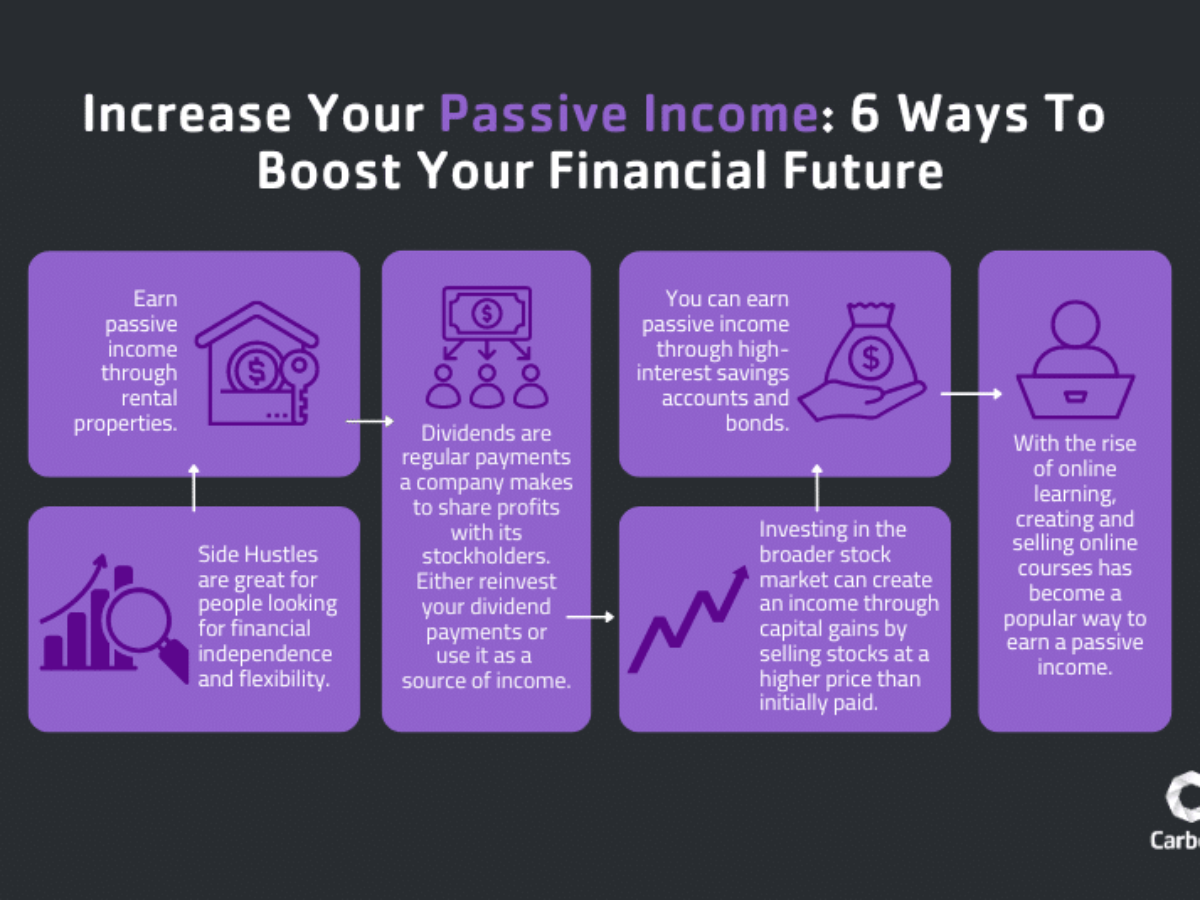
- Online Courses and E-books: If you possess expertise in a particular area, packaging that knowledge into an online course (e.g., on platforms like Udemy, Teachable, or Skillshare) or an e-book (e.g., via Amazon Kindle Direct Publishing) can create a robust passive income stream. After the initial creation and marketing push, sales can continue with minimal intervention.
- Stock Photography, Videos, and Audio: Creative individuals can upload high-quality photographs, video clips, or audio tracks to stock media websites (e.g., Shutterstock, Adobe Stock, Getty Images). Each time someone licenses your content, you earn a royalty. This is a classic “create once, sell infinitely” model.
Affiliate Marketing
Affiliate marketing involves promoting other companies’ products or services and earning a commission for every sale or lead generated through your unique affiliate link. This can be integrated into blogs, YouTube channels, social media, or dedicated review sites. The passive aspect comes from the fact that once your content promoting the product is live (e.g., a blog post review or a YouTube tutorial), it continues to drive traffic and potential sales without further active promotion on your part, as long as the content remains relevant and discoverable. Selecting reputable products and being transparent about affiliate relationships are key to building trust and long-term success.
Digital Products and Software as a Service (SaaS)
For those with technical skills, creating digital products or even a niche Software as a Service (SaaS) can be highly lucrative. This includes:
- Templates and Tools: Selling pre-designed templates (e.g., for Notion, Canva, websites), plugins, or small software utilities that solve a specific problem.
- Subscription Services (SaaS): Developing a software application that users pay a recurring subscription for. While this often requires ongoing development and customer support, if automated sufficiently, it can be highly passive, especially in the early stages or for simpler applications.
The beauty of digital products is their scalability – once created, they can be sold an infinite number of times without depleting inventory.
Investment-Based Passive Income
For individuals with capital to invest, traditional financial markets and real assets offer well-established pathways to passive income. These strategies often require less direct ongoing effort than content creation but come with their own set of risks and rewards.
Dividend Stocks and Real Estate Investment Trusts (REITs)
Investing in dividend-paying stocks or Real Estate Investment Trusts (REITs) is a classic strategy for generating passive income.

- Dividend Stocks: These are shares of profitable companies that distribute a portion of their earnings to shareholders as dividends. By investing in a diversified portfolio of stable, dividend-paying companies, you can receive regular income (quarterly or monthly) simply for holding the shares. The value of the underlying stock may fluctuate, but the dividend payments provide a consistent cash flow.
- REITs: REITs are companies that own, operate, or finance income-producing real estate. They are legally required to distribute a significant percentage (usually 90%) of their taxable income to shareholders annually, making them attractive for income investors seeking exposure to real estate without the direct management of physical properties.
Both options offer liquidity (especially dividend stocks) and can be managed through a brokerage account with minimal active involvement.
Peer-to-Peer (P2P) Lending
P2P lending platforms connect individual borrowers with individual lenders, often bypassing traditional banks. As a lender, you can invest in a diverse portfolio of loans, earning interest on your principal. While the returns can be attractive, it’s essential to understand the risks involved, including borrower default. Diversification across many small loans is crucial to mitigate this risk. Once funds are invested, the income arrives passively as borrowers make their monthly payments.
High-Yield Savings Accounts and Certificates of Deposit (CDs)
While offering lower returns than stocks or P2P lending, high-yield savings accounts and Certificates of Deposit (CDs) provide a very low-risk way to earn passive interest on your cash. These are ideal for emergency funds or money you need to keep highly liquid, as the principal is typically FDIC-insured up to certain limits. While not “get rich” strategies, they provide reliable, albeit modest, passive income.
Rental Properties (Real Estate)
Owning rental properties is a time-honored method of generating passive income. This can range from long-term residential rentals to short-term vacation rentals (e.g., Airbnb). While the income can be substantial, it often requires significant upfront capital (for down payment and renovations) and can demand some active management (tenant screening, maintenance, repairs) unless you hire a property management company. Hiring a manager makes it more truly passive but reduces your net income. Strategic property selection and thorough due diligence are critical for success.
Automation & Business Focused Passive Income
Beyond digital content and traditional investments, certain business models can be structured to generate passive income through automation and delegated operations. These often require significant upfront capital and/or business acumen but can be highly rewarding.
Vending Machines and Kiosks
Investing in a network of vending machines (for snacks, drinks, coffee, or even more specialized products) or interactive kiosks (e.g., photo booths, arcade games) can be a relatively hands-off business. Once purchased and placed in high-traffic locations, they generate revenue with each sale. The “passive” element comes after the initial setup, requiring only periodic restocking, maintenance, and cash collection. The key is securing prime locations and offering desirable products.
Laundromats and Self-Service Businesses
Laundromats are a classic example of a self-service business that can generate significant passive income. Customers operate the machines themselves, and the business typically requires minimal staffing. Similar models include car washes or storage units. These businesses require substantial initial capital for equipment and property, but once established, they can operate with relatively low overhead and minimal active management, especially if you have reliable staff for cleaning and minor repairs.
Licensing Intellectual Property
If you’ve created something unique – a piece of music, a photograph, a design, or even a patentable invention – you can license its use to others for a fee or royalty. This allows you to earn income each time your intellectual property is used without you having to actively sell or reproduce it yourself. This is the epitome of “create once, earn repeatedly,” and can be highly passive once the licensing agreement is in place.
Strategies for Building a Sustainable Passive Income Portfolio
Building passive income streams isn’t a one-time event; it’s a strategic, ongoing process that benefits from careful planning and adaptability.
Start Small, Think Big
Don’t feel overwhelmed by the vast array of options. Begin with one or two passive income streams that align with your current resources, skills, and interests. Perhaps start with a small investment in dividend stocks, or begin building a niche blog in your spare time. As you gain experience and generate initial income, you can gradually scale up, reinvest earnings, and diversify into other areas. The compounding effect of small, consistent efforts is incredibly powerful over time.
Diversification is Key
Just as with any investment portfolio, diversification is crucial for passive income. Relying on a single stream exposes you to significant risk if that source falters. A diversified portfolio might include a mix of digital products, dividend investments, and a small rental property, for example. This spreads risk and ensures that if one income stream underperforms, others can compensate.
Reinvesting Your Earnings
To accelerate your journey to financial independence, consider reinvesting a portion or all of your passive income back into your ventures. This might mean buying more dividend stocks, investing in additional content creation, or saving up for another rental property. Reinvestment allows for compounding growth, significantly increasing your future earnings potential.
Continuous Learning and Adaptation
The world of passive income, especially digital passive income, is constantly evolving. New platforms emerge, algorithms change, and market demands shift. To maintain and grow your passive income, it’s essential to stay informed, adapt your strategies, and continuously learn new skills. This might involve refining your content creation techniques, exploring new investment vehicles, or optimizing your online business operations.
The Importance of Maintenance
While the goal of passive income is minimal ongoing effort, “minimal” does not mean “zero.” Even the most passive streams require some level of maintenance. This could be checking on your investments, updating old blog posts, responding to customer inquiries for your digital products, or performing routine maintenance on a vending machine. Neglecting these small tasks can lead to a decline in your passive income. Plan for periodic reviews and interventions to ensure your income generators remain robust.
Conclusion
The pursuit of passive income is a journey towards greater financial freedom and autonomy. It requires foresight, discipline, and often an initial commitment of time or capital, but the rewards can be transformative. By understanding the distinction between active and passive income, debunking “get rich quick” myths, and strategically building a diversified portfolio of income-generating assets, anyone can begin to construct a future where money works for them, rather than the other way around. Whether through digital creations, smart investments, or automated business models, the path to making passive money is accessible to those willing to learn, adapt, and patiently cultivate their financial garden. Start today, be persistent, and watch your seeds of effort blossom into sustainable income streams.
aViewFromTheCave is a participant in the Amazon Services LLC Associates Program, an affiliate advertising program designed to provide a means for sites to earn advertising fees by advertising and linking to Amazon.com. Amazon, the Amazon logo, AmazonSupply, and the AmazonSupply logo are trademarks of Amazon.com, Inc. or its affiliates. As an Amazon Associate we earn affiliate commissions from qualifying purchases.