
In an era defined by digital transformation, the allure of establishing an online business has never been stronger. The internet offers an unprecedented landscape of opportunity, enabling entrepreneurs to reach global audiences, operate with lean overheads, and achieve financial independence without the traditional constraints of physical storefronts. Whether you dream of supplementing your income, escaping the 9-to-5 grind, or building a scalable empire, the pathway to a thriving online business begins with strategic planning, relentless execution, and a deep understanding of digital economics. This guide will walk you through the essential steps, from conceptualization to sustained profitability, ensuring your venture is built on a solid financial foundation.
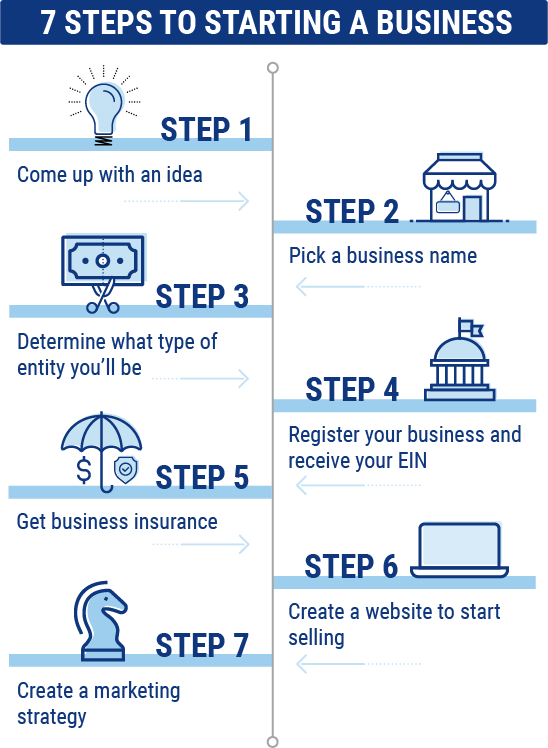
Laying the Foundation: Strategic Planning for Online Success
The journey to a profitable online business begins long before a website is launched or a product is sold. It requires meticulous planning, market insight, and a clear vision of how your venture will generate revenue and sustain itself.
Identifying Your Niche and Market Demand
The first critical step is to pinpoint a niche—a specific segment of a larger market with unmet needs or desires. Success often lies in specialization, serving a particular audience better than anyone else. This isn’t just about passion; it’s about identifying a confluence of personal interest and market demand.
- Passion vs. Profit: Finding the Sweet Spot: While passion can fuel your motivation, a sustainable business must solve a problem or fulfill a need that people are willing to pay for. Research tools like Google Trends, Amazon bestsellers, and social media analytics can reveal burgeoning interests and underserved markets. Look for pain points, questions people are asking, or gaps in existing solutions.
- Market Research: Tools and Techniques: Dive deep into understanding your potential customers. Who are they? What are their demographics, psychographics, and purchasing habits? Competitor analysis is equally vital; what are other businesses doing well, and where are they falling short? Keyword research, focusing on high-intent search terms, can uncover profitable niches and content opportunities. This data-driven approach minimizes risk and maximizes the potential for financial returns.
- Solving a Problem: The Core of a Successful Business: At its heart, every successful business provides value by solving a problem or enhancing a customer’s life. Whether it’s convenience, education, entertainment, or a tangible product, clearly articulating the problem you solve will define your value proposition and attract your target audience.
Business Model Selection and Monetization Strategies
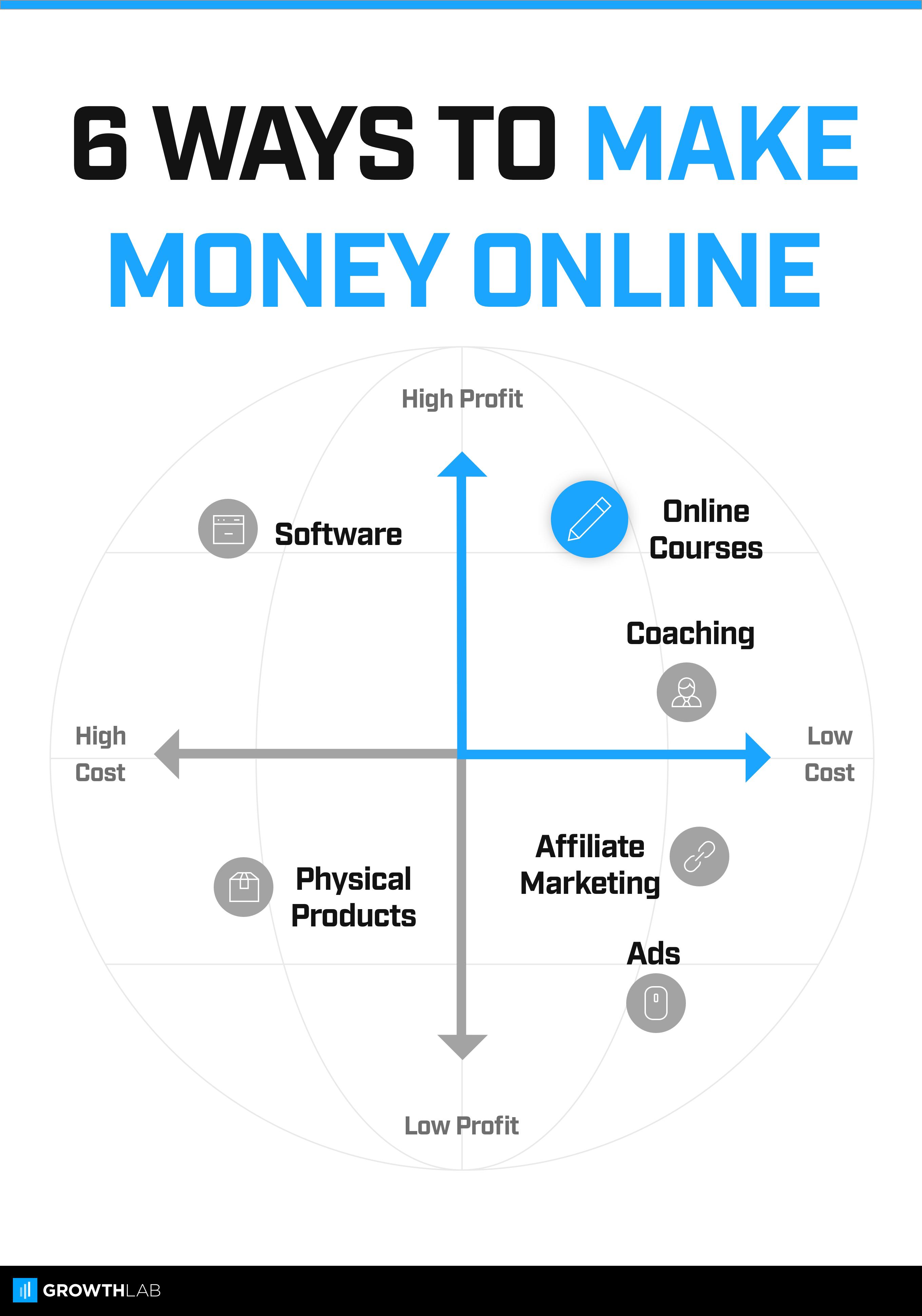
Once your niche is defined, the next step is to choose a business model that aligns with your offering and financial goals. The online world offers a diverse range of monetization pathways.
- E-commerce (Physical Products): This traditional model involves selling tangible goods. Options include:
- Dropshipping: Selling products directly from a third-party supplier to the customer, eliminating the need for inventory management. It offers low startup costs but typically lower margins.
- Print-on-Demand (POD): Creating custom designs for products like t-shirts, mugs, or books, which are printed and shipped only after an order is placed.
- Traditional Inventory: Purchasing and storing products yourself, offering higher control over branding and customer experience, but requiring more capital.
- Digital Products: These have high-profit margins due to zero replication costs. Examples include:
- Ebooks and Courses: Sharing expertise through educational content.
- Templates and Software-as-a-Service (SaaS): Providing tools that solve specific problems for businesses or individuals.
- Service-Based Businesses: Leveraging your skills and time to provide value.
- Consulting and Coaching: Offering expert advice in a specific domain.
- Freelancing: Providing services like writing, graphic design, web development, virtual assistance, or digital marketing to clients.
- Affiliate Marketing: Promoting other companies’ products and earning a commission on sales generated through your unique referral link. This model requires building an audience and trust.
- Advertising/Content Monetization: Generating revenue through ads displayed on a blog, YouTube channel, or podcast, often tied to audience size and engagement.
Financial Planning and Legalities
A robust financial plan is the backbone of any profitable venture. Neglecting this aspect can lead to unforeseen expenses and undermine long-term viability.
- Startup Costs and Budgeting: Meticulously estimate initial expenses (website hosting, domain, software subscriptions, product development, initial marketing) and ongoing operational costs. Create a realistic budget and track every dollar to ensure financial discipline.
- Pricing Strategies: Your pricing must reflect your value, cover your costs, and generate a healthy profit margin. Consider value-based pricing, competitive pricing, or cost-plus pricing. Factor in perceived value and what the market will bear.
- Understanding Taxes and Legal Structures: Research the legal requirements for operating a business in your region. Decide on a legal structure (sole proprietor, LLC, corporation) which impacts liability and taxation. Understand your tax obligations from the outset; allocate funds for sales tax, income tax, and potential self-employment taxes.
- Payment Processing Solutions: Choose reliable and secure payment gateways (e.g., Stripe, PayPal, Square) that cater to your target market and business model. Understand their fees and integration capabilities.
Building Your Digital Presence and Product Offering
With a solid strategy in place, the next phase involves bringing your online business to life, developing your product or service, and establishing your digital storefront.
Crafting Your Product/Service and Value Proposition
The quality of your offering is paramount. It’s what differentiates you and keeps customers coming back.
- Product Development Lifecycle: Whether physical or digital, systematically develop your offering. For physical products, this involves sourcing, manufacturing, and quality control. For digital products, it means content creation, design, and beta testing.
- Defining Your Unique Selling Proposition (USP): What makes your product or service unique and superior to competitors? Your USP should be clear, compelling, and resonate with your target audience. It’s the reason customers choose you.
- Quality Assurance and Customer Satisfaction: Consistency and quality build trust and reputation. Implement rigorous quality assurance processes. Post-purchase follow-up and responsive customer service are crucial for fostering loyalty and generating positive reviews, which are invaluable for future sales.
Essential Online Platforms and Tools
The digital ecosystem is rich with tools designed to facilitate online business operations. Choosing the right ones is crucial for efficiency and scalability.
- Website Builders: A professional online presence is non-negotiable.
- Shopify: Excellent for e-commerce, offering robust features for product management, sales, and marketing.
- WordPress (with WooCommerce): Highly flexible and scalable, ideal for content-rich sites with e-commerce functionality. Requires more technical setup.
- Squarespace/Wix: User-friendly, design-focused platforms suitable for service businesses or smaller product catalogs.
- E-commerce Platforms: Beyond website builders, consider specialized platforms like Etsy for handmade goods or Amazon FBA (Fulfillment by Amazon) for leveraging Amazon’s logistics.
- Email Marketing Software: Essential for building customer relationships, nurturing leads, and driving repeat sales. Tools like Mailchimp, ConvertKit, and ActiveCampaign offer automation, segmentation, and analytics.
- Project Management and Communication Tools: For managing tasks and collaborating, especially if you plan to outsource or hire. Slack, Asana, Trello, and Monday.com are popular choices.
- CRM Systems (Customer Relationship Management): As your business grows, a CRM (e.g., HubSpot, Salesforce) helps manage customer interactions, track sales leads, and improve customer service, directly impacting long-term profitability.
Driving Growth: Marketing, Sales, and Scaling for Profit
Having a great product or service is only half the battle; people need to know about it. Effective marketing and sales strategies are critical to generating revenue and achieving financial growth.
Effective Digital Marketing Strategies for Online Income
Marketing in the digital age is dynamic and multi-faceted. Focus on strategies that offer measurable returns on investment (ROI).
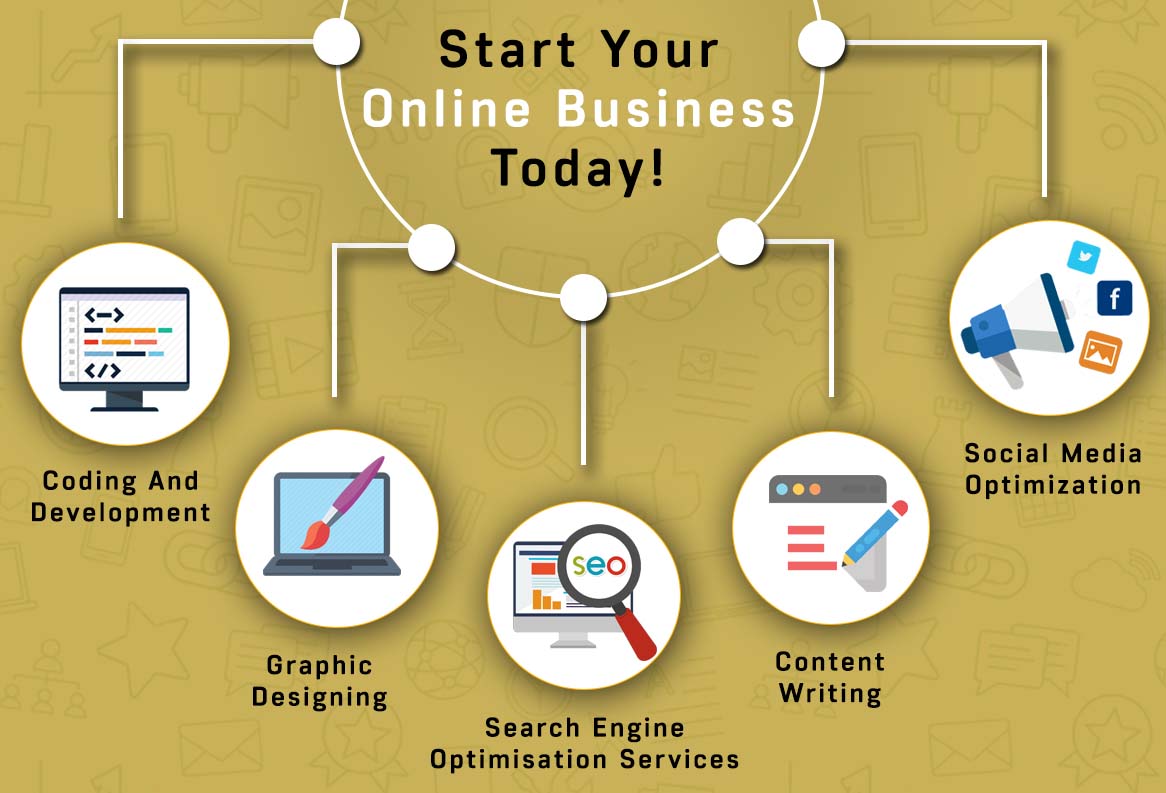
- Content Marketing: Create valuable, relevant content (blog posts, videos, podcasts, infographics) that attracts and engages your target audience. This builds authority and trust, driving organic traffic.
- SEO Optimization: Optimize your content and website for search engines to rank higher in search results, increasing visibility and attracting organic (free) traffic.
- Social Media Marketing: Identify platforms where your target audience spends their time (Facebook, Instagram, LinkedIn, TikTok, Pinterest). Engage authentically, provide value, and build community.
- Paid Social Media Ads: Targeted advertising on platforms like Facebook/Instagram Ads can reach highly specific demographics and drive immediate traffic and sales.
- Search Engine Optimization (SEO): A long-term strategy to improve your website’s visibility on search engines. This includes on-page SEO (keywords, content), off-page SEO (backlinks), and technical SEO (site speed, mobile-friendliness). High organic rankings translate to consistent, free traffic.
- Paid Advertising (PPC): Google Ads and other pay-per-click platforms offer immediate visibility. Carefully manage your ad spend and monitor conversion rates to ensure profitability.
- Email Marketing Funnels: Develop automated email sequences for lead generation (e.g., offering a free ebook in exchange for an email), nurturing leads with valuable content, and converting them into paying customers through promotions and exclusive offers.
Conversion Optimization and Sales Funnels
Getting visitors to your site is one thing; converting them into paying customers is another. This requires optimizing the entire customer journey.
- Website Design for Conversion: Your website should be intuitive, fast, mobile-responsive, and visually appealing. Clear navigation, compelling imagery, and easy checkout processes are vital.
- Landing Pages and Call-to-Actions (CTAs): Design dedicated landing pages for marketing campaigns with a single, clear purpose and strong CTAs that guide visitors toward the desired action (e.g., “Buy Now,” “Sign Up,” “Download Free Guide”).
- A/B Testing for Continuous Improvement: Experiment with different headlines, images, CTAs, and page layouts to determine what resonates best with your audience and drives higher conversion rates.
- Building Trust and Credibility: Online businesses thrive on trust. Display customer testimonials, reviews, security badges, and clear privacy policies prominently. Offering guarantees can also reduce perceived risk.
Measuring Performance and Scaling Your Business
To ensure financial growth, you must continuously monitor your performance and identify opportunities for scaling.
- Key Performance Indicators (KPIs): Track metrics like revenue, profit margin, customer acquisition cost (CAC), customer lifetime value (CLV), conversion rates, and website traffic. These KPIs provide a clear picture of your business’s health.
- Analytics Tools: Google Analytics is indispensable for understanding website visitor behavior, traffic sources, and conversion paths. E-commerce platforms also provide robust sales and inventory analytics.
- Strategies for Expansion: Once profitable, consider scaling strategies: launching new products or services, expanding into new markets, implementing automation to reduce manual tasks, or outsourcing non-core functions to free up your time for strategic initiatives.
Navigating Challenges and Sustaining Long-Term Success
Building a profitable online business is not without its hurdles. Resilience, adaptability, and a commitment to continuous improvement are essential for long-term financial stability.
Overcoming Common Online Business Hurdles
Anticipating and preparing for common challenges can save you time, money, and stress.
- Competition and Differentiation: The online marketplace is crowded. Continuously refine your USP, innovate your offerings, and provide exceptional customer service to stand out.
- Technical Issues and Cybersecurity: Websites can crash, and data breaches are a threat. Invest in reliable hosting, regular backups, and robust security measures. Stay informed about cybersecurity best practices.
- Customer Service and Reputation Management: Negative feedback spreads quickly online. Develop a clear customer service policy, respond promptly and professionally to inquiries, and actively manage your online reputation.
- Burnout and Work-Life Balance: The flexibility of online business can blur the lines between work and personal life. Set boundaries, delegate tasks, and prioritize self-care to avoid burnout and maintain productivity.
Adaptability and Continuous Learning
The digital landscape is constantly evolving. What works today might be obsolete tomorrow.
- Staying Updated with Market Trends and Technology: Regularly consume industry news, attend webinars, and experiment with new tools and platforms. Being an early adopter can provide a competitive edge.
- Importance of Ongoing Education and Skill Development: Invest in yourself. Learn new marketing techniques, improve your copywriting skills, or delve deeper into data analytics. Continuous learning is an investment in your business’s future profitability.
- Networking and Mentorship: Connect with other entrepreneurs, join online communities, and seek out mentors. Learning from others’ experiences can provide invaluable insights and open doors to new opportunities.
Building a Sustainable Revenue Model
True financial success comes from building a business that generates consistent and predictable income.
- Diversifying Income Streams: Relying on a single source of income is risky. Explore additional monetization methods that complement your core offering, such as adding affiliate marketing, offering consulting services, or launching a subscription model.
- Subscription Models and Recurring Revenue: For many online businesses, recurring revenue is the holy grail. Whether through SaaS, membership sites, or subscription boxes, this model provides stable and predictable income, making financial planning much easier.
- Exit Strategies (Optional): While not for every entrepreneur, considering an exit strategy (selling your business) from the outset can influence how you build and structure your company, making it more attractive to potential buyers and maximizing your eventual financial return.
Building a successful online business is a journey that demands strategic foresight, disciplined execution, and a willingness to adapt. By focusing on identifying a profitable niche, selecting the right business model, meticulous financial planning, and consistently refining your product and marketing efforts, you can harness the immense power of the internet to achieve significant financial gains and create a lasting legacy. The path may be challenging, but with persistence and a smart approach to digital profitability, the rewards are profoundly worthwhile.
aViewFromTheCave is a participant in the Amazon Services LLC Associates Program, an affiliate advertising program designed to provide a means for sites to earn advertising fees by advertising and linking to Amazon.com. Amazon, the Amazon logo, AmazonSupply, and the AmazonSupply logo are trademarks of Amazon.com, Inc. or its affiliates. As an Amazon Associate we earn affiliate commissions from qualifying purchases.