
In an increasingly dynamic economic landscape, the pursuit of supplementary income has evolved from a mere luxury to a strategic imperative for many. Whether driven by a desire to accelerate debt repayment, save for a significant life event, build a financial safety net, or simply explore new passions, making more money on the side offers a potent pathway to greater financial autonomy and personal fulfillment. This isn’t just about picking up a few extra bucks; it’s about intelligently leveraging your skills, time, and resources to cultivate additional revenue streams that can profoundly impact your financial future. This article will delve into the diverse opportunities available, equip you with the practical strategies needed to launch and grow a successful side hustle, and foster the mindset crucial for long-term financial success.

The Strategic Imperative of Side Income
The decision to pursue side income is often multifaceted, stemming from a range of personal and economic motivations. Understanding these underlying drivers is the first step toward building a sustainable and rewarding side hustle.
Understanding the “Why”: Beyond Just Extra Cash
While the immediate appeal of extra money is undeniable, the true power of side income often lies in its ability to address broader financial goals. For many, it’s about accelerating debt reduction – tackling student loans, credit card balances, or a mortgage much faster than salary alone would allow. Others seek to bolster their savings for a down payment on a home, a child’s education, or a comfortable retirement. A robust side income can also create a vital financial buffer, providing peace of mind against unexpected expenses or job market fluctuations. Beyond pure finance, side gigs offer invaluable opportunities for skill development, networking, and even testing the waters for a potential career change or entrepreneurial venture without the immediate risk of leaving a primary job. It’s a chance to explore passions, monetize unique talents, and build something entirely your own, independent of traditional employment structures. Recognizing your primary motivation will help you select the most appropriate side hustle and maintain focus during challenging times.
Assessing Your Skills and Resources
The foundation of any successful side hustle is a clear understanding of what you bring to the table. Begin by conducting a thorough inventory of your existing skills, both professional and personal. Are you proficient in a specific software, a natural writer, a skilled photographer, or an expert in social media? Do you possess practical skills like woodworking, gardening, or home repair? Beyond professional competencies, consider your hobbies and passions. A love for animals could translate into pet sitting, while a knack for organization might lead to virtual assistant work.
Equally important is assessing your available resources. This includes your time – how many hours can you realistically dedicate each week without burning out or compromising your primary responsibilities? Consider your existing assets: do you have a spare room to rent, a car suitable for ride-sharing, or specialized equipment that could be leased? What about your network? Your existing connections can be a powerful resource for finding clients or mentorship. Don’t overlook your financial resources; while many side hustles can be started with minimal capital, some might require a small initial investment, such as for specific tools, a website, or marketing. A realistic self-assessment will guide you toward opportunities that align with your capabilities and limitations.
Setting Realistic Goals and Expectations
Embarking on a side income journey without clear, realistic goals is like sailing without a map. Before you start, define what success looks like for you. Is it earning an extra $500 per month, saving $10,000 in a year, or launching a full-fledged business within five years? Make your goals SMART: Specific, Measurable, Achievable, Relevant, and Time-bound. For instance, instead of “make more money,” aim for “earn an additional $750 per month from freelance writing within the next six months.”
It’s also crucial to set realistic expectations regarding time commitment, effort, and initial returns. Most side hustles don’t generate significant income overnight. There will be a learning curve, periods of low income, and moments of self-doubt. Understand that consistency and perseverance are often more critical than initial brilliance. Be prepared to dedicate consistent time and effort, even when motivation wanes. Acknowledge that your first few attempts might not be hugely profitable, but each experience offers valuable lessons. Managing your expectations helps prevent burnout and keeps you motivated through the inevitable ups and downs of building a new income stream.
Unlocking Diverse Avenues for Side Income
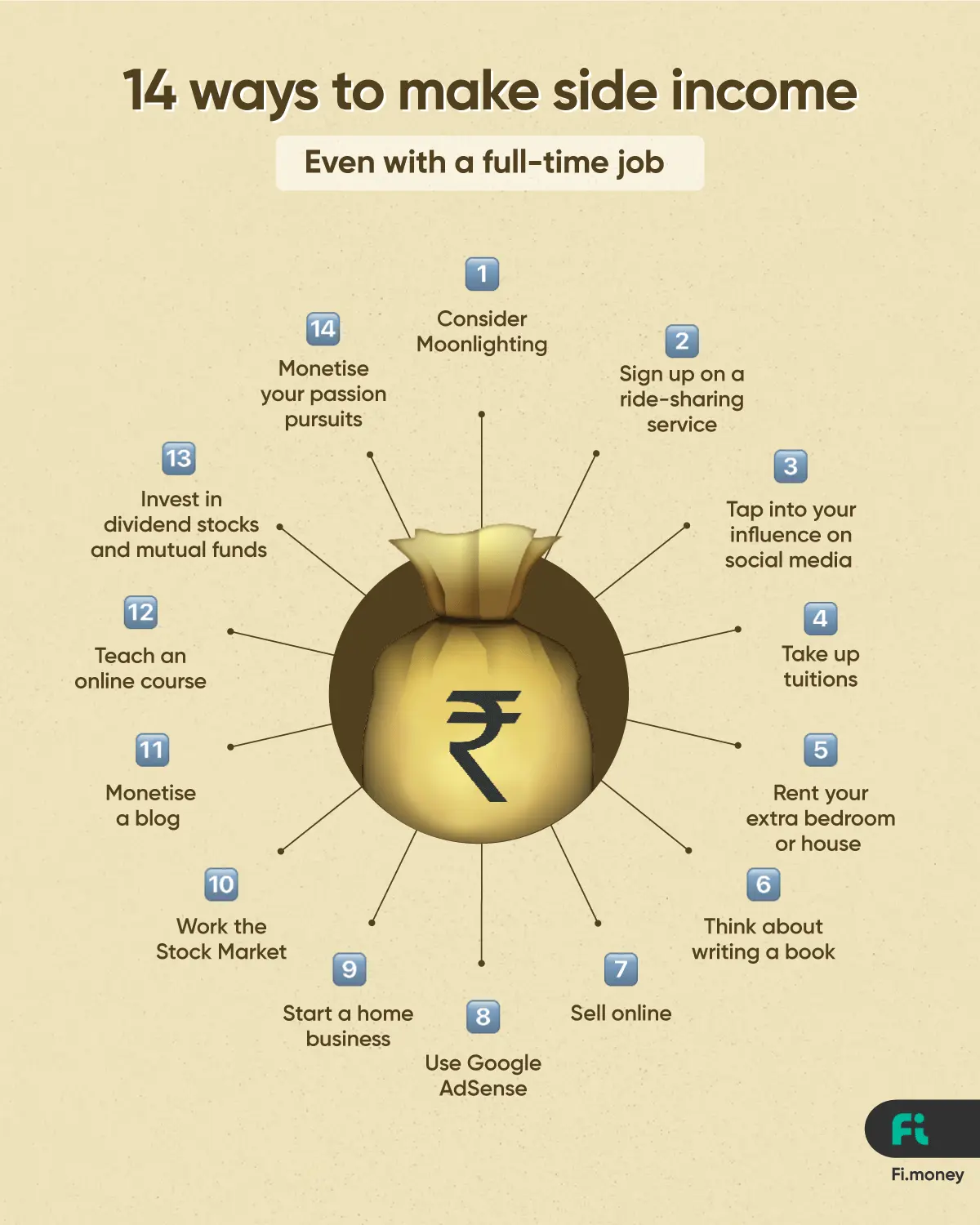
The modern economy offers an unprecedented array of opportunities for generating income outside of traditional employment. These can broadly be categorized into leveraging digital platforms, monetizing tangible skills, and building passive income streams.
Leveraging the Digital Economy: Online Freelancing and Services
The internet has democratized access to work, connecting individuals with clients and customers globally. Freelancing platforms have become central to this, offering flexible work for skilled professionals.
- Content Creation: If you have a flair for words, graphic design, photography, or video production, the demand for high-quality content is insatiable. Platforms like Upwork, Fiverr, and countless niche job boards connect writers, editors, designers, videographers, and illustrators with clients needing blogs, website copy, social media graphics, explainer videos, or custom artwork. Building a strong portfolio and specializing in a particular niche can significantly increase your earning potential.
- Digital Marketing: Businesses of all sizes need help reaching their target audiences online. If you understand SEO, social media strategy, email marketing, or paid advertising, you can offer your expertise as a freelancer. Many small businesses lack the internal resources for effective digital marketing and are eager to hire specialists on a project basis or retainer.
- Virtual Assistance & Tech Support: As businesses become more dispersed, the demand for virtual assistants (VAs) grows. VAs handle administrative tasks, scheduling, email management, social media management, research, and more. Similarly, individuals and small businesses often need tech support for setting up software, troubleshooting issues, or managing websites. These roles require strong organizational skills and familiarity with common digital tools.
- Online Tutoring/Coaching: If you possess expertise in academic subjects, musical instruments, languages, or professional skills, you can offer one-on-one or group tutoring sessions online. Platforms like Chegg Tutors, TutorMe, or creating your own coaching service allow you to share your knowledge and earn money from the comfort of your home. This can also extend to life coaching, fitness coaching, or business consulting.
Monetizing Tangible Skills and Assets
Not all side income opportunities are digital. Many thrive by leveraging practical skills and physical assets within your local community.
- Handicrafts/Artisan Products: If you enjoy creating physical products – be it jewelry, knitted items, custom artwork, baked goods, or handmade soaps – you can turn your hobby into a revenue stream. Platforms like Etsy provide a global marketplace, while local craft fairs, farmers’ markets, or a personal e-commerce site can connect you with buyers. The key here is quality craftsmanship, unique design, and effective marketing.
- Local Services: Many people are willing to pay for convenience. Services such as pet sitting, dog walking, house cleaning, gardening, handy-person tasks, or even running errands are always in demand. Leveraging local community groups, neighborhood apps, or simply word-of-mouth can quickly build a client base for these types of services.
- Renting Out Assets: If you have underutilized assets, you can monetize them. This could include renting out a spare room or an entire property on platforms like Airbnb, leasing your car for ride-sharing or delivery services (e.g., Uber, Lyft, DoorDash), or even renting out specialized equipment (e.g., power tools, camera gear) to others in your community. Ensure you understand the legal and insurance implications before proceeding.
Passive Income Streams: Building Long-Term Wealth
Passive income, while often requiring significant upfront effort or capital, offers the ultimate financial freedom by generating revenue with minimal ongoing active involvement.
- Dividend Stocks/REITs: Investing in dividend-paying stocks or Real Estate Investment Trusts (REITs) can provide regular income distributions. This requires initial capital and an understanding of investment principles, but once invested, the income can flow in with little active management.
- Creating Digital Products: Design and sell digital products that can be replicated and sold infinitely. This includes eBooks, online courses, stock photos/videos, music beats, software templates, or graphic design assets. The initial effort involves creation and marketing, but once established, sales can generate income around the clock.
- Affiliate Marketing: Partner with companies to promote their products or services. When someone makes a purchase through your unique affiliate link, you earn a commission. This often involves creating content (blogs, reviews, social media posts) that drives traffic to the merchant’s site. It requires building an audience and trust, but once done, it can be a relatively hands-off income source.
Operationalizing Your Side Hustle for Success
Launching a side hustle is just the beginning; sustaining and growing it requires strategic operational planning and diligent execution.
Time Management and Prioritization
One of the biggest challenges for side hustlers is balancing their primary job, personal life, and new venture. Effective time management is paramount. Start by auditing your current schedule to identify pockets of free time – evenings, weekends, or even early mornings. Block out dedicated time slots for your side hustle and treat them with the same importance as any other appointment. Use productivity techniques like the Pomodoro Technique, time boxing, or creating daily to-do lists. Prioritize tasks based on impact and urgency. Learn to say no to commitments that don’t align with your goals, and be realistic about how much you can take on. Avoiding burnout is crucial; schedule breaks and downtime to recharge. Remember, consistency over intensity is key when juggling multiple responsibilities.
Legal and Financial Considerations
As your side hustle grows, it’s essential to address the legal and financial implications to ensure compliance and maximize profitability.
- Business Registration (if applicable): Depending on the nature and scale of your side hustle, you might need to register it as a sole proprietorship, LLC, or other business entity. This protects personal assets and lends credibility. Research local and national requirements.
- Tax Implications: All income is generally taxable. Understand how your side income will affect your tax liability. Keep meticulous records of all income and expenses. Consider setting aside a percentage of your earnings for taxes throughout the year (estimated taxes) to avoid a large bill at year-end. Consulting with a tax professional specializing in small businesses or independent contractors is highly recommended.
- Separate Finances: It’s wise to open a separate bank account for your side hustle as soon as feasible. This simplifies tracking income and expenses, making tax preparation easier and providing a clearer picture of your venture’s financial health. Avoid commingling personal and business funds.
Marketing and Client Acquisition
Even the best product or service won’t sell itself. Effective marketing and a strategy for client acquisition are critical.
- Building a Professional Presence: Create a professional online presence. This could be a simple portfolio website, a strong LinkedIn profile, or dedicated social media pages showcasing your work and expertise. Consistency in branding and messaging helps build trust.
- Networking and Referrals: Leverage your existing network. Let friends, family, and colleagues know about your side hustle. Word-of-mouth remains one of the most powerful marketing tools. Actively network online and offline within your target industry or community. Ask satisfied clients for testimonials or referrals.
- Pricing Your Services/Products: Research what competitors are charging. Don’t undersell yourself, but also be mindful of market rates. Consider different pricing models – hourly, project-based, retainer – and choose what best fits your service. Clearly communicate your value proposition to justify your pricing.
Scaling and Sustaining Your Side Income
Once your side hustle is generating consistent income, the next step is to explore avenues for growth and long-term sustainability.
Reinvesting and Growth Strategies
To truly scale your side income, you often need to reinvest a portion of your earnings back into the business. This could mean investing in new skills through courses or certifications, purchasing better equipment or software to increase efficiency, or hiring professional help for tasks like marketing or accounting. Consider expanding your service offerings or product lines based on market demand and client feedback. For example, a freelance writer might launch an editing service, or a crafter might offer workshops. Strategic reinvestment is the fuel for growth, allowing you to take on larger projects, attract higher-paying clients, or reach a broader audience.
Automating and Delegating Tasks
As your side hustle grows, you’ll likely find yourself spending more time on administrative or repetitive tasks. This is where automation and delegation become invaluable. Use tools to automate scheduling, email responses, social media posting, or invoicing. For tasks that can’t be automated, consider delegating. This might involve hiring a virtual assistant for administrative duties, outsourcing design work, or contracting with other freelancers for specific project components. While delegation incurs costs, it frees up your valuable time to focus on high-value activities that directly drive revenue or growth, ultimately allowing you to earn more without burning out.
Continuous Learning and Adaptation
The market is constantly evolving, especially in the digital space. To maintain a competitive edge and ensure the longevity of your side income, commit to continuous learning. Stay updated on industry trends, new technologies, and changes in consumer behavior. Read books, take online courses, attend webinars, and engage with professional communities. Be open to adapting your offerings, pricing, or marketing strategies based on feedback and market shifts. The ability to learn, adapt, and innovate is what transforms a temporary side gig into a sustainable and growing income stream.
The Mindset of a Successful Side Hustler
Beyond skills and strategies, a particular mindset is critical for navigating the challenges and celebrating the triumphs of earning money on the side.
Embracing Resilience and Persistence
Building a successful side hustle is rarely a linear path. You will encounter setbacks, rejections, slow periods, and moments of doubt. A resilient mindset means viewing these challenges not as failures, but as opportunities for learning and growth. Persistence is the refusal to give up, even when things are tough. It’s showing up consistently, refining your approach, and learning from every experience. Remember your “why” and let it fuel your determination. Every successful entrepreneur or side hustler has faced obstacles; it’s how they responded that made the difference.
Balancing Your Main Job and Side Gigs
For most, a side hustle runs parallel to a primary job, demanding careful balance to prevent burnout and ensure success in both. Clear boundaries are essential. Avoid working on your side gig during your main job hours. Communicate your availability to clients and stick to it. Learn to compartmentalize your tasks and thoughts, focusing fully on the task at hand. Regularly assess your workload and be prepared to scale back if either your main job or personal life is suffering. The goal is to enhance your life, not to overwhelm it. Prioritize self-care, sleep, and time with loved ones, as these are critical for sustained productivity and well-being.

Financial Freedom and Beyond
Ultimately, the journey of making more money on the side is a powerful step towards greater financial freedom. It provides options, reduces stress, and opens doors that might otherwise remain closed. As your side income grows, you gain the power to make choices that align more closely with your values – whether that’s reducing working hours at your main job, pursuing further education, traveling, or even transitioning your side hustle into a full-time entrepreneurial venture. It’s about building a life by design, where your financial resources support your aspirations. The skills, discipline, and confidence gained from cultivating side income extend far beyond just monetary gains, enriching your life in countless profound ways.
aViewFromTheCave is a participant in the Amazon Services LLC Associates Program, an affiliate advertising program designed to provide a means for sites to earn advertising fees by advertising and linking to Amazon.com. Amazon, the Amazon logo, AmazonSupply, and the AmazonSupply logo are trademarks of Amazon.com, Inc. or its affiliates. As an Amazon Associate we earn affiliate commissions from qualifying purchases.