
The timeless question of “how to make money” resonates with nearly everyone, regardless of their background or current financial standing. In an ever-evolving economic landscape, the strategies for wealth creation have diversified beyond traditional employment. This guide delves into a multi-faceted approach to not only generate income but to cultivate sustainable wealth, offering insights into active earning, passive investment, and the crucial financial discipline required for long-term prosperity.
Laying the Groundwork: Understanding Your Financial Blueprint
Before embarking on any wealth-generating venture, it’s imperative to understand your current financial standing and define where you want to go. This foundational step is often overlooked but is the bedrock upon which all successful financial strategies are built.
Assessing Your Current Financial Position
The first step in any financial journey is an honest assessment of your present situation. This involves detailing all your assets (what you own, e.g., savings, investments, property) and liabilities (what you owe, e.g., debts, mortgages, loans). Calculating your net worth (assets minus liabilities) provides a clear snapshot of your financial health. Equally important is tracking your income and expenses. Understanding where your money comes from and, more critically, where it goes, is the key to identifying areas for improvement and opportunities for saving. This diagnostic phase can reveal hidden spending patterns or untapped resources, offering immediate insights into potential for financial optimization. Tools ranging from simple spreadsheets to sophisticated budgeting apps can facilitate this crucial inventory, turning abstract numbers into actionable data.
Defining Clear and Attainable Financial Goals
With a clear picture of your current finances, the next step is to articulate specific, measurable, achievable, relevant, and time-bound (SMART) financial goals. Generic aspirations like “I want to be rich” are less effective than “I want to save $10,000 for a down payment on a house within two years” or “I aim to pay off my credit card debt of $5,000 by the end of the year.” These specific goals provide direction and motivation. They break down the daunting task of wealth creation into manageable milestones. Whether your goal is to build an emergency fund, save for retirement, invest in a business, or achieve financial independence, having clearly defined objectives transforms abstract desires into concrete plans, making the path to wealth a tangible journey rather than an elusive dream.
The Importance of a Solid Budget
A budget is not a restrictive financial straitjacket; rather, it is a powerful tool for financial empowerment. It’s a plan for how you’ll spend and save your money, helping you prioritize your financial goals and ensure that your income covers your expenses and allows for savings and investments. A well-constructed budget helps you differentiate between needs and wants, curb unnecessary spending, and allocate funds strategically towards your wealth-building objectives. Popular budgeting methodologies, such as the 50/30/20 rule (50% for needs, 30% for wants, 20% for savings/debt repayment) or zero-based budgeting, offer structured approaches. Consistent adherence to a budget transforms financial planning from a reactive response to a proactive strategy, ensuring every dollar has a purpose and contributes to your overarching goal of making money and building wealth.
Active Income Generation: Diversifying Your Earning Streams
In today’s dynamic economy, relying solely on a single income source can be precarious. Actively seeking and cultivating multiple income streams is a cornerstone of robust financial health and accelerated wealth accumulation.
The Power of Side Hustles and the Gig Economy
The rise of the gig economy has democratized income generation, making it easier than ever to supplement primary earnings or even build a full-time career around flexible work. Side hustles leverage existing skills or develop new ones, offering a direct path to immediate income. This could involve anything from freelance writing, graphic design, or web development to tutoring, dog walking, or virtual assistance. Platforms like Upwork, Fiverr, TaskRabbit, or Uber connect individuals with paying clients, removing many traditional barriers to entry. The beauty of a side hustle lies in its flexibility and scalability; you can dedicate as much or as little time as your schedule permits, and successful ventures can often be expanded into more significant income generators, directly impacting your ability to “make money” beyond your conventional job.
Leveraging Digital Platforms for Online Income
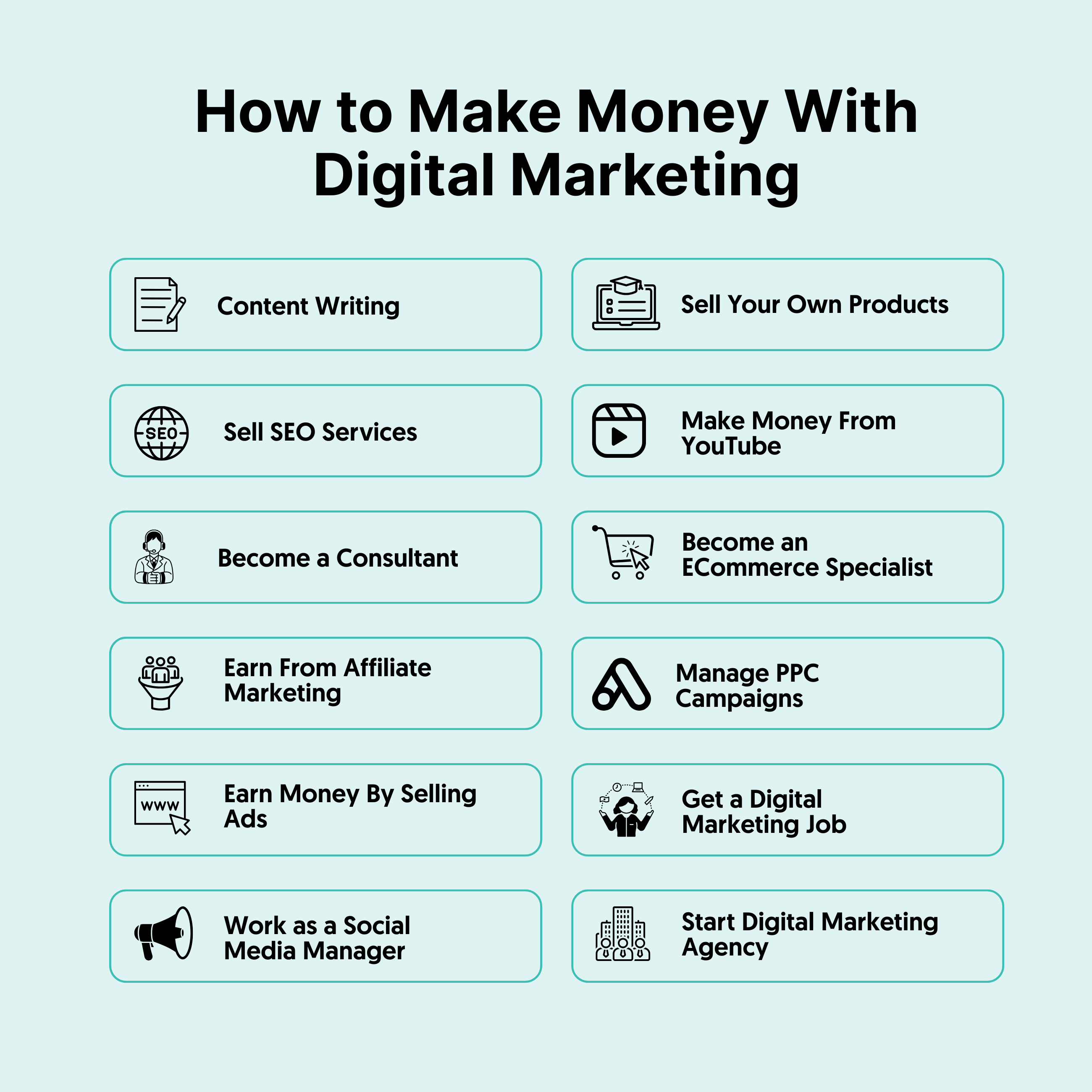
The internet has opened unprecedented avenues for income generation, transforming digital content and skills into tangible earnings. Content creation, for instance, allows individuals to monetize their expertise or passion through blogging, YouTube channels, podcasts, or social media. Revenue can come from advertising, sponsorships, affiliate marketing, or direct sales of digital products (e.g., e-books, online courses). E-commerce platforms like Shopify, Etsy, or Amazon FBA empower entrepreneurs to sell physical or digital products globally, often with minimal upfront investment compared to traditional retail. Beyond content and e-commerce, online surveys, micro-task sites, and even playing video games (e-sports, streaming) can provide supplemental income. The key is to identify a niche, provide value, and consistently engage with an audience or customer base, transforming online engagement into real-world cash flow.
Entrepreneurship: Building Your Own Business

For those with a strong vision and a willingness to take calculated risks, starting a business represents the ultimate form of active income generation. Entrepreneurship offers the potential for significant wealth creation, far surpassing what is typically possible through employment. This could range from a small local service business (e.g., cleaning, landscaping) to a tech startup, a consulting firm, or a franchise. The initial stages demand significant effort, planning, and often, investment. However, a successful business not only generates direct profit for its owner but can also create passive income streams through product sales, recurring services, or intellectual property. The journey from idea to profitable enterprise is challenging but immensely rewarding, providing not just financial returns but also personal growth, autonomy, and the satisfaction of building something of value.
Passive Wealth Accumulation: Smart Investing Strategies
While active income requires your continuous effort, passive income works for you, generating earnings with minimal ongoing involvement. Investing is the primary vehicle for cultivating this kind of wealth, allowing your money to grow over time.
Demystifying the Stock Market and Investment Funds
The stock market, often perceived as complex and risky, is a fundamental engine for wealth growth. Investing in stocks means owning a small piece of a company, with potential returns from capital appreciation (the stock price increasing) and dividends (a share of company profits). For those less comfortable picking individual stocks, investment funds like Exchange Traded Funds (ETFs) and mutual funds offer diversification and professional management. These funds pool money from many investors to buy a basket of stocks, bonds, or other assets, significantly reducing risk compared to single stock investments. Regular, disciplined contributions to a diversified portfolio of low-cost index funds or ETFs is a proven strategy for long-term wealth building, leveraging the power of compounding to turn modest investments into substantial sums over decades.
Real Estate as an Income-Generating Asset
Real estate has long been a favored asset class for wealth generation, offering multiple avenues for income. Rental properties provide consistent monthly cash flow from tenants, alongside potential capital appreciation of the property itself. Strategies range from single-family homes and multi-unit dwellings to commercial properties or even short-term rentals through platforms like Airbnb. Beyond direct ownership, real estate investment trusts (REITs) allow individuals to invest in real estate portfolios without the complexities of property management, offering diversification and liquidity. While real estate typically requires more capital upfront and involves management responsibilities, its tangible nature, potential for leverage, and inflation-hedging qualities make it a compelling component of a diversified wealth-building strategy.
Exploring Alternative and Emerging Investments
Beyond traditional stocks, bonds, and real estate, a host of alternative and emerging investment opportunities exist for those looking to diversify further or explore higher-risk, higher-reward ventures. Peer-to-peer (P2P) lending platforms allow individuals to lend money directly to other individuals or small businesses, earning interest on their loans. Cryptocurrencies like Bitcoin and Ethereum, though volatile, have generated significant returns for early investors and continue to attract interest as a potential store of value and medium of exchange. Other alternatives include private equity, venture capital (for accredited investors), collectibles (art, rare wines, classic cars), or even investing in intellectual property. These investments often come with higher risk and require a deeper understanding or longer time horizon, but they can offer unique diversification benefits and potentially substantial returns within a well-thought-out overall investment strategy.
Sustaining Growth: Financial Discipline and Continuous Improvement
Generating income and accumulating wealth are ongoing processes that demand consistent financial discipline, continuous learning, and adaptability. Without these, even the most promising strategies can falter.
Effective Debt Management for Financial Freedom
Debt, particularly high-interest consumer debt like credit card balances, acts as a significant impediment to wealth accumulation. Every dollar spent on interest payments is a dollar that cannot be saved or invested. Effective debt management is therefore crucial for achieving financial freedom. Strategies like the “debt snowball” (paying off smallest debts first for motivational wins) or the “debt avalanche” (paying off highest-interest debts first to save money) provide structured approaches to becoming debt-free. Consolidating high-interest debts, negotiating lower rates, and avoiding new unnecessary debt are equally important. By systematically reducing and eliminating debt, you free up more of your income to contribute to savings and investments, accelerating your journey towards financial independence and making your money work harder for you.
Upskilling and Personal Development
The ability to generate income is intrinsically linked to your skills and knowledge. In a rapidly changing world, continuous learning and personal development are not just beneficial but essential for staying competitive and increasing your earning potential. Investing in yourself through formal education, online courses, certifications, workshops, or even self-study can lead to higher-paying job opportunities, enable you to charge more for your services, or equip you with the expertise needed to launch a successful business. Developing “soft skills” like communication, leadership, and problem-solving is equally valuable. The more you learn and the more adaptable you become, the greater your capacity to identify new income streams, innovate existing ones, and navigate economic shifts, directly impacting your long-term ability to make and multiply money.

Cultivating a Resilient Financial Mindset
Beyond strategies and tools, the ultimate determinant of long-term financial success is a resilient financial mindset. This involves cultivating patience, discipline, and a positive outlook, even in the face of setbacks. Financial success rarely happens overnight; it’s the result of consistent effort, prudent decision-making, and the ability to learn from mistakes. Embracing a growth mindset means viewing financial challenges as opportunities for learning, rather than insurmountable obstacles. It also involves practicing delayed gratification, understanding that current sacrifices can lead to greater future rewards. Building a strong financial future requires unwavering commitment, the ability to adapt to market fluctuations, and the psychological fortitude to stay the course.
Making money in the modern era is no longer a singular pursuit but a diverse landscape of opportunities requiring strategic planning, active engagement, and disciplined management. By understanding your financial position, actively diversifying your income through side hustles and entrepreneurial ventures, intelligently investing for passive growth, and committing to continuous learning and debt management, you can unlock your full earning potential and forge a robust path to lasting financial prosperity. The journey demands effort, but with the right approach, the art of generating wealth is within everyone’s reach.
aViewFromTheCave is a participant in the Amazon Services LLC Associates Program, an affiliate advertising program designed to provide a means for sites to earn advertising fees by advertising and linking to Amazon.com. Amazon, the Amazon logo, AmazonSupply, and the AmazonSupply logo are trademarks of Amazon.com, Inc. or its affiliates. As an Amazon Associate we earn affiliate commissions from qualifying purchases.