
In the modern economic landscape, the traditional model of relying on a single source of income is rapidly becoming an outdated strategy. With inflation fluctuating, the cost of living rising in major urban centers, and the inherent volatility of the global job market, financial resilience is no longer a luxury—it is a necessity. Learning how to make extra money is not merely about “hustling”; it is about strategic capital allocation, skill monetization, and the construction of multiple revenue pillars that can withstand economic shifts.
This guide explores the most effective, professional avenues for generating secondary income, ranging from passive investment vehicles to active high-value freelancing and the burgeoning gig economy.
Leveraging the Digital Economy for Passive Income
The ultimate goal of many financial enthusiasts is to decouple time from earnings. Passive income requires an upfront investment—either of capital or significant time—but eventually yields recurring returns with minimal ongoing effort. In the digital age, the barriers to entry for these streams have lowered, but the competition remains high, necessitating a sophisticated approach.
Dividend Growth Investing
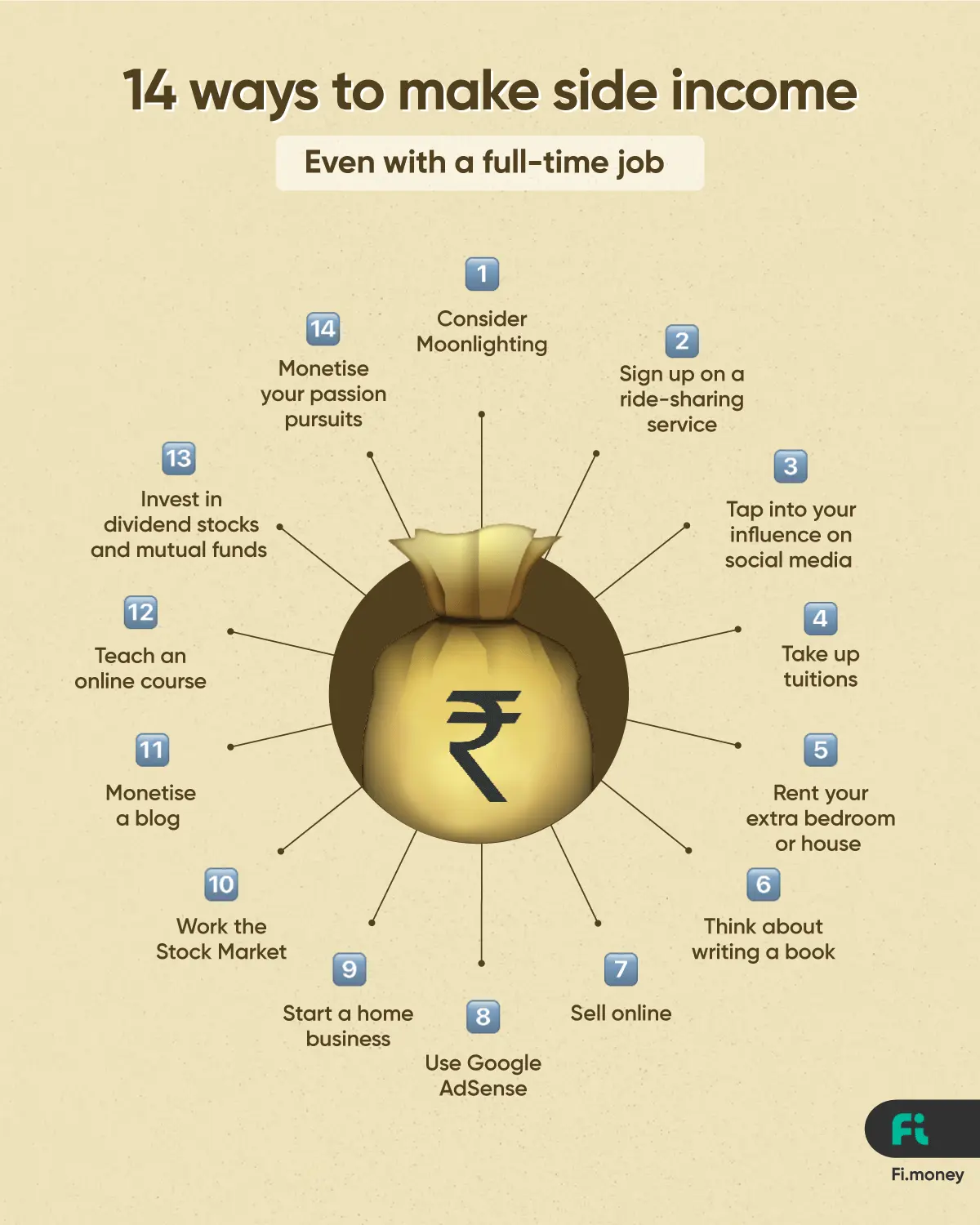
For those with existing capital, dividend growth investing is a cornerstone of wealth preservation and income generation. Unlike day trading, which requires constant market monitoring, this strategy focuses on purchasing shares in “Dividend Aristocrats”—companies that have consistently increased their dividend payouts for over 25 years. By reinvesting these dividends, you benefit from the power of compounding, creating a snowball effect that can eventually cover significant portions of your monthly expenses.
Real Estate Crowdfunding and REITs
Physical real estate has long been a preferred method for making extra money, but the high cost of entry and the headaches of property management often deter the average professional. Real Estate Investment Trusts (REITs) and modern crowdfunding platforms allow individuals to invest in commercial or residential portfolios with relatively small amounts of capital. These platforms provide exposure to the real estate market, offering quarterly distributions and capital appreciation without the need to act as a landlord.
Creating Scalable Digital Products
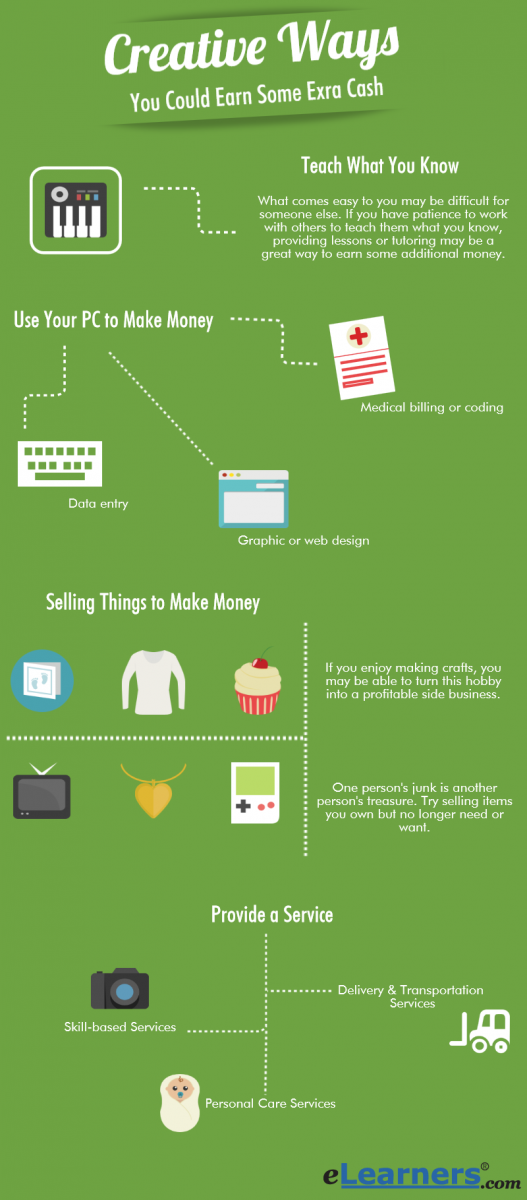
If you possess specialized knowledge, packaging that expertise into a digital product—such as an e-book, a specialized software template, or a comprehensive online course—can yield high margins. Once the content is created and the sales funnel is established, the product can be sold indefinitely. The key here is to solve a specific, high-value problem for a niche audience, ensuring that the value proposition justifies the price point in a crowded marketplace.
Monetizing Specialized Skills through Freelancing
While passive income is the long-term goal, active income through freelancing is often the fastest way to inject cash flow into your bank account. The “Gig Economy 2.0” is moving away from low-wage tasks and toward high-value consulting where specialized expertise commands premium rates.
High-Value Consulting and Strategy
Many professionals underestimate the market value of their corporate experience. Whether your background is in operations, marketing, human resources, or data analysis, there are small to medium-sized enterprises (SMEs) willing to pay for “fractional” leadership. Instead of a full-time salary, you can offer your services for 10 hours a month as a consultant. This allows you to leverage your existing skill set to make significant extra money without the overhead of starting a completely new business.
Creative Services and Content Production
The demand for high-quality digital content is at an all-time high. Companies are constantly seeking professional copywriters, video editors, and graphic designers to bolster their brand presence. To succeed here, it is essential to move beyond generic platforms and build a personal portfolio that demonstrates a clear ROI for clients. Specializing in a specific industry—such as “B2B SaaS copywriting” or “Biotech visual identity”—allows you to charge premium rates compared to generalists.
Specialized Technical Writing and Research
Technical writing remains one of the most lucrative niches in the freelance world. If you can translate complex technical concepts into accessible documentation, white papers, or grant proposals, you occupy a rare space in the market. Industries such as fintech, renewable energy, and artificial intelligence are in constant need of writers who understand the nuances of their technology, providing a stable and high-paying source of extra income.
Exploring Scalable Side Hustles in the Gig Economy
The gig economy is often associated with ride-sharing or delivery services, but for the discerning professional, there are more scalable and asset-light ways to generate revenue. These methods focus on utilizing existing assets or building systems that can grow over time.
E-commerce and Strategic Dropshipping
While the “get rich quick” aura surrounding dropshipping has faded, the core business model remains sound when applied professionally. By identifying market gaps and utilizing platforms like Shopify or Amazon FBA (Fulfillment by Amazon), you can build a retail brand without holding massive amounts of inventory. The success of this model hinges on rigorous market research, high-quality sourcing, and a sophisticated digital marketing strategy.
Peer-to-Peer Asset Sharing
If you own underutilized assets, the sharing economy provides a structured way to monetize them. Beyond renting out a spare room on Airbnb, you can consider platforms that allow for the rental of high-end camera gear, specialized tools, or even vehicles (via services like Turo). This approach turns a depreciating asset into a cash-producing one, effectively lowering your personal cost of ownership while providing a steady stream of extra money.
Professional Affiliate Marketing
Affiliate marketing involves earning a commission by promoting other people’s or companies’ products. To do this professionally, one must build a platform of trust—typically through a blog, a high-value newsletter, or a dedicated social media presence. By providing honest reviews and valuable insights into specific products (such as financial software or productivity tools), you can earn recurring commissions. The focus must always be on the “audience first” mentality; once trust is lost, the income stream disappears.
Optimizing Your Financial Infrastructure
Making extra money is only half the battle; the other half is keeping it. As your income streams diversify, your financial management must become more sophisticated to ensure that taxes and inflation do not erode your gains.
High-Yield Savings and Liquidity Management
As you begin to generate extra income, the worst place to keep it is in a standard checking account earning 0.01% interest. Utilizing High-Yield Savings Accounts (HYSAs) or Money Market Accounts ensures that your secondary income is protected and growing while you decide where to reinvest it. In a high-interest-rate environment, these accounts provide a risk-free way to augment your earnings.
Tax-Efficiency and Business Structuring
Once your side income reaches a certain threshold, it is prudent to consult with a tax professional regarding business structures, such as an LLC or an S-Corp (depending on your jurisdiction). These structures may allow for the deduction of business-related expenses—such as home office costs, software subscriptions, and equipment—thereby reducing your overall taxable income. Understanding the tax implications of “1099” income is vital to ensuring that your extra money actually contributes to your net worth.
Automating Wealth Management
To prevent “lifestyle creep”—the tendency to increase spending as income rises—it is essential to automate the movement of your extra money. Set up automatic transfers from your side-income accounts directly into brokerage accounts or retirement funds. By treating your extra income as “investment capital” rather than “spending money,” you accelerate your journey toward financial independence.

Conclusion: The Path to Financial Diversification
The quest to make extra money is a journey of continuous learning and adaptation. Whether you choose the path of passive investing, high-end freelancing, or scalable e-commerce, the most successful individuals are those who view their income as a portfolio rather than a single paycheck.
By starting small, focusing on high-value skills, and maintaining a disciplined approach to financial management, you can build a robust economic engine that provides not only extra money but also the freedom and security that come with financial autonomy. In the end, the best investment you can make is in your own ability to generate value in an ever-changing marketplace.
aViewFromTheCave is a participant in the Amazon Services LLC Associates Program, an affiliate advertising program designed to provide a means for sites to earn advertising fees by advertising and linking to Amazon.com. Amazon, the Amazon logo, AmazonSupply, and the AmazonSupply logo are trademarks of Amazon.com, Inc. or its affiliates. As an Amazon Associate we earn affiliate commissions from qualifying purchases.