
Car insurance is a necessary expense for virtually every driver, protecting against financial ruin in the event of an accident or other covered incident. However, the cost of premiums can be a significant drain on personal finances, making it a frequent point of concern for budget-conscious individuals. While mandatory, the price of car insurance is far from fixed, and understanding the myriad factors that influence it is the first step toward strategically reducing your annual outlay. By adopting a proactive and informed approach, consumers can significantly trim their insurance costs without compromising essential coverage.
Understanding the Factors That Drive Insurance Premiums
Before diving into cost-saving strategies, it’s crucial to grasp the primary variables insurers use to calculate your premiums. These factors are designed to assess risk, and by understanding them, you can identify areas where you might have leverage or where adjustments could lead to savings.
Your Driving Record and History
This is arguably the most significant determinant of your insurance rates. A history of accidents, traffic violations (speeding tickets, DUIs), or past claims signals to insurers that you are a higher risk. Conversely, a clean driving record, especially over an extended period, demonstrates responsibility and can qualify you for significant “good driver” discounts. Insurers often look back several years (typically three to five) when assessing your driving history. Young drivers, lacking a substantial driving history, often face higher premiums until they establish a record of safe driving.
Vehicle Type and Features
The make, model, year, and safety features of your car play a substantial role. Vehicles that are statistically more likely to be stolen, those with higher repair costs, or luxury and high-performance cars generally incur higher insurance premiums. Newer vehicles, especially those with advanced technology, might initially be more expensive to insure due to higher repair costs for specialized components. However, certain safety features, such as advanced driver-assistance systems (ADAS), anti-lock brakes, and airbags, can sometimes qualify for discounts. The vehicle’s value, the cost of parts, and its susceptibility to theft all feed into the insurer’s risk assessment.
Demographics and Location
Personal demographic information, though sometimes controversial, is used by insurers to predict risk. Factors like age, gender (in some states), marital status, and credit score (where legally permissible) can influence rates. Younger, less experienced drivers typically pay more. Where you live also has a direct impact. Urban areas with higher traffic density, crime rates, or a greater incidence of accidents often result in higher premiums than rural areas. Even your specific zip code within a city can affect your rates, reflecting local accident statistics, theft rates, and road conditions.
Coverage Levels and Deductibles
The type and amount of coverage you choose directly impact your premium. Basic liability coverage, mandated by law, is the cheapest option but provides minimal protection for your own vehicle or injuries. Adding comprehensive (for non-collision events like theft, fire, hail) and collision (for damage from hitting another object or vehicle) significantly increases your premium. The deductible – the amount you pay out-of-pocket before your insurance kicks in – also plays a role. A higher deductible means you take on more initial risk, and insurers reward this by offering lower premiums. Conversely, a lower deductible means higher premiums but less out-of-pocket expense per claim.
Strategic Approaches to Lowering Your Rates
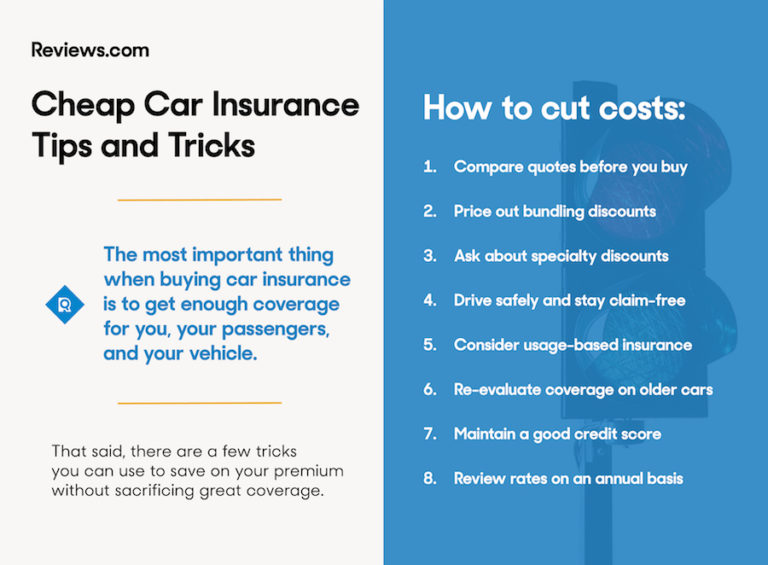
Once you understand the underlying factors, you can employ several strategic approaches to actively reduce your car insurance costs. These methods often involve a combination of diligent shopping, policy adjustments, and leveraging available discounts.
Shop Around and Compare Quotes Regularly
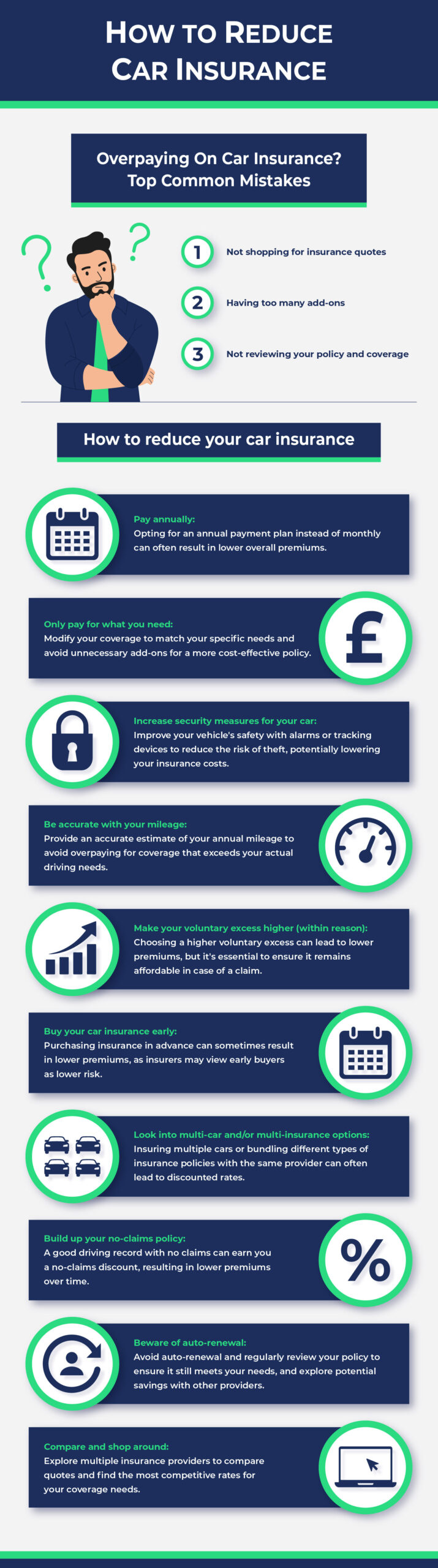
One of the most effective ways to save money is to never settle for the first quote you receive. The car insurance market is highly competitive, with dozens of providers each having their own algorithms, risk assessments, and promotional offers. What might be expensive with one insurer could be significantly cheaper with another, even for the exact same coverage. Make it a habit to get quotes from at least three to five different companies – including major national insurers, smaller regional players, and online providers – every year or whenever your policy is up for renewal. Online comparison tools can streamline this process, but direct contact with agents can sometimes yield more tailored offers or reveal discounts not immediately apparent online. Don’t be afraid to switch providers if a better deal emerges; loyalty doesn’t always pay in the insurance world.
Bundle Your Policies
Many insurance companies offer multi-policy discounts when you purchase more than one type of insurance from them. The most common bundling involves combining your auto insurance with home insurance, renters insurance, or even life insurance. This “package deal” can often result in substantial savings on both policies. Insurers do this because customers who bundle are often more stable and less likely to switch providers, making them a more desirable customer. Always ask about bundling options and compare the total bundled price against the sum of individual policies from different providers.
Increase Your Deductible
As mentioned earlier, your deductible is the amount you pay out of pocket before your insurance coverage begins. Opting for a higher deductible, such as moving from $250 to $500 or even $1,000, can significantly lower your annual premium. However, this strategy requires careful consideration: you must be financially prepared to pay the higher deductible if you need to file a claim. If an unexpected accident occurs and you don’t have the cash readily available, a higher deductible could put you in a difficult financial position. Assess your emergency savings and your personal risk tolerance before making this change.
Optimize Your Coverage
While it’s tempting to opt for the most comprehensive coverage, it might not always be necessary, especially for older vehicles. If your car is several years old and has a low market value, the cost of comprehensive and collision coverage might approach or even exceed the car’s actual worth over a few years. In such cases, dropping these coverages and relying solely on liability insurance (plus an emergency fund for potential repairs to your own vehicle) could be a wise financial decision. Calculate the current cash value of your vehicle and compare it to the annual cost of comprehensive and collision premiums. Additionally, review your liability limits. While state minimums are often insufficient, you may not need the absolute highest limits if your personal assets are modest. Tailoring your coverage to your specific needs and vehicle’s value prevents you from overpaying for unnecessary protection.
Take Advantage of Discounts
Insurance companies offer a plethora of discounts that many policyholders overlook. It’s imperative to actively inquire about every possible discount. Common discounts include:
-
Good Driver/Accident-Free: For maintaining a clean driving record for a specified period.
-
Good Student: For young drivers with a GPA above a certain threshold.
-
Low Mileage: For drivers who travel fewer miles annually.
-
Defensive Driving Course: Completing an approved defensive driving course.
-
Anti-Theft Devices: Having alarms, immobilizers, or tracking systems.
-
Multi-Car: Insuring more than one vehicle on the same policy.
-
Professional Affiliations: Certain occupations or professional organizations may qualify for group rates.
-
New Car: Sometimes offered for newer models with advanced safety features.
Always review the full list of available discounts with your insurer or agent and confirm you are receiving all applicable reductions.
Driving Habits and Vehicle Maintenance for Savings
Beyond policy adjustments, your everyday driving behavior and the choice of your vehicle also contribute significantly to your insurance costs. Adopting responsible habits and making informed vehicle decisions can lead to long-term savings.
Maintain a Clean Driving Record
This cannot be stressed enough: a pristine driving record is your best asset for keeping insurance costs low. Avoiding accidents and traffic violations prevents surcharges that can drastically increase your premiums for years. Even minor infractions can signal increased risk to insurers. Practicing defensive driving, adhering to speed limits, and avoiding distractions behind the wheel are not only essential for safety but also directly impact your financial well-being when it comes to insurance. Consider that even a minor fender-bender might lead to a premium increase that outweighs the cost of the repair itself if it’s below your deductible.
Consider Usage-Based Insurance (UBI) Programs
Many insurers now offer telematics or usage-based insurance programs (sometimes called “pay-as-you-drive” or “drive-safely” programs). These programs involve installing a small device in your car or using a smartphone app to monitor your driving habits, such as mileage, speed, braking, acceleration, and time of day you drive. If you demonstrate safe driving behaviors, you can qualify for significant discounts, sometimes up to 30% or more. While some drivers are wary of the data collection, for consistent safe drivers, UBI can be a powerful tool for reducing premiums, especially for those with low mileage or who primarily drive during off-peak hours. Always understand the terms and conditions, including whether poor driving could increase your rates.
Choose a Cheaper-to-Insure Vehicle
If you are in the market for a new or used car, research its insurance costs before you buy. Different models and even different trim levels of the same model can have vastly different insurance rates. Generally, vehicles with lower horsepower, high safety ratings, lower theft rates, and less expensive parts tend to be cheaper to insure. Sports cars, luxury vehicles, and certain high-performance SUVs typically command higher premiums. Websites and insurance agents can provide estimates for various models, helping you make a financially savvy choice that saves you money long after the purchase.
Drive Less Often
The less you drive, the lower your risk of being involved in an accident. If your annual mileage is significantly below average, you may qualify for low-mileage discounts. Consider alternative transportation like public transit, carpooling, biking, or walking for shorter trips. This not only saves on fuel costs and wear and tear on your vehicle but can also directly reduce your insurance premiums. Some policies are specifically tailored for low-mileage drivers, offering substantial savings.
Reviewing and Adjusting Your Policy Over Time
Car insurance is not a “set it and forget it” expense. Your life circumstances, your vehicle’s value, and market conditions all change over time, and your policy should evolve with them. Regular reviews are critical to ensure you’re always getting the best possible rate.
Annual Policy Review
Make it a point to review your car insurance policy at least once a year, preferably before its renewal date. This is an opportune time to reassess your coverage needs and inquire about new discounts. Have there been any significant life changes since your last renewal?
-
Marriage or Divorce: Marital status can influence rates.
-
Moving: A new address can change your risk profile.
-
New Job/Retirement: Changes in your commute or overall mileage.
-
Age Milestones: Turning 25, for instance, often leads to lower rates for young drivers.
-
Vehicle Changes: Have you paid off your car loan? You might no longer need collision and comprehensive coverage. Have you added any new safety features or anti-theft devices?
Discuss these changes with your insurer, as they could lead to significant premium adjustments.
Improve Your Credit Score (Where Applicable)
In many states, insurance companies use a credit-based insurance score as a factor in determining premiums. Insurers have found a correlation between higher credit scores and a lower likelihood of filing claims. While the exact methodology varies, maintaining a good credit score generally signals financial responsibility, which can translate into lower insurance rates. Focusing on improving your credit score – by paying bills on time, keeping credit utilization low, and checking for errors on your credit report – can indirectly lead to savings on your car insurance, as well as many other financial products. However, some states prohibit the use of credit scores in determining insurance premiums, so check your local regulations.

Pay Annually or Electronically
Many insurers offer a discount for paying your entire annual premium upfront, rather than in monthly installments. This is because it reduces the administrative burden for the insurer and eliminates the risk of missed payments. If you have the financial means to pay annually, this can be an easy way to save a small percentage off your total cost. Similarly, setting up automatic payments or opting for paperless billing can sometimes qualify you for minor discounts as well, demonstrating reliability to your insurer. Even small savings add up over time, reinforcing the importance of scrutinizing every aspect of your payment and billing options.
By diligently applying these strategies and consistently reviewing your policy, you can take control of your car insurance expenses and ensure you’re getting the necessary protection without overpaying. The goal is not just to find cheap insurance, but to find affordable insurance that aligns with your financial plan and risk tolerance.
aViewFromTheCave is a participant in the Amazon Services LLC Associates Program, an affiliate advertising program designed to provide a means for sites to earn advertising fees by advertising and linking to Amazon.com. Amazon, the Amazon logo, AmazonSupply, and the AmazonSupply logo are trademarks of Amazon.com, Inc. or its affiliates. As an Amazon Associate we earn affiliate commissions from qualifying purchases.