
Navigating the complexities of the Internal Revenue Service (IRS) can be a daunting task for even the most financially savvy individuals. However, the process of actually settling your tax liability has evolved significantly over the last decade. Moving away from the era of “check in the mail” dominance, the modern financial landscape offers a variety of digital and structured payment methods designed to ensure accuracy, speed, and security.
Whether you are a W-2 employee with an unexpected year-end balance, a high-net-worth investor managing capital gains, or a small business owner handling quarterly estimates, understanding the mechanics of IRS payments is a fundamental pillar of personal and business finance. This guide explores the most efficient ways to settle your obligations while maintaining your financial health.
Leveraging Digital Platforms for Seamless Transactions
In the realm of personal finance, efficiency is key. The IRS has invested heavily in digital infrastructure to reduce the friction of tax collection. Choosing the right digital channel depends on your liquidity, your need for a paper trail, and your desire to minimize processing fees.
IRS Direct Pay: The Gold Standard for Individuals
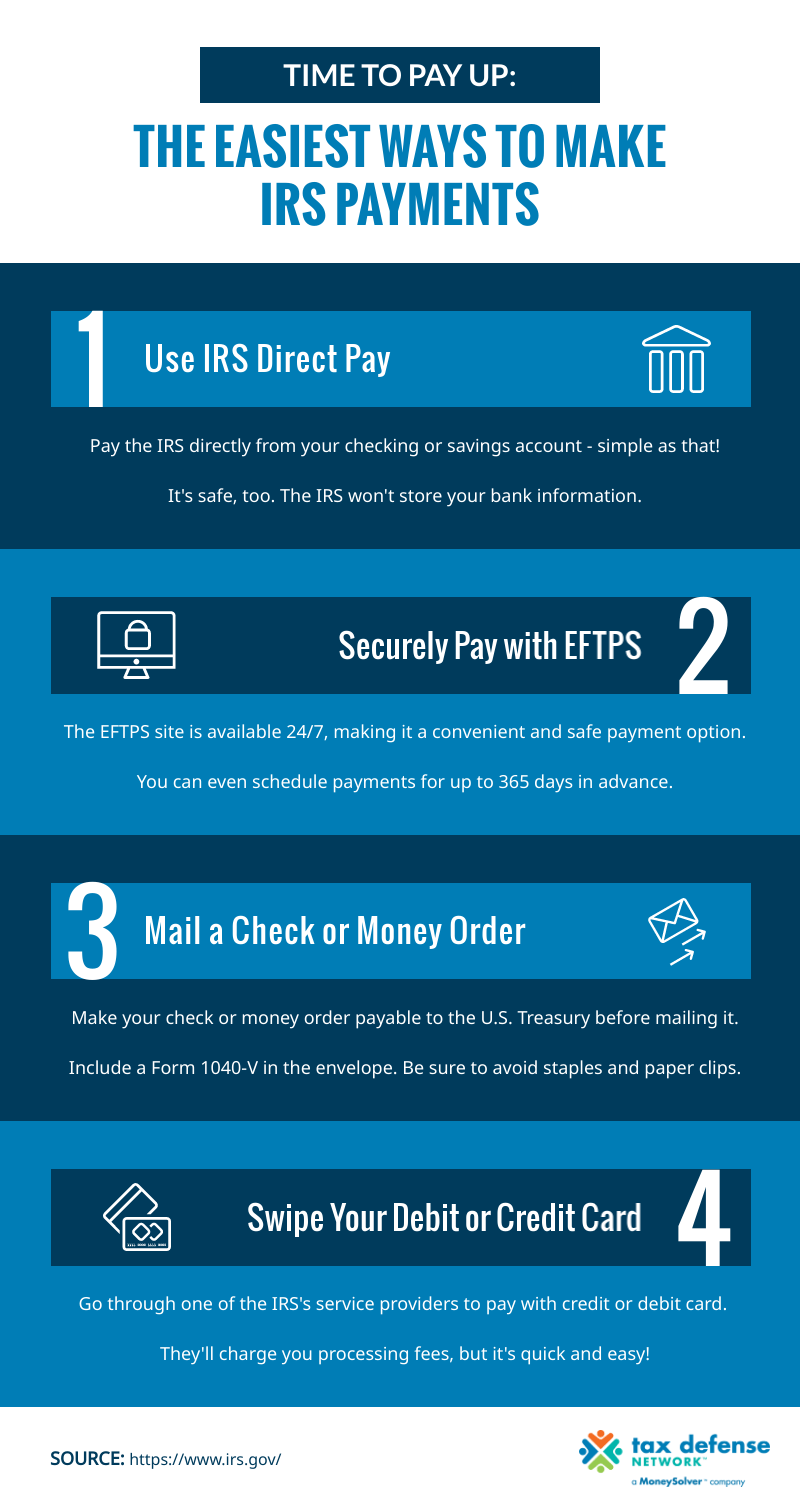
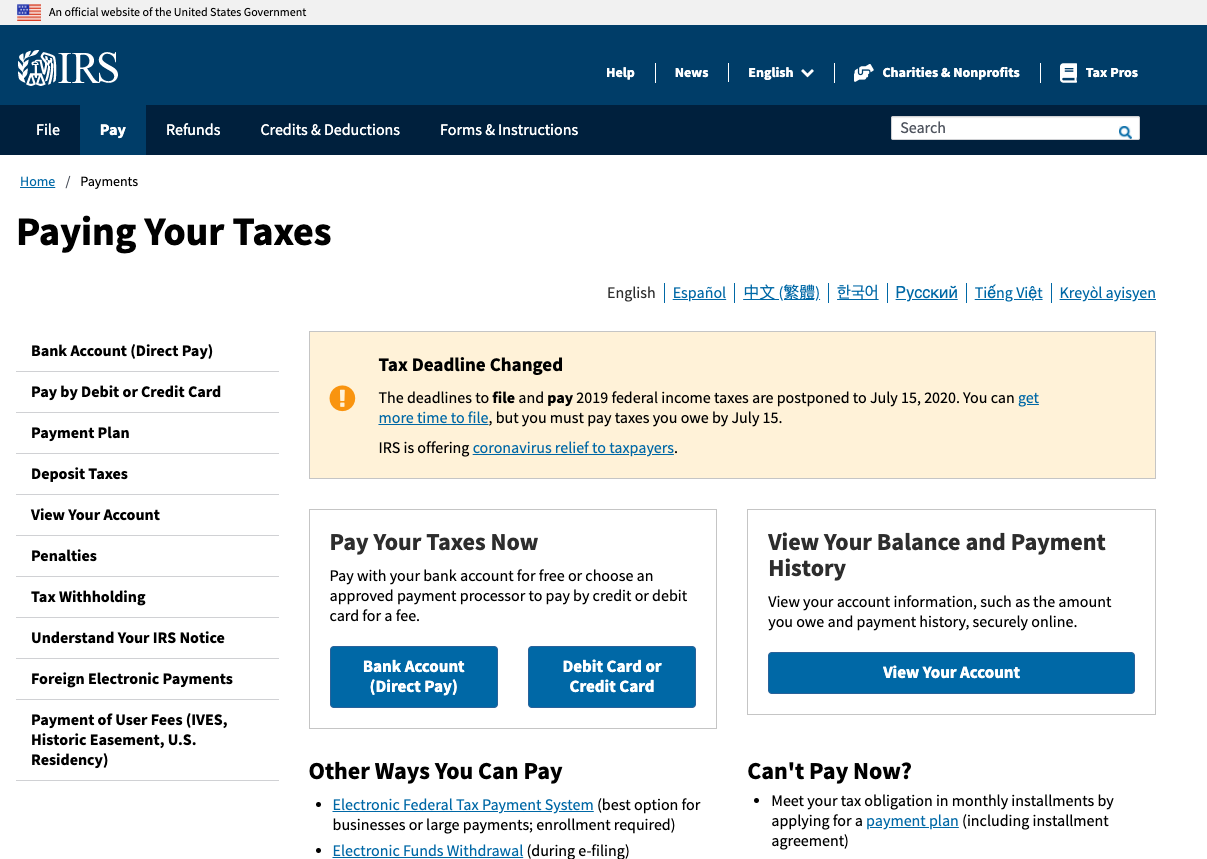
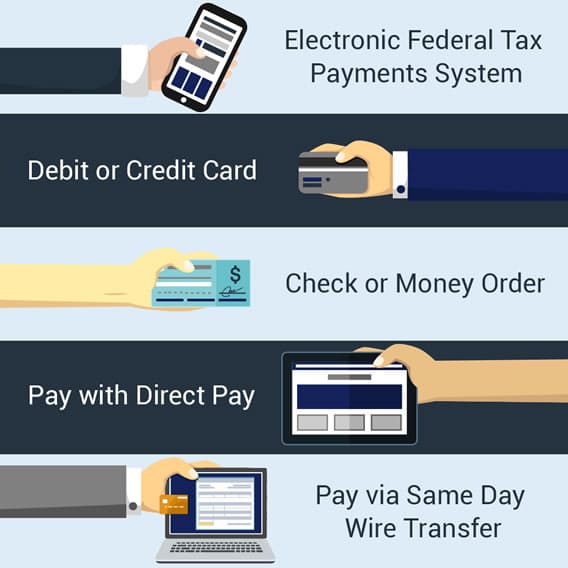
For most individual taxpayers filing Form 1040, IRS Direct Pay is the most efficient tool available. This service allows you to pay directly from your checking or savings account without any additional fees. The beauty of Direct Pay lies in its simplicity; it does not require prior registration. You simply verify your identity using information from a previous year’s tax return and schedule your payment. This is particularly useful for those looking to settle their balance immediately to avoid interest accrual.
The Electronic Federal Tax Payment System (EFTPS)
While Direct Pay is excellent for one-off payments, the EFTPS is a more robust financial tool designed for businesses and individuals who make frequent payments. EFTPS requires a registration process that involves receiving a PIN via physical mail, adding a layer of security. Once enrolled, it offers a sophisticated dashboard to track payment history and schedule payments up to 365 days in advance. For the disciplined investor or the business owner managing cash flow, EFTPS provides a professional-grade interface for tax management.
Credit and Debit Card Payments
If you find yourself in a position where you want to earn reward points or if you need to leverage a short-term credit line to cover your tax bill, the IRS allows payments via third-party processors. It is important to note that while the IRS does not charge a fee for this, the processors do. These fees usually range from a flat rate for debit cards to a percentage of the total for credit cards (often between 1.8% and 2%). From a financial strategy standpoint, this option should be used cautiously; the rewards earned should ideally outweigh the convenience fees and any potential interest charged by your credit card issuer.
Structured Payment Plans for Financial Flexibility
Not every taxpayer has the immediate liquidity to settle a large tax bill in a single lump sum. In the world of business and personal finance, preserving cash flow is often just as important as clearing debt. The IRS offers several “Installment Agreements” that act as structured loans, allowing you to pay your balance over time.
Short-Term Payment Plans
If you can settle your debt within 180 days, a short-term payment plan is often the most cost-effective route. There is typically no setup fee for these plans, though interest and late-payment penalties still accrue. This is an excellent bridge for those expecting a year-end bonus, a business windfall, or the liquidation of an asset that hasn’t yet cleared.
Long-Term Installment Agreements
For liabilities that require more than six months to clear, a long-term installment agreement (also known as a Direct Debit Installment Agreement) is the standard approach. By committing to a monthly automated payment, you can spread your liability over up to 72 months. While there is a setup fee for these plans, it is significantly reduced if you apply online and opt for automatic debits. From a wealth management perspective, this allows you to keep your remaining capital invested in potentially higher-yielding assets while systematically paying down your federal debt.
Offer in Compromise (OIC)
In extreme cases where a taxpayer’s financial situation makes it impossible to pay the full amount without causing “undue hardship,” the IRS may consider an Offer in Compromise. This allows you to settle your tax debt for less than the full amount you owe. However, the qualification process is rigorous, requiring a deep dive into your assets, income, and expenses. It is a tool of last resort that requires meticulous financial documentation and often the assistance of a tax professional.
Navigating Business-Specific Tax Obligations
For entrepreneurs and business entities, making payments to the IRS is not an annual event but a recurring operational requirement. Managing these payments effectively is crucial for maintaining corporate compliance and avoiding the “trust fund recovery penalty” associated with payroll taxes.
Estimated Tax Payments for the Self-Employed
If you operate as a freelancer, a sole proprietor, or a partner in an LLC, you are likely required to make quarterly estimated tax payments. Because the U.S. tax system is a “pay-as-you-go” system, failing to pay throughout the year can result in significant underpayment penalties. Using Form 1040-ES, business owners must calculate their expected income and self-employment tax, making payments four times a year. Proper financial planning involves setting aside 25% to 30% of gross income in a high-yield savings account specifically for these quarterly outflows.
Employment and Payroll Tax Deposits
Businesses with employees have the added responsibility of withholding federal income tax, Social Security, and Medicare taxes. These are considered “trust fund” taxes because you are holding the employees’ money in trust for the government. These payments must typically be made via EFTPS on a semi-weekly or monthly schedule. Mastering the timing of these deposits is essential for business finance; delays can lead to some of the most aggressive collection actions the IRS is authorized to take.
Corporate Income Tax (Form 1120)
C-Corporations must manage their own tax liabilities separate from their owners. This involves calculating taxable income after all business deductions and credits. Like individuals, corporations must make estimated payments if they expect their tax for the year to be $500 or more. This requires a high level of coordination between the company’s accounting department and its strategic leadership to ensure that tax obligations do not hamper the company’s expansion or R&D efforts.
Security, Verification, and Record Keeping
In an era of increasing digital fraud and identity theft, the security of your financial transactions with the government is paramount. Furthermore, from a personal accounting standpoint, the ability to prove a payment was made is your only defense in the event of an IRS audit or a clerical error.
Protecting Your Financial Identity
The IRS will never initiate contact with taxpayers via email, text message, or social media to request personal or financial information. When making a payment, always ensure you are on a “gov” website. If you are using a third-party card processor, verify that they are one of the official partners listed on the IRS.gov website. Utilizing the IRS “Identity Protection PIN” (IP PIN) can also add a layer of security to your account, ensuring that no one else can file a return or influence your payment status using your Social Security number.
The Importance of Confirmation Numbers
Every time you make a digital payment, you are issued a confirmation number. In the world of finance, this number is as good as gold. You should digitalize these receipts and store them in an encrypted cloud storage folder along with your tax returns. If the IRS ever claims a payment was missed, providing a confirmation number and a corresponding line item from your bank statement usually resolves the issue quickly.
Monitoring Your IRS Account
One of the most underutilized tools in personal finance is the “IRS Online Account.” This portal allows you to view your total balance owed, your payment history for the last 24 months, and key information from your most recent tax return. By checking this account periodically, you can catch discrepancies early and ensure that every dollar you have sent to the Treasury has been properly applied to your account.
Settling your debt with the IRS is more than just a legal obligation; it is a critical component of a disciplined financial strategy. By choosing the right payment method, utilizing structured plans when necessary, and maintaining rigorous records, you can navigate the tax season with professional confidence and protect your long-term financial interests.
aViewFromTheCave is a participant in the Amazon Services LLC Associates Program, an affiliate advertising program designed to provide a means for sites to earn advertising fees by advertising and linking to Amazon.com. Amazon, the Amazon logo, AmazonSupply, and the AmazonSupply logo are trademarks of Amazon.com, Inc. or its affiliates. As an Amazon Associate we earn affiliate commissions from qualifying purchases.