
In the ever-evolving landscape of digital finance, peer-to-peer payment applications have become indispensable tools for managing everyday transactions. Among these, Cash App stands out as a prominent platform, offering a straightforward and efficient way to send, receive, and manage money directly from a smartphone. For newcomers to this digital ecosystem, understanding the process of setting up a new Cash App account is the crucial first step towards leveraging its powerful functionalities. This guide provides a detailed, technical walkthrough, ensuring a smooth and secure onboarding experience into the world of Cash App.

Understanding Cash App: A Gateway to Digital Financial Interactions
Cash App, developed by Block, Inc. (formerly Square, Inc.), has carved a significant niche in the digital payment sector. Its design emphasizes user simplicity and accessibility, making digital financial management less daunting for millions. From a technical perspective, Cash App is a robust application designed to facilitate seamless monetary transfers, bridging traditional banking with modern mobile convenience.
The Evolution of Peer-to-Peer Payment Platforms
The rise of applications like Cash App is a testament to the ongoing digital transformation of financial services. Historically, sending money quickly often involved bank wires, lengthy processing times, or physical cash exchanges. Peer-to-peer (P2P) platforms emerged to address these inefficiencies, leveraging smartphone technology and secure digital infrastructure to enable instant money transfers between individuals. Cash App has been at the forefront of this revolution, continuously refining its technology to offer more than just P2P payments, evolving into a multifaceted financial tool accessible via a mobile interface. This technological shift has democratized financial services, making quick transactions and even basic investment options available at users’ fingertips.
Key Features and Technological Advantages
Cash App’s appeal lies in its core features and the underlying technology that powers them. Beyond simple money transfers, the app offers functionalities like direct deposit, a free customizable debit card (the Cash Card), and the ability to buy and sell Bitcoin and stocks. Technologically, Cash App prioritizes a streamlined user interface (UI) and user experience (UX), ensuring that even complex financial actions feel intuitive. Its architecture is built for speed and reliability, processing millions of transactions daily with minimal latency. The system employs advanced encryption and real-time fraud detection algorithms to protect user data and financial assets, making it a dependable platform for digital transactions. Furthermore, its integration with various banking systems allows for rapid transfers from external accounts, enhancing its utility as a central hub for managing personal funds.
System Requirements and Compatibility
Before embarking on the account creation journey, it’s essential to ensure your device meets Cash App’s system requirements. The application is designed for broad compatibility but performs optimally on modern smartphones. Users will need a smartphone running a recent version of iOS (for Apple devices like iPhones) or Android OS (for various Android smartphones and tablets). While specific version numbers can vary with app updates, generally, devices running iOS 13.0 or later and Android 7.0 or later are supported. An active internet connection (Wi-Fi or mobile data) is mandatory for downloading the app, creating an account, and performing transactions. Adequate storage space on your device is also required for installation, though the app itself is relatively lightweight. Verifying these prerequisites ensures a stable and responsive user experience throughout the setup and usage phases.
The Step-by-Step Guide to Account Creation
Creating a new Cash App account is a straightforward process, meticulously designed for user convenience while adhering to robust security protocols. This section details each technical step, guiding you from app acquisition to initial account setup.
Downloading and Installing the Cash App
The journey begins with acquiring the application itself.
- Locate Your App Store: For Apple users, this is the “App Store”; for Android users, it’s the “Google Play Store.”
- Search for “Cash App”: Use the search bar within your respective app store. The official app is typically listed as “Cash App” by Square, Inc. or Block, Inc.
- Initiate Download and Installation: Tap the “Get” or “Install” button. Your device will download the application, and the installation process will commence automatically. This requires an active internet connection and may prompt for permissions to access certain device features (e.g., contacts for easier payment to friends, which can often be managed later).
Initiating the Sign-Up Process
Once the app is installed, open it to begin the sign-up process.
- Launch the App: Tap the Cash App icon on your home screen or app drawer.
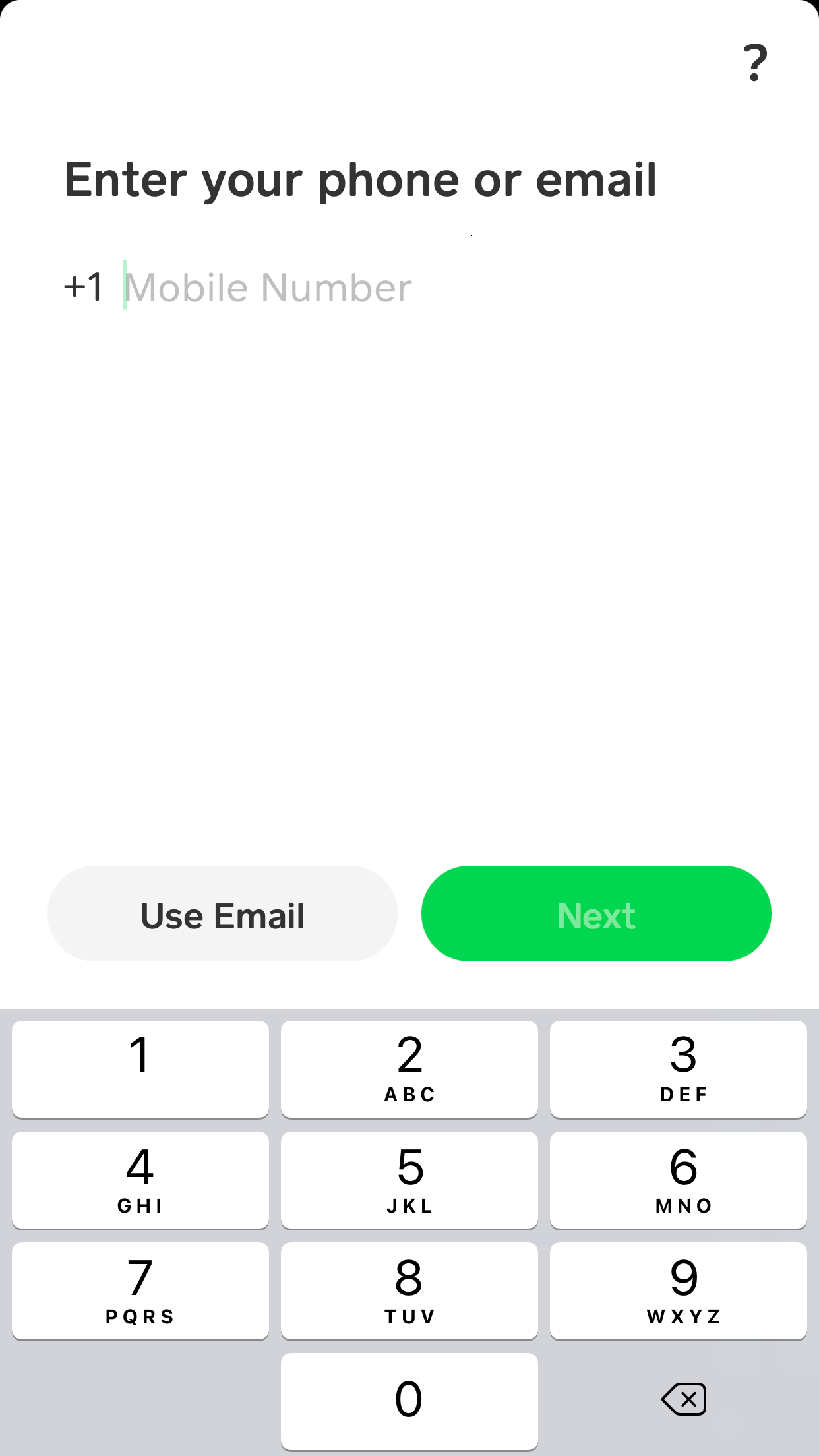
- Enter Your Phone Number or Email: The app will present a prompt requesting either a mobile phone number or an email address. This serves as your primary identifier for the account. It is crucial to use a number or email address that you have direct access to, as it will be used for verification.
- Verification Code: After entering your chosen contact method, Cash App will send a verification code (usually a 6-digit number) via SMS to your phone number or email. This is a critical security step known as multi-factor authentication, confirming you are the legitimate owner of the contact information.
- Enter the Code: Input the received verification code into the app when prompted. If the code doesn’t arrive promptly, check your spam folder (for email) or ensure you have mobile network coverage (for SMS) before requesting a new code.
Verifying Your Identity for Enhanced Security
To unlock Cash App’s full suite of features and comply with financial regulations (Know Your Customer – KYC), identity verification is often required. This step involves providing personal information to establish the legitimacy of your account and prevent fraudulent activities.
- Provide Personal Information: You will be asked to enter your full legal name, date of birth, and the last four digits of your Social Security Number (SSN). This information is securely transmitted and used for identity confirmation. For users under 18, the process might be slightly different or require parental consent in some regions.
- Address Details: In some cases, your physical address might also be requested to further verify your identity.
- Purpose of Verification: This process is not merely a formality; it enables Cash App to comply with anti-money laundering (AML) laws and enhance the security of your account, protecting both you and the platform from financial crimes. Without full verification, certain features, such as sending large sums or using the Cash Card, may be limited.
Linking a Bank Account or Debit Card
To make your Cash App account truly functional for sending and receiving money, you’ll need to link a funding source.
- Choose Your Link Method: Cash App typically offers options to link either a debit card or a bank account. A debit card is generally quicker for initial setup.
- Debit Card Linking: Enter your debit card number, expiration date, CVV (the 3-digit security code on the back), and zip code. This securely connects your card to your Cash App account.
- Bank Account Linking: For a direct bank account link, you’ll often be prompted to sign in to your online banking portal through Cash App’s secure third-party integration (e.g., Plaid). This method securely establishes a connection, allowing for direct transfers between your bank and Cash App. You may also have the option to manually enter your bank’s routing and account numbers.
- Verification Transaction: Sometimes, Cash App will initiate small, temporary transactions (e.g., two small deposits followed by a withdrawal) to verify the linked account. You’ll need to confirm these amounts in the app.
Mastering Your New Cash App Account: Essential First Steps
With your account successfully created, it’s time to personalize your profile and explore the core functionalities, ensuring you maximize your Cash App experience from a user-centric perspective.
Customizing Your CashTag and Profile

Your CashTag is your unique identifier on Cash App, allowing others to easily find and send money to you.
- Create Your CashTag: Upon initial setup or via the profile section, you’ll be prompted to create a unique CashTag (e.g., $YourName). Choose something memorable and professional if you intend to use it for business.
- Personalize Your Profile: You can upload a profile picture and add a brief description to make your account more recognizable to friends and contacts. This enhances the social aspect of the application, making P2P interactions more personal.
Exploring Core App Features
Once your account is active, familiarize yourself with the primary functions of the app.
- Sending and Receiving Money: The central functionality. You can send money by tapping the “$” icon, entering an amount, and selecting a recipient via their CashTag, phone number, or email. Receiving money is automatic when someone sends it to your linked identifier.
- Adding Cash (Loading Funds): You can add money from your linked bank account or debit card directly into your Cash App balance. This is essential if you wish to hold a balance within the app for spending or investing.
- Cashing Out (Withdrawing Funds): Transfer your Cash App balance back to your linked bank account. Standard transfers are free but take 1-3 business days, while “Instant Deposits” incur a small fee (typically 0.5-1.75%) but transfer funds immediately.
- Ordering a Cash Card: A free, customizable Visa debit card linked to your Cash App balance, allowing you to spend funds directly from your account at physical stores and online. This integrates the digital wallet with traditional payment methods.
Understanding Transaction Limits and Upgrades
Cash App implements transaction limits for security and regulatory compliance.
- Initial Limits: Newly created accounts typically have limits on how much can be sent and received within a specific timeframe (e.g., $250 sent per week, $1,000 received per month).
- Increasing Limits: To increase these limits, you’ll typically need to provide more personal information, further verifying your identity. This might involve submitting your full Social Security Number (if only the last four digits were provided initially) or other identifying documents. This process is standard for financial applications to comply with federal regulations and enhance the security posture of larger transactions. The app will guide you through these additional verification steps if you attempt a transaction that exceeds your current limits.
Ensuring Digital Security and Privacy on Cash App
Digital security is paramount for any financial application. Cash App employs sophisticated technologies to protect user data and funds, but user vigilance is equally important.
Best Practices for Account Protection
Adhering to security best practices significantly reduces the risk of unauthorized access.
- Strong, Unique Passwords/PINs: Always use a complex, unique PIN or password for your Cash App account. Avoid easily guessable combinations.
- Enable Security Lock: Utilize the in-app “Security Lock” feature, requiring your PIN or fingerprint/Face ID for every transaction.
- Two-Factor Authentication (2FA): Although Cash App uses phone/email verification during login, ensure your primary phone number and email are secured with 2FA themselves.
- Monitor Account Activity: Regularly review your transaction history for any suspicious or unauthorized activities.
- Device Security: Keep your smartphone’s operating system updated, and use a screen lock to prevent unauthorized physical access to your device.
Recognizing and Avoiding Common Scams
Unfortunately, the popularity of financial apps makes them targets for scammers.
- Phishing Attempts: Be wary of suspicious emails or messages claiming to be from Cash App, especially those asking for personal information or login credentials. Cash App will never ask for your PIN or full SSN via email or text.
- “Cash Flipping” Scams: Avoid offers promising to “flip” or multiply your money quickly. These are almost always scams designed to take your initial deposit.
- Impersonation Scams: Scammers may impersonate customer support, lottery officials, or even friends. Always verify the identity of the sender before sending money.
- Never Share Your PIN: Your personal identification number (PIN) is for your eyes only. Sharing it grants full access to your funds.
Data Encryption and Privacy Protocols
Cash App utilizes advanced encryption technologies to safeguard your sensitive information. All data transmitted between your device and Cash App’s servers is encrypted using industry-standard protocols (e.g., TLS/SSL). This ensures that your financial details, personal information, and transaction data are protected from interception by malicious actors. Additionally, Cash App’s privacy policy outlines how your data is collected, used, and protected, emphasizing a commitment to user privacy in compliance with relevant data protection regulations. While no system is entirely impervious, Cash App continuously updates its security infrastructure to counter emerging threats, providing a secure environment for digital transactions.
Troubleshooting and Common Issues During Setup
Even with a streamlined process, users may occasionally encounter technical difficulties during account setup. Knowing how to troubleshoot these common issues can save time and frustration.
Connectivity Problems and App Glitches
Sporadic internet connection or minor app bugs can hinder the setup process.
- Check Internet Connection: Ensure you have a stable Wi-Fi or mobile data connection. A weak signal can prevent the app from communicating with its servers.
- Restart the App: Close Cash App completely and reopen it. This can resolve temporary glitches.
- Clear App Cache (Android) / Reinstall (iOS/Android): For persistent issues, try clearing the app’s cache (Android: Settings > Apps > Cash App > Storage > Clear cache). If that fails, uninstalling and reinstalling the app can often fix deeper software conflicts.
- Update App: Ensure you are running the latest version of Cash App. Outdated versions may have unresolved bugs.
Verification Delays and Solutions
Identity verification is crucial but can sometimes experience delays.
- Review Input Details: Double-check that all personal information (name, DOB, SSN, address) was entered accurately and matches official documentation. Even minor typos can cause verification failures.
- Allow Time: Verification processes can take some time, especially if manual review is required. If you haven’t received confirmation within a few business days, proceed to contact support.
- Provide Additional Documentation: In some cases, Cash App may request further documentation, such as a photo of a government-issued ID. Be prepared to provide these securely if prompted.
Contacting Cash App Support
If you encounter an issue that you cannot resolve independently, Cash App’s support channels are available.
- In-App Support: The most direct method is to access support via the app: Tap the profile icon > Scroll down and tap “Support.” This connects you with their help resources and agents.
- Website Support: Visit the official Cash App website for an extensive FAQ section and contact options.
- Social Media: Cash App has official support accounts on platforms like Twitter, which can be useful for general inquiries, but avoid sharing sensitive personal information publicly.
When contacting support, be prepared to provide specific details about your issue, including any error messages received, the steps you’ve already taken, and the type of device you are using. This helps agents diagnose and resolve problems more efficiently.
Conclusion
Creating a new Cash App account is a straightforward gateway to simplified digital finance. By following these detailed technical steps, from downloading the app to verifying your identity and linking a funding source, users can confidently establish their presence on the platform. Embracing the security best practices and understanding the available support mechanisms ensures a secure and efficient experience. Cash App represents a significant stride in financial technology, empowering users with instant, mobile-first control over their money, making it an essential tool in today’s digital economy.
aViewFromTheCave is a participant in the Amazon Services LLC Associates Program, an affiliate advertising program designed to provide a means for sites to earn advertising fees by advertising and linking to Amazon.com. Amazon, the Amazon logo, AmazonSupply, and the AmazonSupply logo are trademarks of Amazon.com, Inc. or its affiliates. As an Amazon Associate we earn affiliate commissions from qualifying purchases.