
The evolution of decentralized finance and distributed ledger technology has transformed the way we perceive digital assets. While the early days of cryptocurrency were defined by a small group of cypherpunks, the modern landscape allows developers, engineers, and tech visionaries to build their own digital currencies. Understanding how to make a cryptocurrency requires a deep dive into the underlying architecture of blockchain technology, the nuances of consensus mechanisms, and the rigorous demands of smart contract security.
Building a cryptocurrency is not a singular task; it is a multi-layered engineering project that ranges from selecting a protocol to ensuring the scalability of a network. Whether you are building an independent blockchain or a token on an existing ecosystem, the technical roadmap remains the most critical factor in the project’s long-term viability.
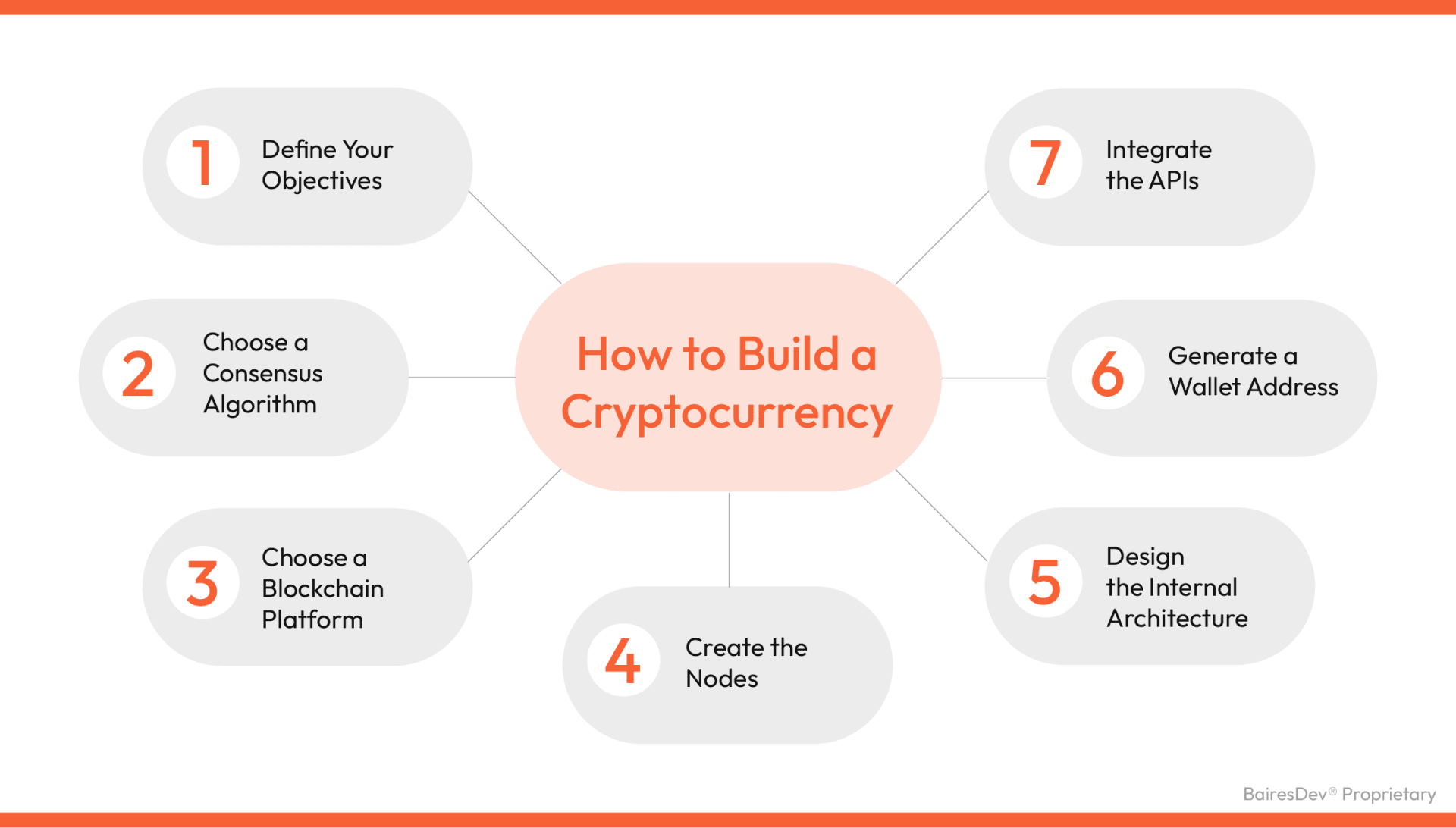
Defining the Foundation: Coin vs. Token
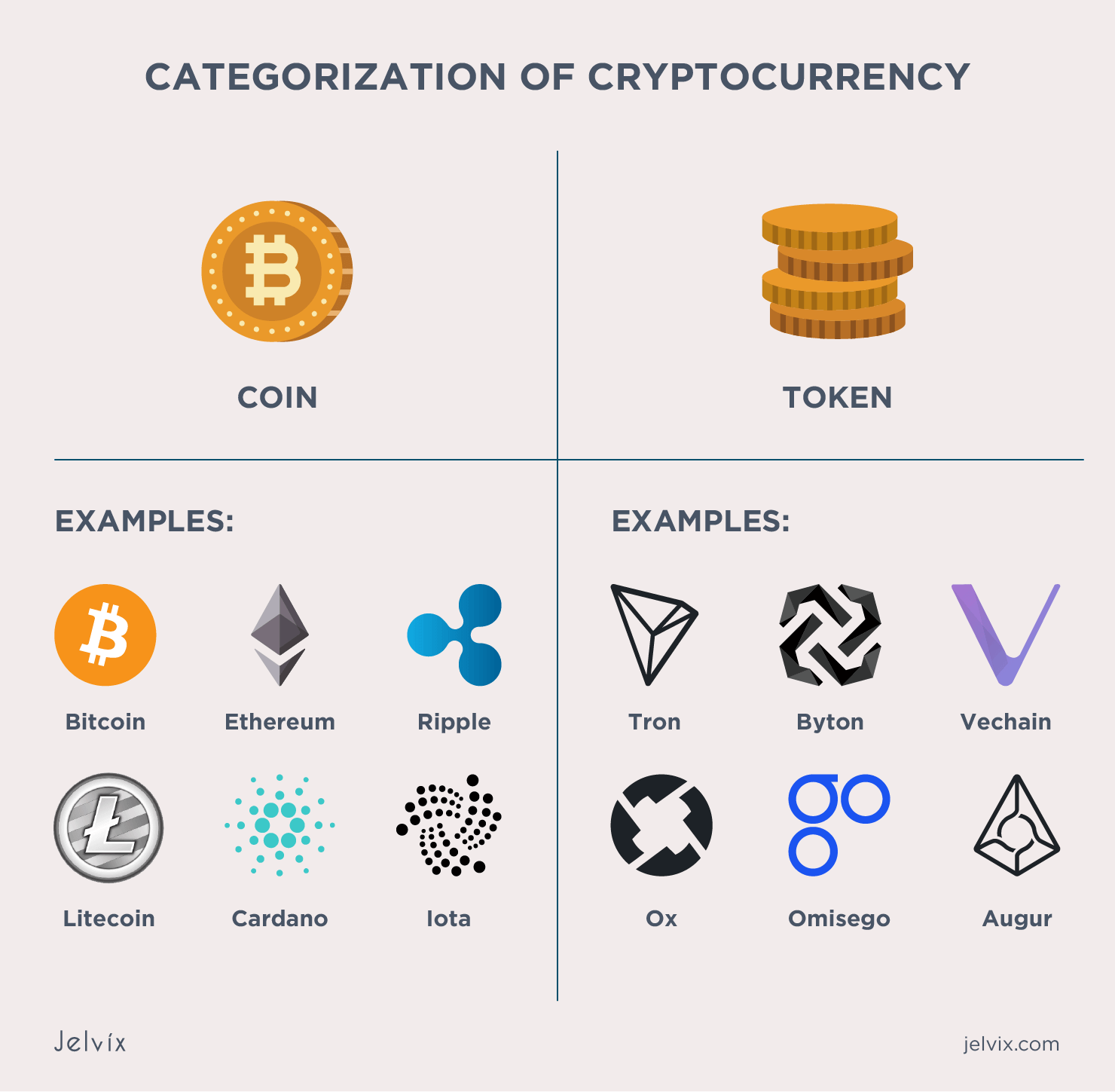
Before a single line of code is written, a developer must make a fundamental architectural decision: will the project be a “coin” or a “token”? While these terms are often used interchangeably in casual conversation, they represent vastly different technical frameworks.
Building an Independent Blockchain (Coin)
A “coin” operates on its own independent blockchain. Examples include Bitcoin, Ethereum, and Solana. Building a coin is the most complex path because it requires constructing the entire infrastructure from the ground up. This involves designing the node architecture, the P2P (peer-to-peer) communication protocols, and the ledger synchronization methods.
Developing a native blockchain offers the highest level of freedom. You have complete control over block times, transaction fees, and the consensus algorithm. However, this path requires significant expertise in low-level programming languages like C++, Rust, or Go. It also demands a strategy for incentivizing miners or validators to join the network; without a distributed set of nodes, the blockchain remains centralized and vulnerable to attacks.
Leveraging Existing Ecosystems (Token)
A “token” is a digital asset built on top of an existing blockchain via smart contracts. This is the most common approach for new developers because it leverages the security and decentralization of an established network.
The most popular standard for token creation is Ethereum’s ERC-20, though other networks like Binance Smart Chain (BEP-20) and Solana (SPL) offer high-speed alternatives. By creating a token, you bypass the need to build a consensus engine and a network of nodes. Instead, you focus on the logic of the smart contract that governs how the tokens are issued, transferred, and burned. This approach significantly reduces development time and technical overhead while maintaining high levels of security.
The Technical Blueprint: Selecting Architecture and Consensus
The architecture of your cryptocurrency dictates how it handles data, secures the network, and scales under pressure. Every blockchain relies on a “consensus mechanism”—the process by which nodes in the network agree on the validity of transactions.
Choosing a Consensus Mechanism
The consensus mechanism is the heartbeat of a cryptocurrency. The two most prominent methods are Proof of Work (PoW) and Proof of Stake (PoS), each with distinct technical trade-offs.
-
Proof of Work (PoW): Utilized by Bitcoin, PoW requires “miners” to solve complex mathematical puzzles to validate transactions. While highly secure and battle-tested, it is energy-intensive and often suffers from slower transaction speeds.
-
Proof of Stake (PoS): Modern blockchains like Ethereum 2.0 and Cardano use PoS. In this model, “validators” are chosen to create new blocks based on the number of coins they hold and are willing to “stake” as collateral. PoS is significantly more energy-efficient and allows for higher throughput (transactions per second).
-
Delegated Proof of Stake (DPoS): This variant allows users to vote for a limited number of delegates who secure the network. It offers extreme speed but is often criticized for being more centralized than pure PoS.
Selecting the Right Blockchain Platform
If you choose the token route, the platform you select will define your asset’s technical limitations.
-
Ethereum: The gold standard for decentralization and security. It uses the Solidity programming language and has the largest developer ecosystem.
-
Solana: Known for high performance, Solana uses a unique Proof of History (PoH) mechanism and is programmed primarily in Rust. It is ideal for applications requiring low latency.
-
Polygon: As a Layer-2 scaling solution for Ethereum, Polygon offers the security of the Ethereum mainnet with significantly lower gas fees and faster confirmation times.
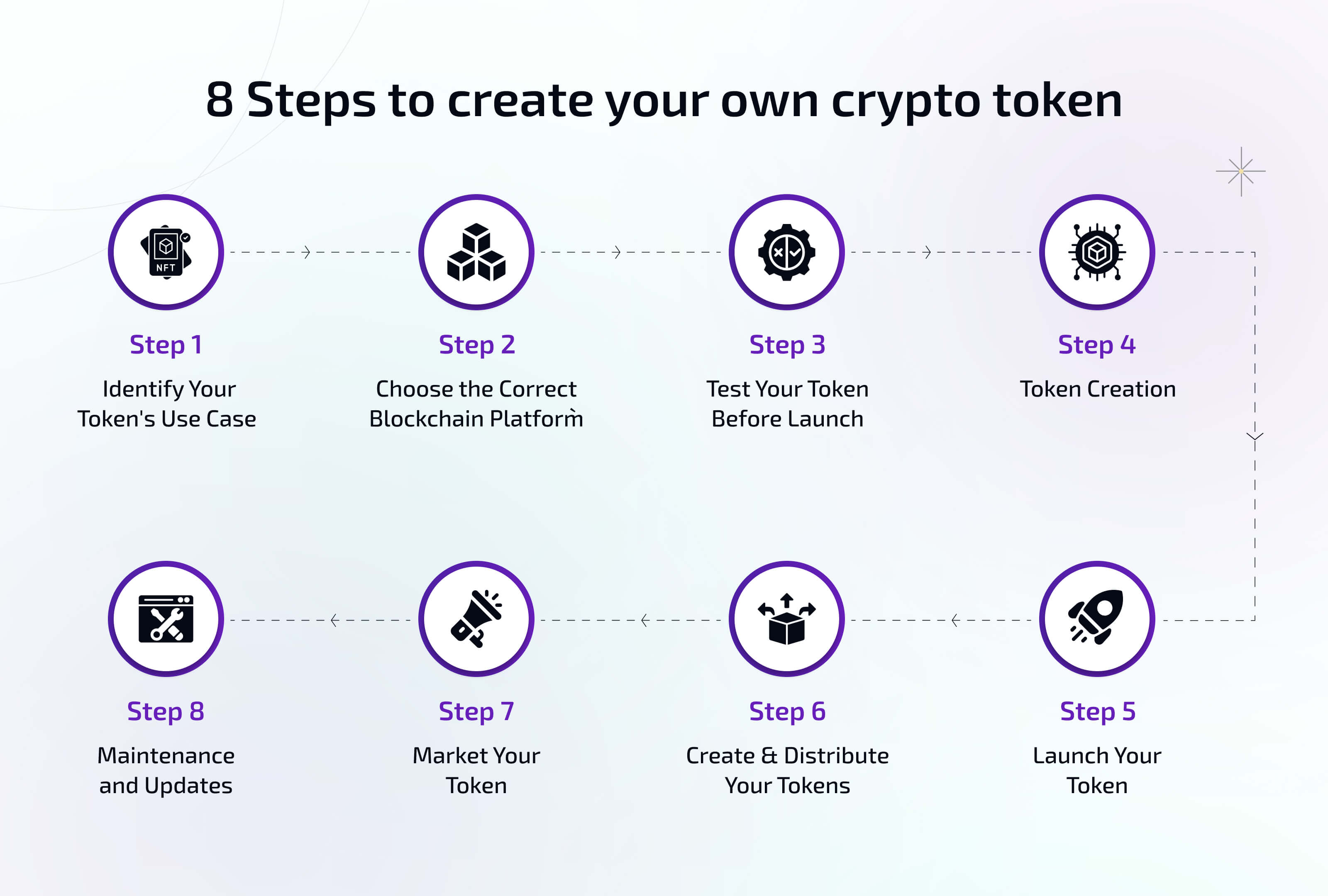
The Development Process: From Code to Deployment
Once the theoretical framework is established, the project moves into the active development phase. This involves setting up the development environment, writing the core logic, and deploying to a test network.
Designing the Nodes and Internal Architecture
If you are building a native coin, you must design the internal logic of the nodes. This includes:
-
The Transaction Format: How are inputs and outputs structured? (e.g., UTXO model vs. Account model).
-
The Network Protocol: How do nodes discover each other and broadcast information?
-
The Data Structure: How is the ledger stored? Most use a Merkle Tree structure to allow for efficient and secure verification of large data sets.
Writing the Smart Contract
For those building a token, the smart contract is the core of the project. A smart contract is a self-executing piece of code stored on the blockchain. On Ethereum, this is typically written in Solidity. The contract must define:
-
Total Supply: The maximum number of tokens that will ever exist.
-
Minting and Burning: Can more tokens be created later? Can they be permanently removed from circulation?
-
Access Control: Who has the authority to change certain parameters of the contract? (e.g., the “owner” or a decentralized autonomous organization (DAO)).
Development tools like Hardhat and Truffle are essential during this phase, providing a local environment to compile, deploy, and debug smart contracts before they ever touch a live blockchain.
API Integration and Interface Development
A cryptocurrency is useless if users cannot interact with it. Technical development must include the creation of APIs (Application Programming Interfaces) that allow wallets and exchanges to communicate with the blockchain.
-
Web3.js or Ethers.js: These libraries allow developers to build front-end applications (dApps) that interact with the Ethereum blockchain via a web browser.
-
Wallet Integration: Ensuring compatibility with hardware and software wallets like MetaMask, Trust Wallet, or Ledger is a technical requirement for user adoption.
Security Audits and Technical Maintenance
Security is the most critical aspect of cryptocurrency development. Because blockchain transactions are irreversible, a single bug in a smart contract can lead to the permanent loss of millions of dollars in assets.
The Role of External Security Audits
No cryptocurrency should be launched without a professional security audit. Third-party firms specialize in “formal verification” and “penetration testing” to find vulnerabilities such as:
-
Reentrancy Attacks: Where an attacker repeatedly calls a function before the previous call is finished, potentially draining funds.
-
Integer Overflow/Underflow: Errors in mathematical operations that can lead to unexpected token balances.
-
Gas Limit Vulnerabilities: Logic that requires more computational power than the block limit allows, effectively freezing the contract.
The audit process involves a line-by-line review of the code and the execution of automated testing suites to ensure the logic holds up under extreme conditions.
Post-Launch Support and Scaling
Launching the cryptocurrency is only the beginning. Post-launch, developers must monitor the network for anomalies and prepare for necessary upgrades. In the world of blockchain, upgrades often take the form of “forks.”
-
Soft Fork: A backward-compatible upgrade where old nodes still recognize new blocks.
-
Hard Fork: A radical change to the protocol that requires all nodes to upgrade. This can result in a permanent split of the network if there is no consensus among the community.
Navigating the Regulatory and Interoperability Landscape
As the technology matures, “interoperability” has become a major technical focus. Developers are increasingly building with “cross-chain bridges” in mind, allowing their cryptocurrency to move between different blockchains (e.g., from Ethereum to Binance Smart Chain). This requires implementing protocols like IBC (Inter-Blockchain Communication) or using wrapped assets.
Furthermore, from a technical perspective, developers must consider “compliance by design.” This might involve coding features that allow for “whitelisting” of addresses or “freezing” of assets in specific legal scenarios, depending on the jurisdiction and the intended use case of the digital asset.
Building a cryptocurrency is a rigorous exercise in software engineering, cryptography, and network theory. By meticulously choosing the right foundation, writing secure and efficient code, and subjecting the project to intensive auditing, developers can contribute meaningful innovations to the expanding digital economy. Whether the goal is to solve a specific technical problem or to create a new medium of exchange, the success of a cryptocurrency ultimately depends on the integrity and robustness of its underlying code.
aViewFromTheCave is a participant in the Amazon Services LLC Associates Program, an affiliate advertising program designed to provide a means for sites to earn advertising fees by advertising and linking to Amazon.com. Amazon, the Amazon logo, AmazonSupply, and the AmazonSupply logo are trademarks of Amazon.com, Inc. or its affiliates. As an Amazon Associate we earn affiliate commissions from qualifying purchases.