
In an increasingly complex financial landscape, mastering your money is not merely an aspiration but a necessity. At the heart of financial mastery lies a meticulously crafted budget plan. Far from being a restrictive exercise, a budget is an empowering tool, providing a clear roadmap to financial security, freedom, and the realization of your most ambitious goals. It transforms the vague concept of “managing money” into a concrete, actionable strategy, allowing you to allocate resources intentionally rather than reactively. This comprehensive guide will walk you through the essential steps to create a robust and effective budget plan, empowering you to take command of your financial future.
The Indispensable Value of Budgeting: Why a Plan Matters
Many view budgeting as a chore, a necessary evil that curtails spontaneity and fun. However, this perspective fundamentally misunderstands its true purpose. A well-designed budget isn’t about deprivation; it’s about prioritization and intelligent allocation. It illuminates your financial reality, offering clarity and control over your hard-earned income.
Gaining Financial Clarity and Control
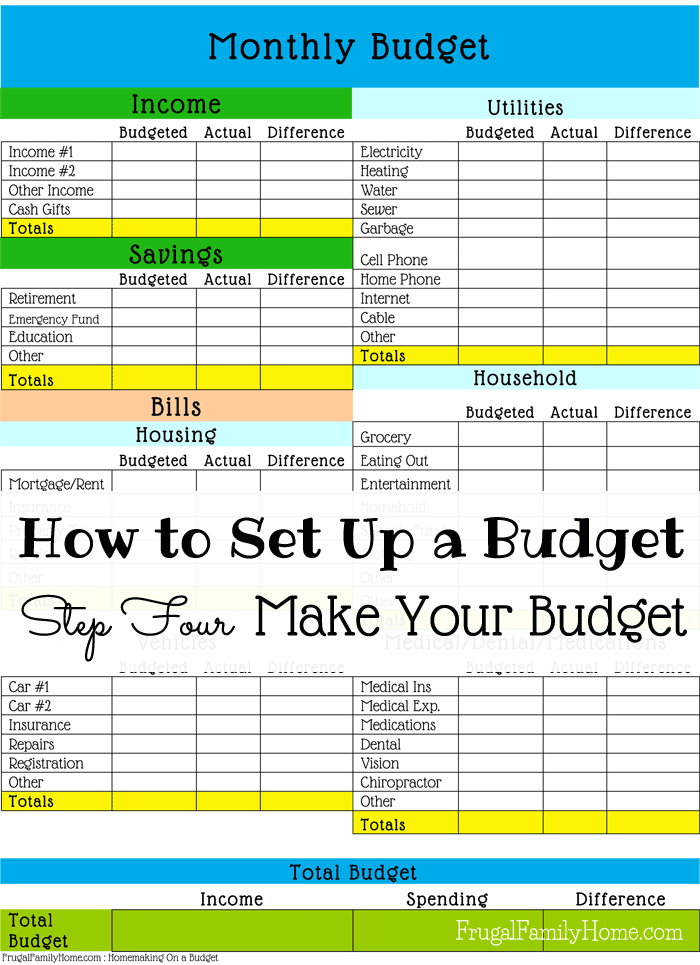
Without a budget, money can feel like sand slipping through your fingers. You might earn a good income, yet wonder where it all goes. A budget brings this elusive flow of money into sharp focus. It provides a detailed snapshot of your income and expenditures, allowing you to see exactly where every dollar originates and where it’s directed. This transparency is the first step toward regaining control, moving from a reactive financial posture to a proactive one. You’ll understand your spending habits, identify potential leaks, and make informed decisions about your money. This clarity also reduces financial stress, replacing anxiety with confidence in your ability to manage your resources.
Achieving Financial Goals
Whether your goal is to save for a down payment on a house, fund a child’s education, embark on a dream vacation, pay off high-interest debt, or build a robust retirement fund, a budget is the strategic vehicle that gets you there. It quantifies your goals, breaking them down into manageable monthly savings targets. By consciously allocating funds towards these objectives, you transform abstract dreams into concrete financial actions. A budget ensures that your day-to-day spending aligns with your long-term aspirations, preventing impulse purchases from derailing your progress. It’s the difference between wishing for financial success and actively planning for it.
Preparing for the Unexpected
Life is unpredictable, and financial emergencies are an unfortunate reality. Job loss, unexpected medical bills, car repairs, or home maintenance issues can quickly derail even the most stable financial situations if you’re unprepared. A budget plan inherently incorporates a strategy for building an emergency fund. By consistently setting aside a portion of your income, you create a financial safety net that can absorb these shocks without resorting to high-interest debt or compromising your long-term goals. This proactive measure provides peace of mind, knowing you have a buffer against life’s inevitable curveballs.
The Foundational Steps to Building Your Budget
Creating a budget plan isn’t about pulling numbers out of thin air. It requires a meticulous, honest assessment of your financial inflows and outflows. These foundational steps lay the groundwork for a realistic and sustainable budget.
Assess Your Income: Know What You Have
The first step is to accurately determine your total monthly net income. This is the money you actually have available to spend and save after taxes, deductions, and contributions to retirement accounts or health insurance. Include all reliable sources of income: your primary salary, any regular freelance work, rental income, or consistent side hustles. If your income varies significantly month-to-month, it’s prudent to use a conservative average or budget based on your lowest expected monthly income to avoid overspending. Be precise; round numbers or estimates can lead to inaccuracies that undermine your entire plan.
Track Your Expenses: Uncover Where Your Money Goes
This is often the most revealing, and sometimes challenging, part of the budgeting process. For at least one month, and ideally two or three, diligently track every single dollar you spend. This means scrutinizing bank statements, credit card statements, and logging cash transactions. Many people are surprised to discover how much they spend on seemingly small, discretionary items. Digital tools, budgeting apps, or even a simple spreadsheet can greatly simplify this tracking process. The goal here is not to judge your spending, but to gain an unbiased, factual understanding of your current financial habits.
Categorize Spending: Fixed vs. Variable
Once you’ve tracked your expenses, categorize them. This step is crucial for identifying areas where you can adjust spending.
- Fixed Expenses: These are costs that typically remain the same each month and are difficult to change in the short term. Examples include rent/mortgage payments, car payments, insurance premiums, loan repayments, and subscription services.
- Variable Expenses: These fluctuate month-to-month and offer more flexibility for adjustment. Examples include groceries, utilities (which can vary), dining out, entertainment, clothing, transportation (gas, public transit), and personal care.
By distinguishing between these two types, you can clearly see where your financial commitments lie and where you have levers to pull for savings.
Crafting Your Budget: Popular Methods and Strategies
With your income and expenses clearly defined, it’s time to build the budget itself. There are various popular budgeting methods, each offering a unique approach. Choose the one that best aligns with your personality, financial situation, and comfort level.
The 50/30/20 Rule: A Simple Framework
This popular method simplifies budgeting into three broad categories:
- 50% for Needs: This covers essential living expenses like housing (rent/mortgage), utilities, groceries, transportation, and minimum debt payments.
- 30% for Wants: This category includes discretionary spending that improves your quality of life but isn’t strictly essential, such as dining out, entertainment, hobbies, vacations, and shopping.
- 20% for Savings & Debt Repayment: This portion is dedicated to building an emergency fund, investing for retirement, making additional payments on debt (beyond minimums), or saving for specific goals.
The 50/30/20 rule is excellent for beginners due to its straightforward nature, providing a general guideline that allows for flexibility while ensuring core financial health.
Zero-Based Budgeting: Giving Every Dollar a Job
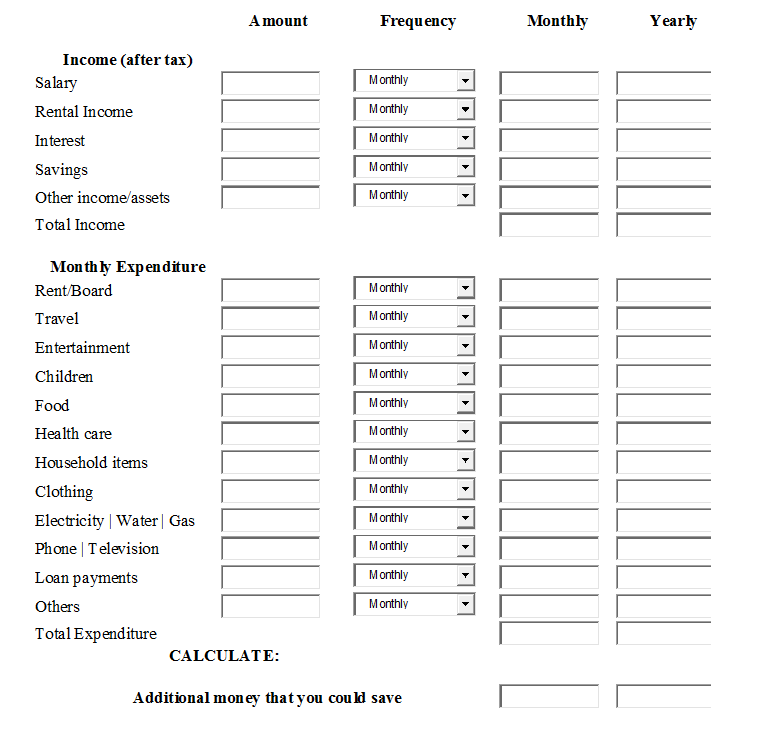
Zero-based budgeting demands that you allocate every single dollar of your income to a specific category – whether it’s an expense, savings, or debt repayment – until your income minus your expenses and savings equals zero. The idea is that no money is left unaccounted for or “left over” at the end of the month. This method requires meticulous planning but provides maximum control, as you consciously decide the purpose of every dollar. It’s particularly effective for those who want to be very intentional with their money and prevent “leakage” into unknown spending.
Envelope System: Tangible Control for Cash Spenders
The envelope system is a classic, tactile budgeting method, particularly suited for managing variable expenses with cash. You allocate a specific amount of cash for each variable spending category (e.g., groceries, entertainment, dining out) into physical envelopes at the beginning of the month. Once an envelope is empty, you stop spending in that category until the next month. This system provides a tangible limit and immediate feedback on your spending, preventing overspending in specific areas. While primarily for cash, digital versions using apps or sub-accounts exist.
Pay Yourself First: Prioritizing Savings
This isn’t a standalone budgeting system but a powerful principle to integrate into any method. “Pay yourself first” means that as soon as you receive your paycheck, you immediately allocate a portion to your savings, investments, or debt repayment goals before you pay any bills or spend on discretionary items. By automating these transfers, you ensure that your financial future is prioritized, rather than relying on whatever might be left over at the end of the month. This simple shift in timing can dramatically accelerate your progress towards financial goals.
Implementing and Maintaining Your Budget Plan
Creating the budget is one thing; consistently sticking to it and adapting it over time is another. Implementation and ongoing maintenance are crucial for long-term success.
Choose Your Tools: Digital vs. Manual
The right tools can significantly enhance your budgeting experience.
- Manual Methods: Spreadsheets (Google Sheets, Excel) offer flexibility and customization for those who enjoy hands-on tracking. Notebooks or planners provide a tactile experience.
- Digital Tools/Apps: Numerous budgeting apps (e.g., Mint, YNAB, Personal Capital, PocketGuard) link directly to your bank accounts and credit cards, automating transaction categorization and providing real-time insights. Many banks also offer integrated budgeting features.
Experiment with different tools to find what works best for your comfort level and consistency. The best tool is the one you will actually use.
Review and Adjust Regularly
A budget is not a static document; it’s a living guide. Life changes, income fluctuates, and expenses evolve. Set aside time each month (or at least quarterly) to review your budget. Compare your planned spending with your actual spending. Identify categories where you consistently overspend or underspend. Are your financial goals still relevant? Do you need to reallocate funds due to a new expense or increased income? Regular adjustments ensure your budget remains realistic, relevant, and effective. Don’t be afraid to tweak it; flexibility is key to its longevity.
Stay Accountable and Motivated
Budgeting can feel isolating, but it doesn’t have to be. Share your goals with a trusted friend, family member, or financial mentor. Consider joining online communities or forums dedicated to personal finance for support and advice. Celebrate small wins – reaching a savings milestone or sticking to your grocery budget for a month. Recognize that setbacks are normal; simply analyze what went wrong, make adjustments, and get back on track. Maintaining motivation is crucial for consistent adherence.
Differentiate Needs vs. Wants
This is a fundamental skill that budgeting cultivates. A “need” is an expense essential for survival or maintaining your livelihood (shelter, basic food, essential transportation, utilities). A “want” is anything else that enhances your life but isn’t strictly necessary (dining out, entertainment, premium streaming services, designer clothes). While wants are an important part of life, understanding the distinction allows you to prioritize spending, especially when money is tight, and makes it easier to cut back without feeling deprived when necessary.
Overcoming Common Budgeting Challenges
Even with a well-designed plan, you’ll encounter obstacles. Anticipating and preparing for these challenges can help you stay on track.
Dealing with Irregular Income
For freelancers, commission-based earners, or those with seasonal work, irregular income poses a unique challenge. The best approach is to budget based on your lowest consistent monthly income. Any additional income beyond that baseline can then be allocated strategically – first to build a larger emergency fund (3-6 months of expenses), then to savings goals, or debt reduction. Another strategy is to “smooth” your income by saving extra money during high-income months to cover expenses during leaner periods.
Avoiding Budget Burnout
Strict, overly restrictive budgets can lead to “budget burnout,” where the feeling of deprivation becomes overwhelming, causing you to abandon your plan entirely. Build in some flexibility and a “fun money” category. Even small amounts for discretionary spending can prevent feelings of deprivation. Remember, a budget is a tool for freedom, not a cage. If your budget is making you miserable, it’s likely too restrictive and needs adjustment.

Adapting to Life Changes
Life is dynamic. A new job, marriage, birth of a child, divorce, or unexpected illness will significantly impact your financial situation. Your budget must adapt accordingly. Major life changes necessitate a complete re-evaluation of your income, expenses, and financial goals. Be prepared to revisit and revise your budget during these transitional periods, seeing them as opportunities to refine your financial strategy rather than as setbacks.
Creating and adhering to a budget plan is one of the most powerful steps you can take toward securing your financial future. It’s a journey of self-discovery, discipline, and consistent effort, but the rewards—financial clarity, reduced stress, and the ability to achieve your most cherished goals—are immeasurable. Embrace the process, be patient with yourself, and commit to the ongoing practice of managing your money with purpose and intention. Your financial freedom awaits.
aViewFromTheCave is a participant in the Amazon Services LLC Associates Program, an affiliate advertising program designed to provide a means for sites to earn advertising fees by advertising and linking to Amazon.com. Amazon, the Amazon logo, AmazonSupply, and the AmazonSupply logo are trademarks of Amazon.com, Inc. or its affiliates. As an Amazon Associate we earn affiliate commissions from qualifying purchases.