
Owning a car is a significant financial commitment, often representing the second-largest expense for many individuals after housing. Beyond the initial purchase price, the ongoing costs of fuel, insurance, and inevitable repairs can quickly accumulate. However, a crucial element often overlooked in personal financial planning is the strategic role of car maintenance. Far from being a mere chore, proactive and informed car maintenance is a powerful financial tool that can save you thousands of dollars, enhance your asset’s value, and provide invaluable peace of mind. This article will delve into how approaching car maintenance with a financial lens can optimize your expenses, protect your investment, and contribute significantly to your overall financial well-being.
The Proactive Power of Preventive Maintenance: Saving Money in the Long Run
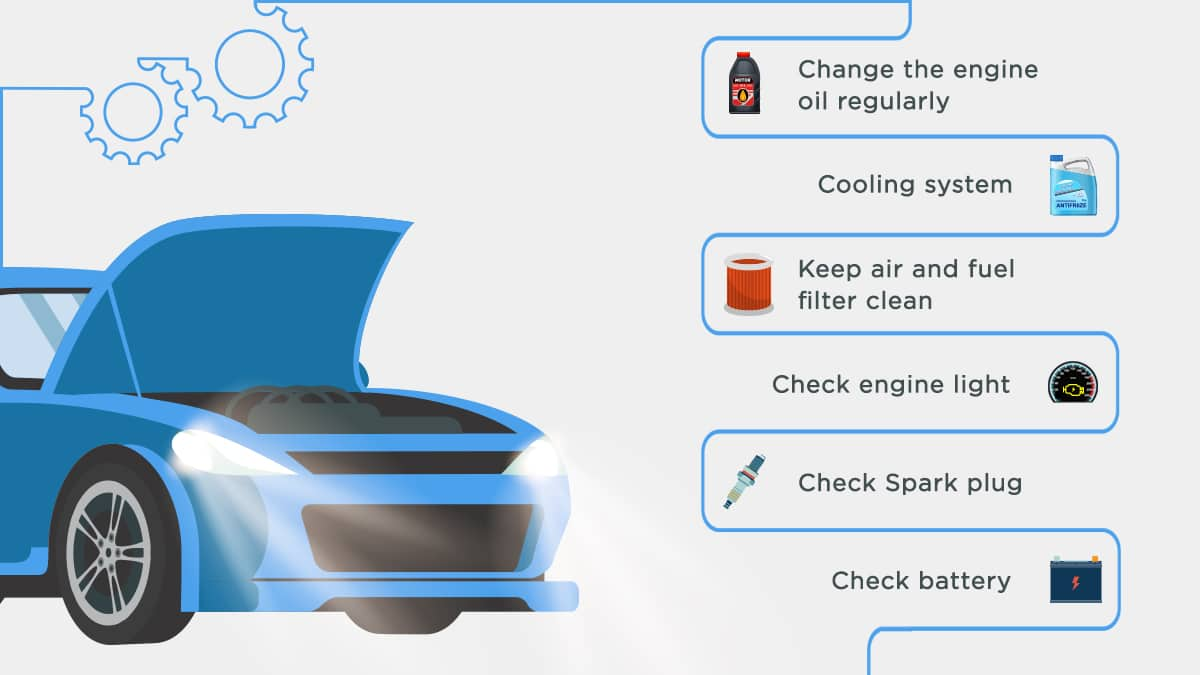
The adage “an ounce of prevention is worth a pound of cure” rings particularly true in the realm of automotive care. Embracing a preventive maintenance mindset is not just about keeping your vehicle running; it’s a deliberate financial strategy designed to minimize future expenditures and maximize efficiency.
Avoiding Costly Repairs Through Vigilance
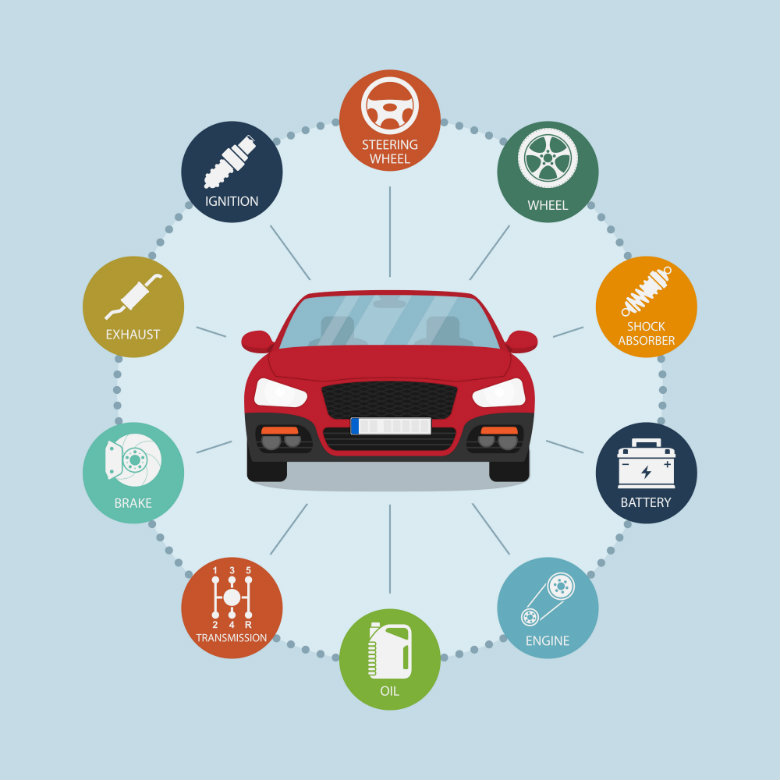
Neglecting minor issues is a common financial pitfall for car owners. A small, inexpensive problem today can rapidly escalate into a major, costly repair tomorrow. For instance, a worn-out serpentine belt, a relatively cheap replacement, could snap and leave you stranded, potentially causing damage to other engine components or requiring an expensive tow. Similarly, ignoring unusual noises from your brakes might lead to rotor damage in addition to pad replacement, significantly increasing the bill. Regular oil changes prevent premature engine wear, which can otherwise lead to catastrophic engine failure – an expense that often rivals the cost of a down payment on a new vehicle. By adhering to your car’s recommended maintenance schedule and addressing emerging issues promptly, you’re not just maintaining your vehicle; you’re safeguarding your bank account from unexpected and hefty repair bills. These routine checks, fluid replacements, and inspections act as an insurance policy, mitigating the risk of larger financial outlays down the road.
Enhancing Fuel Efficiency and Reducing Operating Costs
Fuel is typically one of the most substantial ongoing costs of car ownership. While fluctuating gas prices are beyond your control, your car’s fuel efficiency is directly influenced by its maintenance status. Simple maintenance tasks can yield significant savings at the pump. Properly inflated tires, for example, reduce rolling resistance, improving fuel economy by up to 3% according to the U.S. Department of Energy. A clean air filter ensures optimal engine performance and fuel combustion, while replacing worn spark plugs guarantees efficient ignition. Misaligned wheels not only cause uneven tire wear but also increase drag, forcing the engine to work harder and consume more fuel. By ensuring your engine is tuned, fluids are fresh, and tires are correctly aligned and inflated, you are directly impacting your monthly fuel budget. These small, consistent efforts translate into tangible financial savings, allowing you to stretch your dollar further with every tank.
Mitigating Depreciation and Maximizing Resale Value
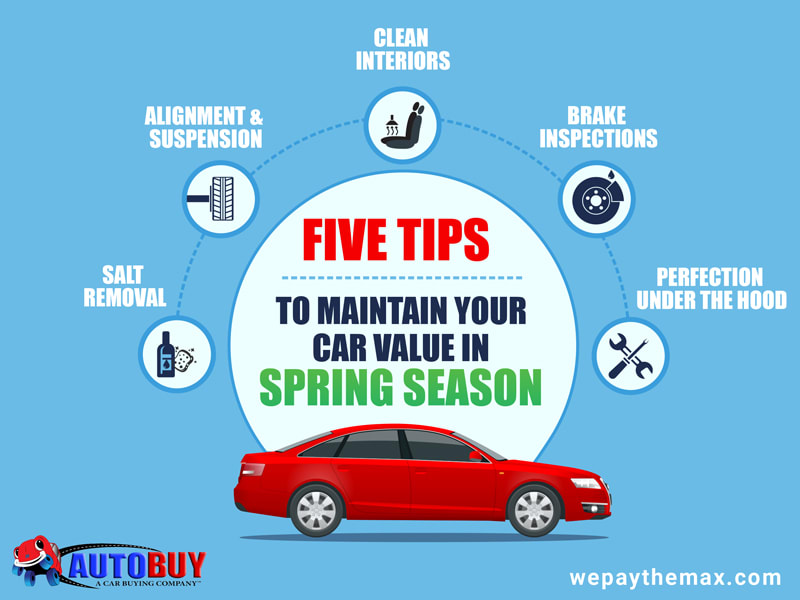
A car is a depreciating asset, but the rate at which it loses value can be significantly influenced by its condition and maintenance history. A well-maintained vehicle, both mechanically and aesthetically, commands a higher resale or trade-in value. Potential buyers or dealerships are willing to pay more for a car that has a clear service record, indicating diligent care and fewer potential hidden issues. This includes not just adherence to oil changes and tire rotations but also addressing cosmetic wear and tear, such as minor dents or interior cleanliness. Keeping comprehensive records of all maintenance performed, including dates, mileage, and services rendered, provides concrete proof of your investment in the vehicle’s longevity. This documentation serves as a valuable asset during negotiation, justifying a higher price point and ultimately recovering a larger portion of your initial investment. From a financial standpoint, consistent maintenance is not merely an expense; it’s an investment in preserving your asset’s capital.
Budgeting for Car Care: Integrating Maintenance into Your Financial Plan
Effective personal finance involves anticipating and planning for all expenses, and car maintenance should be no exception. Integrating car care into your financial budget transforms it from an unpredictable burden into a manageable, expected cost.
Estimating Annual Maintenance Costs
One of the first steps in budgeting for car maintenance is to understand what to expect. While unexpected repairs can always arise, a significant portion of maintenance costs are predictable. Researching average annual maintenance costs for your specific vehicle make, model, and year can provide a solid baseline. Resources like Edmunds, Kelley Blue Book (KBB), and consumer reports often publish these figures. Factors such as the vehicle’s age, mileage, and whether it’s a luxury brand or a standard economy car will influence these estimates. Typically, newer cars have lower maintenance costs, which tend to increase as the vehicle ages past its warranty period. Account for regular services like oil changes, tire rotations, fluid checks, filter replacements, and periodic larger services such as brake pad replacements or timing belt changes. Factoring in a contingency for unexpected issues is also a wise financial move.
Creating a Dedicated “Car Fund”
Once you have an estimated annual cost, the most effective way to manage these expenses is to create a dedicated “car fund.” Instead of waiting for a repair bill to hit your account, proactively set aside a small amount of money each month into a separate savings account. For example, if your estimated annual maintenance cost is $1,200, aim to save $100 each month. This strategy ensures that when a service is due or an unexpected repair arises, the funds are readily available, preventing you from dipping into emergency savings or, worse, resorting to high-interest credit cards. This approach removes the financial stress associated with car maintenance, turning potential crises into anticipated events. It’s an essential component of a robust personal financial strategy, fostering financial discipline and preparedness.
The True Cost of Ownership: Beyond the Sticker Price
Understanding the “true cost of ownership” is fundamental to sound financial planning for a vehicle. This comprehensive view extends far beyond the initial purchase price or monthly loan payment. It encompasses fuel, insurance, depreciation, and critically, maintenance. When evaluating a new or used car purchase, savvy financial consumers consider not just the upfront cost but also how much it will realistically cost them to own and operate the vehicle over several years. For example, a car with a lower sticker price might have higher insurance premiums or notorious maintenance issues that make it more expensive in the long run than a slightly pricier, but more reliable, alternative. Factoring in expected maintenance costs when making a purchasing decision can guide you towards a vehicle that aligns better with your long-term financial goals, preventing buyer’s remorse and unexpected financial strain.
Strategic Choices for Repair and Service: Smart Financial Decisions
When maintenance or repairs become necessary, the choices you make about where and how to get the work done can have significant financial implications. Making informed decisions can help you secure quality service without overspending.
Dealership vs. Independent Mechanic: A Cost-Benefit Analysis
This is a perennial debate among car owners. Dealerships often boast factory-trained technicians, specialized tools, and genuine OEM (Original Equipment Manufacturer) parts, along with the assurance of brand-specific knowledge. However, these advantages typically come with a higher price tag for labor and parts. Independent mechanics, on the other hand, often offer more competitive labor rates and may provide options for aftermarket parts, which can be less expensive while still being of good quality. The key is to find a reputable independent shop with certified mechanics and positive reviews. For complex repairs still under warranty or for highly specialized work, a dealership might be the safer bet. For routine maintenance or common repairs, an independent shop can often provide significant savings without compromising quality. Get multiple quotes and compare not just the price, but also the warranty offered on parts and labor.
DIY vs. Professional Service: Balancing Savings and Risk
For those with a basic understanding of automotive mechanics and the right tools, performing certain maintenance tasks yourself can be a substantial money-saver. Simple jobs like changing air filters, cabin filters, wiper blades, topping off fluids, or even oil changes can be done at home for the cost of parts alone. However, it’s crucial to honestly assess your skill level and the complexity of the task. Attempting a repair beyond your capabilities can lead to further damage, costly errors, and even personal injury, ultimately negating any potential savings. When in doubt, or for tasks involving critical systems like brakes, steering, or engine diagnostics, professional service is almost always the financially prudent choice. The cost of a professional’s expertise and specialized equipment often outweighs the risk of a botched DIY job.
Understanding Warranties and Service Contracts
Leveraging warranties and extended service contracts (often mistakenly called extended warranties) can be a smart financial move. Understand the terms of your manufacturer’s warranty – what it covers, for how long, and what voids it. Sticking to the recommended service schedule, often a requirement to maintain warranty validity, is therefore a financial imperative. Extended service contracts, while an additional upfront expense, can provide significant financial protection against costly repairs once the manufacturer’s warranty expires, especially for vehicles known for expensive issues. Carefully review the terms, deductibles, and exclusions of any service contract to ensure it provides genuine value for money and covers the components you are most concerned about. Sometimes, the peace of mind offered by such a contract outweighs the cost, particularly for those who prefer fixed monthly expenses over large, unexpected repair bills.
Leveraging Technology and Tools for Financially Prudent Car Maintenance
The digital age offers a plethora of tools and technologies that can assist car owners in managing their vehicle’s financial health more effectively, turning potential liabilities into predictable line items.
Utilizing Car Maintenance Apps and Digital Logs
Gone are the days of relying solely on a glove compartment full of paper receipts. Numerous smartphone applications and online platforms are designed to help you track your car’s maintenance. These apps allow you to log every service, repair, and fuel fill-up, creating a comprehensive digital service history. They can set reminders for upcoming maintenance based on mileage or time, helping you stay proactive and avoid missing crucial service intervals that could lead to more expensive problems. Many even allow you to upload receipts, providing an organized financial record that is invaluable for budgeting, tax purposes (for business use), or proving a vehicle’s maintenance history during a resale. By digitizing and streamlining maintenance tracking, these tools empower you to make more informed financial decisions about your car’s upkeep.
Comparison Shopping for Parts and Services Online
The internet has revolutionized the way consumers purchase goods and services, and car maintenance is no exception. Before committing to a repair or purchasing parts, a quick online search can yield significant savings. Websites of reputable online parts retailers often offer components at a lower price than what local auto parts stores or mechanics might charge. Similarly, online platforms and local listing sites allow you to compare labor rates and service prices among various repair shops in your area, read customer reviews, and even find coupons or special offers. This comparison shopping is a vital financial practice, ensuring you get the best value for your money. However, always verify the authenticity and quality of parts, and choose reputable shops with verifiable positive feedback.
Impact of Vehicle Telematics and Diagnostics on Financial Planning
Modern vehicles are increasingly equipped with advanced telematics systems and onboard diagnostics (OBD-II) that can provide real-time information about your car’s health. While primarily designed for safety and performance, these technologies also have significant financial implications. OBD-II readers, which can be purchased relatively inexpensively, allow you to diagnose “check engine” lights yourself, giving you an idea of the problem before visiting a mechanic. This knowledge empowers you to understand the repair estimates better and avoid unnecessary services. Furthermore, some newer vehicles can send maintenance alerts directly to your phone or provide detailed reports on driving habits that impact wear and tear and fuel efficiency. By leveraging these diagnostic capabilities, you can address minor issues proactively, often before they become major, costly problems, thereby enhancing your financial control over your vehicle’s longevity.
The Long-Term Financial Benefits of a Well-Maintained Vehicle
Beyond the immediate savings and optimized expenditures, a commitment to regular car maintenance yields substantial long-term financial and personal benefits, solidifying its place as a cornerstone of responsible financial management.
Financial Security and Reliability
Perhaps the most significant long-term financial benefit of a well-maintained vehicle is the security and reliability it provides. A car that is regularly serviced is far less likely to break down unexpectedly, sparing you the immediate financial burden of towing services, emergency repairs, and potential alternative transportation costs. This reliability translates into uninterrupted commuting to work, allowing you to maintain your income stream, and the freedom to pursue opportunities without the stress of an unreliable vehicle holding you back. In a broader sense, having a dependable car frees up mental space and reduces financial anxiety, contributing positively to your overall financial well-being and sense of control.
Reduced Stress and Increased Peace of Mind
Financial stability is intrinsically linked to peace of mind. Knowing that your vehicle is in good working order eliminates a common source of stress for many individuals. The constant worry about when the next repair bill will hit, or if your car will start in the morning, can be a significant drain on mental and emotional resources. By proactively managing your car’s maintenance, you replace uncertainty with confidence. This reduction in stress is an invaluable, though often unquantifiable, financial benefit. It allows you to focus your energy and resources on other financial goals, knowing that your transportation needs are securely met.
Sustainable Driving Practices and Environmental Financial Gains
Finally, a well-maintained car contributes to more sustainable driving practices, which in turn can lead to further financial gains. Efficient engines produce fewer emissions, potentially avoiding fines or higher taxation in areas with strict environmental regulations. Extending the life of your vehicle through consistent maintenance also means delaying the need to purchase a new one, saving you from a significant capital outlay and reducing the environmental footprint associated with manufacturing and disposing of vehicles. From a financial perspective, a longer-lasting car represents a maximized return on your initial investment. It’s a virtuous cycle: responsible maintenance fosters sustainability, and sustainability ultimately reinforces your financial health.
In conclusion, “how to maintain your car” is not merely a question of mechanics; it is fundamentally a question of personal finance. By adopting a strategic, proactive, and informed approach to vehicle care, owners can transform what might seem like a necessary expense into a powerful financial tool. From saving money on fuel and avoiding costly repairs to preserving resale value and providing invaluable peace of mind, disciplined car maintenance is an indispensable part of comprehensive financial planning. It’s an investment that consistently pays dividends, ensuring your mobility remains a dependable asset rather than an unpredictable liability.
aViewFromTheCave is a participant in the Amazon Services LLC Associates Program, an affiliate advertising program designed to provide a means for sites to earn advertising fees by advertising and linking to Amazon.com. Amazon, the Amazon logo, AmazonSupply, and the AmazonSupply logo are trademarks of Amazon.com, Inc. or its affiliates. As an Amazon Associate we earn affiliate commissions from qualifying purchases.