
The Financial Imperative of Proactive Car Maintenance
Owning a vehicle is a significant financial commitment, often representing one of the largest depreciating assets a household possesses. While the initial purchase price and ongoing fuel costs are evident, the often-overlooked aspect of car maintenance holds substantial financial implications. Proactive maintenance is not merely about keeping your car running; it’s a strategic financial decision that safeguards your investment, minimizes long-term expenses, and preserves asset value. Neglecting routine care can lead to a cascade of costly repairs, unexpected breakdowns, and a significantly diminished resale value. Understanding the financial benefits of diligent maintenance transforms it from a chore into a smart money management strategy.
Protecting Your Automotive Asset and Resale Value
A car is an asset, and like any investment, its value is significantly influenced by how well it is maintained. A meticulously cared-for vehicle not only provides reliable transportation but also commands a higher resale value when the time comes to sell or trade up. Potential buyers are willing to pay a premium for a car with a clear, consistent service history, indicating that major components have been regularly inspected and serviced. This history acts as a verifiable ledger of the vehicle’s health, reassuring future owners of its reliability and reducing their perceived risk. Conversely, a car with missing service records, visible wear and tear from neglect, or existing mechanical issues will inevitably fetch a lower price, representing a direct financial loss on your initial investment. Think of maintenance as an ongoing investment in your car’s equity, ensuring that a larger portion of its initial value is retained over time.
Minimizing Long-Term Ownership Costs
The adage “a stitch in time saves nine” perfectly encapsulates the financial wisdom behind car maintenance. Addressing minor issues promptly and performing routine preventative checks can prevent them from escalating into major, budget-busting repairs. For example, replacing a worn-out serpentine belt costs significantly less than repairing an engine damaged by an overheated cooling system due to a failed water pump, which itself could be a consequence of a neglected belt. These preventative measures spread the cost of ownership over time in manageable increments, avoiding sudden, large expenditures that can derail personal budgets or even necessitate financing unplanned repairs at unfavorable interest rates. Furthermore, well-maintained vehicles are typically more fuel-efficient, as optimal engine performance, correctly inflated tires, and clean filters all contribute to better mileage, resulting in continuous savings at the pump. Over years of ownership, these small, consistent savings add up to a substantial financial benefit.
Key Maintenance Practices and Their Financial Impact
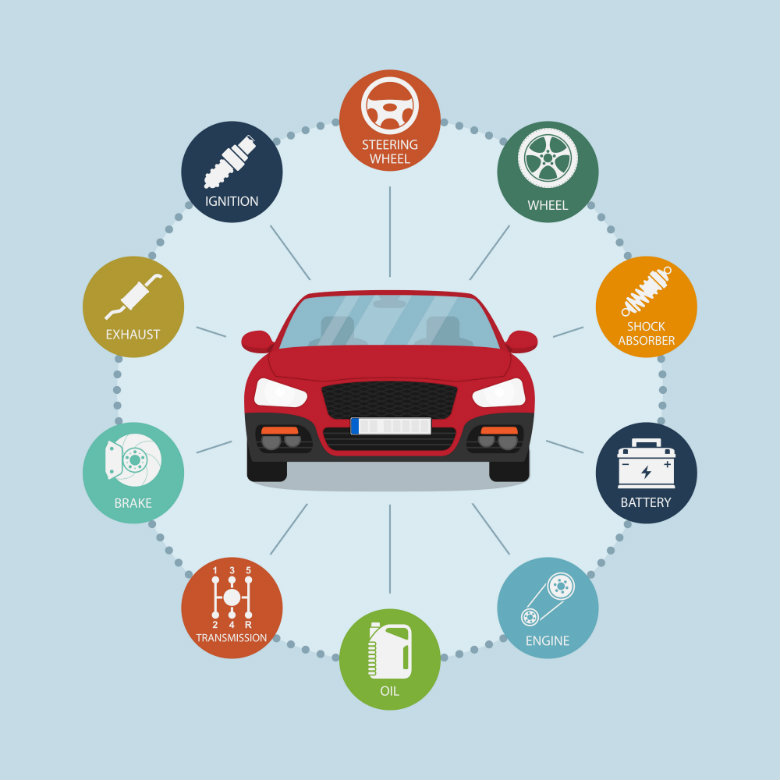
Each component of your vehicle plays a role in its overall health and efficiency, directly influencing your financial outlay. Understanding the cost-saving potential of specific maintenance tasks can help prioritize your automotive budget.
Engine Longevity: The Oil Change Investment
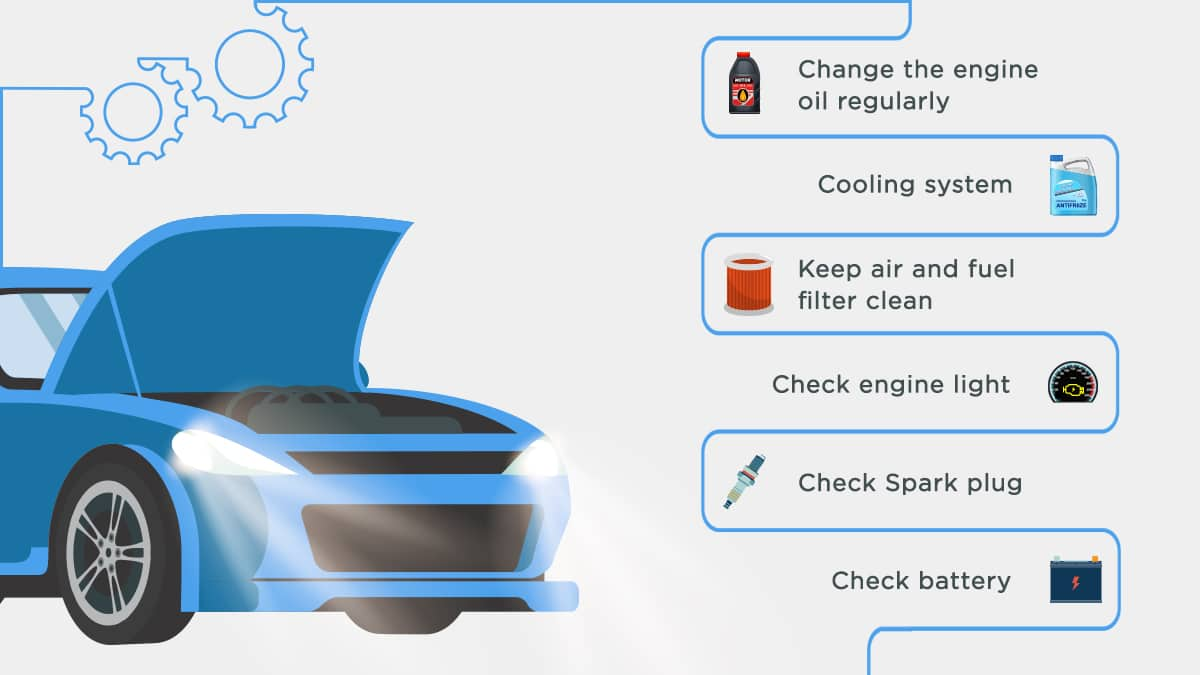
Engine oil is the lifeblood of your car’s engine, lubricating moving parts, reducing friction, and dissipating heat. Regular oil changes, following manufacturer recommendations, are arguably the single most cost-effective maintenance task. The cost of an oil change – typically under $100 for conventional oil – pales in comparison to the cost of major engine repairs or, worse, an engine replacement, which can easily run into thousands of dollars. Dirty, degraded oil loses its lubricating properties, leading to increased wear, sludge buildup, and ultimately, premature engine failure. By investing a small amount in routine oil and filter changes, you are making a critical investment in your engine’s longevity and avoiding catastrophic financial setbacks. Additionally, a well-lubricated engine operates more efficiently, contributing to slightly better fuel economy, which compounds your savings over time.
Tire Management: Saving on Replacements and Fuel
Tires are a significant recurring expense for car owners, and their lifespan is heavily influenced by proper maintenance. Regular tire rotations, typically every 5,000 to 7,500 miles, ensure even wear across all four tires, maximizing their useful life and delaying the need for costly replacements. Misaligned wheels can cause rapid, uneven tire wear, forcing premature replacements and incurring additional costs for alignment services. Beyond extending tire life, correctly inflated tires are crucial for fuel efficiency. Under-inflated tires increase rolling resistance, forcing the engine to work harder and consume more fuel. Maintaining proper tire pressure, a quick and free check, can improve fuel economy by up to 3% according to the U.S. Department of Energy, translating to tangible savings over hundreds of gallons of fuel annually. This simple act of checking tire pressure becomes a consistent source of financial benefit.
Fluid Health: Preventing Catastrophic Failures
Beyond engine oil, a car relies on a multitude of fluids – transmission fluid, brake fluid, coolant, power steering fluid – each vital for specific system functions. Neglecting these fluids can lead to highly expensive repairs. For instance, old or contaminated transmission fluid can lead to transmission slippage or failure, a repair that can cost thousands and often exceeds the value of older vehicles. Similarly, a poorly maintained cooling system with old coolant can lead to engine overheating and severe damage. Regularly checking fluid levels and condition, and flushing/replacing them according to the service schedule, is a preventative measure against major system failures. These services, while having an upfront cost, are a fraction of the expense involved in repairing or replacing entire systems, making them a wise financial investment in your vehicle’s structural integrity.
Braking System: Safety and Cost Avoidance
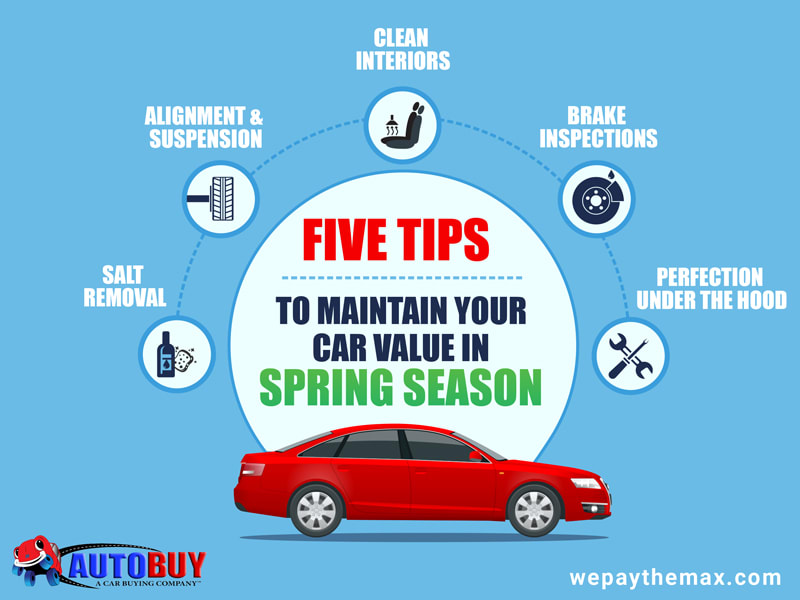
The braking system is critical for safety, but its maintenance also has direct financial implications. Ignoring squealing or grinding brakes can lead to more extensive and expensive repairs than simply replacing worn brake pads. If pads wear down completely, the metal backing can score the rotors, necessitating rotor replacement or resurfacing in addition to new pads. This significantly increases the cost of a brake job. Furthermore, a well-maintained braking system prevents accidents, which carry immense financial burdens in terms of insurance deductibles, increased premiums, and potential legal fees. Regular inspection of brake pads, rotors, and brake fluid ensures optimal performance, enhancing safety and preventing more costly repairs down the line.
Battery Care: Avoiding Emergency Expenses
A car battery typically lasts 3-5 years, but its lifespan can be shortened by extreme temperatures, frequent short trips, and lack of maintenance. Keeping battery terminals clean and free of corrosion, and testing the battery’s charge, can help extend its life and prevent unexpected failures. A dead battery often results in being stranded, requiring a costly tow, a jump start service, or an urgent, possibly overpriced, battery replacement from an emergency service provider. Proactively testing and replacing a weak battery before it fails completely allows for planned purchases, potentially at a better price, and avoids the financial stress and inconvenience of an emergency situation.
Strategic Planning for Automotive Finances
Effective car maintenance is not just about performing tasks; it’s about integrating these tasks into a broader financial strategy for vehicle ownership.
Creating a Maintenance Budget
One of the most effective ways to manage car maintenance costs is to allocate a specific amount in your monthly budget for automotive care. This could be a fixed sum transferred to a dedicated savings account or simply factored into your general spending plan. A common guideline is to set aside approximately $50-$100 per month, though this can vary based on the vehicle’s age, mileage, and make. Having these funds readily available prevents unexpected repair bills from becoming financial crises. It allows you to undertake preventative services without stress, ensuring your car remains in optimal condition and preventing the accrual of high-interest debt for emergency repairs. This budgetary discipline transforms potential financial shocks into manageable, predictable expenses.
The Cost-Benefit of Professional Servicing
While DIY maintenance can save money on labor, certain tasks require specialized tools, expertise, and diagnostic equipment. Professional servicing by certified mechanics often comes with warranties on parts and labor, providing peace of mind and financial protection. It’s a cost-benefit analysis: paying for professional expertise can identify potential problems earlier, prevent costly misdiagnoses, and ensure work is done correctly, ultimately saving money in the long run by avoiding subsequent repairs due to shoddy workmanship. Reputable service centers can also provide a comprehensive maintenance schedule based on your vehicle’s specific needs, helping you plan financially for future services and avoid unexpected expenses.
Driving Habits: Fuel Efficiency and Reduced Wear
Your driving style significantly impacts your car’s wear and tear, fuel consumption, and ultimately, your financial outlay. Adopting mindful driving habits can lead to substantial long-term savings.
Smooth Driving for Financial Gains
Aggressive driving – rapid acceleration, hard braking, and excessive speeding – consumes more fuel and puts undue stress on engine components, brakes, tires, and the transmission. Each of these components has a finite lifespan, and aggressive driving accelerates their degradation, leading to premature replacement needs and higher repair costs. Conversely, smooth acceleration, anticipating stops to allow for gentle braking, and maintaining a consistent speed not only save on fuel costs but also extend the life of critical components. This translates into fewer visits to the mechanic for worn-out brakes or tires, and a healthier engine that requires less expensive intervention over its lifetime. The financial benefits of smooth driving are immediate through reduced fuel consumption and long-term through deferred maintenance expenses.
Regular Cleaning for Preserved Value
While often viewed as cosmetic, regular cleaning, both interior and exterior, contributes to the financial health of your vehicle. Washing and waxing the exterior protects the paintwork from environmental damage, preventing rust and preserving the car’s aesthetic appeal, which is crucial for maintaining resale value. A clean interior, free from stains and odors, also adds to the perceived value of the vehicle and enhances the driving experience. Over time, neglected interiors can suffer from material degradation, leading to expensive detailing or replacement of components. Think of cleaning as a low-cost, high-impact method of maintaining your car’s visual and structural integrity, directly supporting its market value.
aViewFromTheCave is a participant in the Amazon Services LLC Associates Program, an affiliate advertising program designed to provide a means for sites to earn advertising fees by advertising and linking to Amazon.com. Amazon, the Amazon logo, AmazonSupply, and the AmazonSupply logo are trademarks of Amazon.com, Inc. or its affiliates. As an Amazon Associate we earn affiliate commissions from qualifying purchases.