
Taxation is often the single largest expense an individual or business owner will face throughout their lifetime. While paying taxes is a legal obligation, overpaying them is a common mistake that can significantly hinder long-term wealth accumulation and financial freedom. Lowering your tax liability is not about evasion; it is about tax avoidance—the legal application of the tax code to minimize what you owe. By understanding the mechanics of deductions, credits, and strategic investment vehicles, you can proactively manage your financial profile to keep more of what you earn.
Maximizing Tax-Advantaged Retirement and Health Accounts
The most accessible way for the average person to lower their taxable income is through the use of tax-advantaged accounts. These accounts are specifically designed by the government to encourage long-term saving for retirement and healthcare, providing immediate or deferred tax benefits in exchange for restricted access to funds.
Employer-Sponsored Retirement Plans
For those with access to a 401(k), 403(b), or similar employer-sponsored plan, these remain the cornerstone of tax reduction. Contributions to traditional versions of these accounts are made pre-tax, meaning every dollar you contribute reduces your gross income for the year. If you earn $100,000 and contribute $20,000 to your 401(k), the IRS only views your taxable income as $80,000. For high-income earners, this can result in thousands of dollars in immediate tax savings. Furthermore, many employers offer matching contributions, which essentially provide a 100% return on investment before market fluctuations are even considered.
Individual Retirement Accounts (IRAs)
If you do not have an employer plan, or if you wish to save beyond your 401(k), Traditional IRAs offer similar tax-deductible benefits, provided you meet certain income requirements. While Roth IRAs do not provide an immediate tax break, they offer tax-free growth and tax-free withdrawals in retirement. Choosing between Traditional and Roth is a matter of predicting your future tax bracket versus your current one; however, for those looking to lower their taxes today, the Traditional IRA is the primary tool.
The Triple Tax Advantage of HSAs
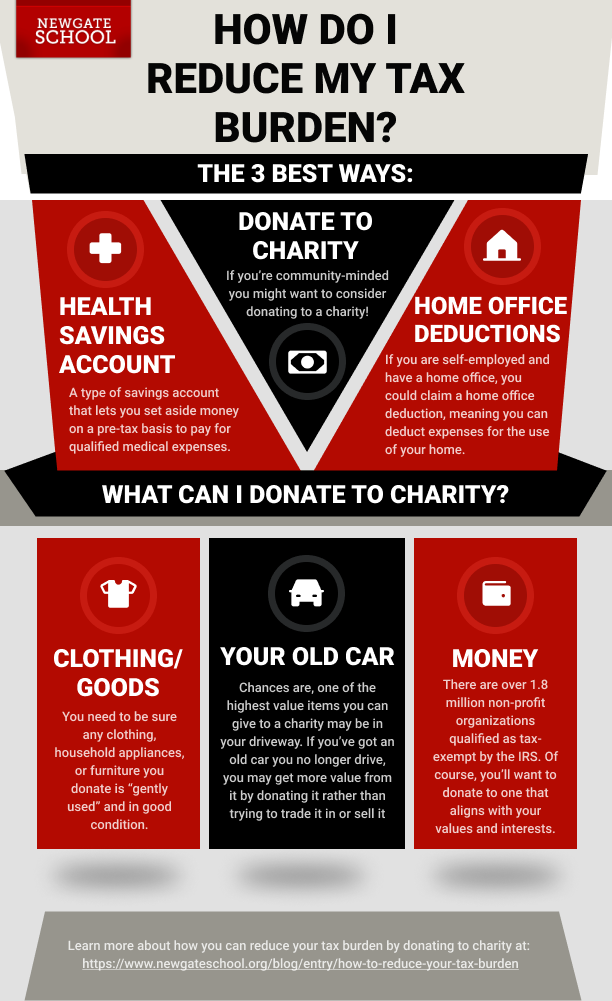
Health Savings Accounts (HSAs) are perhaps the most powerful financial tool in the tax code. To qualify, you must be enrolled in a High Deductible Health Plan (HDHP). HSAs offer a “triple tax advantage”: contributions are tax-deductible (lowering your current tax bill), the money grows tax-free within the account, and withdrawals are tax-free if used for qualified medical expenses. Unlike Flexible Spending Accounts (FSAs), HSA funds roll over indefinitely, allowing them to serve as a secondary retirement vehicle. By paying for current medical expenses out-of-pocket and allowing the HSA to grow, you create a massive tax-free pool of capital for the future.
Strategic Tax Credits vs. Deductions
To effectively lower your taxes, you must understand the distinction between tax deductions and tax credits. A deduction reduces the amount of income you are taxed on, whereas a credit reduces your actual tax bill dollar-for-dollar.
Navigating the Standard vs. Itemized Deduction
The majority of taxpayers utilize the standard deduction, a fixed dollar amount that reduces taxable income. However, for those with significant expenses—such as mortgage interest, high state and local taxes (SALT), or large medical bills—itemizing deductions may yield greater savings. The “bunching” strategy is a popular way to maximize this. By concentrating two years’ worth of charitable donations or elective medical procedures into a single tax year, you may exceed the standard deduction threshold in that year, while taking the standard deduction in the following year, thereby lowering your overall multi-year tax liability.
Leveraging High-Value Tax Credits
Tax credits are more valuable than deductions because of their direct impact on your liability. The Child Tax Credit and the Earned Income Tax Credit (EITC) are well-known, but others often go overlooked. For example, energy-efficient home improvements—such as installing solar panels, heat pumps, or high-efficiency windows—can trigger substantial federal tax credits. Similarly, education credits like the American Opportunity Tax Credit (AOTC) can offset the costs of higher education for you or your dependents.
Investment Strategies for Tax Efficiency
How you invest is just as important as what you invest in when it comes to taxes. A “tax-drag” on an investment portfolio can significantly reduce net returns over several decades. Professional investors use several techniques to keep the IRS’s share of their portfolio as small as possible.

Tax-Loss Harvesting
Tax-loss harvesting is the process of selling an investment that is currently at a loss to offset capital gains realized elsewhere in your portfolio. If your losses exceed your gains, you can use up to $3,000 of the excess loss to offset your “ordinary” income (such as your salary). Any remaining losses can be carried forward to future years. The key to this strategy is navigating the “wash-sale rule,” which prevents you from claiming a loss if you buy a “substantially identical” security within 30 days before or after the sale.
Long-Term Capital Gains and Asset Location
Assets held for more than a year qualify for long-term capital gains tax rates, which are significantly lower than ordinary income tax rates. Currently, depending on your income, these rates are 0%, 15%, or 20%. By focusing on buy-and-hold strategies, you can avoid the higher short-term rates.
Furthermore, “asset location” refers to placing the right investments in the right accounts. Inefficient tax assets, like high-yield bonds or REITs that generate regular taxable income, are best held in tax-deferred accounts like a 401(k). Tax-efficient assets, like index funds or municipal bonds, are better suited for taxable brokerage accounts. Municipal bonds, in particular, often offer interest that is exempt from federal (and sometimes state) income taxes, making them a staple for investors in high tax brackets.
Business and Side Hustle Optimization
With the rise of the gig economy and remote work, more individuals are operating as small business owners or independent contractors. This status opens a suite of tax-lowering opportunities that are unavailable to traditional W-2 employees.
The Home Office and Equipment Deductions
If you use a portion of your home exclusively for business, you may qualify for the home office deduction. This allows you to deduct a percentage of your rent or mortgage interest, utilities, and insurance. Additionally, Section 179 of the tax code allows business owners to deduct the full purchase price of qualifying equipment—such as computers, software, and even certain vehicles—in the year they are purchased, rather than depreciating them over several years.
Qualified Business Income (QBI) Deduction
The QBI deduction, established by the Tax Cuts and Jobs Act, allows many sole proprietors, partners, and S-corporation owners to deduct up to 20% of their qualified business income from their taxes. This is a significant deduction that essentially makes 20% of your business profit tax-free, subject to certain income thresholds and industry limitations.
Entity Selection and Payroll Taxes
For those earning significant income through a business, the choice between a sole proprietorship/LLC and an S-Corporation can have massive tax implications. In an S-Corp, owners can split their income between a “reasonable salary” and “business distributions.” While the salary is subject to FICA taxes (Social Security and Medicare), the distributions are not. By balancing these correctly, a business owner can save thousands of dollars annually in self-employment taxes.
Year-End Planning and Charitable Giving
Lowering your taxes is a year-round activity that culminates in the final quarter of the year. Proactive planning before December 31st is essential to lock in savings.
Donor-Advised Funds (DAFs)
Charitable giving is a powerful way to reduce your tax bill while supporting causes you care about. A Donor-Advised Fund allows you to make a large contribution of cash or appreciated securities and take an immediate tax deduction. You can then distribute that money to various charities over several years. This is particularly effective in high-income years where you need a large deduction to drop into a lower tax bracket.

Timing Income and Expenses
If you expect to be in a lower tax bracket next year, it may be beneficial to defer income until January. This could mean waiting to send invoices if you are self-employed or delaying a year-end bonus if your employer allows. Conversely, you might choose to accelerate “deductible” expenses into the current year—such as making a January mortgage payment in December or prepaying professional association dues—to maximize your current year’s deductions.
Tax planning is not a one-size-fits-all endeavor. It requires a deep understanding of your current financial situation, future goals, and the ever-changing landscape of tax law. By treating tax management as a core component of your broader financial strategy—rather than a once-a-year chore—you can effectively lower your tax burden, accelerate your investment growth, and secure your financial future.
aViewFromTheCave is a participant in the Amazon Services LLC Associates Program, an affiliate advertising program designed to provide a means for sites to earn advertising fees by advertising and linking to Amazon.com. Amazon, the Amazon logo, AmazonSupply, and the AmazonSupply logo are trademarks of Amazon.com, Inc. or its affiliates. As an Amazon Associate we earn affiliate commissions from qualifying purchases.