
Navigating the complexities of the tax code is often viewed as a daunting annual chore, but for the financially savvy, it is an essential component of wealth management. Lowering your taxable income is not about evasion; it is about tax avoidance—the legal utilization of the regime to your advantage. By reducing your Adjusted Gross Income (AGI), you not only lower your immediate tax bill but may also qualify for various credits and deductions that are phased out at higher income levels.
To effectively manage your fiscal footprint, one must look beyond simple deductions and adopt a multi-faceted approach involving retirement planning, healthcare optimization, and strategic investment. This guide explores the most effective, professional-grade strategies to lower your taxable income and ensure more of your hard-earned money remains in your portfolio.

Maximizing Retirement Contributions: The Foundation of Tax Efficiency
The most direct and impactful way to lower your taxable income is through contributions to employer-sponsored and individual retirement accounts. These “above-the-line” adjustments or pre-tax contributions effectively lower your reported income dollar-for-dollar.
Traditional 401(k) and 403(b) Plans
For most employees, the Traditional 401(k) (or 403(b) for non-profit employees) is the primary vehicle for tax reduction. When you contribute to a traditional retirement plan, the money is taken out of your paycheck before federal and state taxes are calculated. For 2024, the contribution limit is $23,000, with an additional $7,500 catch-up contribution for those aged 50 and older. If you are in the 24% tax bracket and contribute the maximum amount, you could potentially reduce your federal tax bill by over $5,500 instantly.
The Power of Traditional IRAs
If you do not have access to an employer-sponsored plan, or if your income falls within certain limits, a Traditional Individual Retirement Account (IRA) offers similar benefits. Contributions to a Traditional IRA are often tax-deductible. It is important to note the distinction between “deductibility” and “contribution.” While anyone with earned income can contribute, the ability to deduct that contribution from your taxable income depends on whether you or your spouse are covered by a retirement plan at work and what your modified adjusted gross income (MAGI) is.
Solo 401(k)s and SEP IRAs for the Self-Employed
For entrepreneurs, freelancers, and side-hustlers, the tax code offers even more generous opportunities. A Solo 401(k) allows you to contribute both as an employee and an employer. This dual capacity can significantly lower a business owner’s taxable income, often allowing for total contributions upwards of $69,000 (depending on business income). Similarly, a SEP IRA (Simplified Employee Pension) allows a business owner to contribute a portion of their net self-employment income, providing a flexible and high-ceiling way to reduce tax liability during high-earning years.
Leveraging Healthcare and Flexible Spending Accounts
Healthcare costs are one of the most significant expenses for modern households, but the IRS provides several mechanisms to pay for these costs using pre-tax dollars, thereby lowering your overall taxable income.
Health Savings Accounts (HSAs): The Triple Tax Advantage
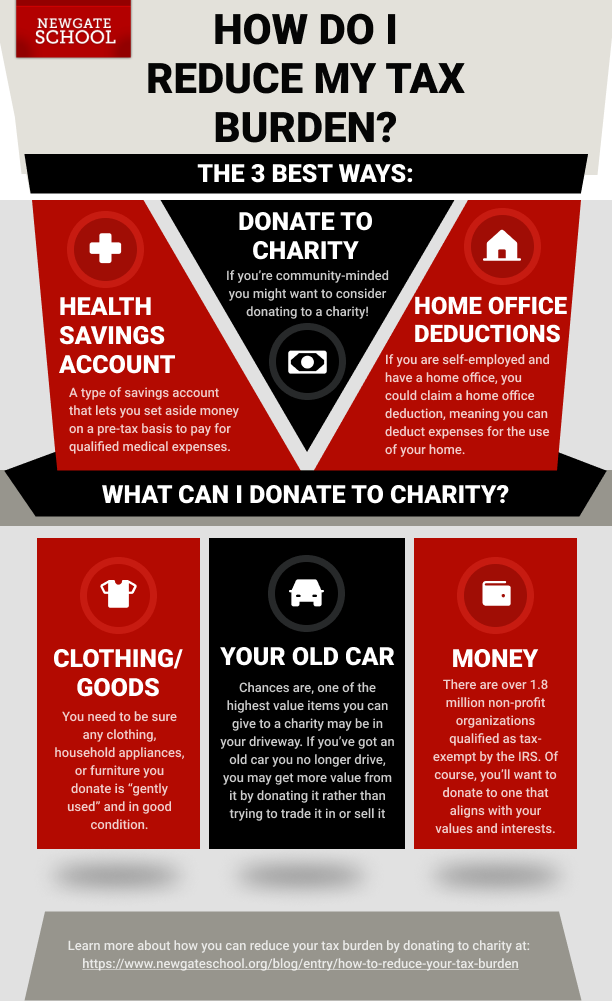
The HSA is arguably the most powerful tax-advantaged tool available in the United States. To qualify, you must be enrolled in a High Deductible Health Plan (HDHP). The HSA offers a “triple tax advantage”: contributions are tax-deductible (lowering your taxable income), the growth of the investments within the account is tax-free, and withdrawals for qualified medical expenses are also tax-free. Unlike other accounts, the funds in an HSA roll over year after year, making it a potent long-term investment vehicle as well as an immediate tax-saver.
Flexible Spending Accounts (FSAs) for Healthcare and Childcare
If your employer offers a Flexible Spending Account (FSA), you can redirect a portion of your salary—up to $3,200 for healthcare FSAs—into an account to pay for out-of-pocket medical expenses. Because these contributions are deducted before taxes, they lower your taxable income. Additionally, the Dependent Care FSA allows parents to set aside up to $5,000 pre-tax to cover childcare expenses, such as daycare or preschool. While these accounts usually operate on a “use-it-or-lose-it” basis within the plan year, they provide immediate relief for known recurring costs.
Smart Investment Strategies to Offset Gains
Your investment portfolio is not just a tool for growth; it is also a tool for tax management. By utilizing specific accounting methods and investment vehicles, you can mitigate the impact of capital gains taxes.
Tax-Loss Harvesting Explained
Tax-loss harvesting is the practice of selling an investment that is trading at a loss to offset capital gains realized elsewhere in your portfolio. If your losses exceed your gains, you can use the remaining loss to offset up to $3,000 of your ordinary taxable income. Any losses beyond that $3,000 can be carried forward to future tax years. This strategy is particularly effective in volatile markets, allowing investors to “cleanse” their portfolio of underperforming assets while simultaneously reducing their tax liability.

Long-Term Capital Gains vs. Short-Term Gains
Understanding the timing of your asset sales is critical. Assets held for more than one year are taxed at long-term capital gains rates (0%, 15%, or 20%), which are significantly lower than ordinary income tax rates. By strategically holding assets longer to qualify for these rates, you effectively lower the “tax drag” on your wealth. For individuals in the lowest income brackets, the long-term capital gains rate is actually 0%, offering a unique opportunity to realize gains without increasing taxable income.
Municipal Bonds and Tax-Exempt Interest
For high-net-worth individuals in high-tax states, municipal bonds are an attractive option. The interest earned on bonds issued by state and local governments is generally exempt from federal income tax. In many cases, if you live in the state where the bond was issued, the interest is also exempt from state and local taxes. While the yield on municipal bonds may be lower than corporate bonds, the “tax-equivalent yield” often makes them a superior choice for lowering taxable income.
Business Deductions and Side Hustle Optimization
In the modern economy, more people than ever have secondary income streams. Treating these side hustles as a formal business can unlock a variety of deductions that lower the total income subject to tax.
The Home Office Deduction and Equipment Write-Offs
If you use a portion of your home exclusively for business, you may be eligible for the home office deduction. This allows you to deduct a percentage of your mortgage interest, utilities, insurance, and repairs. Furthermore, Section 179 of the tax code allows businesses to deduct the full purchase price of qualifying equipment—such as computers, office furniture, and software—purchased or financed during the tax year. This “expensing” can create a massive reduction in taxable income for the year the purchase was made.
Qualified Business Income (QBI) Deduction
The QBI deduction, established by the Tax Cuts and Jobs Act, allows many sole proprietors, partners, and S-corporation owners to deduct up to 20% of their qualified business income from their taxes. This is a significant “above-the-line” deduction that does not require itemizing. It effectively means that a substantial portion of your business profit is untaxed at the federal level, provided you meet certain income thresholds and industry requirements.
Travel and Professional Development Expenses
For the self-employed, expenses related to professional growth and business travel are fully deductible. This includes registration fees for conferences, airfare, lodging, and 50% of business-related meals. By reinvesting your earnings into your own professional development and networking, you are not only growing your future earning potential but also reducing the amount of income the IRS can tax in the present.
Strategic Charitable Giving and Credits
Philanthropy is not only a moral pursuit but also a sophisticated financial strategy for those who itemize their deductions.
Donor-Advised Funds (DAFs)
A Donor-Advised Fund (DAF) allows you to make a charitable contribution and receive an immediate tax deduction, even if you don’t decide which specific charities to support until later. This is particularly useful in a high-income year where you want to maximize your deductions. By “bunching” several years’ worth of donations into a single DAF contribution, you may exceed the standard deduction threshold, thereby significantly lowering your taxable income for that year.
Donating Appreciated Securities
Instead of giving cash, consider donating appreciated stocks or mutual funds held for more than a year. By doing so, you receive a tax deduction for the full fair market value of the asset and, crucially, neither you nor the charity has to pay capital gains tax on the appreciation. This “double benefit” is a staple of advanced tax planning, as it removes the tax liability of the gain from your books entirely.
Education and Energy-Efficient Tax Credits
While deductions lower the income you are taxed on, credits provide a dollar-for-dollar reduction in the tax you owe. The Lifetime Learning Credit (LLC) and the American Opportunity Tax Credit (AOTC) can offset the costs of higher education. Additionally, residential energy credits for installing solar panels, heat pumps, or energy-efficient windows can provide thousands of dollars in tax relief. By lowering your final tax bill, you effectively preserve the income you’ve earned.
Conclusion: The Importance of Proactive Planning
Lowering your taxable income is an ongoing process that requires more than a last-minute scramble in April. It involves a year-round commitment to structuring your finances with tax efficiency in mind. By maximizing retirement accounts, utilizing the unique benefits of HSAs, harvesting investment losses, and leveraging business deductions, you create a robust shield for your wealth.
In the world of personal finance, it isn’t just about what you earn—it’s about what you keep. Professional tax planning allows you to align your financial goals with the legal framework of the tax code, ensuring that your path to financial independence is as efficient and cost-effective as possible. Always consult with a qualified tax professional or financial advisor to tailor these strategies to your specific situation and to stay updated on the ever-evolving tax landscape.
aViewFromTheCave is a participant in the Amazon Services LLC Associates Program, an affiliate advertising program designed to provide a means for sites to earn advertising fees by advertising and linking to Amazon.com. Amazon, the Amazon logo, AmazonSupply, and the AmazonSupply logo are trademarks of Amazon.com, Inc. or its affiliates. As an Amazon Associate we earn affiliate commissions from qualifying purchases.