
In the increasingly digital landscape of personal finance, knowing your bank account number is more essential than ever. While many transactions occur seamlessly with just a debit card or an app, there are numerous critical situations where your full bank account number, often alongside your routing number, is indispensable. From setting up direct deposit for your paycheck to initiating wire transfers, or even linking various financial applications, access to this identifier is a fundamental aspect of managing your money effectively.
This guide delves into the various reasons you might need your bank account number, outlines the primary and alternative methods for locating it, clarifies the distinction between your account number and other financial identifiers, and, most importantly, provides best practices for safeguarding this sensitive information. Understanding how to confidently and securely access your bank account number is a cornerstone of sound financial literacy and management in the modern world.

Why Knowing Your Bank Account Number is Essential
Your bank account number is more than just a sequence of digits; it’s a unique identifier that links you directly to your funds within a specific financial institution. While often overlooked until urgently needed, its importance spans a wide array of financial activities.
Setting Up Direct Deposits and Payments
One of the most common reasons individuals need their bank account number is for setting up automated financial processes. Your employer will require it to deposit your salary directly into your checking or savings account, ensuring timely access to your earnings. Similarly, government agencies use account numbers for direct deposit of tax refunds, social security benefits, or other disbursements. Beyond income, you might need it to set up recurring bill payments with utility companies, subscription services, or loan providers, streamlining your monthly financial obligations and avoiding late fees.
Facilitating Fund Transfers and Transactions
Whether you’re sending money to family, receiving funds from a client, or moving money between your own accounts at different institutions, your account number is often a prerequisite. It’s crucial for initiating Automated Clearing House (ACH) transfers, which are electronic payments processed through the ACH network, covering everything from online bill payments to peer-to-peer transfers via platforms like Zelle. For larger sums or international transactions, wire transfers also depend on your account number, ensuring funds reach the correct recipient quickly and securely.
Linking and Integrating Financial Accounts
In today’s interconnected financial ecosystem, many individuals use various apps and platforms to manage their money. Budgeting apps, investment platforms, and even third-party payment services often require you to link your bank account using its number. This integration allows for seamless money movement, expense tracking, and a holistic view of your financial health. Similarly, if you’re applying for a loan or a new credit card, the lender might ask for your bank account details for verification or to set up automatic repayments.
International Transactions and Verifications
When dealing with international financial operations, your bank account number takes on added significance, often alongside other codes like SWIFT (Society for Worldwide Interbank Financial Telecommunication) or IBAN (International Bank Account Number). These identifiers work in tandem to ensure that money sent across borders reaches the precise account, navigating different banking systems. Additionally, in some instances, financial institutions or regulatory bodies may request your account number for identity verification or to confirm ownership of funds, particularly in situations involving fraud prevention or compliance.
Primary Methods to Locate Your Account Number
Fortunately, your bank account number is not a hidden secret. Financial institutions provide multiple straightforward and secure ways to access this information.
Your Bank’s Online Banking Portal or Mobile App
For most people, the quickest and most convenient way to find their account number is through their bank’s online banking platform or mobile application. After securely logging in with your credentials (username, password, and often two-factor authentication), navigate to the specific account you wish to find the number for (e.g., checking or savings).
- Online Banking: Look for sections like “Account Details,” “Account Summary,” “Statements,” or “Document Center.” The account number is usually prominently displayed there or within a digital statement.
- Mobile App: Mobile banking apps typically have a similar pathway. After selecting the account, you might need to tap on “Details,” “Show Account Info,” or access a digital statement. Some apps may even offer a quick “copy” function for easy pasting.
Physical Checks and Deposit Slips
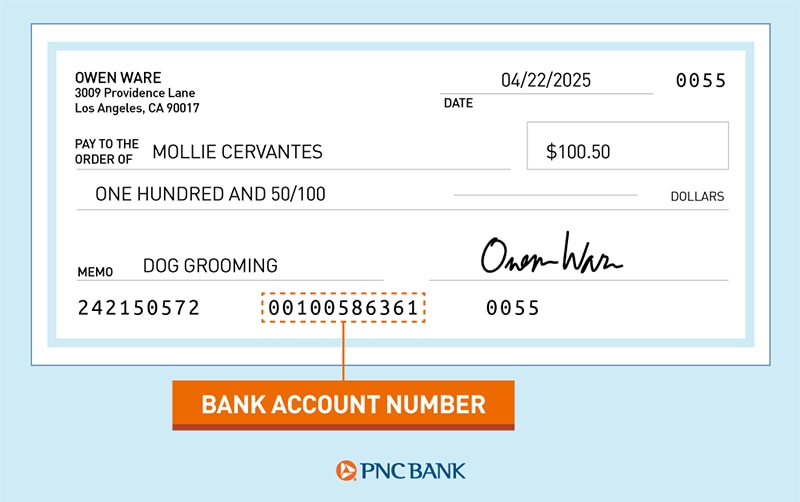
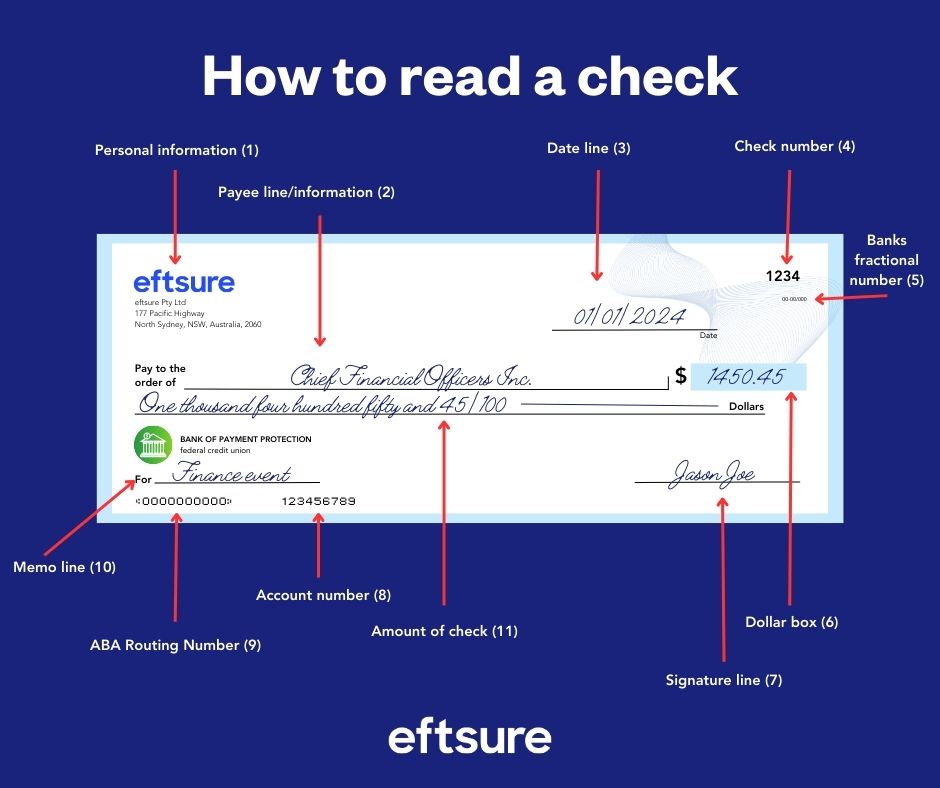
If you have a checkbook for your checking account, your account number is printed right on the bottom. It’s usually the middle set of numbers, nestled between your bank’s routing number (the first set of nine digits) and the check number (the last set).
- Checks:
- First Set (9 digits): Routing number.
- Middle Set (usually 10-12 digits): Your individual bank account number.
- Last Set (3-4 digits): The specific check number.
- Deposit Slips: Similar to checks, deposit slips also display your account number and routing number. If you have a blank deposit slip, you can find the information there.
Bank Statements
Both paper and electronic bank statements are excellent sources for your account number.
- Paper Statements: If you receive paper statements by mail, your full account number is typically printed near the top of the statement, often close to your name and address, or within the “Account Summary” section.
- Digital Statements: For those who opt for paperless banking, digital statements are accessible through your online banking portal or mobile app. Navigate to the “Statements” or “Documents” section, select the relevant statement, and you’ll find your account number displayed clearly. This method also allows you to save or print a digital copy for your records.
Contacting Your Bank Directly
If you’re unable to find your account number through the above methods or if you have any security concerns, contacting your bank directly is always a reliable option.
- Phone Banking: Call your bank’s customer service number (usually found on their website, the back of your debit card, or a recent statement). Be prepared to answer several security questions to verify your identity, such as your full name, address, date of birth, the last four digits of your social security number, or specific recent transactions.
- In-Person Visit: Visit a local branch of your bank. A teller or customer service representative can assist you. You will need to bring a valid form of photo identification (e.g., driver’s license, passport) to prove your identity before they can provide your account information.
Understanding Your Account Number vs. Routing Number
It’s crucial to differentiate between your bank account number and your routing number, as they serve distinct but complementary purposes. Using the wrong one can lead to transaction errors, delays, or even funds being sent to the wrong destination.
What is a Bank Account Number?
Your bank account number is a unique string of digits (typically 10 to 12) that identifies your specific account within your financial institution. Think of it as your personal street address within the bank. It ensures that funds are deposited into or withdrawn from your particular checking, savings, or money market account, distinguishing it from all other accounts held by other customers at the same bank.
What is a Routing Number?
A routing number (also known as an ABA routing transit number) is a nine-digit code that identifies your specific bank or financial institution within the United States. It’s like the zip code for your bank. When you initiate a transaction, the routing number tells the financial system which bank the money should go to, and then the account number directs it to the specific account within that bank. Routing numbers are primarily used for ACH transfers, wire transfers, and processing paper checks. Many banks have different routing numbers for different types of transactions or geographic regions, so it’s important to use the correct one for your specific purpose.
Why the Distinction Matters
Using the correct number for the correct purpose is paramount. If you provide your routing number instead of your account number for a direct deposit, your employer’s payroll system will likely fail, delaying your paycheck. Conversely, if you use your account number where a routing number is required for an electronic transfer, the transaction won’t go through, or worse, could be misrouted if the system attempts to process it incorrectly. Always double-check which number is requested before entering it into any form or system.
Security Best Practices When Handling Your Account Number
While accessing your account number is simple, safeguarding it is critical. Your bank account number, especially when combined with your routing number, can be used to initiate electronic withdrawals from your account. Protecting this information is a key aspect of preventing financial fraud and identity theft.
Protecting Your Information Online
When using online banking or mobile apps to view your account number, always ensure you are on a secure connection (look for “https://” in the URL and a padlock icon). Use strong, unique passwords for your banking accounts and enable two-factor authentication (2FA) whenever possible. Be extremely wary of phishing attempts – unsolicited emails or texts asking for your account details or leading you to suspicious websites. Never click on links in such messages or provide information unless you have independently verified the sender. Always log out of your online banking session when finished, especially on public or shared computers.
Safeguarding Physical Documents
Physical documents like bank statements, old checks, and deposit slips contain your account number. Treat these documents with the same care you would cash.
- Shredding: Do not simply throw away old bank statements, voided checks, or expired debit/credit cards. Invest in a cross-cut shredder and shred all documents containing sensitive financial information before disposal.
- Secure Storage: Store active checkbooks, deposit slips, and important financial documents in a secure place, such as a locked drawer or a home safe.
- Awareness: Be mindful of where you leave physical documents lying around, especially in public places or where others might have access.
When and Who to Share With
Be highly selective about who you share your bank account number with. Only provide it to trusted, legitimate entities that genuinely need it for specific, authorized purposes, such as:
- Your employer for direct deposit.
- Government agencies for tax refunds or benefits.
- Reputable billers for recurring payments.
- Verified financial institutions for linking accounts (e.g., investment firms).
Avoid sharing your account number via unencrypted email, public messaging apps, or over the phone unless you initiated the call to a verified number and have confirmed the recipient’s legitimacy. Always question why someone is asking for your full account number. A reputable institution will typically only ask for the last few digits for verification purposes once you’ve initiated contact.
Monitoring Your Accounts Regularly
Even with the best precautions, vigilance is your strongest defense. Regularly review your bank statements and online transaction history for any unauthorized or suspicious activity. Set up transaction alerts with your bank so you receive notifications for large withdrawals, international transactions, or any activity you want to monitor closely. If you spot anything unusual, report it to your bank immediately. Early detection can prevent significant financial losses.
Conclusion
Understanding how to efficiently and securely look up your bank account number is a foundational skill in personal finance. Whether you need it for direct deposits, online bill payments, fund transfers, or integrating with financial apps, numerous accessible methods ensure you can retrieve this vital information when necessary. From your bank’s intuitive online portal and mobile app to the traditional paper check or statement, your account number is always within reach.
Crucially, this knowledge must be coupled with robust security practices. Protecting your bank account number from unauthorized access is paramount to safeguarding your financial well-being. By employing strong digital security habits, diligently managing physical documents, exercising caution when sharing information, and consistently monitoring your accounts, you empower yourself to manage your finances with confidence and peace of mind. In a world where financial data is constantly exchanged, mastering the art of secure account number retrieval is not just convenient, it’s indispensable.
aViewFromTheCave is a participant in the Amazon Services LLC Associates Program, an affiliate advertising program designed to provide a means for sites to earn advertising fees by advertising and linking to Amazon.com. Amazon, the Amazon logo, AmazonSupply, and the AmazonSupply logo are trademarks of Amazon.com, Inc. or its affiliates. As an Amazon Associate we earn affiliate commissions from qualifying purchases.